Science & Nature
What is an ecosystem?
An ecosystem is a geographic area where plants, animals, and other organisms, as well as weather and landscape, work together to…
Animals, plants, the human body, space and how the natural world works.
An ecosystem is a geographic area where plants, animals, and other organisms, as well as weather and landscape, work together to…
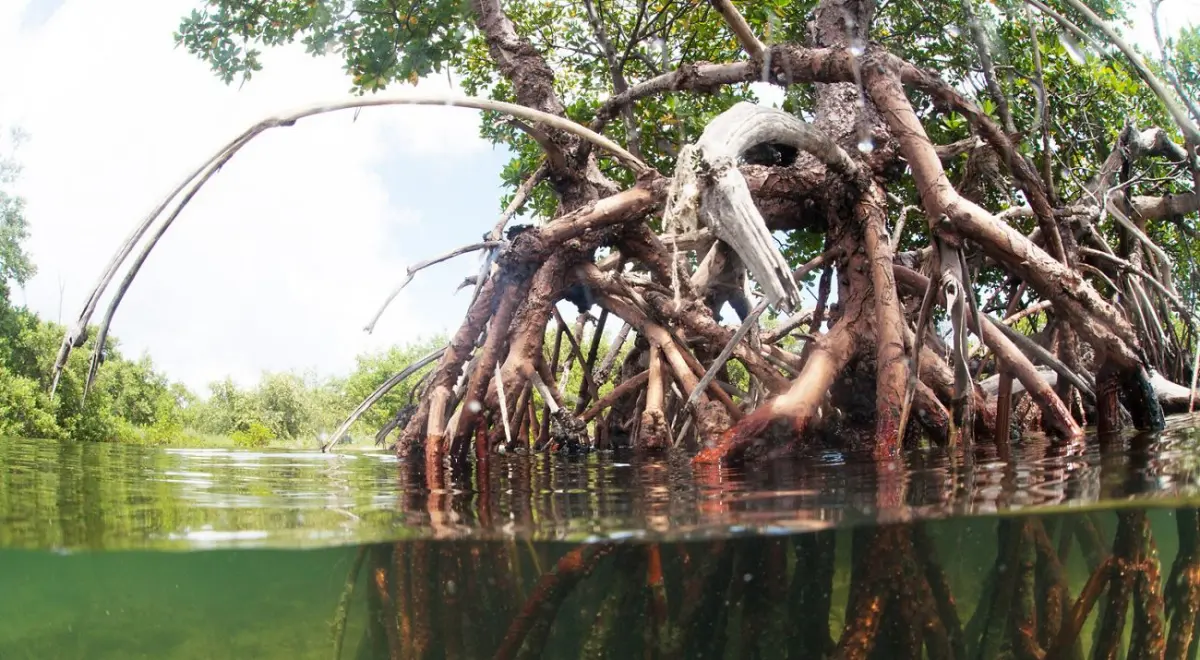
A mangrove forest is a specialized coastal ecosystem dominated by salt-tolerant trees and shrubs known as mangroves. These…
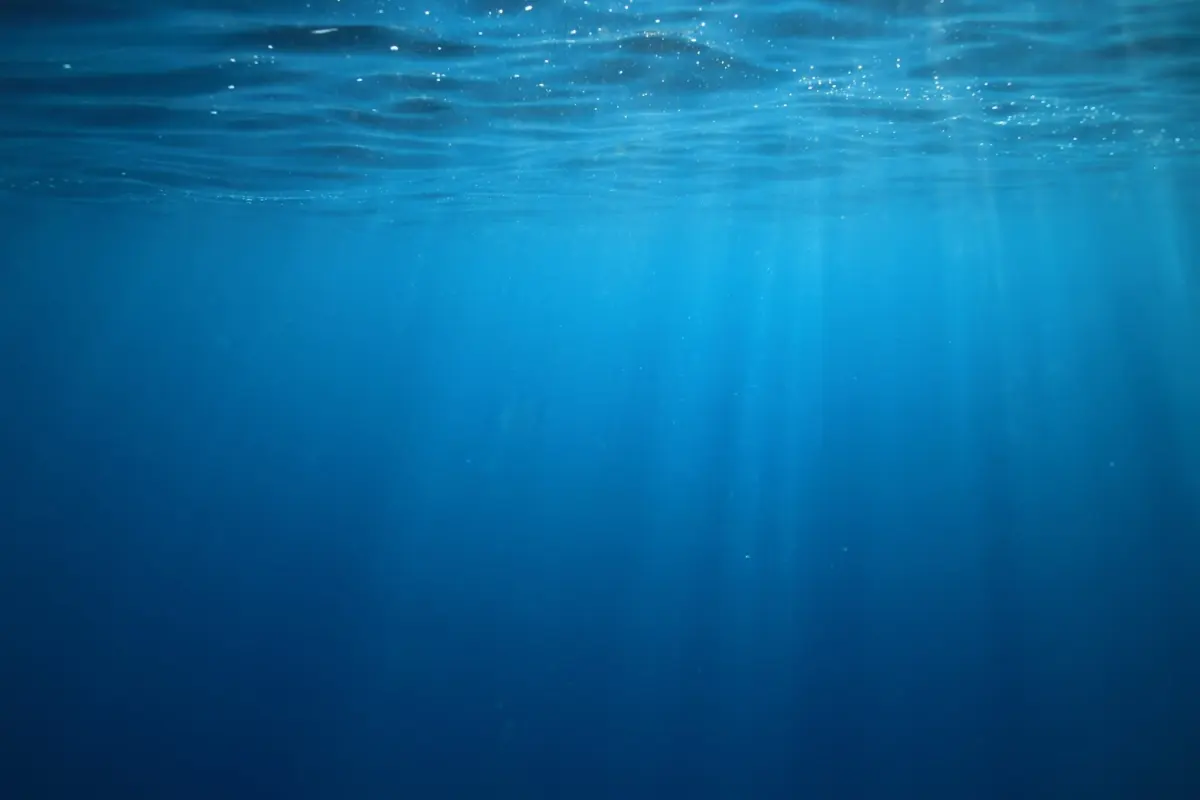
The ocean appears blue primarily because water molecules absorb the longer wavelengths of sunlight, such as red, orange, and…
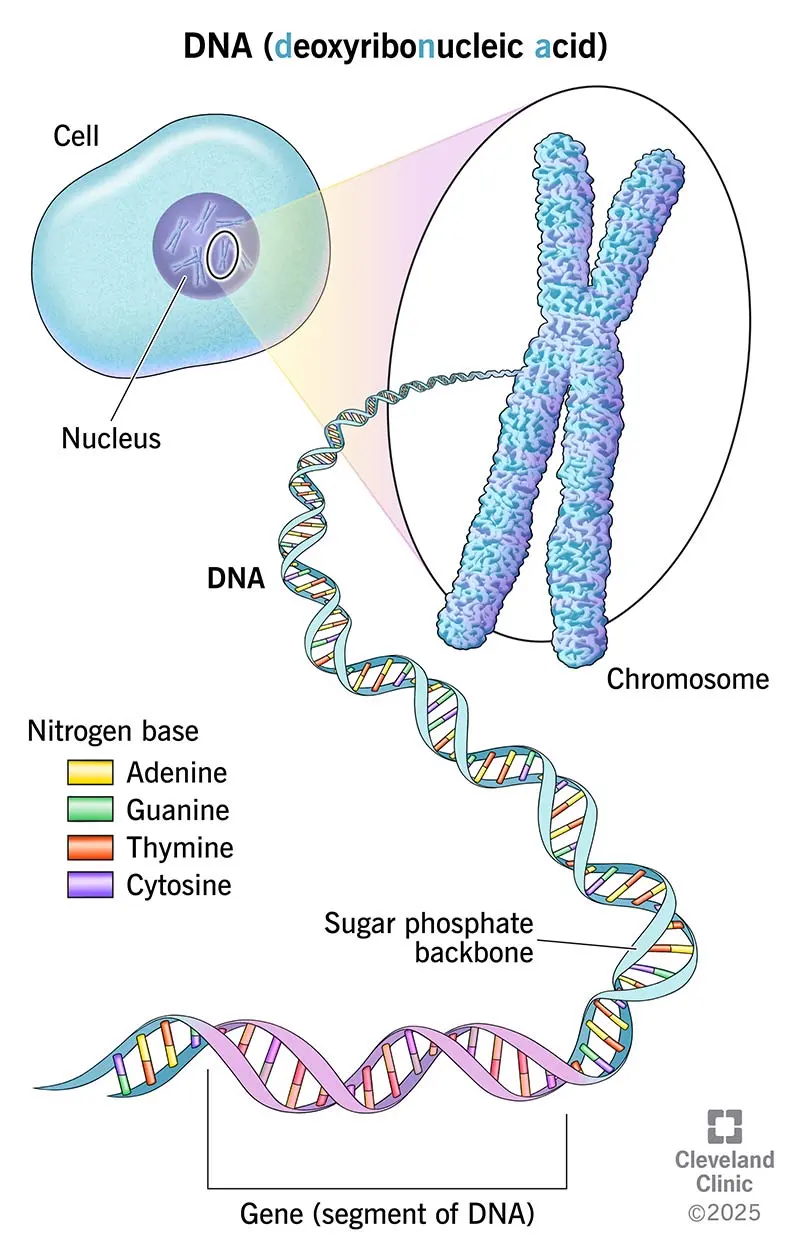
DNA, or deoxyribonucleic acid, is the hereditary material in humans and almost all other organisms. It functions as a biological…
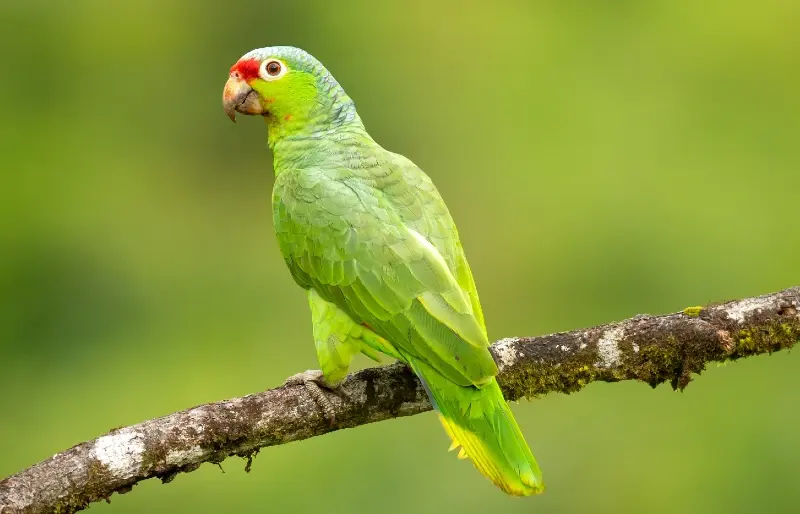
Parrots generally live between 15 and 80 years, depending heavily on the species, diet, and environment. Small species like…
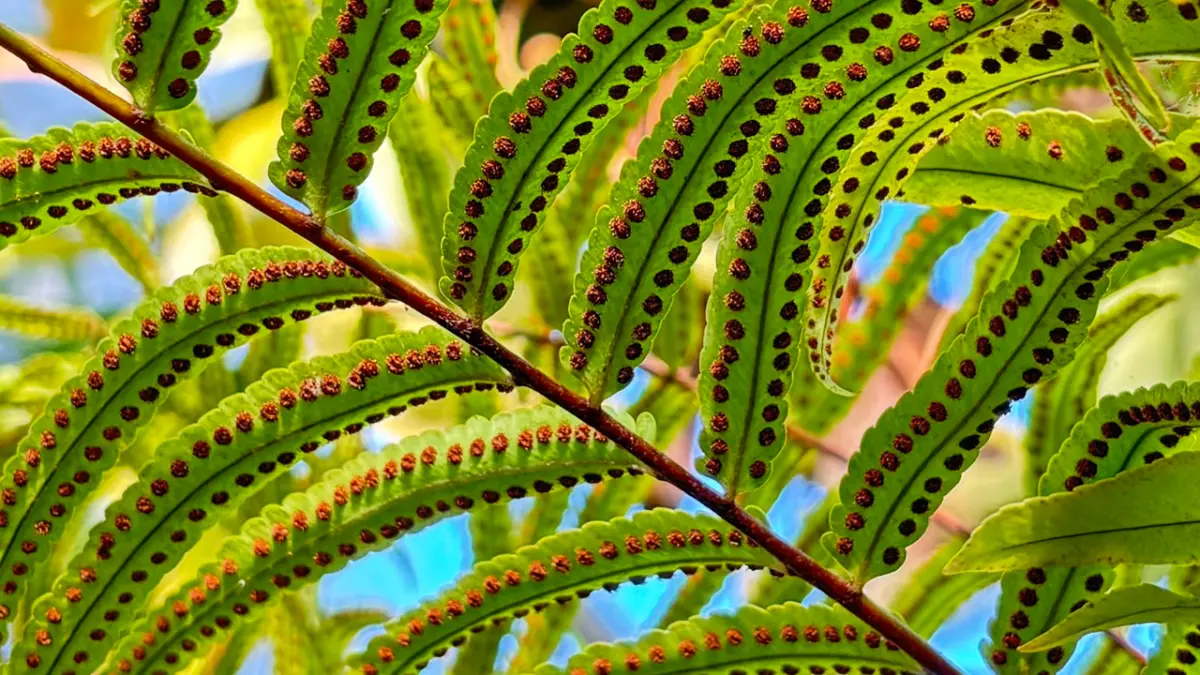
Ferns are ancient, non-flowering vascular plants that reproduce via spores rather than seeds. They belong to the division…
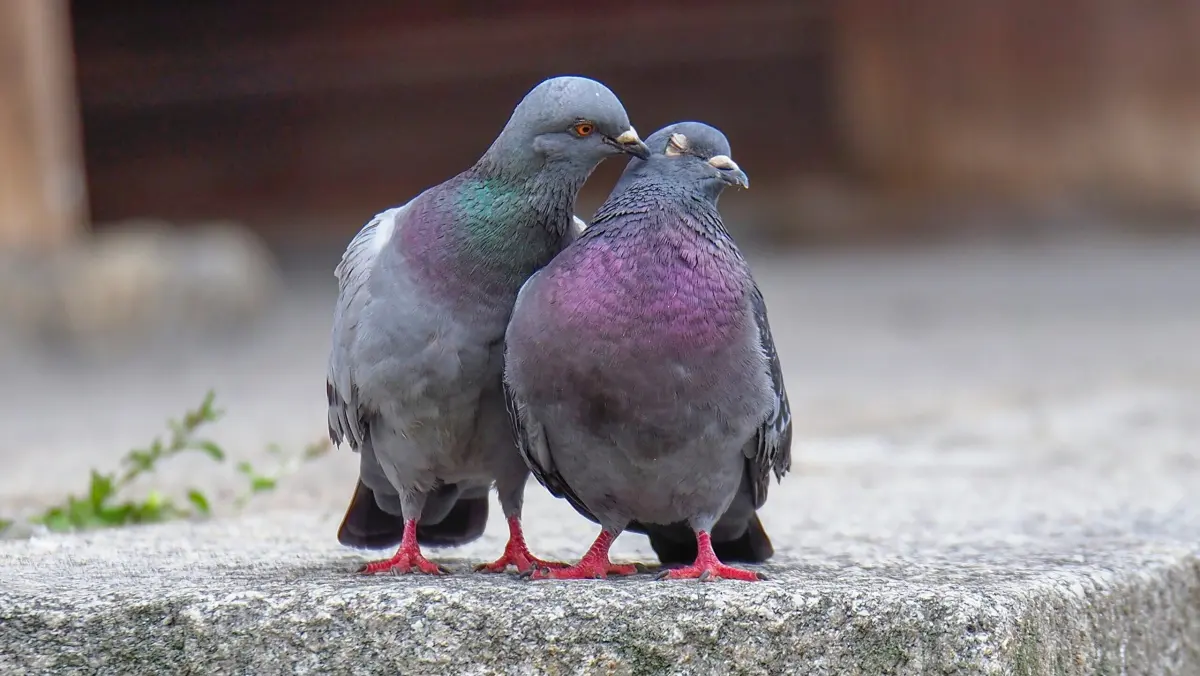
Pigeons, specifically the rock dove, live globally in diverse environments ranging from rugged sea cliffs to dense urban…

Gravity is a fundamental force of attraction that pulls objects with mass toward one another. It keeps planets in orbit around…

Cats typically have a litter size of four kittens, though the range usually spans from one to eight. Factors influencing this…
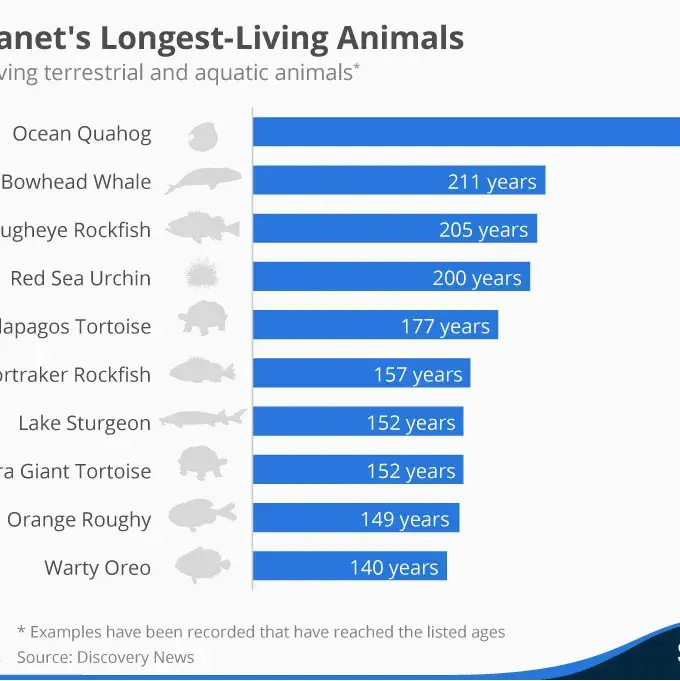
The immortal jellyfish, Turritopsis dohrnii, holds the title for the longest-living animal because it can biologically revert to…
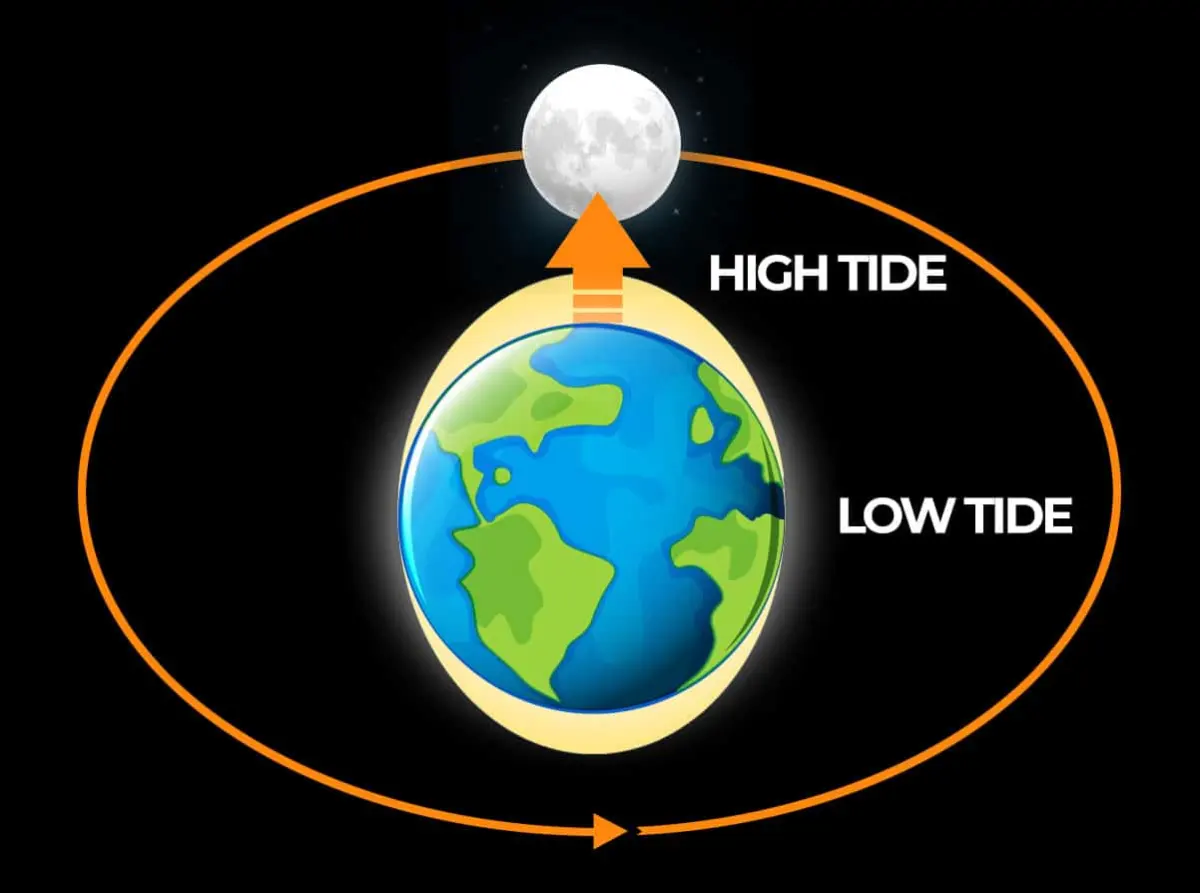
Tides are the periodic rise and fall of Earth’s ocean surfaces caused primarily by the gravitational pull of the Moon and the…
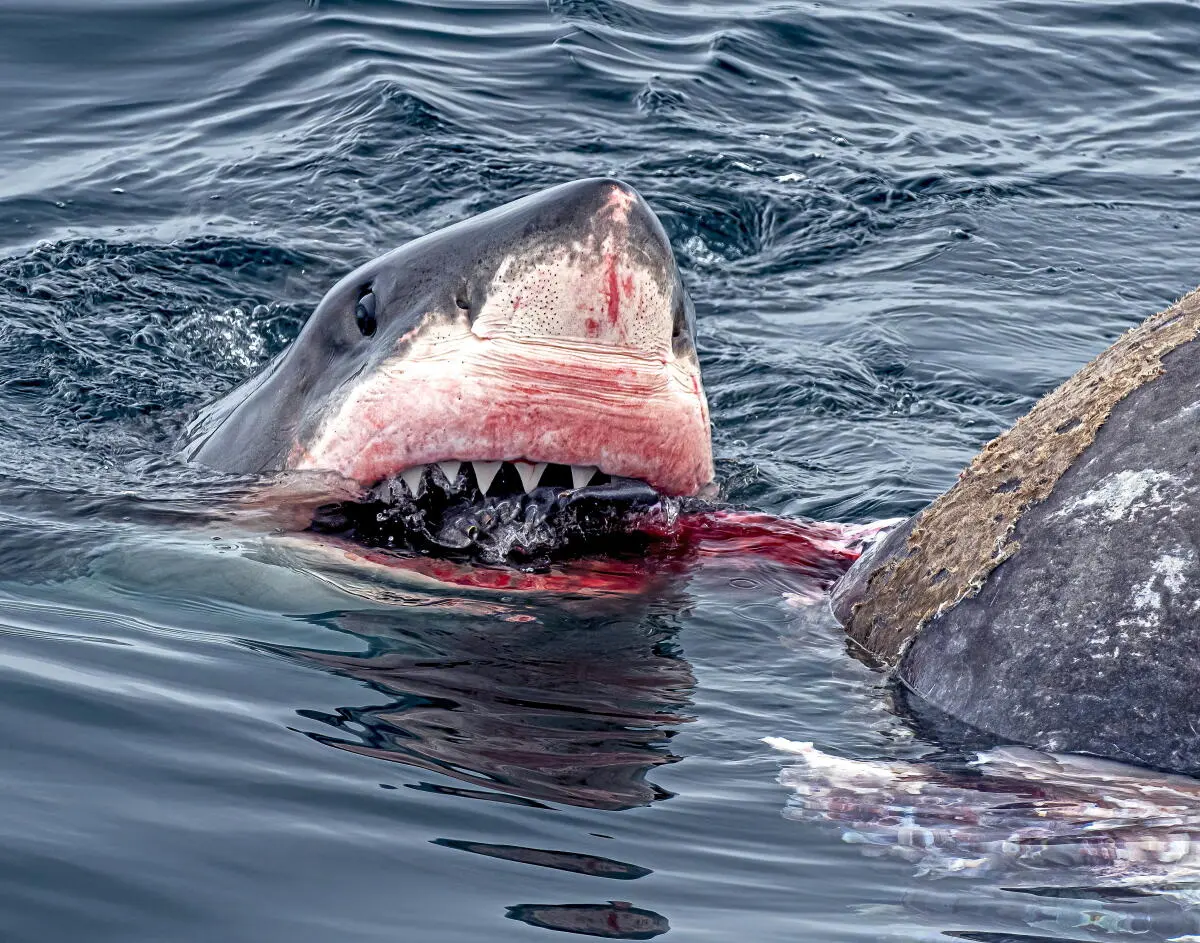
Great white sharks are apex predators that primarily consume marine mammals, fish, and cephalopods. Juveniles feed mostly on…
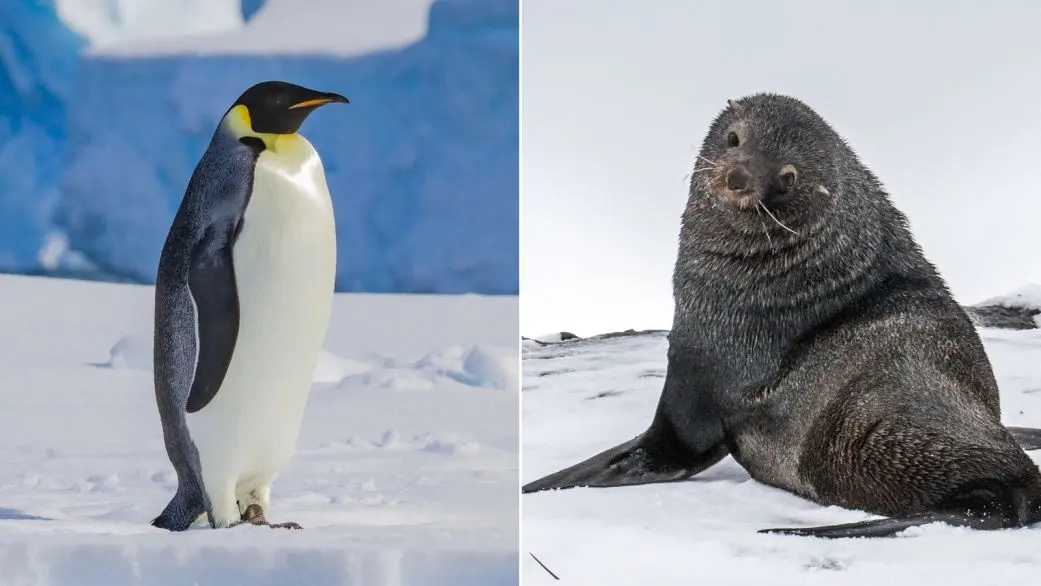
Penguins are not a single species, and their conservation status varies significantly. Of the 18 recognized species, most are…
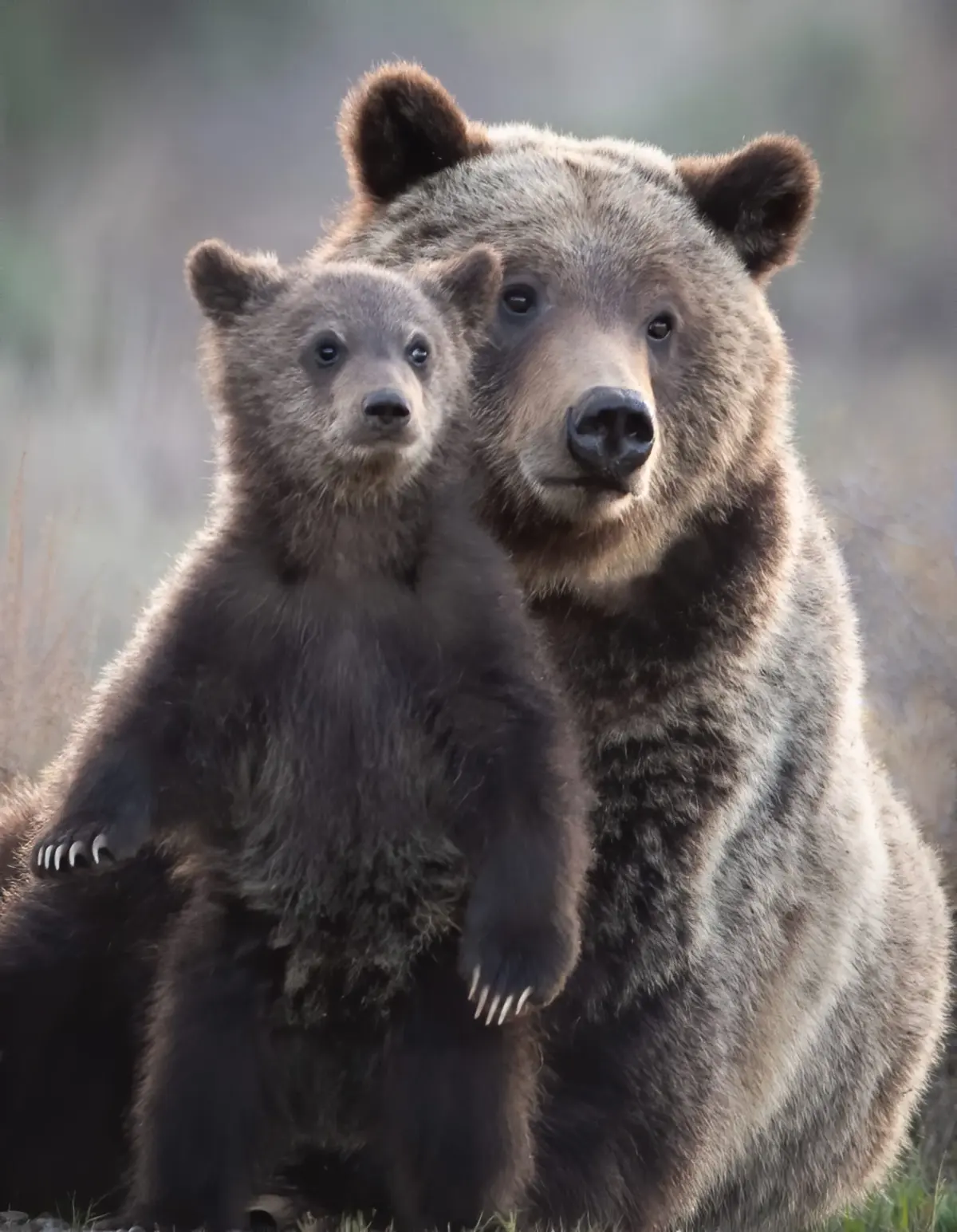
Bear sizes vary significantly by species and environment. The smallest, the sun bear, weighs around 60 to 150 pounds, while the…
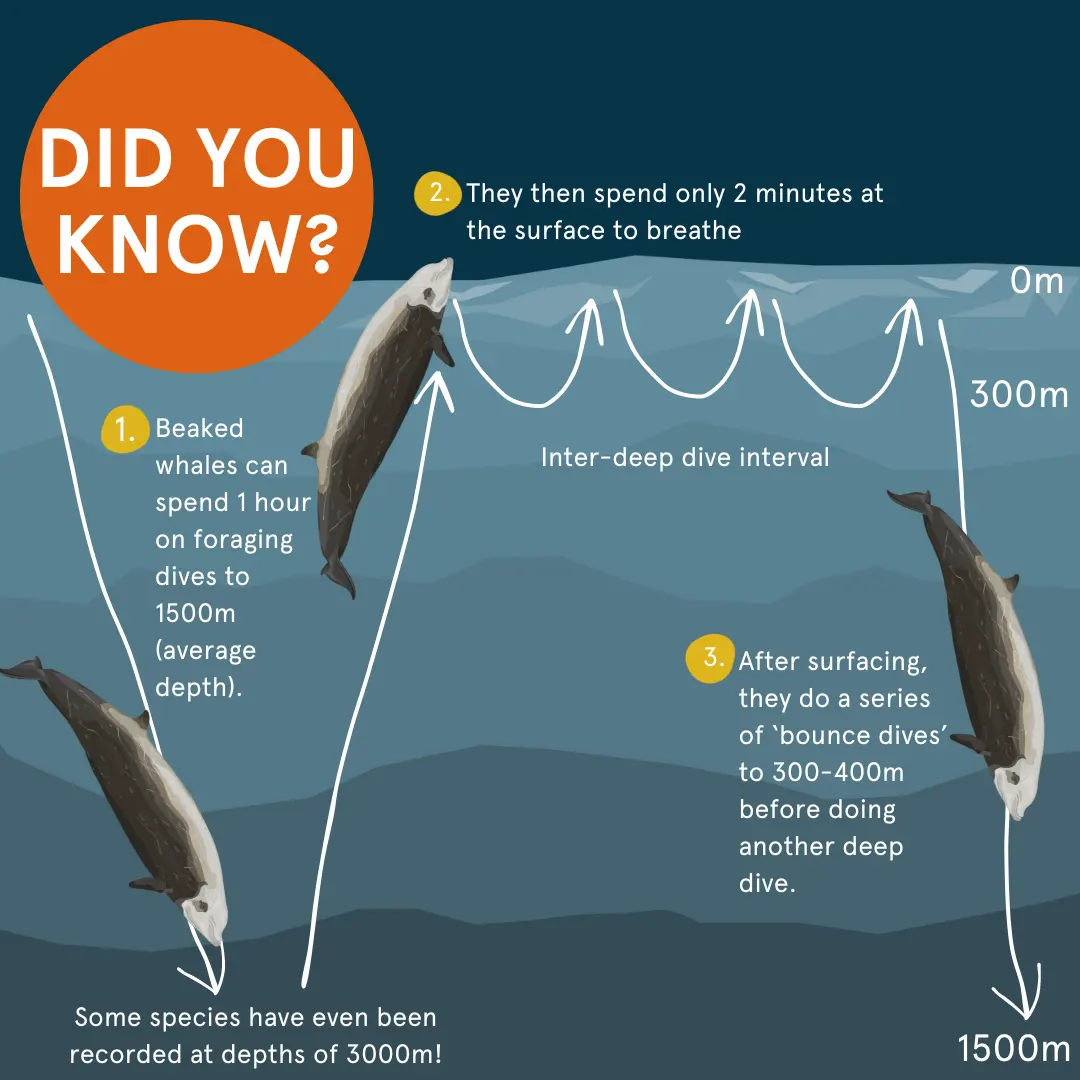
Whales exhibit a wide range of diving capabilities depending on their species. While smaller whales and dolphins typically stay…
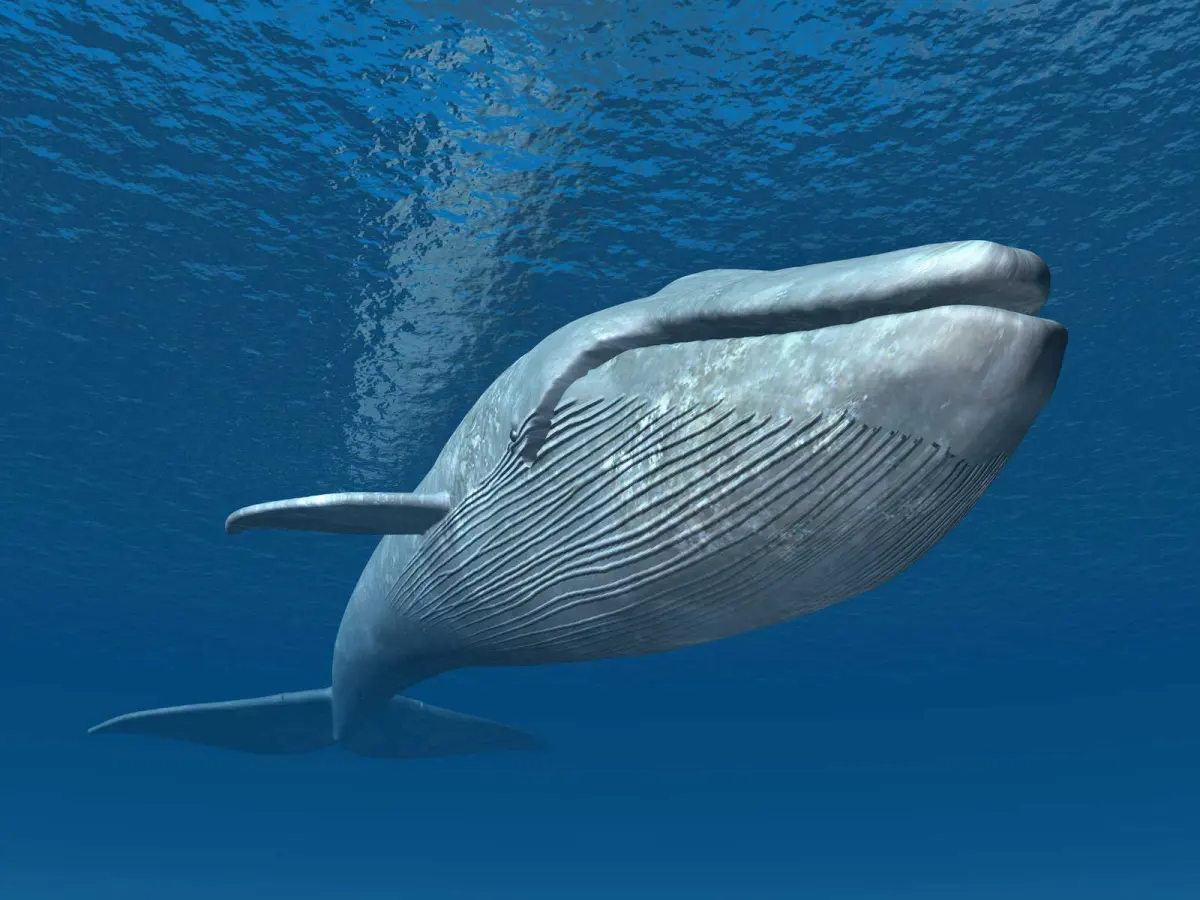
Blue whales typically live between 80 and 90 years in the wild. Scientists determine these ages by counting the growth layers…
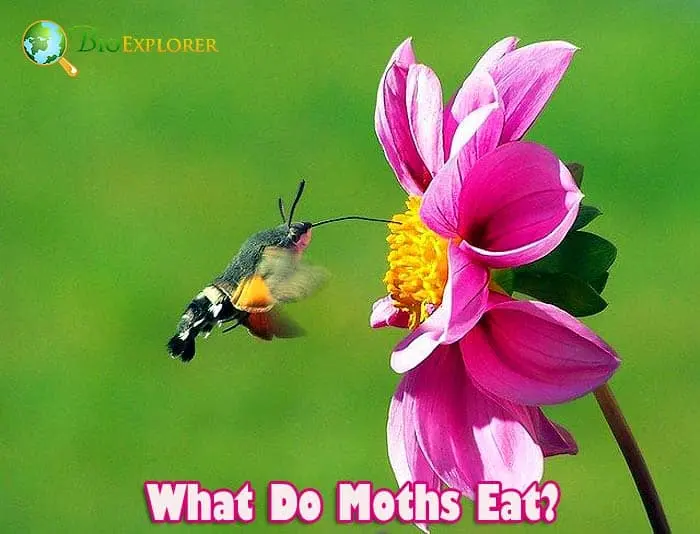
Adult moths primarily consume liquids, such as flower nectar, tree sap, and rotting fruit, to obtain essential sugars for…

Companion planting is the strategic placement of different crops near each other to enhance growth, improve flavor, or provide…

The speed of light in a vacuum is exactly 299,792,458 meters per second, or approximately 186,282 miles per second. This…

The average lifespan of an indoor domestic cat typically ranges from 12 to 18 years, though many live into their early twenties…
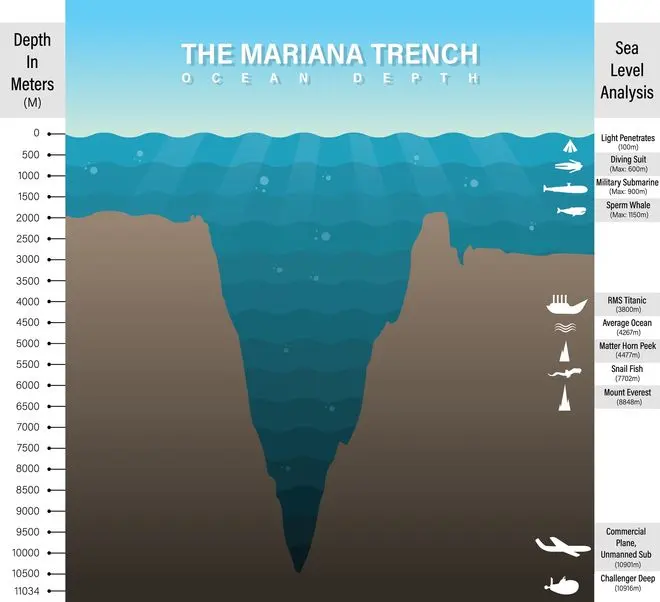
The Challenger Deep is the deepest known point in Earth’s oceans, located at the southern end of the Mariana Trench in the…

Trees shed their leaves primarily to survive harsh winter conditions. By dropping foliage, deciduous trees conserve water and…
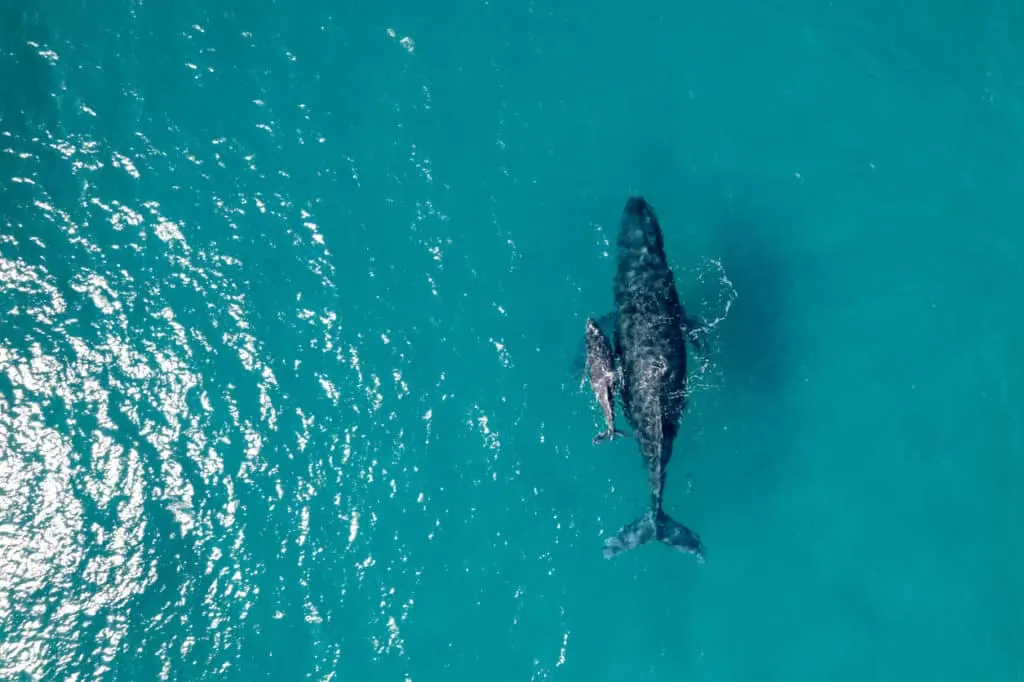
Oceans are vast, interconnected bodies of saltwater that cover the majority of Earth’s surface, while seas are smaller…
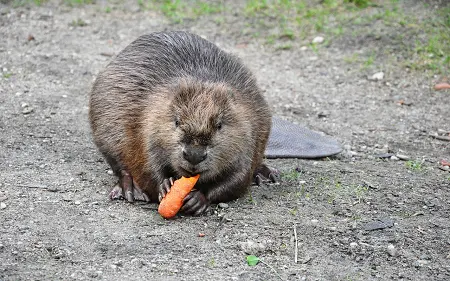
Beavers are strict herbivores that consume a diverse diet of woody and herbaceous plants. They primarily eat the inner bark…