What do great white sharks eat?
Short answer
Great white sharks are apex predators that primarily consume marine mammals, fish, and cephalopods. Juveniles feed mostly on smaller fish and rays, while adults transition to calorie-dense prey like seals and sea lions. Their diet is highly opportunistic, allowing them to scavenge whale carcasses and hunt diverse species across vast oceans.
On this page
What do great white sharks eat in the wild?
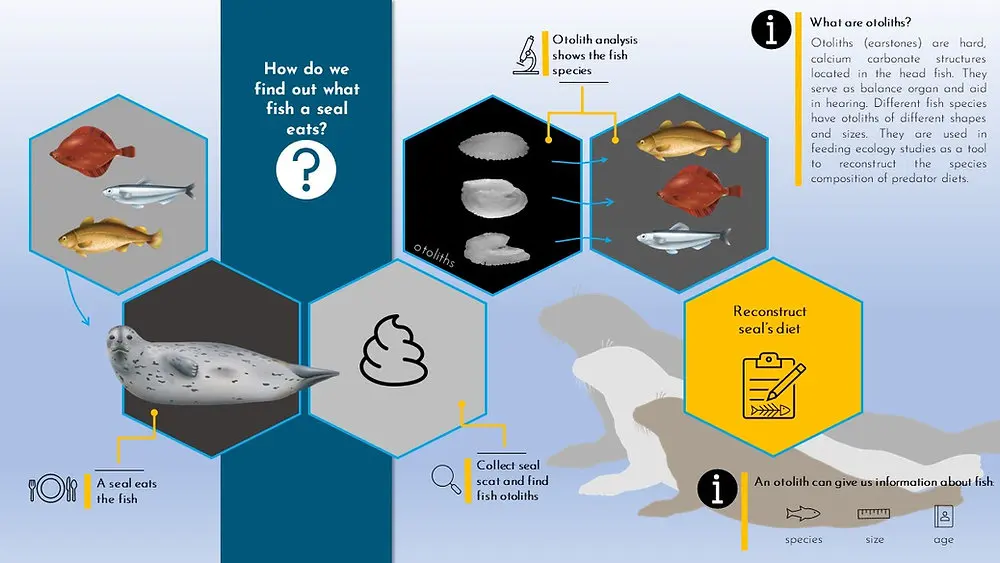
Great white sharks are carnivorous predators that adjust their diet based on their age, size, and geographic location. Younger sharks, typically under three meters in length, focus on smaller, easier-to-catch prey such as demersal fish, rays, and smaller shark species. This allows them to develop hunting skills without the physical strain of tackling larger, more dangerous marine mammals.
As these sharks mature, they shift their focus toward high-energy prey to fuel their massive bodies. Adult great whites prioritize marine mammals rich in blubber, which provides the necessary fat reserves for long-distance migration and thermoregulation. Their diet includes a wide variety of species, such as:
- Harbor seals
- California sea lions
- Northern elephant seals
- Dall's porpoises
- Various species of dolphins
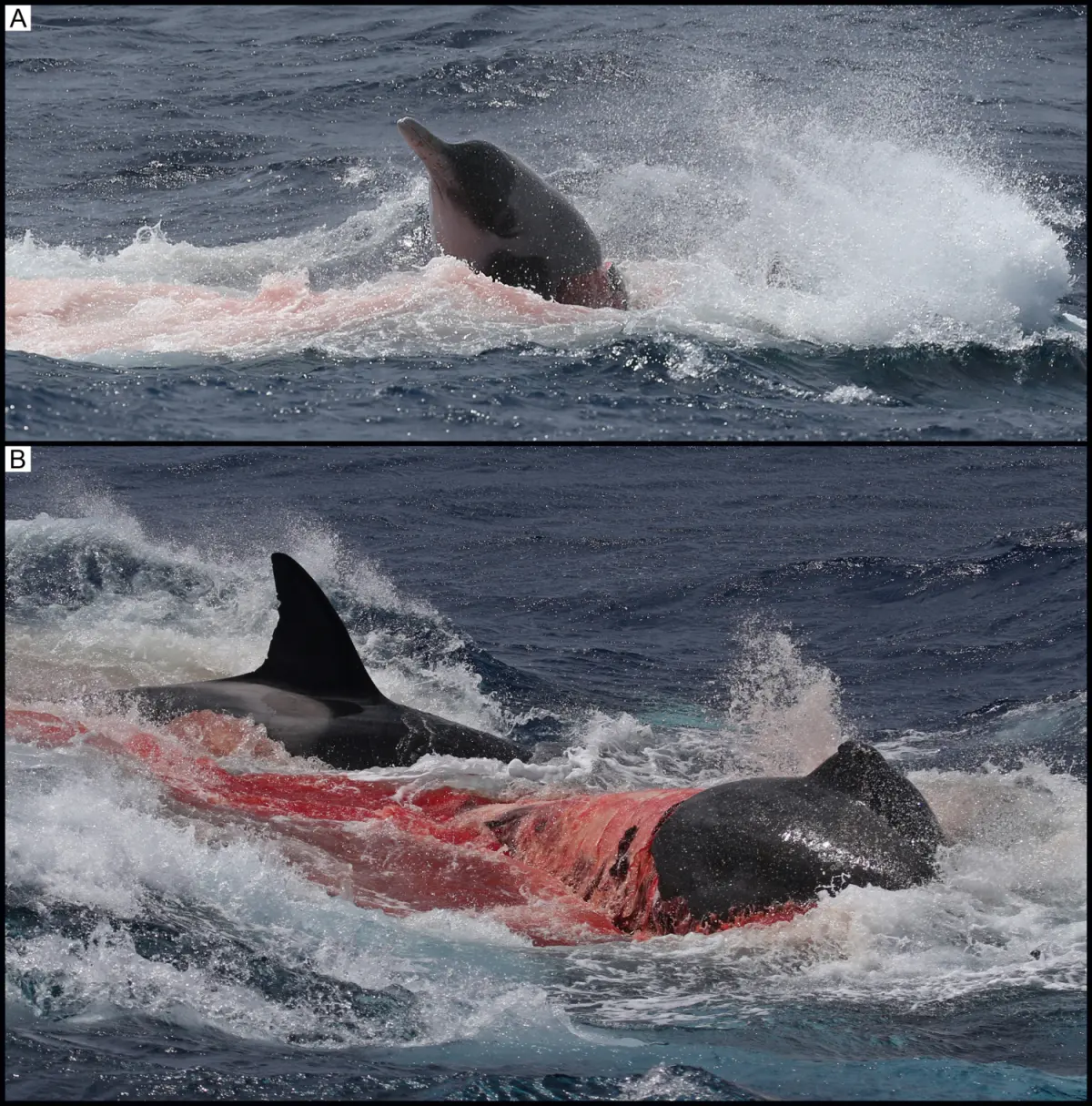
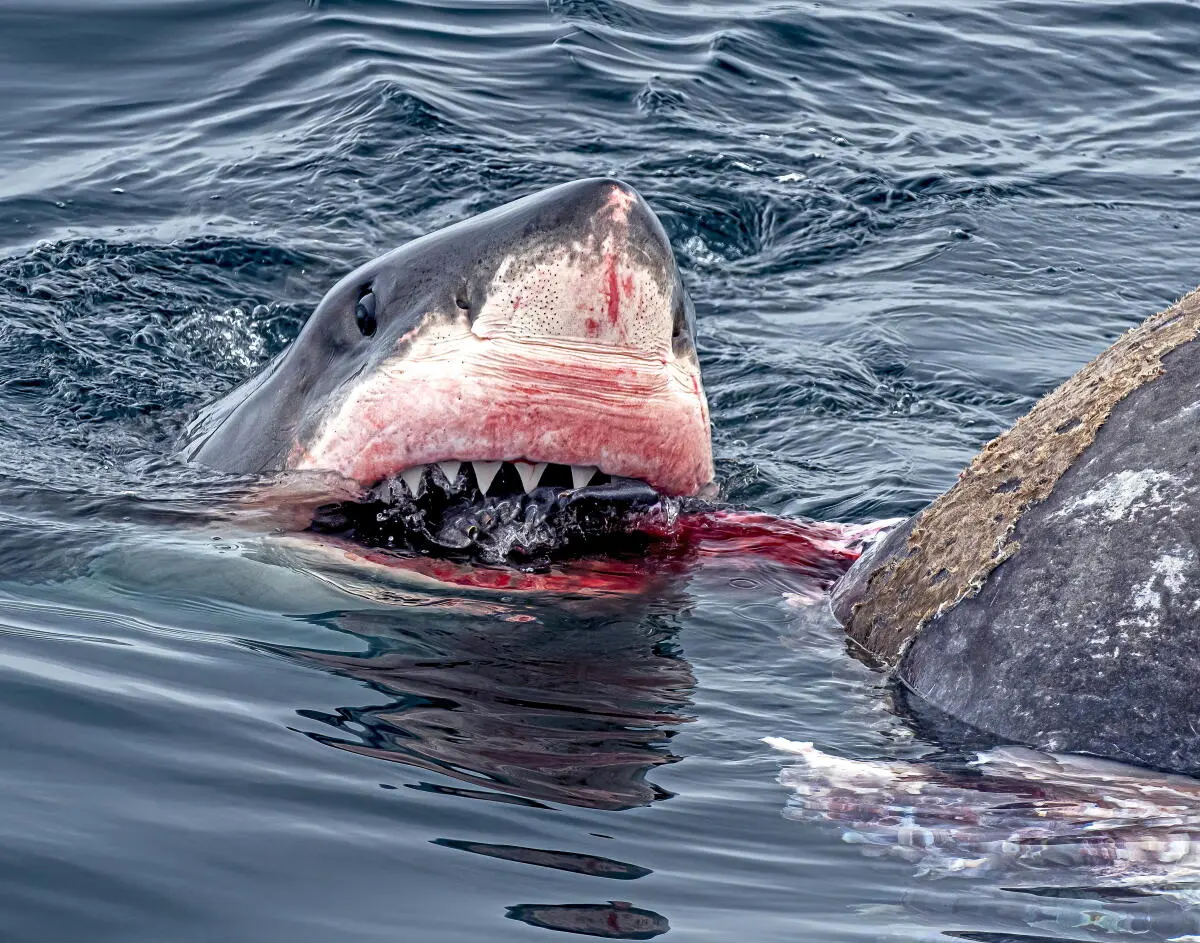
Beyond these primary targets, great whites are known as opportunistic feeders. They frequently scavenge on the floating carcasses of dead whales, which provide a massive, nutrient-dense feast that can sustain the shark for weeks. This behavior demonstrates their role as both active hunters and vital scavengers in the marine ecosystem.
How do great white sharks hunt their prey?
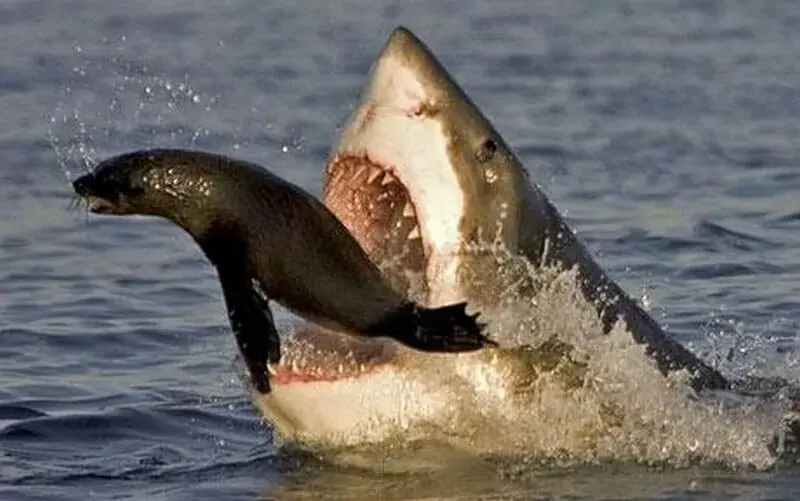
Great white sharks utilize a sophisticated "ambush" strategy to capture fast-moving prey. They often patrol the depths below their target, remaining obscured by the dark water before launching a high-speed vertical strike. By hitting the prey from underneath, the shark can deliver a forceful, disabling bite that prevents the animal from escaping.
The hunting process is highly calculated and relies on several sensory adaptations. Sharks use their keen sense of smell to detect blood or oils from miles away, while their electroreceptors, called the ampullae of Lorenzini, detect the faint electrical fields generated by muscle contractions in nearby prey. Once the target is identified, the shark follows these steps:
- Stealthy approach: The shark swims silently toward the prey, often using the sun's glare or kelp forests for cover.
- The initial strike: A powerful, explosive burst of speed allows the shark to inflict a massive, incapacitating wound.
- The "bite-and-spit" technique: The shark often releases its prey immediately after the first bite, waiting for the animal to succumb to blood loss before returning to feed.
This method minimizes the risk of injury to the shark, as it avoids prolonged struggles with large, defensive animals like adult sea lions.
Why do great white sharks sometimes attack humans?
Contrary to popular media portrayals, great white sharks do not hunt humans as a primary food source. Humans are not part of their natural diet, as our bodies lack the high fat content that these predators require for energy. Most documented attacks are considered "investigatory bites," where a shark mistakes a human for a seal or another marine mammal.
These mistakes often occur in murky water or near surface-level activities like surfing, where the silhouette of a board resembles a swimming seal. A shark may take a single test bite to determine if the object is edible before realizing it is not a preferred meal and retreating. Because of their immense size and bite force, even a single exploratory bite can be fatal to a human.
To minimize the risk of such encounters, experts suggest avoiding the following behaviors:
- Swimming during dawn or dusk, when sharks are most active.
- Entering the water near seal colonies or areas where fishing activity is high.
- Wearing high-contrast clothing or jewelry that might shimmer like fish scales.
What are common mistakes when studying shark diets?
One of the most frequent errors in understanding shark behavior is the assumption that they are indiscriminate "man-eaters" that consume anything in their path. This misconception often leads to unnecessary fear and poor conservation policies. In reality, great white sharks are highly selective and precise hunters that expend significant energy choosing their targets.
Another common mistake is failing to account for the seasonal dietary shifts caused by migration patterns. Researchers often observe sharks in one specific region and assume their diet remains constant throughout the year. However, as great whites travel across ocean basins, they adapt to the local prey availability. For instance, a shark that feeds heavily on elephant seals in the Pacific may switch to smaller fish or squid while crossing the open ocean.
Researchers also struggle with the challenge of gathering accurate data. Because these animals spend much of their time in deep, inaccessible waters, scientists often rely on stomach content analysis from stranded sharks or visual observations. These methods provide only a snapshot of the diet, which can lead to biased conclusions about what the species eats on a daily basis.
How does climate change affect shark feeding habits?
Shifting ocean temperatures are significantly altering the distribution of prey species, which in turn forces great white sharks to change their foraging grounds. As warmer waters cause fish and marine mammal populations to move toward the poles, sharks must travel further to find reliable food sources. This increased travel distance requires more energy, potentially impacting the health and reproductive success of the population.
The loss of habitat for seals and sea lions, due to rising sea levels and coastal erosion, also disrupts the hunting grounds that sharks have relied on for centuries. When prey populations decline or relocate, sharks may be forced to enter new areas, leading to increased interactions with human activities. Understanding these ecological shifts is essential for managing shark populations and ensuring the stability of marine food webs.
Conservationists are currently monitoring these trends to determine how best to protect both the sharks and the marine environments they inhabit. By protecting the health of the entire ecosystem, including the prey species that great whites depend on, we can ensure that these apex predators continue to play their crucial role in maintaining the balance of the world's oceans for future generations.
Key facts
- Great white sharks are apex predators that primarily consume marine mammals, including seals, sea lions, and dolphins.
- Juveniles under 3 meters long feed mostly on smaller fish, rays, and other shark species.
- Adults possess a powerful bite force capable of consuming large prey like elephant seals, which provide high-calorie blubber.
- These sharks utilize an ambush strategy, propelling themselves upward from the depths to strike prey at the surface.
- They are opportunistic scavengers and will readily feed on whale carcasses, often sharing the feast with other sharks.
- Avoid swimming in areas known for high seal activity or murky water, as sharks may mistake human silhouettes for prey.
The bottom line
The great white shark is a highly specialized predator that shifts its diet from small fish to calorie-dense marine mammals as it matures. By utilizing an ambush hunting style and opportunistic scavenging, these sharks maintain their role as apex regulators of ocean ecosystems. While they rarely target humans, understanding their feeding habits is essential for safely sharing the ocean with these magnificent and powerful creatures.
People also ask
Do great white sharks eat humans?
Great white sharks do not hunt humans as a primary food source. Most attacks are cases of mistaken identity, where the shark confuses a human for a seal or sea lion.
How often do great white sharks need to eat?
Because of their high metabolism and large body size, they do not need to eat daily. A single large meal, such as a seal, can provide enough energy to sustain them for several weeks.
How do they hunt in groups?
Great white sharks are generally solitary hunters rather than pack animals. While they may congregate around a whale carcass, they do not coordinate hunting efforts like wolves or orcas.
Can they eat underwater?
Yes, they consume prey underwater, but they often drag large mammals to the surface to immobilize them. This behavior helps them avoid injury from the defensive thrashing of their prey.
Do they have a preference for certain types of blubber?
They favor prey with high fat content, such as elephant seals and fur seals. The dense blubber provides the essential energy required to maintain their body temperature and support their active lifestyle.
How do their teeth change as they grow?
Younger sharks have narrower, needle-like teeth suitable for gripping slippery fish. As they mature, their teeth become broader and serrated, which is necessary for sawing through the thick skin and bone of larger prey.
This answer was created with the help of AI research tools and reference sources. Spotted an error? Let us know — we correct mistakes quickly. See our editorial policy.