Are leopards endangered?
Short answer
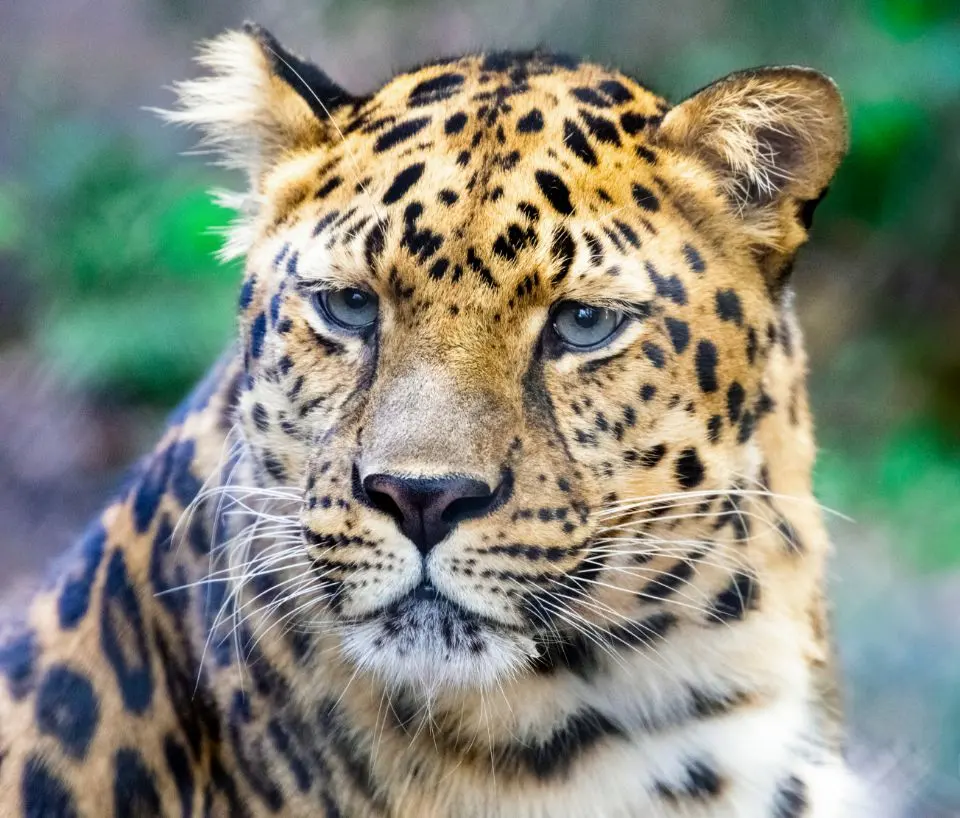
Leopards are officially classified as Vulnerable by the International Union for Conservation of Nature (IUCN). While they possess the largest range of any big cat, their populations are severely fragmented and declining across Africa and Asia. They face significant threats from habitat loss, human-wildlife conflict, and illegal poaching for their skins.
On this page
Why are leopards considered vulnerable?
The leopard (Panthera pardus) is listed as Vulnerable because its global population is shrinking due to a combination of habitat destruction and intense human pressure. Unlike lions or tigers, leopards are elusive, making precise population counts difficult to obtain. However, researchers estimate that the species has lost up to 75 percent of its historical range. This decline is largely driven by the conversion of wild landscapes into agricultural land, which forces leopards into smaller, isolated pockets of territory.
As these habitats shrink, leopards increasingly come into contact with human settlements. This proximity leads to retaliatory killings when leopards prey on livestock, as well as accidental deaths from snares set for other animals. Because they are solitary hunters, they require large home ranges to find sufficient food. When these ranges are broken up by roads or fences, the cats struggle to find mates, leading to reduced genetic diversity and lower reproductive success in isolated subpopulations.
How do leopards survive in the wild?
Leopards are among the most adaptable predators on the planet, capable of thriving in environments ranging from dense tropical rainforests to arid deserts and mountain ranges. Their survival strategy relies on being generalist predators, meaning they hunt a wide variety of prey, including rodents, birds, monkeys, and large ungulates like impala or deer. This dietary flexibility allows them to persist in areas where other large carnivores might starve.
Their physical adaptations are equally impressive, aiding their survival in diverse terrains:
- Retractable claws that provide excellent grip for climbing trees with heavy prey.
- A spotted coat pattern known as rosettes, which offers near-perfect camouflage in dappled light.
- A powerful muscular build that allows them to haul carcasses weighing more than their own body weight into high branches to protect them from scavengers like hyenas.
- Nocturnal hunting habits that help them avoid direct competition with larger predators during the day.
Where are leopards found today?
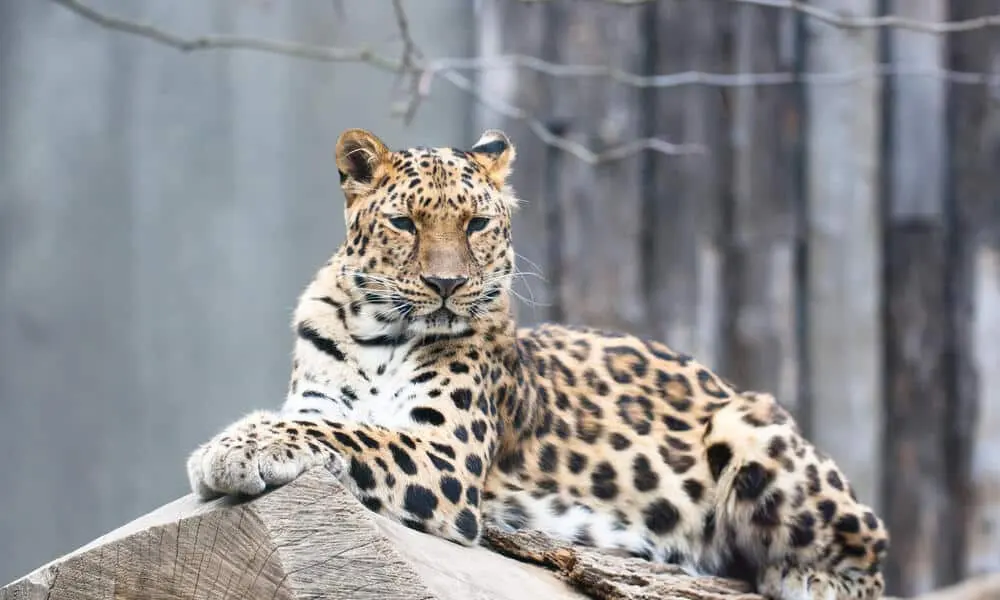
Leopards possess the most extensive distribution of all wild felids, spanning across much of sub-Saharan Africa and parts of Asia. However, this vast range is deceptive, as the populations within it are often disconnected. In Africa, they remain relatively widespread, though they have been eradicated from much of North Africa. In Asia, the situation is more critical, with several subspecies, such as the Amur leopard and the Arabian leopard, existing in critically small numbers.
The status of the species varies significantly by region:
- African Leopards: The most stable population, though still threatened by habitat fragmentation.
- Amur Leopards: Critically endangered, with fewer than 150 individuals remaining in the wild.
- Arabian Leopards: Highly endangered, with small, fragile groups surviving in mountainous regions of the Middle East.
- Indian Leopards: Facing extreme pressure from human expansion and rapid urbanization.
- Javan Leopards: Critically endangered, restricted to the shrinking forests of Java, Indonesia.
Common mistakes when protecting leopards
Conservation efforts often fail when they ignore the needs of the local human communities living alongside these cats. A common mistake is focusing solely on anti-poaching patrols while neglecting the economic reality of farmers who lose livestock to leopard attacks. When local people view the leopard only as a financial liability, they are far less likely to support conservation initiatives. Successful programs must provide tangible benefits to residents, such as livestock insurance or predator-proof enclosures.
Another error is the assumption that protected areas, such as national parks, are sufficient to save the species. Because leopards often wander outside park boundaries, they frequently enter unprotected agricultural zones where they are vulnerable to traps and poisoning. Conservationists must focus on creating "wildlife corridors" that connect protected areas, allowing cats to move safely between habitats. Without these corridors, even the best-managed parks become islands that cannot sustain healthy, genetically diverse populations over the long term.
What can be done to help leopards?
Supporting leopard conservation requires a multi-faceted approach that balances the needs of wildlife with the livelihoods of rural communities. The most effective way to help is by supporting reputable non-governmental organizations that work directly on the ground to mitigate human-wildlife conflict. These groups often facilitate the construction of "bomas," which are reinforced livestock enclosures that prevent leopards from entering, thereby reducing the incentive for farmers to kill them in retaliation.
You can contribute to these efforts by following these practical steps:
- Choose eco-tourism operators that prioritize ethical wildlife viewing and support local communities.
- Avoid purchasing products made from wildlife parts, which fuels the illegal trade.
- Support organizations that research leopard movements to better inform land-use planning.
- Spread awareness about the importance of apex predators in maintaining healthy, balanced ecosystems.
- Advocate for policies that protect natural corridors and limit unsustainable agricultural expansion in critical leopard habitats.
By addressing the root causes of conflict and habitat loss, it is possible to stabilize these populations and ensure that the leopard remains a part of the wild landscape for future generations to observe.
Key facts
- The International Union for Conservation of Nature (IUCN) classifies the leopard (Panthera pardus) as Vulnerable, not Endangered.
- Leopards occupy a vast range across Africa and parts of Asia, though their populations are highly fragmented.
- Habitat loss, prey depletion, and retaliatory killings by farmers remain the primary threats to their survival.
- Unlike other big cats, leopards are highly adaptable and can thrive in diverse environments, including suburban areas.
- Illegal trade in leopard skins and body parts for traditional medicine continues to impact specific subspecies.
- Conservationists focus on human-wildlife conflict mitigation, such as building predator-proof livestock enclosures, to protect the species.
The bottom line
While leopards are not currently classified as endangered, they face severe pressure from habitat fragmentation and human conflict. Their status as a vulnerable species highlights the need for continued monitoring and community-based conservation efforts. By protecting their prey base and securing livestock, local populations can coexist with these resilient cats. Supporting sustainable land management is the most effective way to ensure their long-term survival in the wild.
People also ask
How many leopards are left in the wild?
Precise global population numbers are difficult to determine due to the leopard's secretive nature and wide distribution. Current estimates suggest there are likely fewer than 250,000 individuals remaining across their entire range.
Are all leopard subspecies equally threatened?
No, the status varies significantly by region. For example, the Amur leopard is critically endangered with fewer than 100 individuals left, while populations in parts of sub-Saharan Africa remain relatively stable.
Why are leopards harder to track than lions or tigers?
Leopards are solitary, nocturnal, and masters of camouflage, making them extremely difficult to count. They often live in dense forests or rocky terrain where traditional aerial surveys are ineffective.
Do leopards pose a danger to humans?
While leopards generally avoid humans, they are opportunistic predators. Attacks can occur when a leopard is sick, injured, or habituated to human presence, though such incidents are statistically rare.
What is the biggest threat to leopard survival?
The loss of natural habitat and the decline of their primary prey species are the most significant threats. As humans expand agricultural land, leopards are forced into closer contact with people, leading to conflict.
Can leopards live in cities?
Yes, leopards have demonstrated remarkable adaptability by living on the fringes of major cities like Mumbai, India. They survive by hunting domestic animals and scavenging, though this often leads to increased human-leopard conflict.
This answer was created with the help of AI research tools and reference sources. Spotted an error? Let us know — we correct mistakes quickly. See our editorial policy.