How big do bighorn sheep get?
Short answer
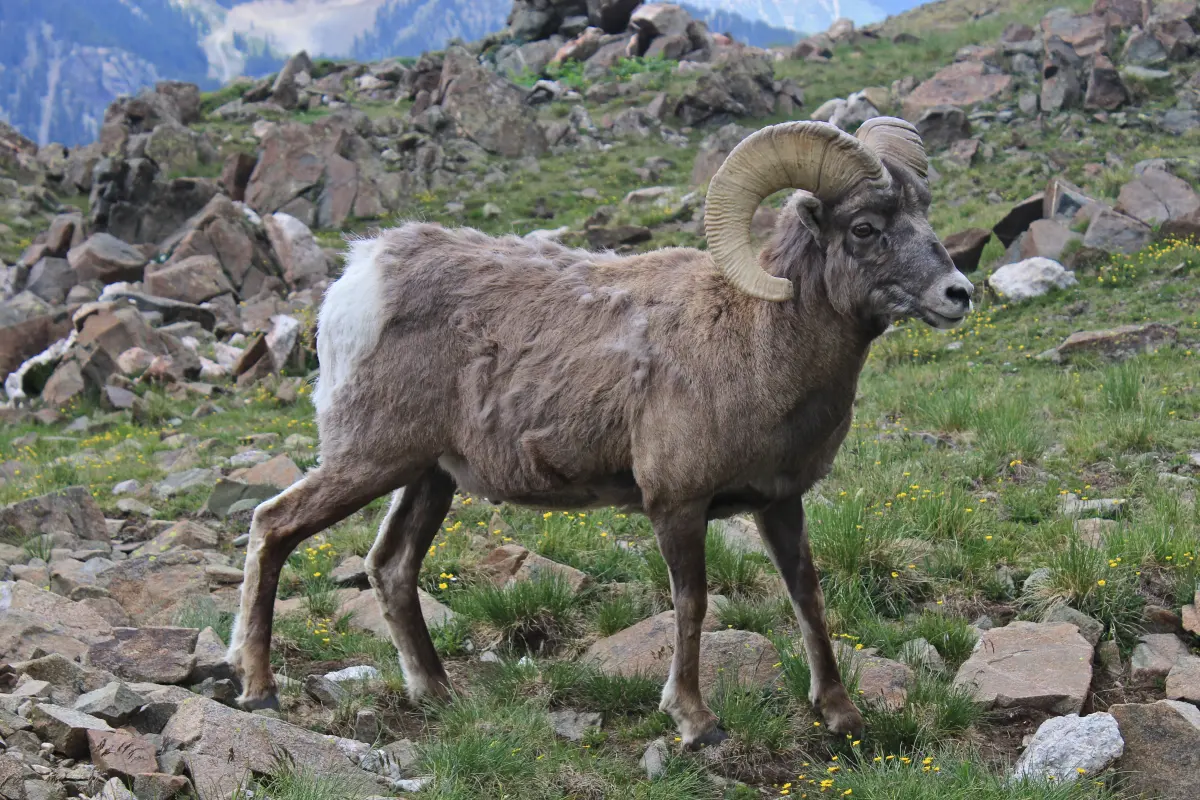
Bighorn sheep typically weigh between 115 and 300 pounds, with males significantly larger than females. Rams can reach heights of 40 inches at the shoulder and lengths of up to 6 feet. Their massive, curled horns are a defining physical trait, sometimes weighing as much as 30 pounds on fully mature rams.

On this page
How big do bighorn sheep get?
The physical dimensions of bighorn sheep vary significantly based on their sex and subspecies. Adult rams generally stand about 3 to 3.5 feet tall at the shoulder and measure between 5 and 6 feet in total length. Their body mass fluctuates throughout the year, peaking before the winter rut when males compete for breeding dominance.
Ewes are smaller and more slender than their male counterparts. A typical adult female weighs between 115 and 200 pounds, while a mature ram can weigh between 180 and 300 pounds. These differences in size are essential for their survival strategies, as the massive frame of the ram provides the necessary force for head-butting contests, while the lighter build of the ewe aids in agility on steep, rocky terrain.
Why do bighorn sheep horns grow so large?
The horns of a bighorn sheep are composed of a bony core covered by a sheath of keratin, the same material found in human fingernails. Unlike antlers, which are shed annually, these horns grow continuously throughout the animal's life. In dominant rams, these horns can reach a length of 30 to 40 inches along the curve.
The growth rate of these horns is influenced by environmental conditions, nutrition, and genetics. Biologists often use the size and shape of the horns to estimate the age of a ram, as the growth rings, or annuli, provide a record of each year’s development. The following factors contribute to the impressive size of these iconic appendages:
- Genetic predisposition for horn circumference and curvature.
- Access to high-quality forage during the spring and summer growing seasons.
- The absence of severe environmental stressors or prolonged drought.
- The social hierarchy, which allows successful breeders to reach older ages.
How do bighorn sheep survive in rugged terrain?
Bighorn sheep are uniquely adapted to the vertical landscapes of the American West. Their hooves feature a hard, sharp outer rim that acts like a climbing cleat, while the soft, spongy center provides traction on smooth rock surfaces. This specialized anatomy allows them to navigate cliffs that are virtually inaccessible to predators like mountain lions or wolves.
Their compact, muscular bodies are designed for explosive movement rather than long-distance endurance. Their heart and lungs are proportionally larger than those of other ungulates, allowing them to thrive at high altitudes where oxygen levels are lower. To observe these animals safely in their natural habitat, consider these steps:
- Use high-quality binoculars or a spotting scope to maintain a distance of at least 100 yards.
- Remain still and quiet to avoid triggering a flight response, which wastes their energy.
- Observe from a position below the herd, as they are most alert to movement coming from above.
- Avoid using flash photography, which can startle animals on precarious ledges.
Common mistakes when estimating bighorn size
A frequent error when viewing bighorn sheep is overestimating their size due to the visual impact of their massive horns. Because the horns are so prominent, observers often assume the animal is much heavier than it actually is. It is important to focus on the body mass and shoulder height rather than the headgear when making a size assessment.
Another common mistake is failing to account for seasonal weight loss. Bighorn sheep often lose a significant percentage of their body weight during the harsh winter months when food is scarce. If you see a ram in late winter or early spring, it may appear thinner and less robust than one observed during the late summer. Always remember that:
- Rams appear larger during the rut because of their aggressive posture and neck swelling.
- Ewes can appear larger if they are pregnant or nursing, due to fluid retention and posture.
- Lighting conditions and distance can distort the perceived scale of the animal against the landscape.
What are the different subspecies of bighorn sheep?
There are several recognized subspecies of bighorn sheep, each adapted to specific geographic regions. The Rocky Mountain bighorn is generally the largest, while the Desert bighorn is typically smaller and more heat-tolerant. These variations demonstrate how the species has evolved to maximize its size and efficiency within diverse ecosystems ranging from alpine meadows to arid canyons.
Understanding these subspecies helps researchers manage populations effectively. Smaller subspecies, such as the Peninsular bighorn, have evolved to survive on less water and lower-quality vegetation, which influences their overall growth potential. By studying these differences, conservationists can better protect the habitats required for these animals to reach their full physical potential. Regardless of the specific subspecies, the bighorn sheep remains a symbol of resilience and strength in the wild, perfectly suited to the demanding environments they call home.
Key facts
- Adult rams typically weigh between 160 and 300 pounds, while ewes are smaller, generally weighing 115 to 200 pounds.
- Mature rams stand about 3 to 3.5 feet tall at the shoulder, with a body length ranging from 4.5 to 6 feet.
- The massive, curled horns of a ram can weigh up to 30 pounds, which is sometimes more than the weight of all the bones in the animal's skeleton.
- Bighorn sheep possess a specialized skull structure with double-layered bone and internal struts to absorb the shock of head-to-head combat.
- When estimating size in the field, avoid focusing solely on horn length; look at the animal's body mass and neck thickness to gauge maturity.
- A common mistake is underestimating the agility of these animals, as they can maintain their balance on ledges less than two inches wide despite their heavy build.
The bottom line
Bighorn sheep are impressive mountain ungulates characterized by their remarkable physical resilience and distinct sexual dimorphism. While rams are significantly larger and carry heavy, curled horns for combat, both sexes are built for navigating rugged, steep terrain. Understanding their size and behavior is essential for wildlife enthusiasts, as respecting their space and observing from a distance ensures these iconic animals remain undisturbed in their natural habitat.
People also ask
How do bighorn sheep use their horns?
Rams use their horns primarily for dominance displays and physical combat during the mating season, known as the rut. These clashes involve rams charging at each other at speeds up to 20 miles per hour to establish social hierarchy.
What is the difference between a bighorn sheep and a mountain goat?
Bighorn sheep are stockier, have brown coats, and feature curved horns, whereas mountain goats are white with thin, straight, black spikes. Mountain goats also have a distinct beard and are generally better adapted to extreme vertical cliff faces.
Do female bighorn sheep grow horns?
Yes, ewes grow horns, but they are significantly smaller and less curved than those of the rams. Their horns are typically short, slender spikes that rarely curl into a full circle.
How long do bighorn sheep live in the wild?
Bighorn sheep typically live between 10 and 15 years in the wild. Their lifespan is often limited by predation, disease, and the physical toll of living in harsh, high-altitude environments.
What do bighorn sheep eat to maintain their size?
They are herbivores that graze on a variety of grasses, sedges, and forbs. During the winter, they shift their diet to include woody shrubs and mountain mahogany to survive when snow covers the ground.
Are bighorn sheep dangerous to humans?
They are generally shy and avoid human contact, but they can become aggressive if cornered or during the rut. It is important to maintain a distance of at least 25 yards to ensure the safety of both the observer and the animal.
This answer was created with the help of AI research tools and reference sources. Spotted an error? Let us know — we correct mistakes quickly. See our editorial policy.