How big do dragonflies get?
Short answer
Dragonflies vary significantly in size, ranging from small species with wingspans of about 0.8 inches (20 millimeters) to massive varieties reaching 7.5 inches (190 millimeters). While most common species measure between 2 and 4 inches, the world's largest dragonflies are found in tropical regions, dwarfing the typical garden-variety insects found in temperate climates.
On this page
How big do dragonflies get in nature?
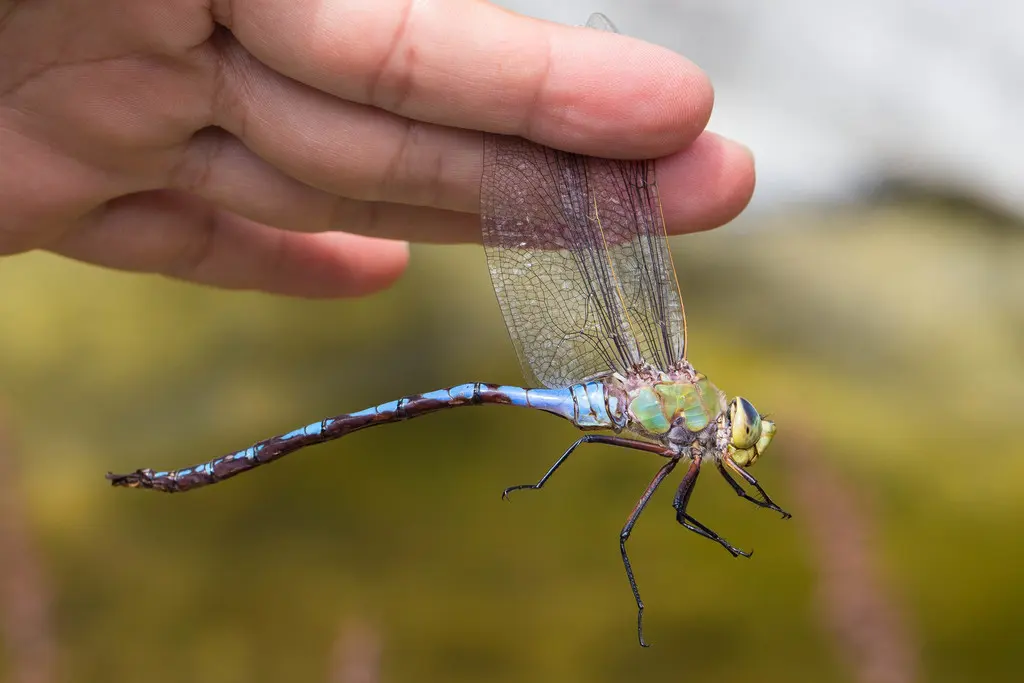
The size of a dragonfly is primarily determined by its species and its native habitat. While many people are familiar with the common skimmers found in North American backyards, which typically boast a wingspan of 2 to 3 inches, the taxonomic diversity of the order Odonata is vast. The smallest dragonflies, such as those in the Nannophya genus, are barely larger than a common housefly. Conversely, the giants of the insect world, such as the Giant Petaltail (Petalura ingentissima) of Australia, can reach wingspans of up to 6.3 inches.
These physical dimensions are constrained by the insect's respiratory system and the mechanics of flight. Because dragonflies rely on diffusion to transport oxygen through their spiracles, their body size is limited by the concentration of oxygen in the atmosphere. Throughout evolutionary history, larger dragonflies existed during periods with higher oxygen levels, but today’s specimens remain within a specific size range to maintain their renowned agility and predatory efficiency in the air.
How to identify large dragonfly species
Identifying large dragonflies requires close observation of both wingspan and body length. When observing these insects in the wild, look for specific physical markers that distinguish the larger species from their smaller counterparts. Size is often the most immediate indicator, but wing patterns and coloration also provide essential clues for amateur entomologists attempting to categorize the specimens they encounter.
- Measure the wingspan by observing the insect while it is perched, comparing it to known plant structures like leaves or stems.
- Note the length of the abdomen, which often accounts for a significant portion of the total body size in larger species.
- Observe the wing venation patterns, as larger dragonflies often possess more complex, reinforced structures to support their mass.
- Check the coloration of the thorax and eyes, as these features are often more pronounced and distinct in larger, mature adults.
Avoid assuming that all large dragonflies are the same species, as many different families, such as Aeshnidae (darners) and Petaluridae (petaltails), produce large individuals. Relying solely on size can lead to misidentification, so always consider the habitat and time of year as supplementary data points.
Why do some dragonflies grow larger than others?
The growth of a dragonfly is influenced by the abundance of food sources during its aquatic larval stage. Before reaching adulthood, dragonflies spend months or even years as nymphs living underwater. In environments where prey, such as mosquito larvae, tadpoles, or small fish, is plentiful, the nymph can consume more nutrients, leading to a larger final adult size. This developmental period is critical for determining the insect's maximum potential dimensions.
Temperature also plays a significant role in the growth cycle. Warmer water temperatures can accelerate the metabolism of the nymph, potentially leading to faster development, though this does not always correlate with larger size. Instead, the combination of high-quality nutrition and stable environmental conditions during the nymphal phase provides the necessary energy reserves for the final molt. Once the dragonfly emerges from its shell and undergoes metamorphosis, its size is fixed for the remainder of its life.
Common mistakes when measuring dragonflies
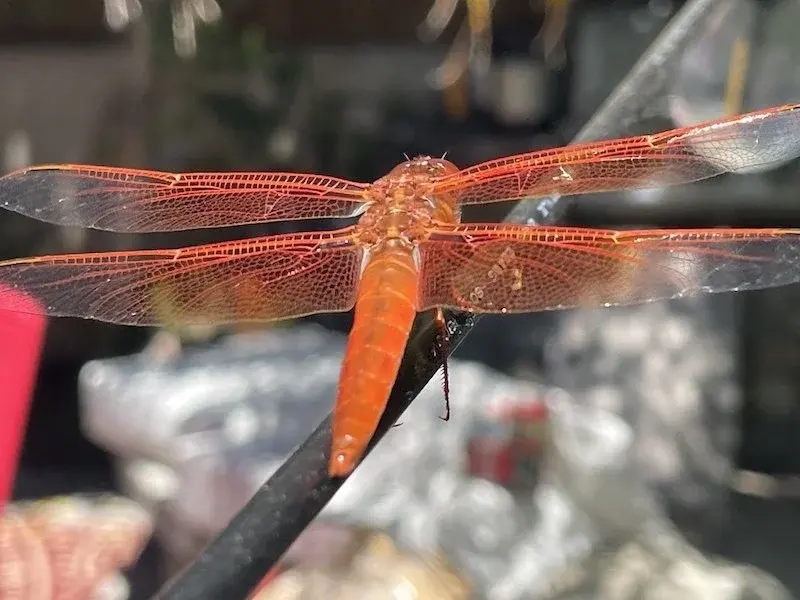
One frequent error is attempting to measure a dragonfly while it is in flight. Because these insects are masters of aerial maneuverability, tracking their exact dimensions mid-air is nearly impossible and often leads to significant overestimation. Furthermore, observers often confuse dragonflies with damselflies, which are generally much smaller and more slender. Damselflies hold their wings together over their backs when at rest, whereas dragonflies keep their wings spread open, a clear visual distinction that helps prevent size-related confusion.
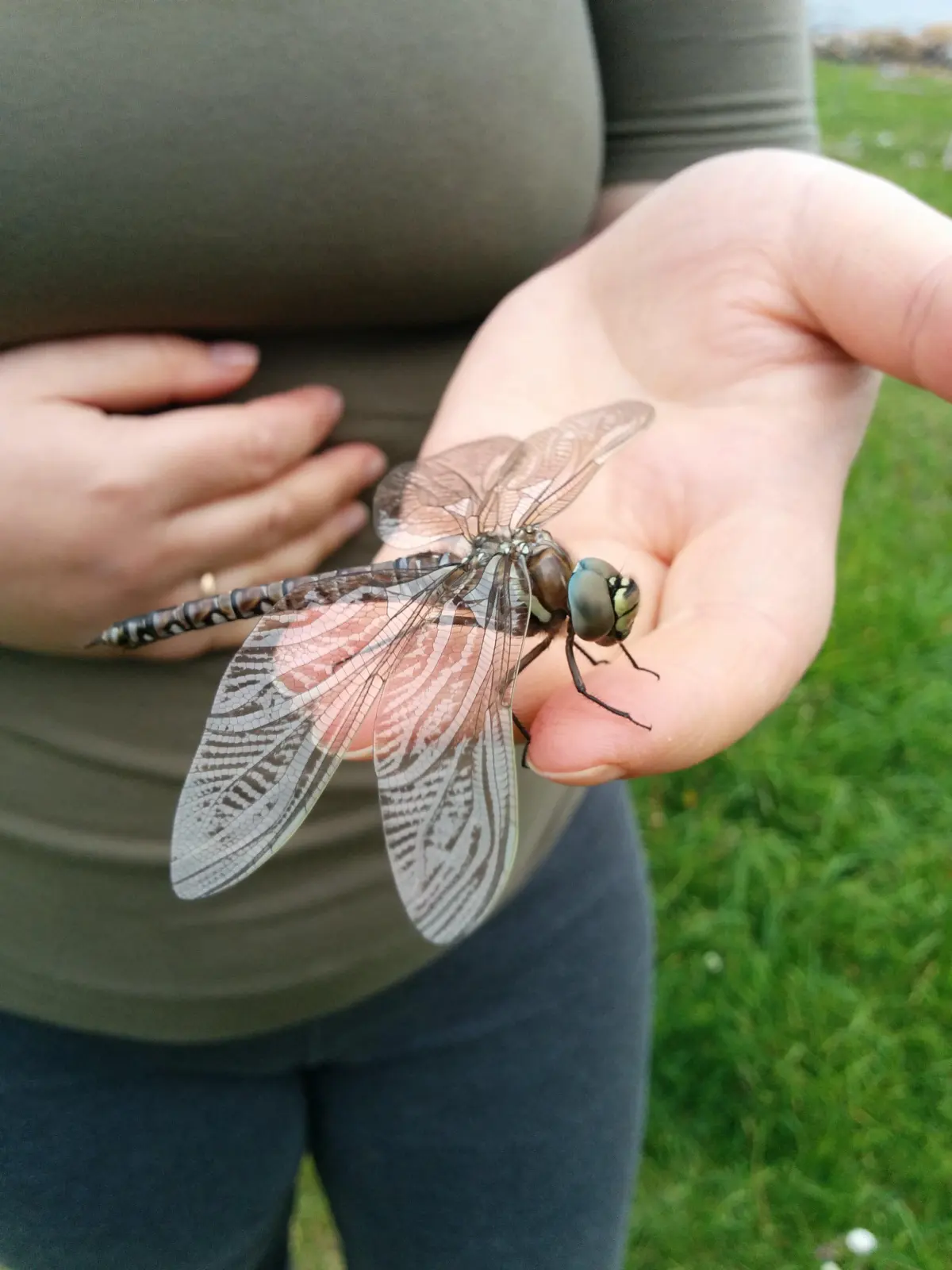
Another common mistake is failing to account for the perspective of the observer. A dragonfly perched on a thin twig may appear much larger than one perched on a thick branch due to the relative scale of the background. To get an accurate sense of size, try to photograph the insect next to a static object of known dimensions, such as a coin or a ruler, if the insect is stationary. Never attempt to capture or handle a wild dragonfly to measure it, as this can damage their delicate, transparent wings and interfere with their ability to hunt and survive.
Best ways to observe dragonflies safely
Observing dragonflies is a rewarding hobby that requires patience and a gentle approach. To get a good look at the size of these insects, visit wetlands, ponds, or slow-moving streams during the mid-morning or late afternoon when they are most active. Wear neutral-colored clothing to avoid startling them, and move slowly to allow the insects to become accustomed to your presence. Using binoculars is an excellent way to study their features from a distance without disturbing their hunting behavior.
- Use binoculars with a close-focus capability to see fine details without getting too close.
- Stay still near the water's edge and allow the dragonflies to come to you.
- Visit during the peak season, which usually occurs from late spring through early autumn.
- Record your observations in a journal, noting the date, location, and estimated size to track trends over time.
By following these practices, you can enjoy the beauty of these insects while respecting their natural behaviors. Remember that these predators are vital to the ecosystem, helping to control populations of pests like mosquitoes and flies, making them valuable neighbors in any environment.
Key facts
- The largest living dragonfly is the giant hawker (Anax strenuus), which reaches wingspans of up to 7.5 inches (19 centimeters).
- Most common dragonfly species found in North America have wingspans ranging between 2 and 5 inches.
- Prehistoric dragonflies, such as the Meganeura, were much larger, with wingspans reaching up to 28 inches (70 centimeters) about 300 million years ago.
- When identifying a dragonfly, measure from the tip of one wing to the tip of the other while the wings are spread flat.
- Avoid mistaking damselflies for dragonflies; damselflies are generally smaller, more slender, and fold their wings along their bodies when resting.
- To observe dragonflies closely, stand near water sources on sunny, calm days when their activity levels are highest.
The bottom line
While modern dragonflies are impressive insects with wingspans reaching up to 7.5 inches, they are significantly smaller than their massive prehistoric ancestors. Today, these agile aerial predators serve as essential components of wetland ecosystems. By controlling mosquito populations and acting as indicators of water quality, dragonflies provide immense ecological value. Observing these fascinating creatures requires only a sunny day near a pond or slow-moving stream.
People also ask
Do dragonflies bite or sting humans?
Dragonflies do not have stingers and are generally harmless to humans. While they possess strong mandibles for catching prey, they rarely bite unless handled roughly, and their bite is not medically significant.
How long do dragonflies live?
Most of a dragonfly's life is spent in an aquatic nymph stage, which can last from several months to five years depending on the species. Once they emerge as adults, they typically live for only a few weeks to a few months.
Read the full answer →What do dragonflies eat?
Dragonflies are voracious predators that feed on other flying insects. Their diet primarily consists of mosquitoes, flies, gnats, and sometimes even smaller dragonflies.
Why do dragonflies congregate near water?
Dragonflies require water to complete their life cycle, as they lay their eggs in or near aquatic environments. The nymphs live underwater, and the adults remain close by to hunt and find mates.
Are dragonflies beneficial to have in a garden?
Yes, they are highly beneficial because they act as natural pest control. A single dragonfly can consume hundreds of mosquitoes and other nuisance insects every day.
How can I tell the difference between a dragonfly and a damselfly?
Dragonflies are usually larger and hold their wings out horizontally when at rest. Damselflies are smaller and more delicate, typically folding their wings vertically over their backs when they land.
This answer was created with the help of AI research tools and reference sources. Spotted an error? Let us know — we correct mistakes quickly. See our editorial policy.