Who invented the sandwich?
Short answer
John Montagu, the 4th Earl of Sandwich, is credited with inventing the sandwich in 1762. While he did not invent the concept of bread and filling, he popularized the practice of eating meat between two slices of bread. This allowed him to continue gambling or working without leaving the table.
On this page
Who was the Earl of Sandwich?
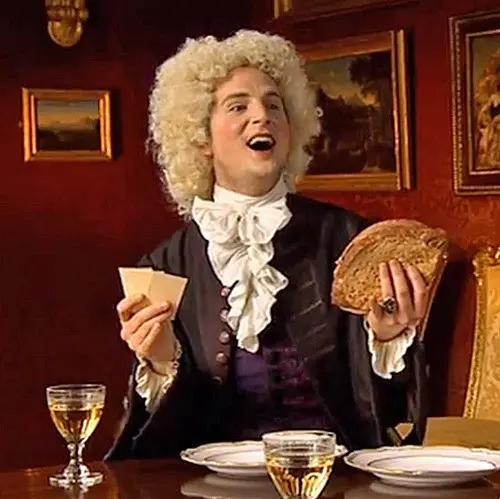
John Montagu, the 4th Earl of Sandwich, was an 18th-century British statesman who served as the First Lord of the Admiralty. A prominent figure in London’s aristocratic circles, he was known for his long hours at the card table. Historical accounts suggest that during a particularly intense marathon of gambling, Montagu requested his cook to serve him salt beef between two pieces of toasted bread. This allowed him to eat with one hand while keeping his cards clean with the other.
His peers quickly took note of his convenient meal, reportedly ordering "the same as Sandwich" at local clubs. While the Earl is the namesake of the dish, he lived in a time of significant culinary evolution. The practice of using bread as a vessel for food dates back to antiquity, but it was Montagu’s social influence that solidified the name in the English language. He transformed a simple, utilitarian snack into a cultural phenomenon that remains a staple of global cuisine today.
Did people eat sandwiches before 1762?
Humans have consumed food wrapped in or placed upon bread for millennia. Ancient civilizations, including the Sumerians and the Bedouins, utilized flatbreads as edible plates or wraps for various meats and vegetables. In the Middle Ages, Europeans used thick, stale slabs of bread called "trenchers" as plates. After the meal, these soaked, gravy-laden trenchers were often fed to the poor or to dogs, representing an early, albeit indirect, form of the sandwich.
The transition from the trencher to the modern sandwich involved several key historical shifts:
- The Hillel sandwich: Ancient Jewish sage Hillel the Elder is said to have placed lamb and bitter herbs between two pieces of matzah during Passover.
- Dutch "belegde broodje": In the 17th century, Dutch taverns served thin slices of salted beef hanging from the rafters, which were then placed on bread.
- British pub culture: The 18th-century English working class often ate bread and cheese as a portable, efficient meal while working in fields or factories.
How to assemble the perfect sandwich
Building a great sandwich requires balancing textures, flavors, and structural integrity. The foundation is always the bread, which must be sturdy enough to hold the ingredients without crumbling or becoming soggy. To achieve a professional result at home, follow these essential steps for assembly:
- Select a high-quality bread, such as sourdough or a crusty baguette, and slice it to an appropriate thickness.
- Apply a thin layer of fat, such as butter or mayonnaise, to the interior faces of the bread to create a moisture barrier.
- Layer your proteins and cheeses, ensuring they are evenly distributed to avoid uneven bites.
- Add crisp vegetables like lettuce or onions last to maintain their crunch against the bread.
- Season the ingredients with salt, pepper, or herbs before closing the sandwich to enhance the overall flavor profile.
Common mistakes when making sandwiches
Many home cooks struggle with sandwiches that fall apart or lack depth. The most frequent error is neglecting the moisture barrier, which leads to "soggy bread syndrome." If you place wet ingredients like tomatoes or pickles directly against the bread, the liquid will soak into the crust within minutes. Always pat your vegetables dry with a paper towel before adding them to the assembly, and use condiments strategically to seal the bread surface.
Another common mistake is overloading the sandwich with too many competing flavors. A successful sandwich generally relies on a balance of savory, acidic, and creamy elements. If you use a strong cheese, pair it with a mild meat to ensure neither ingredient overwhelms the palate. Additionally, avoid cutting the sandwich too early if you are using warm ingredients, as the steam can soften the bread. Allowing the components to settle for a minute before slicing ensures a cleaner presentation and a much better eating experience.
Why the sandwich became a global obsession
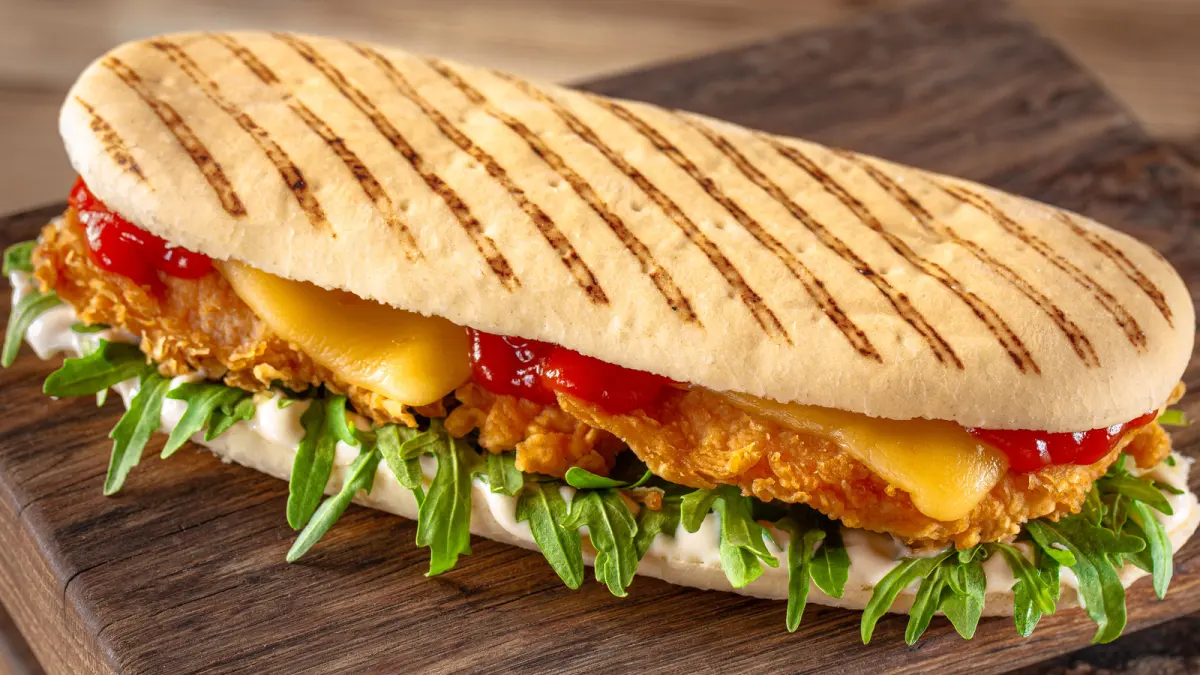
The sandwich succeeded because it is the ultimate portable meal. It requires no utensils, is easily customizable, and can be consumed on the move. During the Industrial Revolution, the sandwich became the primary fuel for the working class, providing a quick, high-energy meal that could be packed in a lunch pail. As global travel increased, regional variations emerged, such as the Vietnamese Banh Mi, the American Reuben, and the Italian Panini, each reflecting local ingredients and bread traditions.
Today, the sandwich remains a cornerstone of the food industry because it is infinitely adaptable to dietary preferences. Whether it is a simple grilled cheese or a complex multi-layered club sandwich, the format provides a canvas for culinary creativity. It bridges the gap between high-end gastronomy and everyday convenience, proving that John Montagu’s simple gambling snack was one of the most significant inventions in the history of human dining. The sandwich continues to evolve, proving that its popularity is as enduring as the bread that holds it all together.
Key facts
- John Montagu, the 4th Earl of Sandwich, is credited with popularizing the meal in 18th-century England.
- Legend suggests he requested meat between bread slices to avoid leaving the gaming table during long card sessions.
- The term "sandwich" first appeared in written records in the journals of historian Edward Gibbon in 1762.
- Ancient cultures, including the Jewish sage Hillel the Elder, practiced the concept of placing food between bread long before the Earl.
- To prevent a "soggy sandwich," apply a thin layer of fat, such as butter or mayonnaise, to the bread before adding moist ingredients.
- Always slice bread consistently to ensure structural integrity and even distribution of fillings.
The bottom line
While the 4th Earl of Sandwich is famously credited with formalizing the sandwich in 1762, the concept of pairing bread with fillings is an ancient culinary practice. Today, the sandwich remains a global staple because of its versatility and convenience. By selecting quality ingredients and using proper assembly techniques, anyone can elevate this simple meal into a sophisticated, satisfying, and highly portable dining experience.
People also ask
Did the Earl of Sandwich actually invent the concept?
No, he did not invent the idea of eating food between bread. Similar practices existed in the Middle East and Mediterranean for centuries, but he is responsible for naming and popularizing the format in Western society.
What is the most common mistake when making a sandwich?
The most frequent error is using bread that is too soft or thin to support heavy or wet fillings. This leads to the sandwich disintegrating during consumption, which ruins the texture and convenience of the meal.
When did the sandwich become a staple food in America?
The sandwich gained widespread popularity in the United States during the early 20th century. Its rise was fueled by the growth of industrialization and the need for portable, quick lunches for workers.
Why are sandwiches often cut diagonally?
Cutting a sandwich diagonally creates two triangles with longer edges, which often makes the sandwich appear larger. Many people also find that the pointed corners are easier to bite into than the blunt edges of a rectangular cut.
What is the difference between a sandwich and a sub?
A sub, or submarine sandwich, is a specific type of sandwich served on a long, split roll. While all subs are technically sandwiches, the term "sandwich" is a broad category that includes various bread types and styles.
Can a sandwich be considered a balanced meal?
Yes, a sandwich can be nutritionally balanced if it includes lean protein, whole-grain bread, and fresh vegetables. Adding fiber-rich greens and avoiding excessive processed condiments helps maintain its health profile.
This answer was created with the help of AI research tools and reference sources. Spotted an error? Let us know — we correct mistakes quickly. See our editorial policy.