What is the meaning of cherry blossoms in Japan?
Short answer
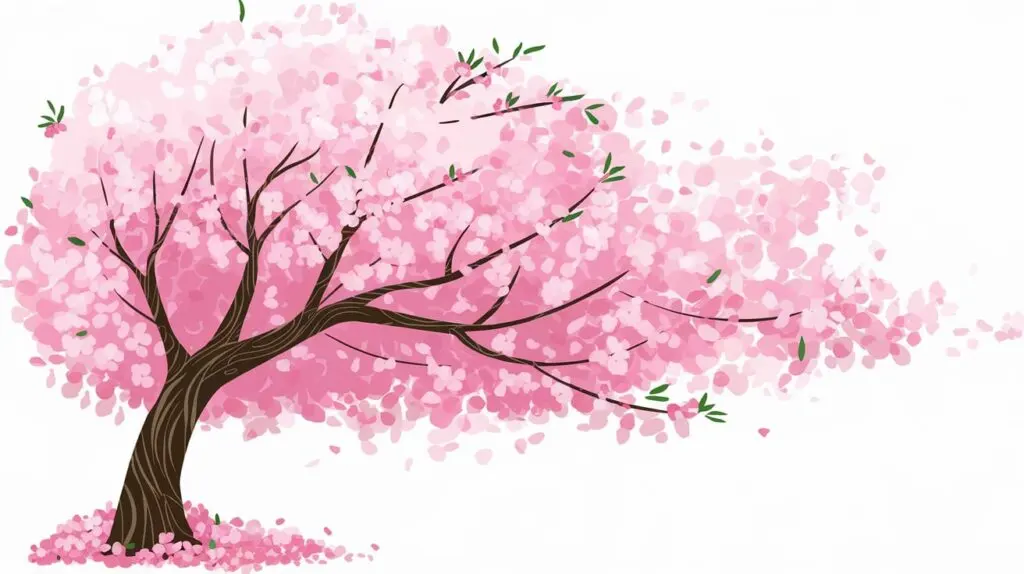
Cherry blossoms, or sakura, symbolize the transient nature of life and the beauty of fleeting moments in Japanese culture. Their brief, spectacular blooming period reflects the Buddhist concept of mono no aware, an appreciation for impermanence. Beyond this philosophical depth, they represent renewal, the arrival of spring, and national unity.
On this page
Why do cherry blossoms represent impermanence?
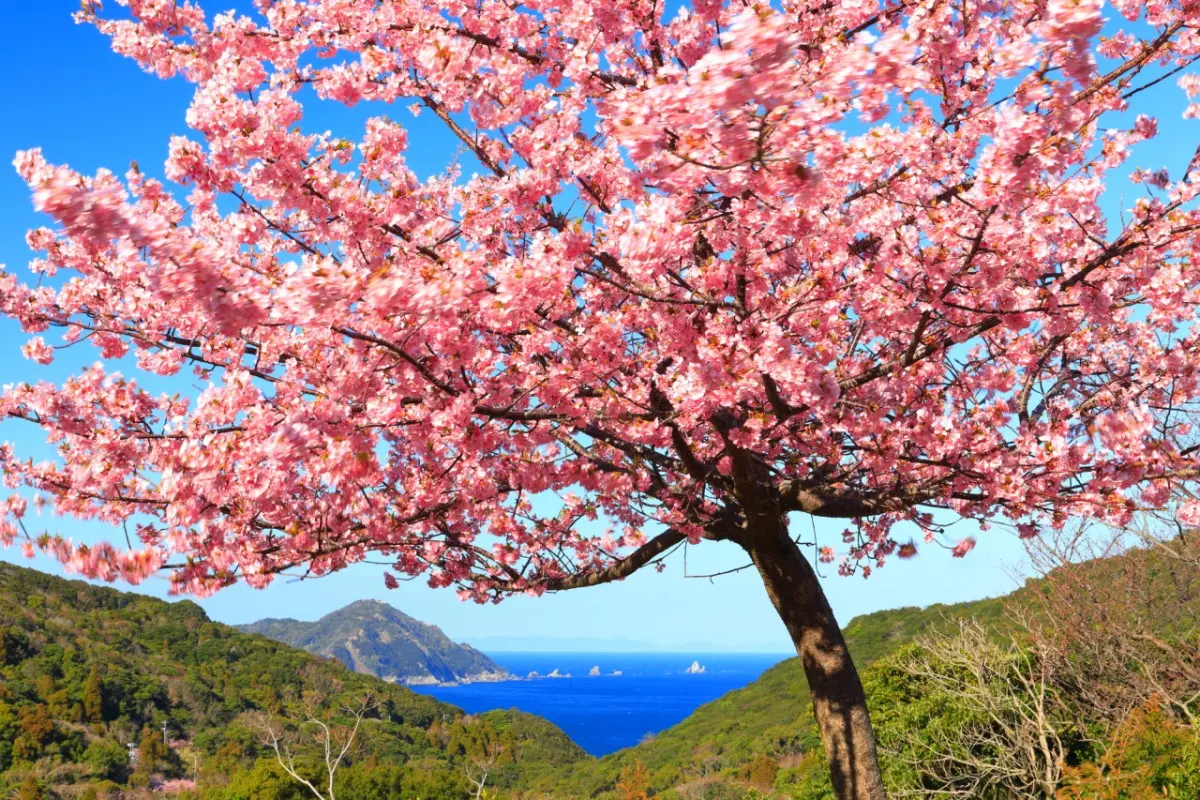
The cultural significance of sakura is deeply rooted in the aesthetic philosophy of mono no aware, which translates to the "pathos of things." In Japan, the beauty of the cherry blossom is considered most profound precisely because it is short-lived. The blossoms typically reach full bloom, or mankai, within a week and then fall to the ground, creating a carpet of petals. This cycle serves as a poignant reminder that human life, like the flowers, is fragile and temporary.
This perspective is not viewed with sadness, but rather with a sense of appreciative melancholy. By observing the cycle of growth and decay, the Japanese people cultivate a mindfulness regarding the present moment. This tradition dates back to the Heian period (794–1185), when the aristocracy held flower-viewing parties to celebrate the arrival of spring. Today, this historical connection continues to shape how citizens perceive the changing seasons and the passage of time.
How to participate in hanami traditions
Hanami, the traditional practice of flower viewing, is a social ritual that brings families, friends, and colleagues together under blooming trees. The custom involves gathering in public parks or gardens to share food, drinks, and conversation while enjoying the scenery. To participate effectively, follow these standard practices:
- Scout a location early, as popular parks like Ueno in Tokyo become crowded quickly.
- Lay down a blue plastic tarp to reserve your space, ensuring you leave enough room for others.
- Prepare a bento box containing seasonal delicacies like sakura mochi, a sweet rice cake wrapped in a pickled cherry leaf.
- Clean up all trash meticulously, as maintaining the beauty of the park is a core part of the etiquette.
By following these steps, you respect both the environment and the local community. It is customary to bring small gifts or shared snacks if you are joining an established group, as hanami is fundamentally a communal experience that fosters social bonding.
What is the history of sakura symbolism?
The cherry blossom has served as a powerful national symbol in Japan for centuries, evolving from an aristocratic pastime to a broader cultural emblem. During the samurai era, the falling petals were often compared to the lives of warriors who died in battle, representing a noble and swift end. This association with bravery and sacrifice became heavily politicized during the early 20th century, though modern interpretations have returned to themes of peace and renewal.
In contemporary society, the blooming of the sakura coincides with the start of the Japanese academic and fiscal year in April. Consequently, the blossoms have become synonymous with new beginnings, fresh starts, and the transition into adulthood. Schools often hold graduation and entrance ceremonies beneath the trees, cementing the link between the flowers and personal growth. This dual identity—as a symbol of both mortality and new beginnings—makes the cherry blossom a uniquely complex cultural icon.
Where to see the best cherry blossoms
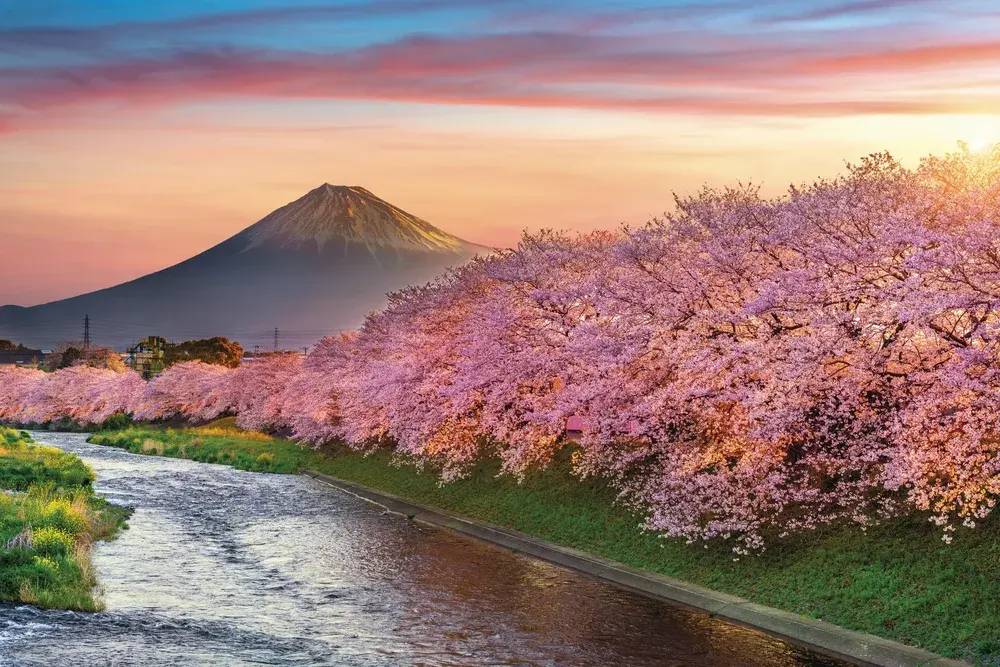
Japan spans a significant latitudinal range, meaning the "cherry blossom front," or sakura zensen, moves from the southern islands to the north over several weeks. The bloom typically begins in Okinawa in January and reaches Hokkaido by early May. To maximize your chances of seeing the peak, consult the official forecast issued by the Japan Meteorological Corporation.
- Tokyo: Visit Shinjuku Gyoen National Garden for a mix of early and late-blooming varieties.
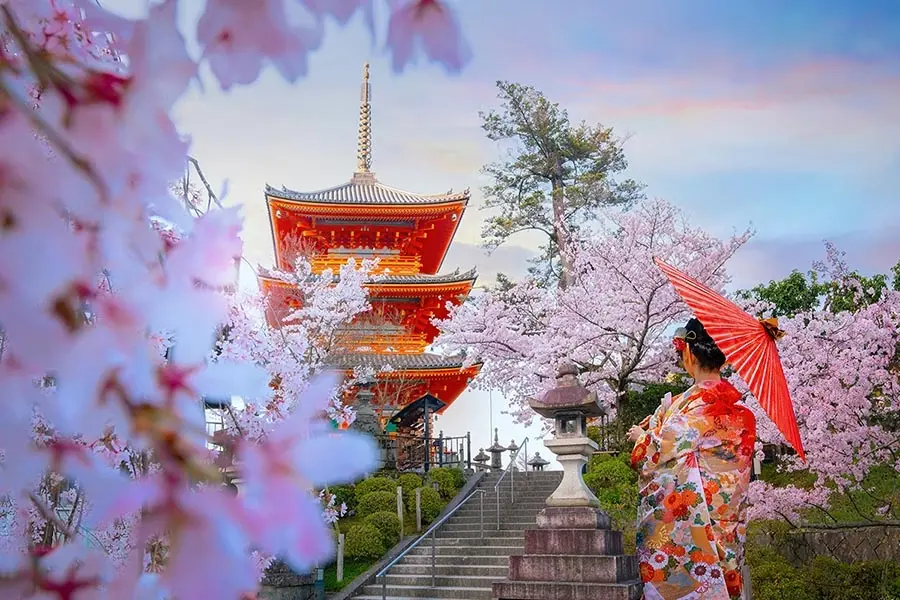
- Kyoto: Walk the Philosopher’s Path, a stone walkway lined with hundreds of trees following a canal.
- Hirosaki: Explore the castle grounds, which feature over 2,500 trees and a moat that turns pink with fallen petals.
- Yoshino: Hike the mountainside, which is famous for having over 30,000 trees planted across different elevations.
Planning your trip requires flexibility, as the exact dates of the bloom shift annually based on winter temperatures and spring weather patterns. Always check local reports one week before your planned arrival.
Common mistakes when viewing cherry blossoms
One frequent error travelers make is assuming the bloom will occur on the exact same dates every year. Weather fluctuations can cause the trees to peak up to two weeks earlier or later than the historical average. Another common mistake is failing to account for the intense crowds at major sites. If you prefer a quiet experience, consider visiting smaller neighborhood parks or arriving at sunrise to avoid the midday rush.
Do not touch or shake the branches to make the petals fall, as this damages the trees and is considered highly disrespectful. Furthermore, many parks have strict rules regarding alcohol consumption and noise levels after dark. Always check the specific regulations for the park you intend to visit, as some locations prohibit mats or specific types of equipment. By remaining observant of your surroundings and following the established etiquette, you ensure that the sakura experience remains pleasant for everyone involved in the celebration.
Key facts
- Cherry blossoms, or sakura, represent the Japanese concept of mono no aware, an appreciation for the transience of life.
- The most popular variety is the Somei Yoshino, known for its five-petaled, pale pink flowers that bloom in early spring.
- Hanami is the centuries-old tradition of picnicking under blooming trees to celebrate the arrival of spring.
- The Japan Meteorological Agency tracks the "cherry blossom front" (sakura zensen) as it moves north from Okinawa to Hokkaido.
- Bloom periods are brief, typically lasting only one to two weeks before the petals fall like snow, a phenomenon called hanafubuki.
- When visiting, avoid touching the delicate branches or shaking trees to make petals fall, as this damages the fragile buds.
The bottom line
Cherry blossoms are far more than a seasonal spectacle; they are a profound cultural symbol of impermanence and renewal in Japan. By participating in hanami, locals and visitors alike honor the beauty of the present moment. Whether you are planning a trip or simply appreciating the tradition, remember that the true essence of sakura lies in acknowledging that beauty is precious precisely because it is fleeting.
People also ask
When is the best time to see cherry blossoms in Japan?
The peak bloom usually occurs between late March and early April in major cities like Tokyo and Kyoto. Because the timing depends on winter temperatures, it is best to check the official forecasts released by the Japan Meteorological Agency starting in January.
What should I bring to a traditional hanami party?
Bring a blue plastic tarp for seating, pre-packaged bento boxes, and seasonal drinks like green tea or sake. It is essential to bring a trash bag, as public parks often lack bins and require visitors to carry their waste home.
Are cherry blossoms edible?
Yes, pickled cherry blossoms are often used in Japanese cuisine, particularly in sakura-mochi, a sweet rice cake wrapped in a salted leaf. The flowers are harvested, preserved in salt and plum vinegar, and used to add a floral flavor to teas and desserts.
What is the difference between sakura and ume blossoms?
Ume (plum) blossoms bloom earlier, usually in February, and have rounded petals with a stronger fragrance. Sakura blossoms appear later, have a distinct notch at the tip of each petal, and are generally more pale in color.
Do all cherry trees produce fruit?
Most ornamental cherry trees in Japan, such as the Somei Yoshino, have been bred specifically for their flowers and do not produce edible fruit. The cherries found in supermarkets come from different species, such as the Prunus avium, which are cultivated for consumption.
Why do Japanese people value the short lifespan of the blossoms?
The fleeting nature of the flowers serves as a cultural metaphor for the beauty and brevity of human life. This perspective encourages people to cherish the present moment and find beauty in things that do not last forever.
This answer was created with the help of AI research tools and reference sources. Spotted an error? Let us know — we correct mistakes quickly. See our editorial policy.