When do cherry blossoms bloom in Vancouver?
Short answer
Cherry blossoms in Vancouver typically bloom from early March through late April. The season begins with early-blooming varieties like the Accolade, followed by the iconic Yoshino and ending with the late-blooming Kanzan trees. Peak bloom usually occurs in early April, though precise timing fluctuates annually based on late winter temperatures.
On this page
When is the best time to see cherry blossoms?
The cherry blossom season in Vancouver is a gradual process that spans nearly two months. It begins in late February or early March with the pale pink Accolade trees, which are often the first to signal the end of winter. By mid-March, the city sees the emergence of the delicate white and light pink Yoshino blossoms, which are the most famous variety in the region.
The timing of the peak bloom is highly dependent on the weather conditions of the preceding months. If the city experiences a cold, wet February, the blossoms may be delayed by one or two weeks. Conversely, a warm, sunny late winter can trigger an early bloom. To plan your visit effectively, monitor the official Vancouver Cherry Blossom Festival bloom map, which provides real-time updates on tree development across various neighborhoods.
Where to find the best cherry blossoms?
Vancouver is home to over 40,000 cherry trees, making the entire city a destination during the spring. While you can find blossoms in almost every neighborhood, specific locations are renowned for their high concentration of trees and aesthetic appeal. Stanley Park, the University of British Columbia campus, and Queen Elizabeth Park are primary locations that offer diverse varieties and stunning backdrops.
Beyond the major parks, residential streets often provide the most intimate viewing experiences. The following areas are frequently cited by locals as top spots for photography and walking:
- West 22nd Avenue in Arbutus Ridge, famous for its dense canopy of Akebono trees.
- Nitobe Memorial Garden, which offers a serene, traditional Japanese setting.
- Stanley Park’s Rose Garden, which features rows of cherry trees surrounding the area.
- Lower Mall at the University of British Columbia, known for its long, picturesque tunnel of blossoms.
How to photograph cherry blossoms effectively?
Capturing the beauty of cherry blossoms requires patience and an understanding of lighting. The best time to photograph these trees is during the "golden hour," shortly after sunrise or just before sunset, when the light is soft and diffused. Harsh midday sun can wash out the delicate pink and white petals, making them appear flat in photographs.
To achieve professional-looking results, consider these techniques:
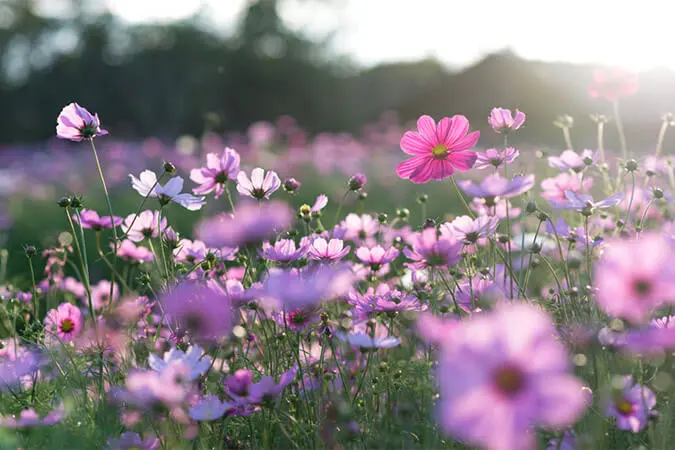
- Use a shallow depth of field to blur the background, which emphasizes the texture of the individual flowers.
- Incorporate architectural elements or street signs to provide context and a sense of place.
- Look for fallen petals on the ground to create a "blossom carpet" effect, which adds a layer of depth to your composition.
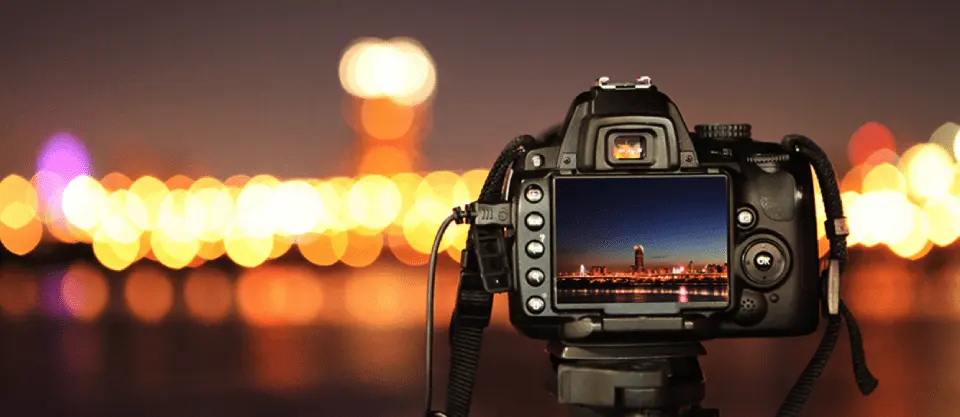
- Use a tripod if you are shooting in the early morning or evening to ensure your images remain sharp despite lower light levels.
Why does the bloom timing change every year?
The biological clock of a cherry tree is primarily regulated by accumulated heat units, often referred to as "growing degree days." As temperatures rise in late winter, the trees begin to break dormancy and develop buds. If the temperature remains consistently above a certain threshold, the blooming process accelerates. This is why a sudden heatwave in March can cause the blossoms to open rapidly, while a cold snap can halt the process entirely.
Climate variability plays a significant role in these fluctuations. While the average peak bloom usually falls within the first two weeks of April, historical data shows that the window can shift by as much as three weeks depending on the year. This sensitivity makes the cherry blossom season a dynamic event that keeps residents and tourists checking the forecast daily to ensure they do not miss the brief, two-week window of peak beauty.
Common mistakes when visiting cherry blossoms?
One of the most frequent errors visitors make is assuming that all trees bloom simultaneously. Because Vancouver hosts dozens of different varieties, the bloom is staggered. If you arrive in mid-April expecting to see the early-blooming Accolade trees, you will likely find only green leaves. Always research which specific variety is blooming in your chosen location to manage your expectations and ensure you are visiting at the right time.
Another mistake is ignoring the etiquette of public spaces. During peak bloom, popular streets and parks can become extremely crowded. To ensure a pleasant experience for everyone, avoid these common pitfalls:
- Stepping into flower beds or climbing on tree branches to get a better photo, which can damage the delicate bark and root systems.
- Blocking narrow sidewalks or residential driveways while setting up photography equipment.
- Leaving litter behind in parks, as the influx of visitors can quickly overwhelm public waste management systems.
- Failing to check the weather forecast, as spring in Vancouver is notoriously rainy, which can cause petals to fall prematurely and turn paths into slippery surfaces.
Key facts
- Cherry blossoms in Vancouver typically bloom between early March and late April.
- The Vancouver Cherry Blossom Festival officially celebrates the season throughout the month of April.
- The Akebono and Somei-yoshino varieties are among the most popular and earliest to bloom.
- Queen Elizabeth Park and Stanley Park contain the highest concentrations of mature cherry trees.
- Vancouver is home to approximately 40,000 ornamental cherry trees gifted by Japan.
- Bloom times fluctuate annually based on late-winter temperatures and rainfall levels.
The bottom line
To experience Vancouver’s cherry blossom season, plan your visit between mid-March and mid-April. Monitor the official Vancouver Cherry Blossom Festival website for real-time bloom updates, as weather patterns dictate exact timing each year. Focus your efforts on neighborhoods like Kitsilano or the West End for the most spectacular displays. Avoid peak weekend hours to enjoy the serene beauty of these iconic trees without the crowds.
People also ask
Where can I find a map of cherry tree locations in Vancouver?
The Vancouver Cherry Blossom Festival website hosts an interactive "Neighbourhood Map" that tracks the specific locations of various cherry tree cultivars across the city. This tool allows users to filter by bloom time and tree variety to plan their viewing routes.
Are there specific etiquette rules for viewing cherry blossoms?
Visitors should avoid climbing trees, pulling on branches, or shaking blossoms to create falling petal effects. Respecting the trees ensures they remain healthy for future seasons and keeps the public spaces accessible for all photographers and pedestrians.
What is the best time of day to photograph the blossoms?
Early morning or late afternoon provides the best lighting, often referred to as the "golden hour," which minimizes harsh shadows. Arriving early also helps avoid the large crowds that gather at popular spots like Burrard Station or West 7th Avenue.
Do the blossoms stay on the trees for a long time?
Most cherry blossoms last for about two weeks, though heavy rain or strong wind can shorten this period significantly. Once the petals reach their peak, they often fall quickly, creating a carpet of pink or white on the ground.
Can I pick the flowers to take home?
Picking flowers is generally discouraged as it damages the trees and prevents others from enjoying the display. Many of these trees are located on public property or private residential boulevards where harvesting is prohibited.
Is there a cost to see the cherry blossoms in Vancouver?
Viewing the blossoms is entirely free as the trees are planted throughout public parks, streets, and residential neighborhoods. You do not need tickets to participate in the general viewing, though some festival-hosted events may require registration.
This answer was created with the help of AI research tools and reference sources. Spotted an error? Let us know — we correct mistakes quickly. See our editorial policy.