Art Supplies & Tools
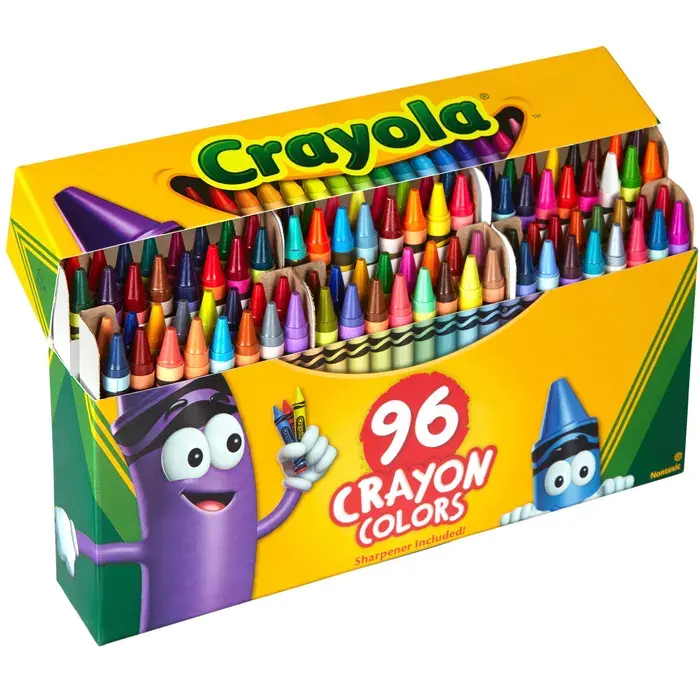
How are crayons made?
Crayons are manufactured by melting paraffin wax, mixing it with precise color pigments, and pouring the liquid into specialized…
Pencils, pens, paper, markers and every tool an artist needs.
Crayons are manufactured by melting paraffin wax, mixing it with precise color pigments, and pouring the liquid into specialized…
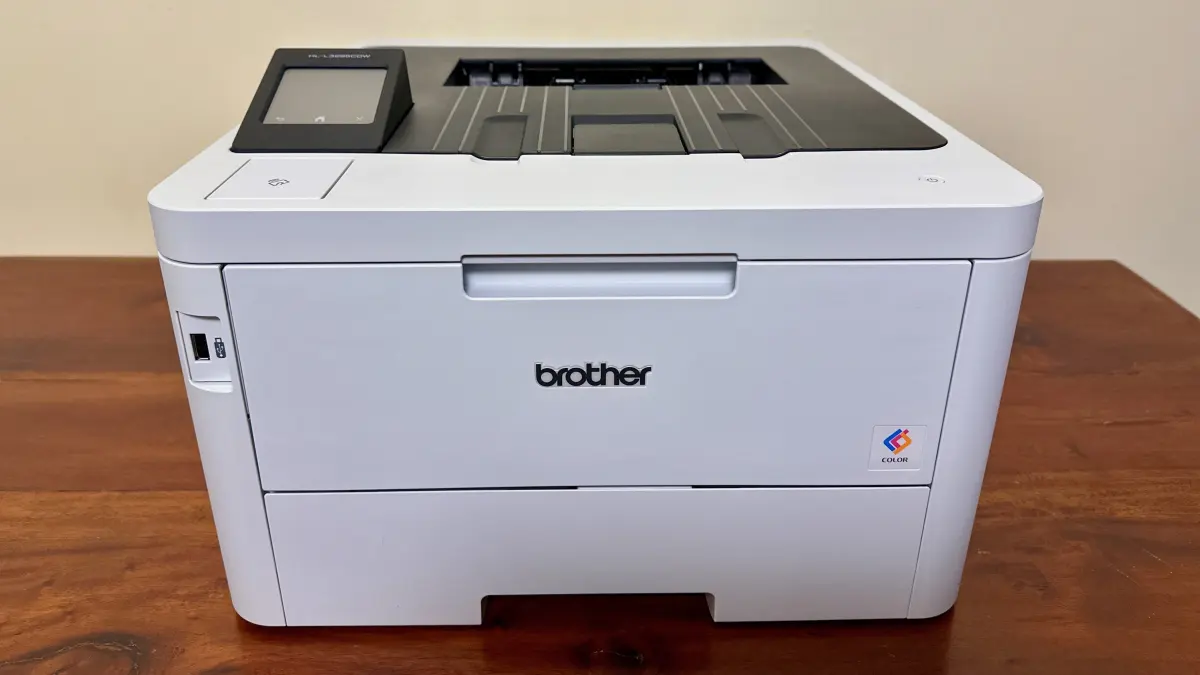
Printers transform digital files into physical documents by depositing ink or toner onto paper. Inkjet printers spray…
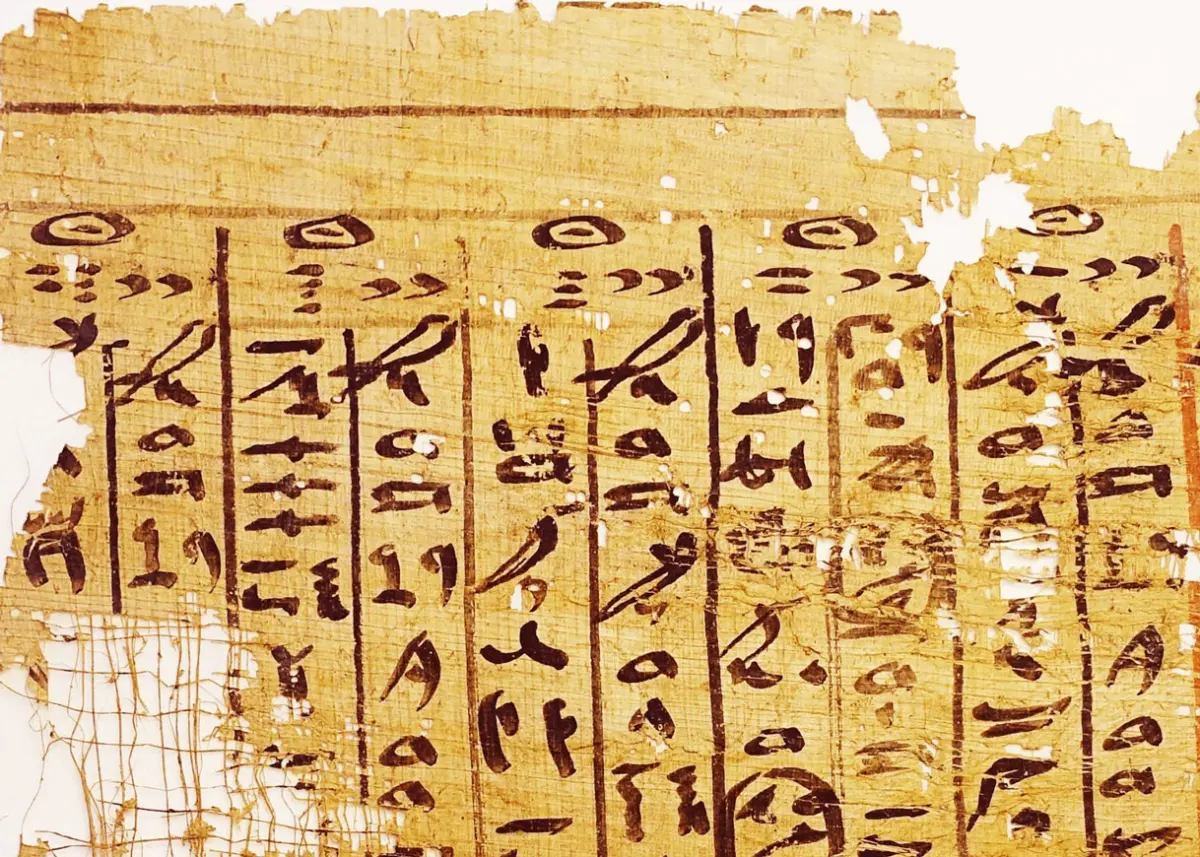
Cai Lun, a court official during China’s Eastern Han Dynasty, is officially credited with inventing paper in 105 CE. While…
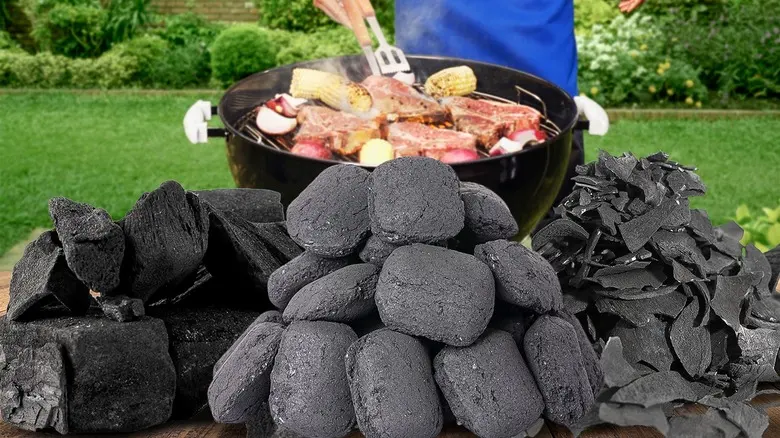
Charcoal is produced through the process of carbonization, where wood is heated in a low-oxygen environment. This thermal…
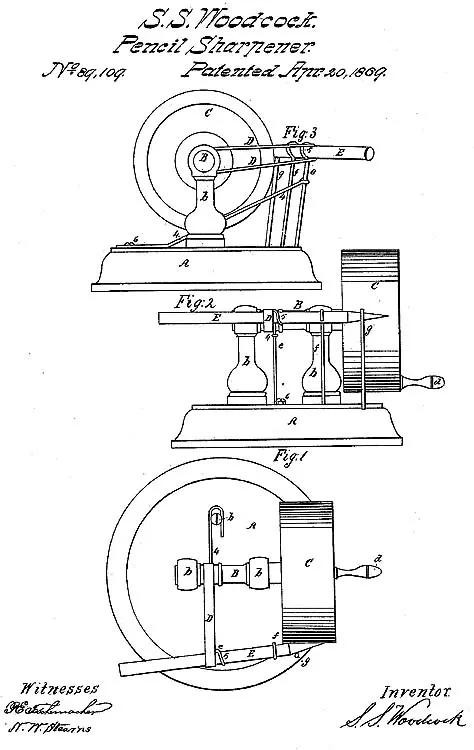
Thierry Des Estivaux invented the first pencil sharpener in 1847, though French mathematician Bernard Lassimonne patented the…
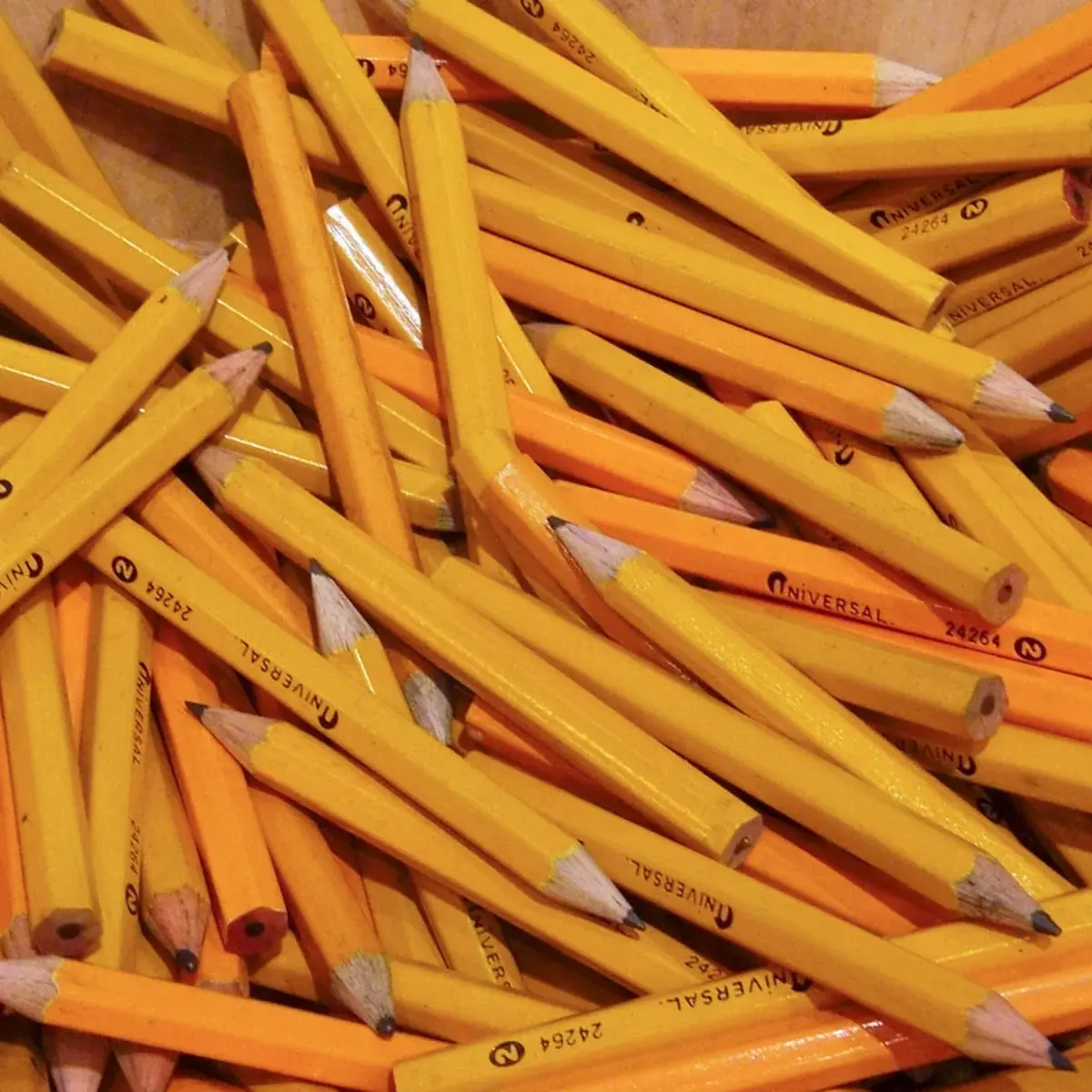
Pencils are manufactured by sandwiching a graphite and clay core between two grooved wooden slats. These slats are glued…
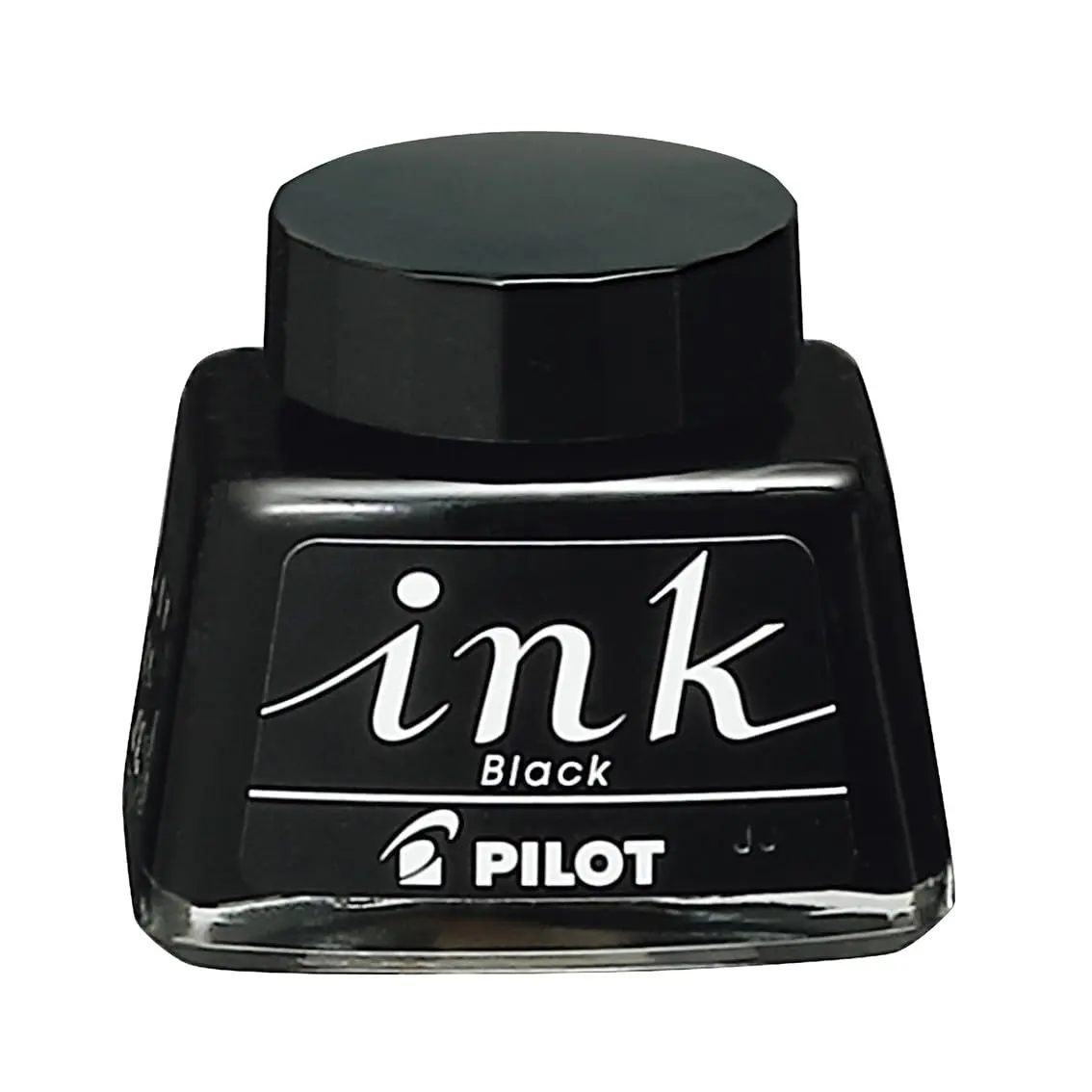
Ink is a liquid or paste containing pigments or dyes used for coloring a surface to produce an image, text, or design. It is…
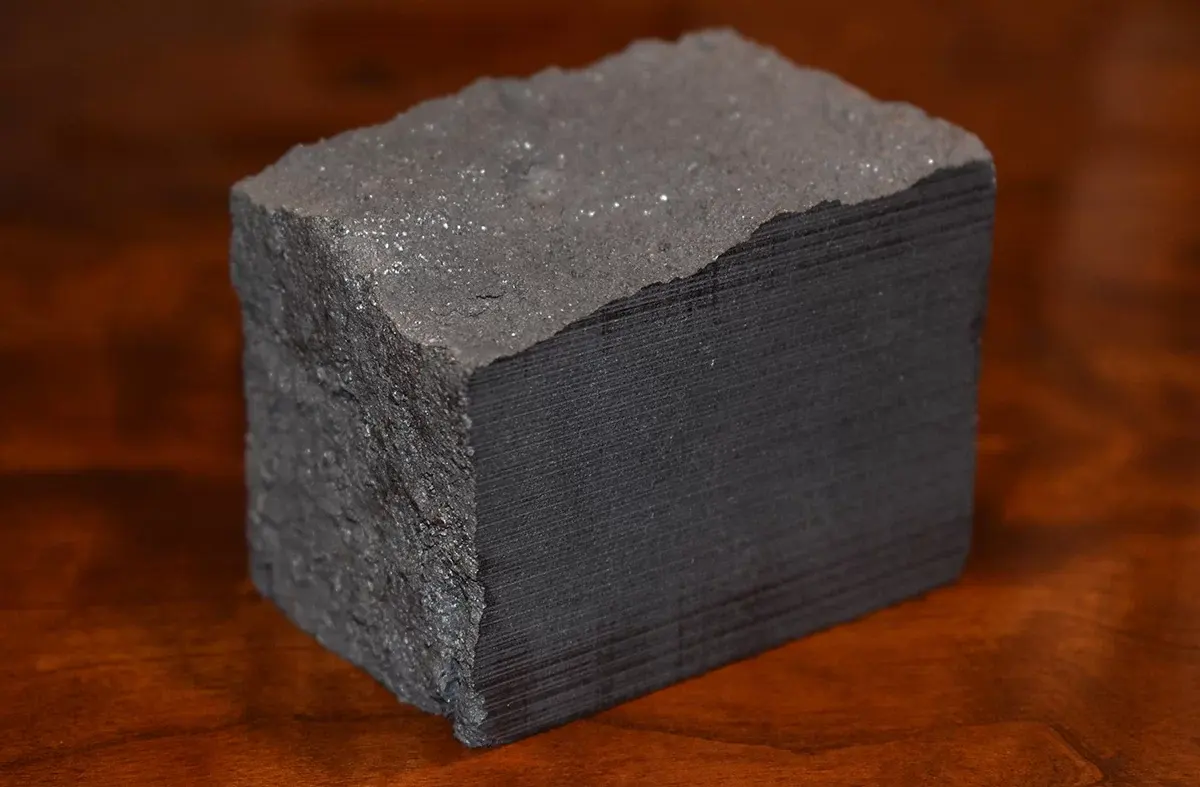
Graphite is produced through two primary methods: natural extraction from metamorphic rocks and synthetic manufacturing via the…
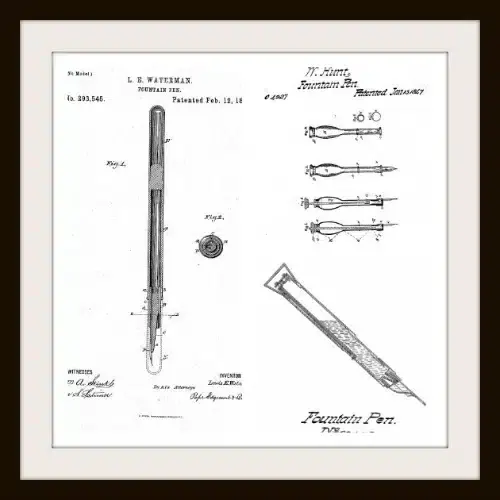
The fountain pen was not invented by a single individual but evolved through centuries of incremental design. While early…
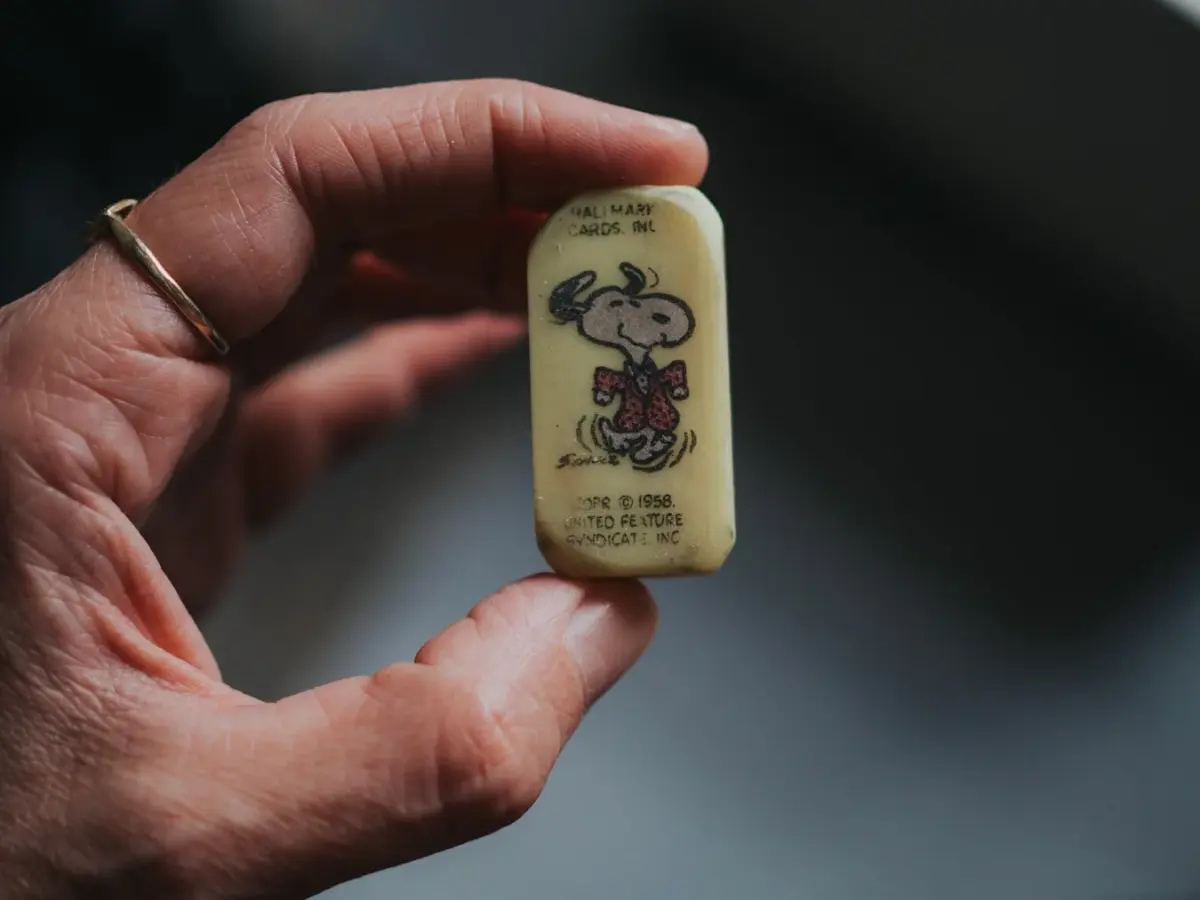
Edward Nairne, an English engineer, is credited with inventing the rubber eraser in 1770. Before this, people used moist bread…
Paper is manufactured by breaking down plant fibers—typically wood pulp—into a watery slurry. This mixture is spread onto a fine…
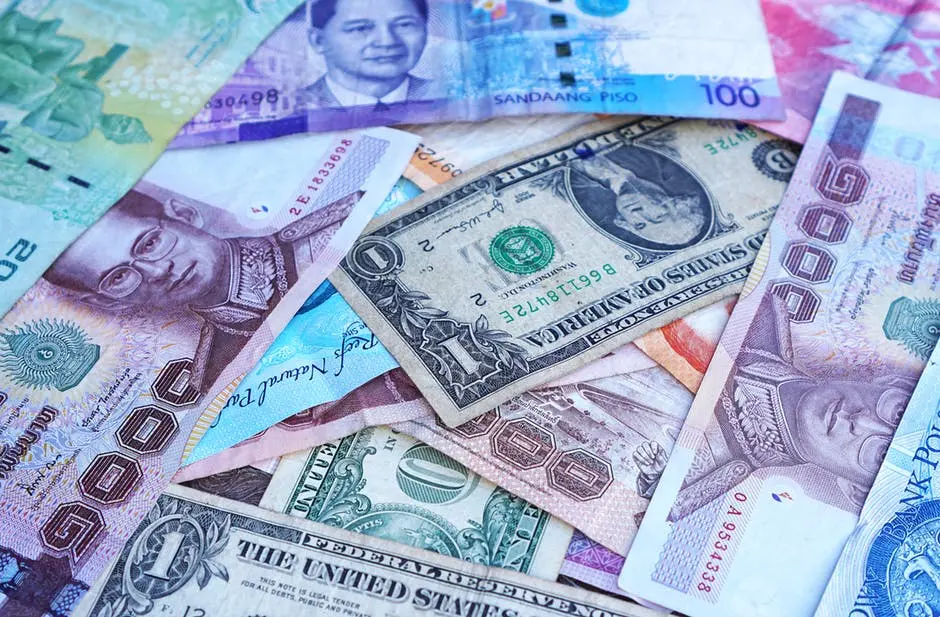
Paper money is produced through a sophisticated industrial process involving specialized cotton-linen blends, intaglio printing…
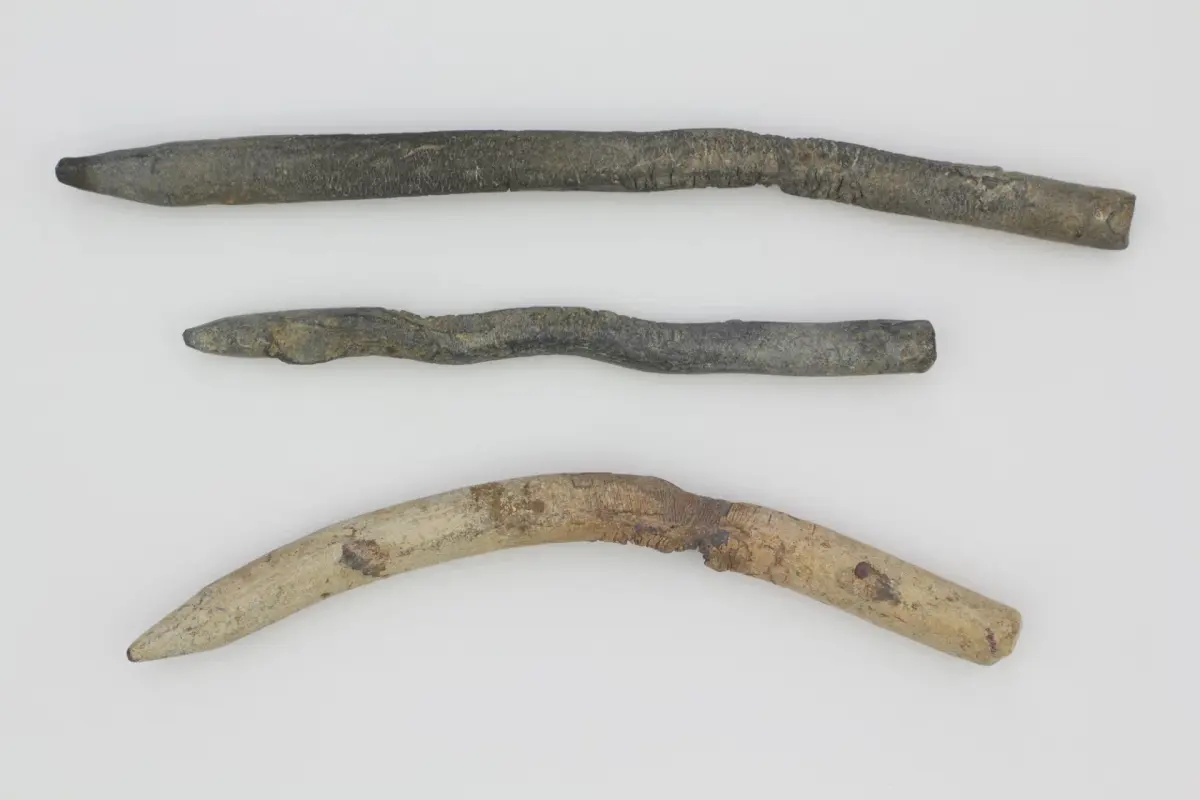
The modern pencil was not invented by a single individual but evolved from the discovery of graphite in Borrowdale, England…
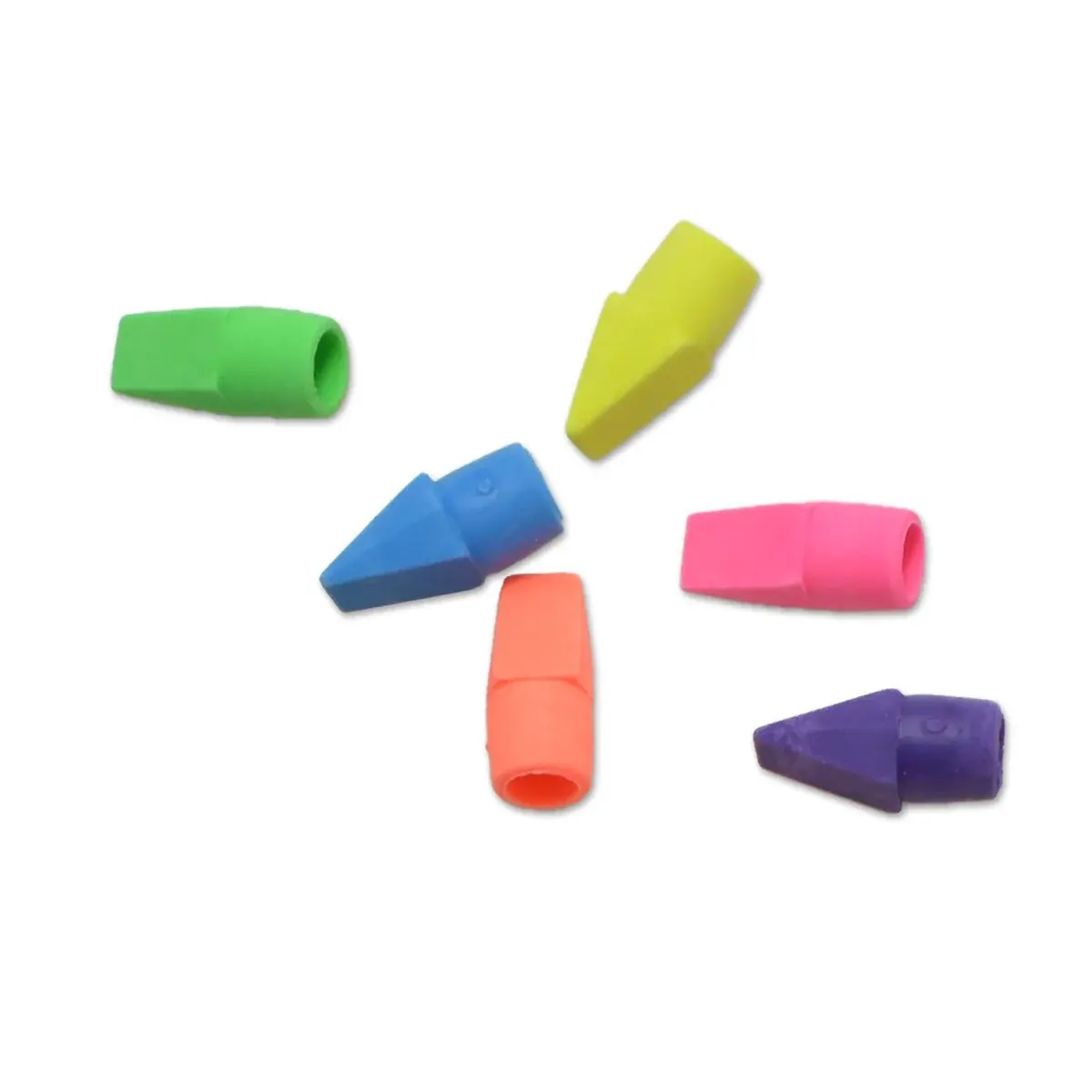
Pencil erasers are primarily made from synthetic rubber, such as styrene-butadiene or vinyl, mixed with vulcanizing agents and…
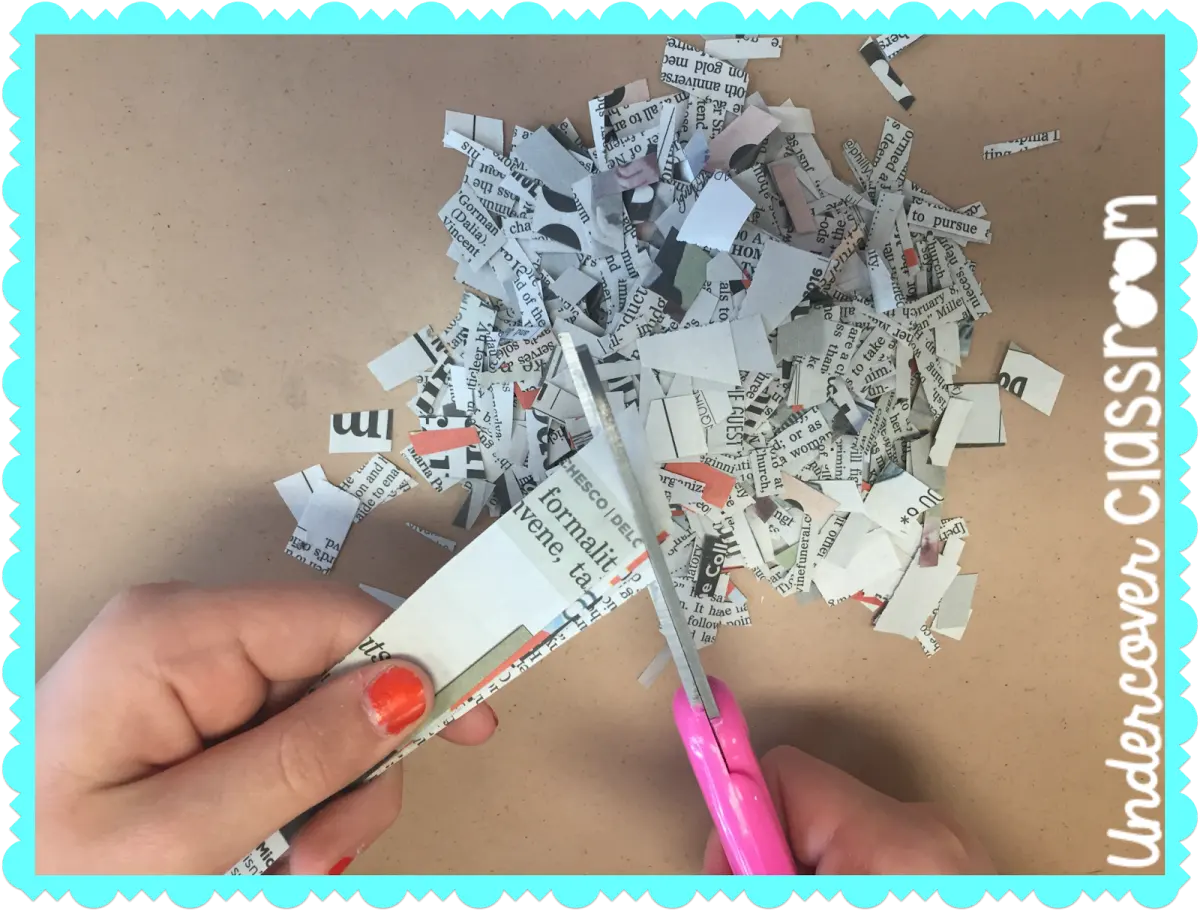
Paper recycling is a mechanical and chemical process that converts waste paper into new pulp. It involves collecting, sorting…
László Bíró, a Hungarian journalist, is credited with inventing the modern, commercially successful ballpoint pen. While John J…
The modern wax crayon was developed by cousins Edwin Binney and C. Harold Smith in 1903. While wax-based drawing tools existed…
Prismacolor Premier pencils feature a soft, wax-based core that excels at blending and layering vibrant, opaque colors. In…
Bristol paper is a heavy, multi-ply drawing board used for detailed illustrations, technical drawings, and marker work. To use…
Acid-free paper is paper manufactured with an alkaline or neutral pH level, typically 7.0 or higher. By removing acidic…
Making a paper airplane requires a single rectangular sheet of paper and precise folding techniques. By creating symmetrical…
White gel pens are versatile tools used to add highlights, fine details, and opaque markings over dried ink or dark surfaces. To…
Henri Matisse is primarily defined by his role as the leader of Fauvism, a movement characterized by vivid, non-naturalistic…
Shading with colored pencils involves layering pigments to create depth, dimension, and smooth transitions. By controlling…