How is paper money made?
Short answer
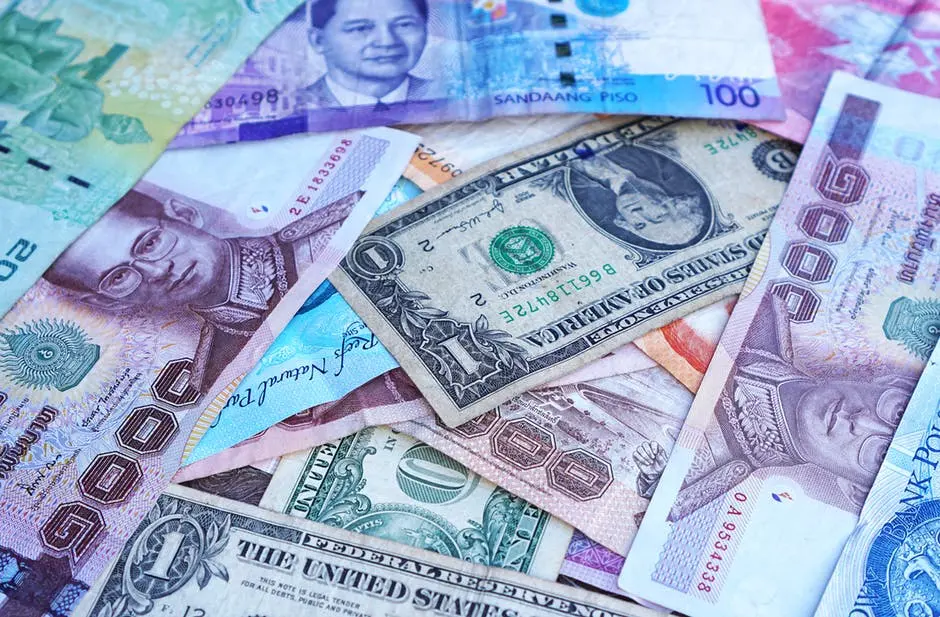
Paper money is produced through a sophisticated industrial process involving specialized cotton-linen blends, intaglio printing, and complex security features. Government-authorized facilities, such as the Bureau of Engraving and Printing in the United States, use high-pressure presses to imprint intricate designs onto durable, moisture-resistant substrates that withstand years of circulation and handling.
On this page
What materials are used to make money?
Contrary to common belief, paper money is not made from wood pulp or standard paper. In the United States, currency is composed of a unique blend of 75 percent cotton and 25 percent linen. This specific fiber composition provides the necessary strength, flexibility, and longevity required for currency that must endure constant folding, washing, and environmental exposure.
The production process begins with the creation of this specialized "paper" by companies like Crane Currency. The material is infused with security fibers—tiny red and blue threads—that are visible upon close inspection. These fibers are embedded randomly throughout the material during the manufacturing phase, serving as an initial layer of defense against counterfeiters who might attempt to replicate the texture or appearance of genuine currency.
How is money printed?
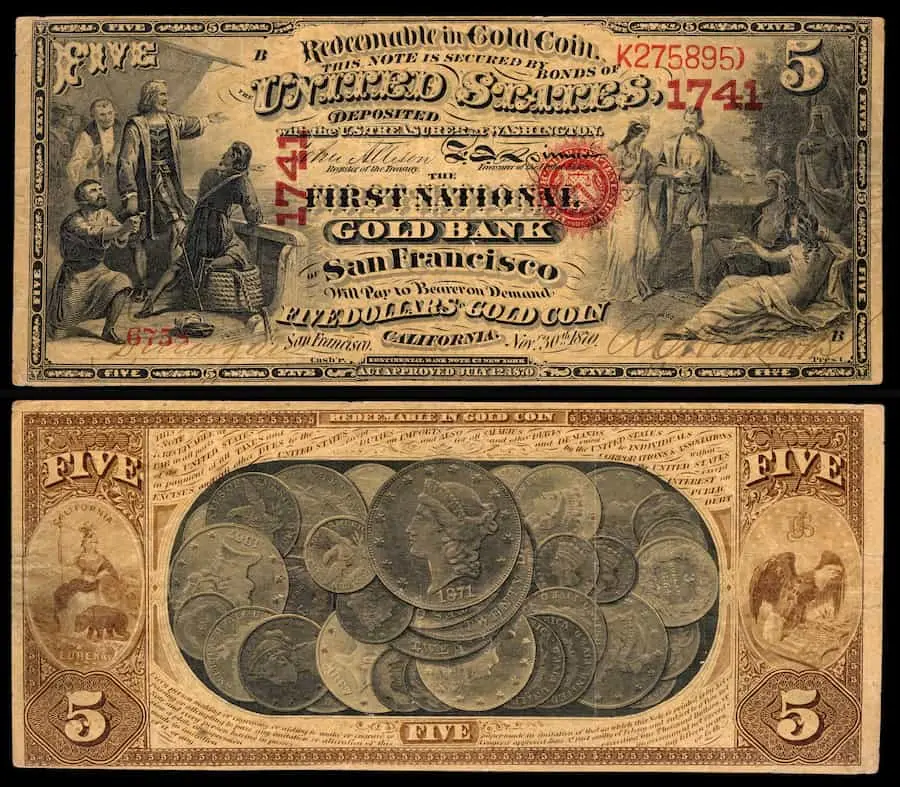
The printing process primarily utilizes a technique known as intaglio printing. This method involves engraving designs into metal plates, which are then coated with ink and wiped clean, leaving ink only in the recessed grooves. When paper is pressed onto these plates under immense pressure, the ink is transferred to the surface, creating a distinct, raised texture that is difficult to replicate with standard digital or offset printers.
- Large sheets of the cotton-linen blend are fed into high-speed, rotary intaglio presses.
- The front of the note is printed first, followed by the back, ensuring precise registration between the two sides.
- Once the sheets are printed, they undergo a drying process to ensure the ink is fully set and durable.
- The sheets are then inspected by sophisticated optical systems to identify any printing errors or missing security features.
What security features are added?
Modern currency incorporates multiple layers of security to deter counterfeiting. These features are designed to be easily verified by the public while remaining extremely difficult for criminals to forge. Beyond the physical texture of the intaglio printing, manufacturers integrate advanced optical and physical elements directly into the substrate during the production stages.
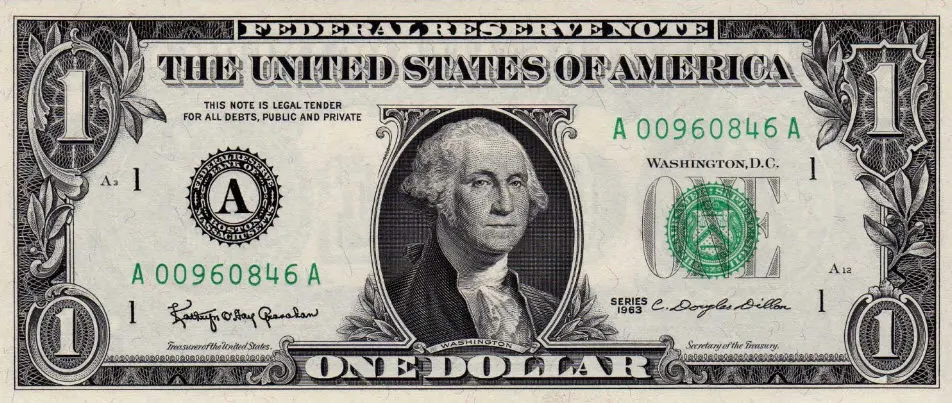
- Watermarks: An image is created by varying the density of the paper fibers, visible only when held up to a light source.
- Security Threads: A thin, embedded strip runs vertically through the note, often glowing under ultraviolet light.
- Color-Shifting Ink: Certain elements, such as the numeral on the corner of a bill, change color when the note is tilted.
- Microprinting: Extremely small text, which appears as a solid line to the naked eye, is printed in various locations on the note.
How is money cut and packaged?
After the printing and inspection phases are complete, the large sheets must be transformed into individual banknotes. Precision equipment is used to trim the sheets and cut them into the familiar rectangular form. This stage requires extreme accuracy to ensure that every note meets the exact dimensional specifications required by banking systems and automated cash-handling machines.
Once cut, the notes are counted and banded into "bricks" or "straps." These bundles are then prepared for distribution to Federal Reserve banks or central banking authorities. From there, the currency enters the economy through commercial banks, which request physical cash to meet the demands of their customers and businesses. The entire process is strictly monitored to ensure that every serial number is accounted for and that no unauthorized currency enters the supply chain.
Common mistakes when handling money
While the public cannot manufacture money, many people handle it in ways that accelerate its degradation. A frequent mistake is keeping currency in environments that promote mold or bacterial growth, such as damp pockets or humid storage areas. Because the cotton-linen blend is organic, it can absorb moisture, which weakens the fibers over time and makes the note susceptible to tearing or disintegration during routine use.
Another common error involves improper cleaning. Some individuals attempt to wash or sanitize currency using harsh chemicals or abrasive scrubbing. These actions can strip away the specialized security inks, blur the intaglio details, and damage the protective coatings applied during the manufacturing process. To maintain the integrity of your currency, keep it stored in a dry, flat environment and avoid exposing it to extreme heat or chemical agents that could compromise its physical structure.
Key facts
- U.S. currency is not made of wood pulp paper but a blend of 75% cotton and 25% linen.
- The Bureau of Engraving and Printing uses intaglio printing, which creates a raised texture that is difficult to replicate.
- Security features include color-shifting ink, watermarks, and 3D security ribbons woven directly into the fabric.
- Red and blue synthetic fibers are embedded throughout the currency to help verify authenticity under magnification.
- The average lifespan of a $1 bill is approximately 6.6 years, while a $100 bill lasts about 22.9 years.
- To test a bill's legitimacy, look for the raised printing by running your fingernail across the portrait; it should feel slightly rough.
The bottom line
Modern currency production is a sophisticated industrial process that prioritizes durability and security over standard paper manufacturing. By utilizing a specialized cotton-linen blend and advanced intaglio printing, governments ensure that money remains difficult to forge while standing up to years of daily circulation. Understanding these unique physical characteristics allows the public to distinguish genuine notes from counterfeits, maintaining confidence in the global financial system.
People also ask
Why does paper money feel different than regular paper?
Regular paper is made from wood pulp, which breaks down quickly and tears easily. The cotton-linen blend used for currency is significantly more durable, flexible, and resistant to moisture and folding.
Can I wash my money in the laundry?
Yes, the cotton-linen fibers are strong enough to survive a standard washing machine cycle. However, you should avoid using bleach or high-heat dryers, as these can damage the security features and the physical integrity of the bill.
What happens to old or damaged currency?
Banks return worn-out notes to the Federal Reserve, where they are shredded and recycled. If you have a torn bill, you can often exchange it at a commercial bank if more than 50% of the note remains intact.
Why are there different colors on modern banknotes?
The U.S. Treasury introduced colors like light blue, orange, and purple to make counterfeiting more difficult. These colors are integrated into the design to distinguish different denominations and incorporate complex security patterns.
Is it illegal to make your own money?
Yes, producing counterfeit currency is a serious federal crime punishable by heavy fines and decades in prison. Even creating realistic replicas for educational or artistic purposes is strictly regulated and often prohibited.
How do machines distinguish between real and fake bills?
Currency counters use sensors to detect magnetic ink, ultraviolet light signatures, and the specific physical thickness of the cotton-linen blend. These machines are calibrated to identify the unique chemical and physical properties of genuine government-issued notes.
This answer was created with the help of AI research tools and reference sources. Spotted an error? Let us know — we correct mistakes quickly. See our editorial policy.