Who invented the pencil?
Short answer
The modern pencil was not invented by a single individual but evolved from the discovery of graphite in Borrowdale, England, around 1564. While early users wrapped graphite in string or sheepskin, Nicolas-Jacques Conté and Josef Hardtmuth independently patented the process of mixing powdered graphite with clay to create modern pencil leads in 1795.
On this page
How was the first pencil invented?
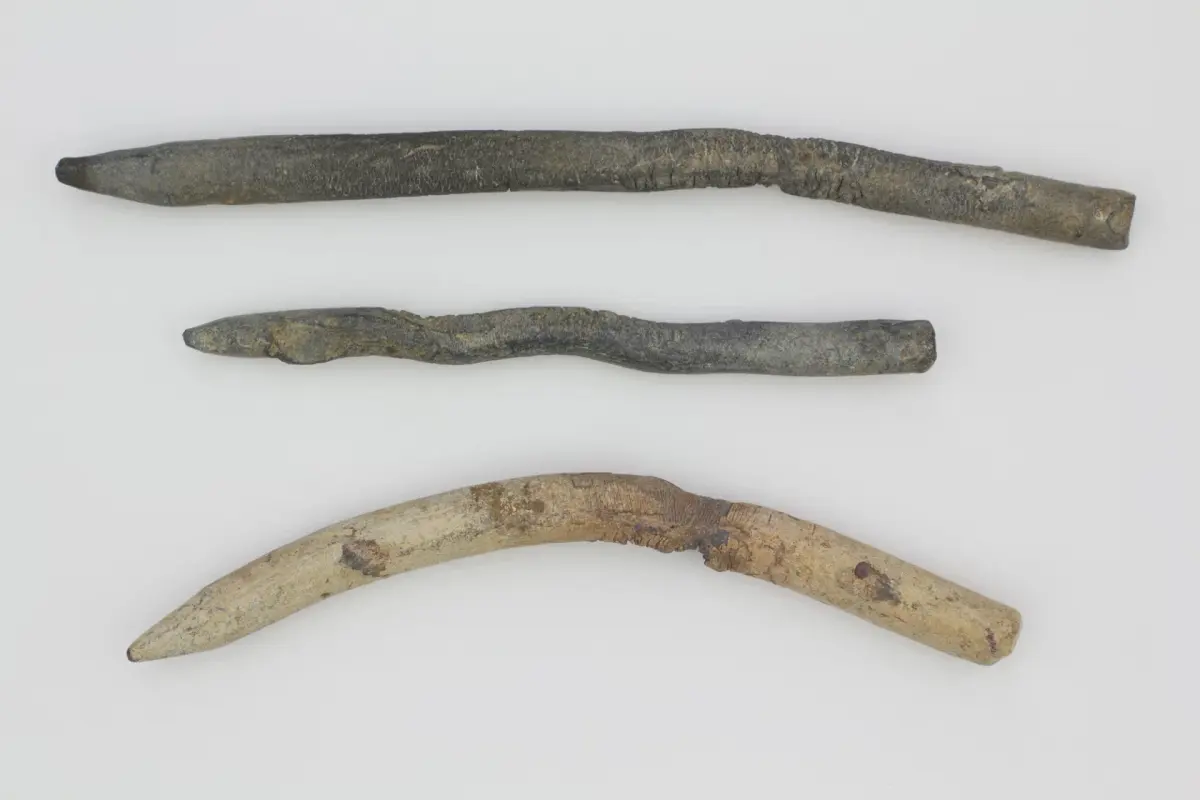
The history of the pencil began with a massive storm in Borrowdale, England, in the mid-16th century. The wind uprooted a large tree, revealing a deposit of a dark, metallic substance that locals initially mistook for lead. This substance was actually pure graphite, a soft form of carbon that left a dark, erasable mark on paper. Because graphite was brittle and stained the hands, users began wrapping pieces of it in string, sheepskin, or hollowed-out sticks of wood to make it easier to handle.
By the 17th century, the British government recognized the strategic value of the Borrowdale graphite mine. It was used to mark sheep and, eventually, to cast molds for cannonballs. Because the supply was limited and highly valuable, the British crown strictly controlled the mining process. While these early tools were effective, they were essentially raw graphite encased in wood, lacking the consistency and durability of the writing implements we recognize today.
Who created the modern pencil lead?
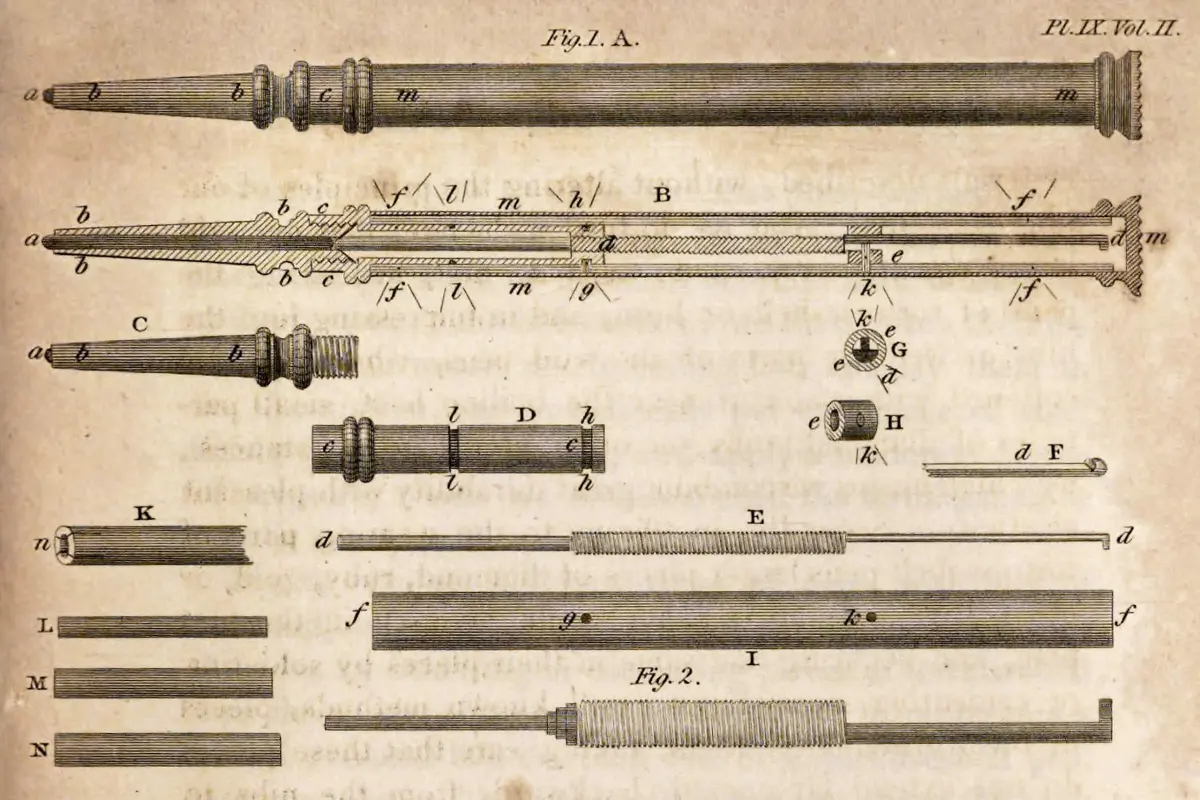
The transition from raw graphite to the modern pencil occurred during the late 18th century due to geopolitical necessity. During the Napoleonic Wars, France faced a severe shortage of high-quality graphite because the British trade routes were blocked. In 1795, the French scientist Nicolas-Jacques Conté was commissioned by the government to develop a substitute. He discovered that by mixing powdered graphite with clay and firing the mixture in a kiln, he could create a durable "lead" that was both stronger and more economical than pure graphite.
Simultaneously, in Austria, Josef Hardtmuth developed a similar process for the Koh-i-Noor Hardtmuth company. By adjusting the ratio of clay to graphite, these inventors realized they could control the hardness of the pencil lead. More clay resulted in a harder, lighter line, while more graphite produced a softer, darker mark. This innovation allowed for the standardized grading system that pencil manufacturers still utilize to this day.
What do the letters and numbers on pencils mean?
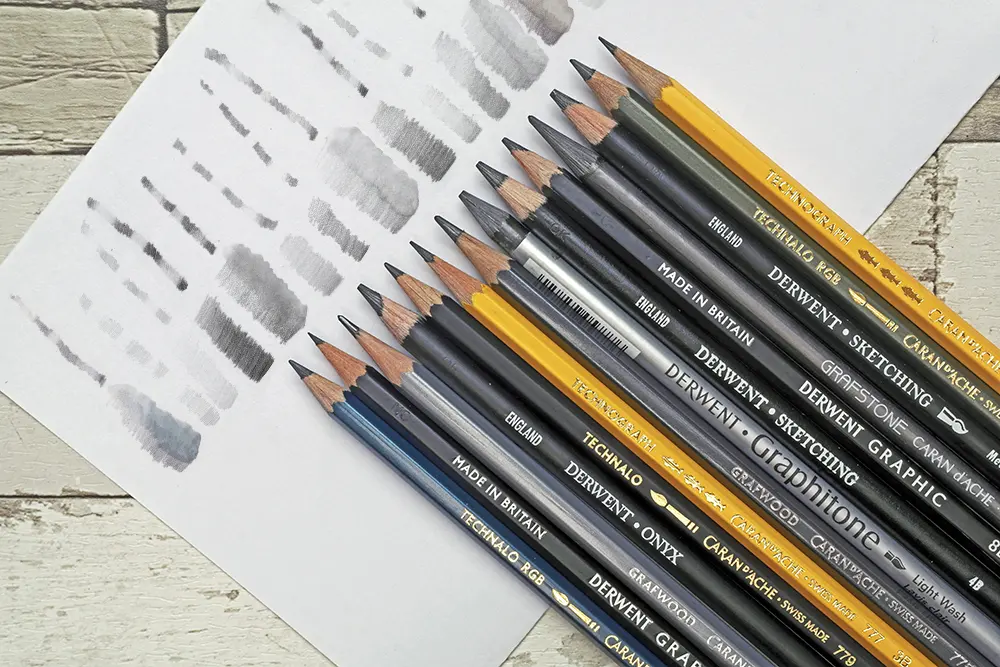
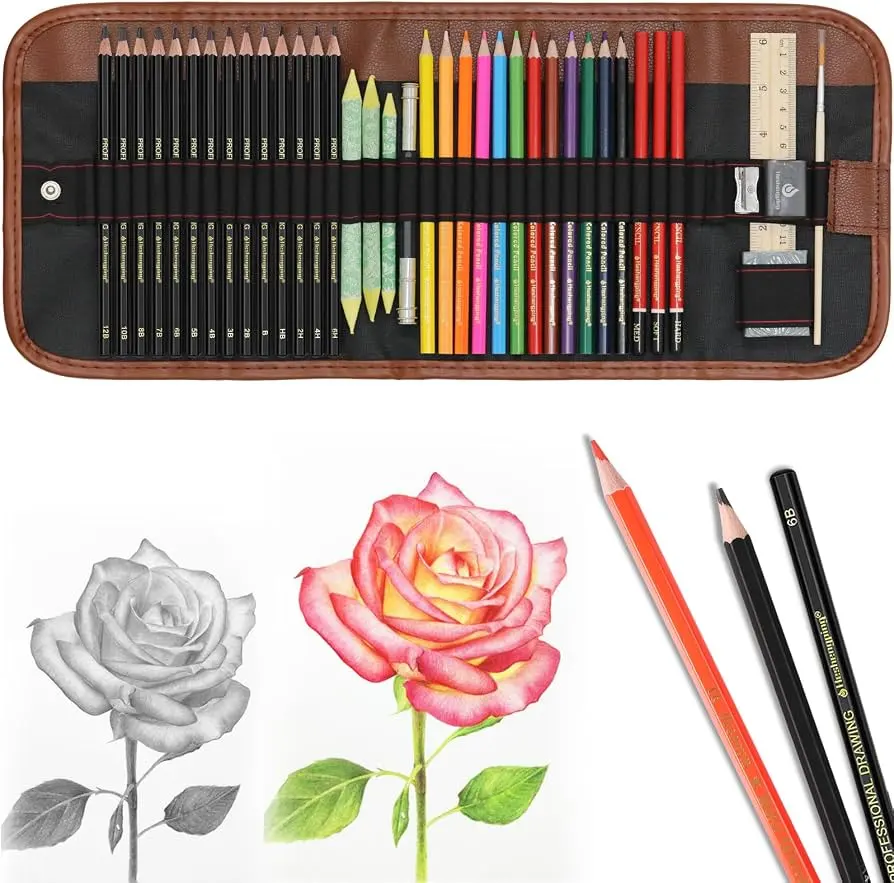
The grading system established by Conté and Hardtmuth helps users choose the right tool for their specific tasks. Pencils are generally categorized by the "HB" scale, which denotes the balance between hardness and blackness. Understanding these codes is essential for artists, drafters, and students who require specific line quality.
- H (Hard): These pencils contain more clay, resulting in a lighter mark and a point that stays sharp for longer durations.
- B (Black/Soft): These pencils contain more graphite, providing a darker, bolder line that is ideal for shading and artistic expression.
- HB: This is the standard "middle-of-the-road" pencil, offering a balance that is perfect for general writing and standardized testing.
- F (Firm): This grade sits between HB and H, offering a fine point that is favored by many writers for its precision.
The numbers preceding these letters, such as 2H or 4B, indicate the degree of that quality. A 6B pencil is significantly softer and darker than a 2B pencil, while a 6H pencil is much harder and lighter than a 2H pencil.
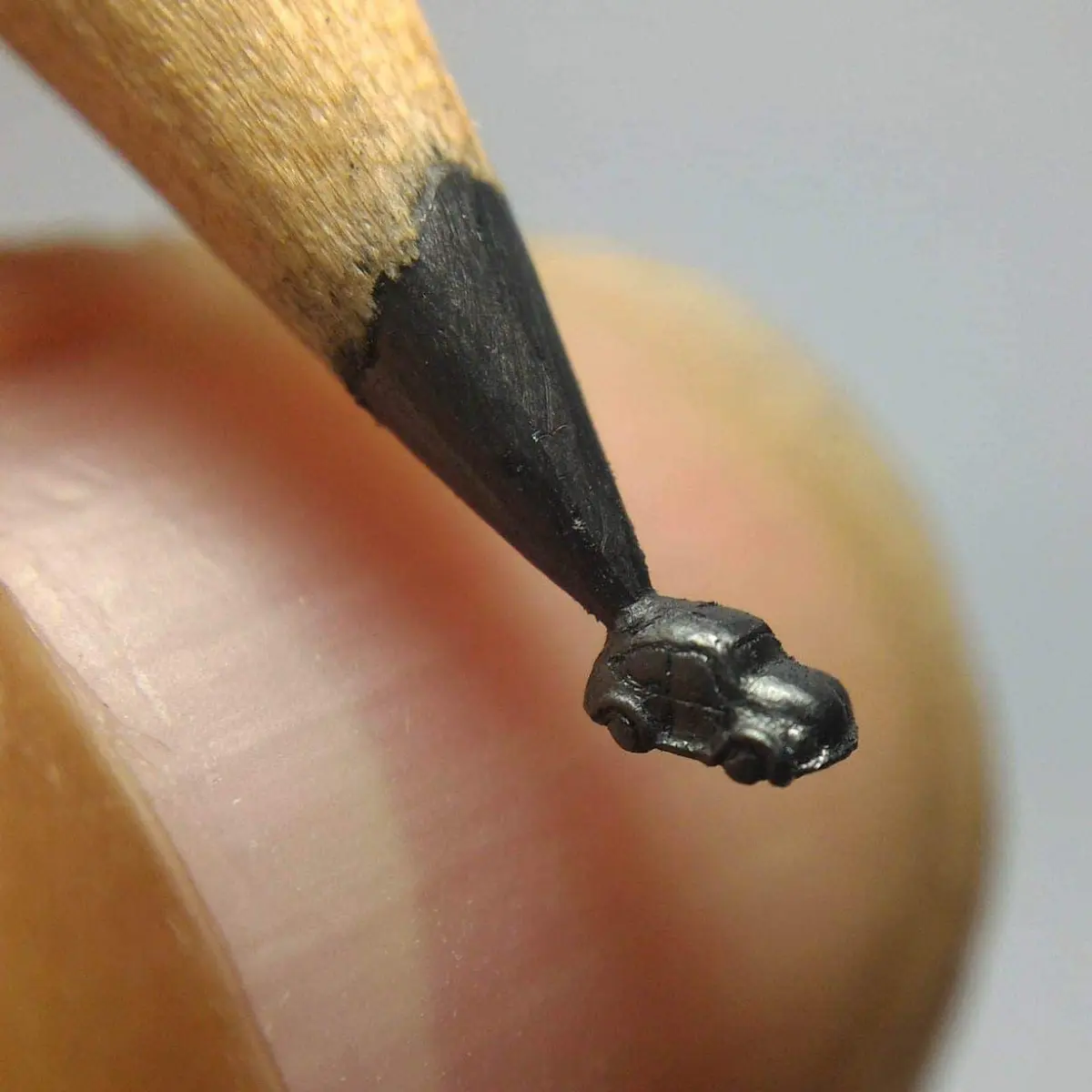
How to choose the right pencil for your needs
Selecting the correct pencil depends entirely on the intended application. For technical drawing or architectural plans, harder grades are preferred because they maintain a precise, thin line without smudging. For sketching or creative writing, softer grades are often superior because they allow for a greater range of tonal values and require less pressure to produce a mark.
- Assess your primary goal: Are you writing long-form text or creating a detailed portrait?
- Select your grade: Choose an HB for general tasks, an H-range for precision, or a B-range for shading.
- Consider the wood casing: Ensure the pencil is made of high-quality cedar, which sharpens evenly without splintering.
- Test the point: A good pencil should sharpen to a fine, durable tip that does not break under moderate pressure.
Avoid purchasing pencils with poorly centered leads, as these will break frequently during the sharpening process and cause frustration. High-quality pencils will have the lead perfectly encased in the center of the wood barrel.
Common mistakes when using pencils
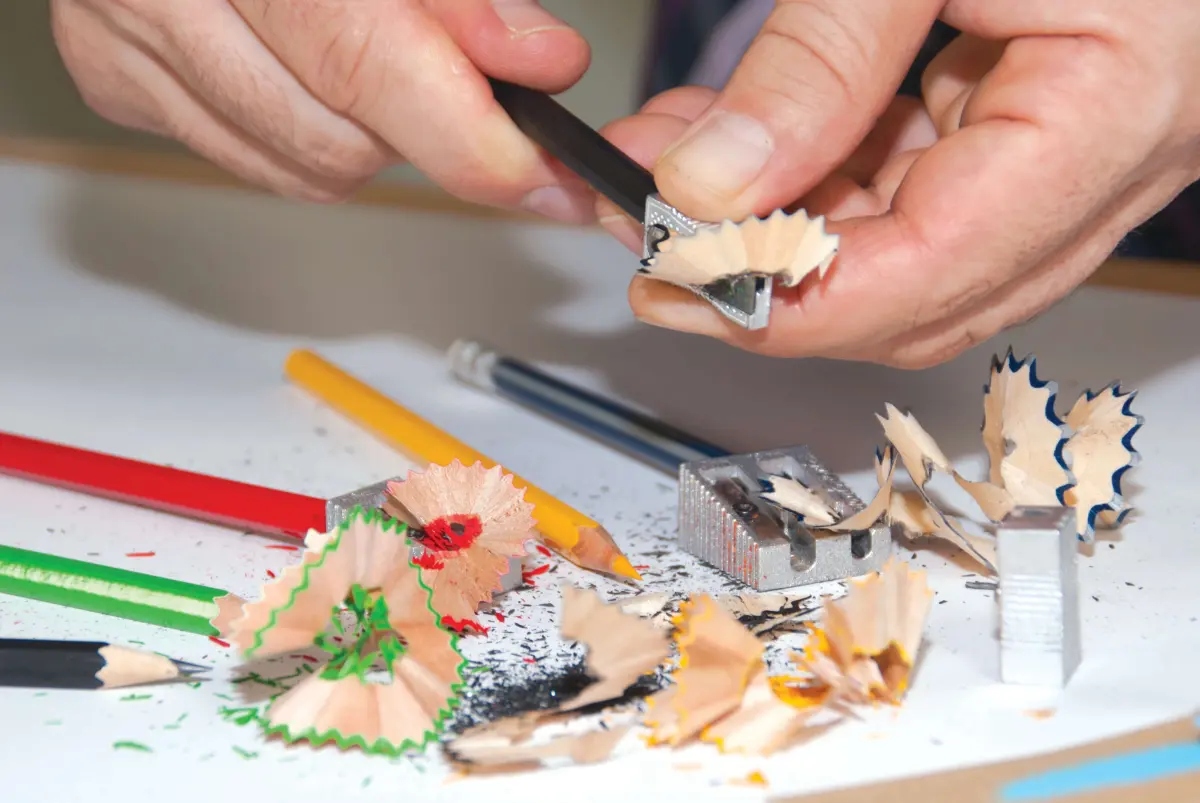
One of the most frequent errors users make is applying too much pressure when using soft-grade pencils. Because these pencils contain a high ratio of graphite, they are naturally prone to smudging and breaking if forced against the paper. Another common mistake is using a dull blade or a low-quality sharpener, which can chew up the wood and weaken the lead. Always use a manual or electric sharpener that is specifically designed for the diameter of your pencil.
Finally, many people store their pencils in environments with high humidity or extreme temperature fluctuations. Wood is a natural material that expands and contracts, which can cause the internal lead to loosen or break inside the casing. To keep your pencils in peak condition, store them in a cool, dry place and ensure they are kept flat or point-up. By following these simple maintenance habits, you can extend the life of your writing instruments and ensure a consistent, reliable experience every time you sit down to write or draw.
Key facts
- In 1564, a massive deposit of pure graphite was discovered in Borrowdale, England, which shepherds used to mark sheep.
- The first wooden-encased pencils were created in the 16th century by hollowing out sticks of juniper wood.
- Nicolas-Jacques Conté, a French officer, patented the modern process of mixing powdered graphite with clay in 1795.
- The hardness of a pencil lead is determined by the ratio of graphite to clay; more clay results in a harder, lighter mark.
- To sharpen a pencil correctly, use a sharp blade or high-quality sharpener to avoid snapping the lead inside the wood casing.
- Avoid dropping your pencils, as internal fractures in the graphite core will cause the tip to break repeatedly during use.
The bottom line
The pencil evolved from the accidental discovery of pure graphite in 16th-century England into a sophisticated tool of precision. By mixing graphite with clay, innovators like Nicolas-Jacques Conté standardized the writing experience, allowing for varying degrees of hardness. Today, the pencil remains a masterpiece of simple engineering, relying on a delicate balance of materials to provide a reliable, erasable, and versatile medium for human expression.
People also ask
Why are pencils called "lead" pencils if they contain graphite?
Early users confused graphite with lead because both were dark, metallic-looking minerals. The name persisted even after scientists identified graphite as a form of carbon in 1779.
What do the letters like HB and 2B on pencils mean?
These letters indicate the grade of the pencil's core. H stands for hard, B stands for black (soft), and the number indicates the degree of that quality.
How do I remove pencil marks from paper without tearing it?
Use a soft white vinyl eraser and apply light, repetitive pressure rather than scrubbing hard. Avoid using the abrasive pink erasers found on some pencils, as they can damage delicate paper fibers.
Why is the standard pencil yellow?
In the late 1800s, manufacturers painted pencils yellow to signify high-quality Chinese graphite. The color became a global standard for branding and remains the most recognizable pencil aesthetic today.
Can you erase pencil marks after they have been written over with ink?
Generally, no, because the ink bonds to the paper surface and covers the graphite. Attempting to erase over ink will likely smudge the ink or tear the paper.
How long does a standard pencil last?
A single high-quality graphite pencil can draw a line approximately 35 miles long or write about 45,000 words. Longevity depends on the pressure applied and the frequency of sharpening.
This answer was created with the help of AI research tools and reference sources. Spotted an error? Let us know — we correct mistakes quickly. See our editorial policy.