How long do sea lions live?
Short answer
Sea lions typically live between 15 and 25 years in the wild, depending on their species and environmental conditions. While females often outlive males due to the physical demands of territorial defense, those in human care can occasionally reach their early thirties with proper veterinary support and a consistent, high-quality diet.
On this page
How long do different sea lion species live?
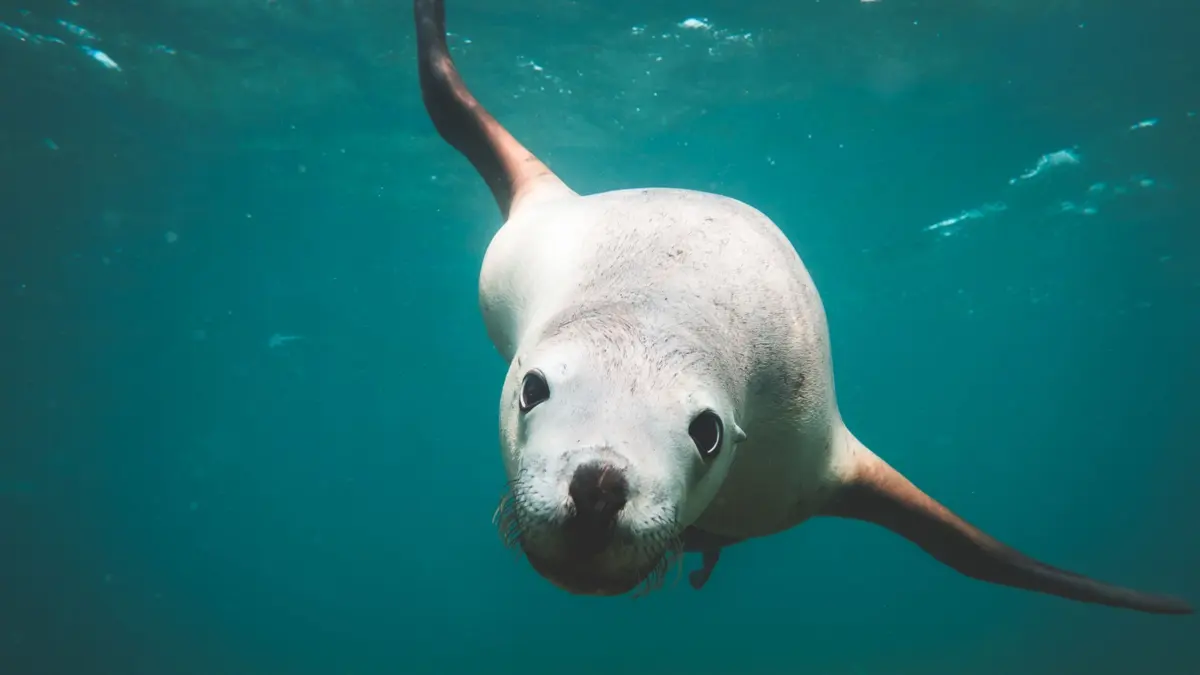
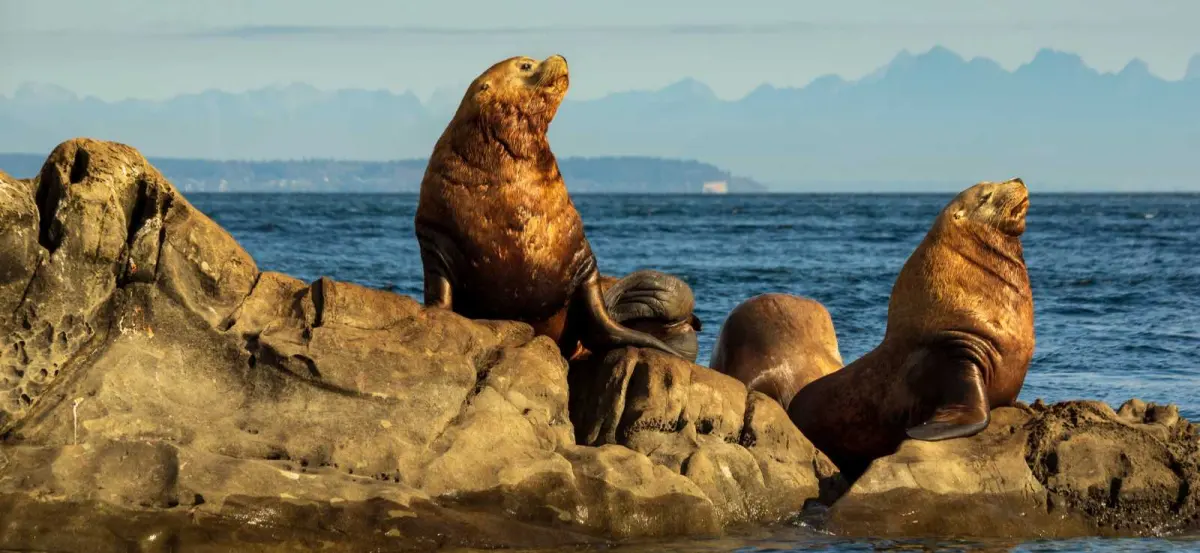
The lifespan of a sea lion is heavily influenced by its specific species and the unique ecological niche it occupies. The California sea lion, perhaps the most recognizable member of the family, generally lives about 15 to 20 years in the wild. In contrast, the Steller sea lion, which is significantly larger and more robust, has a similar life expectancy but faces different survival pressures in the harsh waters of the North Pacific.
Other species, such as the South American sea lion, also follow this general pattern of living roughly two decades. Factors such as prey availability, predation by sharks or killer whales, and exposure to environmental toxins play a significant role in determining whether an individual reaches the upper end of its potential lifespan. Because these animals are social mammals, their survival is often tied to the health of their colony and the stability of their local marine ecosystem.
Why do some sea lions live longer than others?
Several biological and environmental factors dictate the longevity of these marine mammals. One primary factor is sexual dimorphism, as males are often much larger than females and expend immense amounts of energy defending breeding territories. This constant physical exertion and the risk of injury during combat can lead to higher mortality rates among mature bulls compared to the more stable life patterns of females.
Beyond biological differences, external threats significantly impact life expectancy. Younger sea lions are particularly vulnerable to predation, while older individuals may struggle to hunt effectively as their teeth wear down or they succumb to common marine diseases. The following list highlights key variables that influence individual longevity:
- Access to consistent, high-calorie food sources like schooling fish and squid.
- Exposure to harmful algal blooms, which produce toxins that can cause neurological damage.
- The prevalence of local predators, including great white sharks and orcas.
- The presence of parasites or infectious diseases that can spread rapidly through dense colonies.
How does life in captivity compare to the wild?
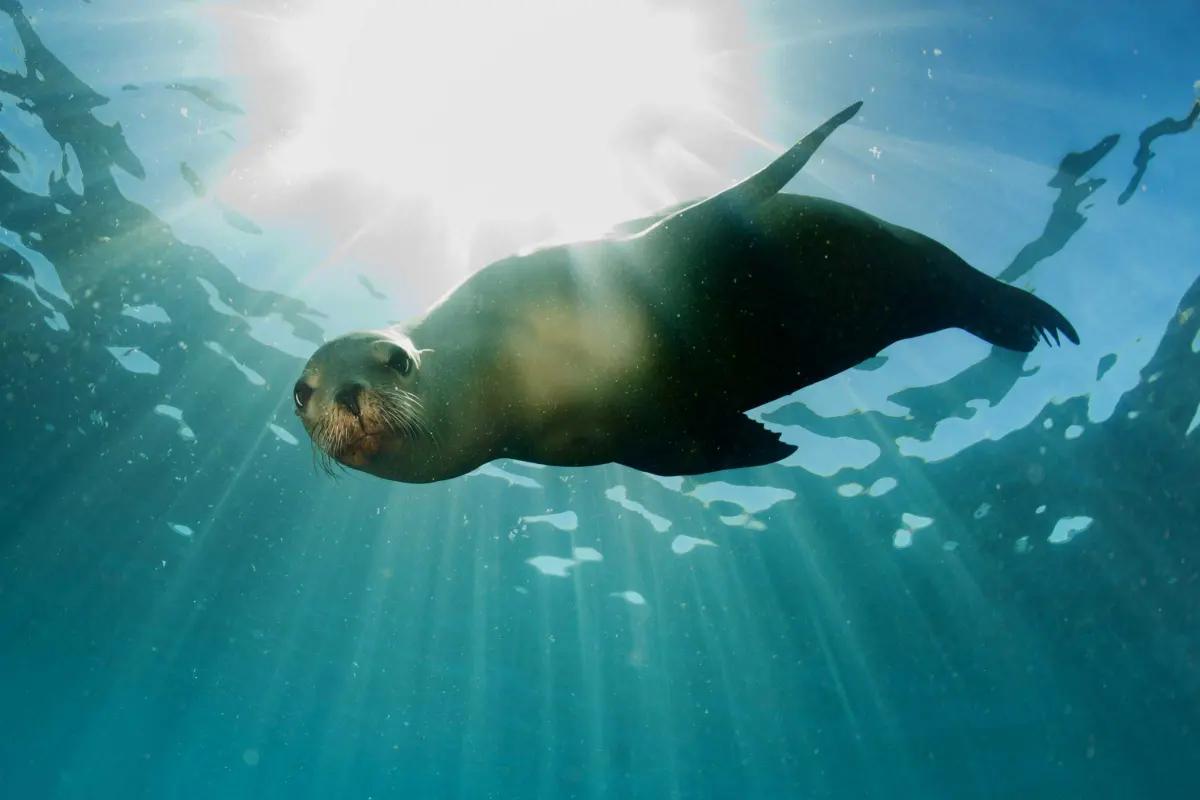
Sea lions housed in accredited zoos and aquariums often live longer than their wild counterparts, sometimes reaching ages of 30 years or more. This longevity is primarily due to the absence of natural predators, the elimination of starvation risks, and the availability of immediate, high-quality medical intervention. In these controlled environments, keepers monitor health markers daily, allowing for the early detection and treatment of conditions that would be fatal in the ocean.
However, life in captivity presents its own set of challenges that researchers must manage carefully. Maintaining the physical and psychological health of these intelligent animals requires rigorous enrichment programs and specialized nutrition. While they are protected from environmental hazards, they must still be stimulated through training and social interaction to prevent lethargy. The following steps are standard practices for maintaining the health of captive sea lions:
- Conducting daily visual health checks to identify changes in skin, eyes, or behavior.
- Providing a balanced, varied diet of restaurant-quality fish supplemented with essential vitamins.
- Implementing regular dental examinations to prevent infections that could impact overall health.
- Ensuring water quality in enclosures is strictly maintained to prevent skin and eye irritation.
What are common mistakes when estimating sea lion age?
Determining the age of a wild sea lion is notoriously difficult, and amateur observers often make mistakes by relying solely on physical size. While a sea lion might look fully grown, it could be a juvenile that has reached its adult size but lacks the experience and mass of a mature bull. Conversely, older sea lions may appear thinner or have scarred skin, which can be misidentified as signs of illness rather than the natural wear and tear of a long life.
Another common error is assuming that all individuals within a species age at the same rate. Environmental stressors, such as El Niño events that deplete fish populations, can cause significant fluctuations in the health and survival rates of a colony. Observers often fail to account for these external pressures, leading to inaccurate assumptions about the average lifespan of a group. To gain a true understanding of age, scientists rely on sophisticated methods like counting growth rings in teeth or tracking tagged individuals over several decades.
How can humans support sea lion longevity?
Supporting the long-term survival of sea lions requires a commitment to ocean conservation and the mitigation of human-related threats. One of the most effective ways to help is by reducing plastic pollution, as sea lions frequently become entangled in abandoned fishing gear and marine debris. These entanglements cause deep wounds, restrict movement, and lead to infections that drastically shorten the animal's life. By participating in local beach cleanups and supporting sustainable fishing practices, individuals can directly reduce the hazards these animals face.
Furthermore, minimizing human disturbance at haul-out sites is crucial for the health of nursing mothers and pups. When humans approach too closely, sea lions may panic and abandon their young, leading to increased pup mortality. Respecting protected areas and maintaining a safe distance while viewing these animals in the wild ensures they can conserve their energy for hunting and reproduction. By prioritizing the health of the marine environment, we contribute to a future where sea lions can reach their full biological potential in the wild.
Key facts
- Most wild sea lions live between 15 and 20 years, depending on their species and environment.
- The California sea lion, the most common species, typically reaches 15 to 20 years in the wild.
- Steller sea lions, the largest species, often have shorter average lifespans, usually around 10 to 15 years.
- Sea lions in captivity often live longer, frequently reaching 25 to 30 years due to veterinary care and consistent food.
- Predators like great white sharks and orcas are the primary cause of premature death for younger sea lions.
- To identify an elderly sea lion, look for a lighter, greying coat and increased scarring around the head and neck.
The bottom line
While wild sea lions typically live for 15 to 20 years, their longevity is heavily influenced by environmental stressors, predation, and food availability. Those living in protected environments often exceed these averages, demonstrating the impact of consistent care. Understanding these life cycles helps conservationists better protect these marine mammals from human-made threats, ensuring that populations remain stable and healthy within their natural ocean habitats for years.
People also ask
Do male and female sea lions live for the same amount of time?
Generally, females tend to live longer than males. Males face higher mortality rates due to intense physical competition and territorial fighting during breeding seasons.
What is the main cause of death for sea lions in the wild?
Predation by sharks and orcas is a significant factor, but disease, pollution, and toxic algal blooms also claim many lives. Human-related threats, such as entanglement in fishing gear, remain a major concern.
How can you tell how old a sea lion is?
Scientists determine age by examining growth rings in the teeth, similar to counting rings on a tree. In the field, researchers estimate age based on body size, tooth wear, and the presence of a sagittal crest on males.
Do sea lions suffer from age-related diseases?
Yes, older sea lions are susceptible to cancer, arthritis, and organ failure. Researchers have noted a rise in urogenital carcinoma in older California sea lions, often linked to environmental contaminants.
At what age do sea lions reach adulthood
Sea lions generally reach sexual maturity between 4 and 6 years of age. However, males often do not become strong enough to hold a breeding territory until they are closer to 10 years old.
Are sea lions considered endangered?
The status varies by species. The California sea lion is currently listed as "Least Concern," while the Steller sea lion is considered "Near Threatened" in parts of its range due to population declines.
This answer was created with the help of AI research tools and reference sources. Spotted an error? Let us know — we correct mistakes quickly. See our editorial policy.