How many colors can the human eye see?
Short answer
The average human eye can distinguish approximately one million distinct colors. This capacity relies on three types of cone cells in the retina, which detect red, green, and blue light wavelengths. By combining these signals, the brain creates a vast spectrum of hues, though individual variations in genetics and environment influence perception.
On this page
How do human eyes perceive color?
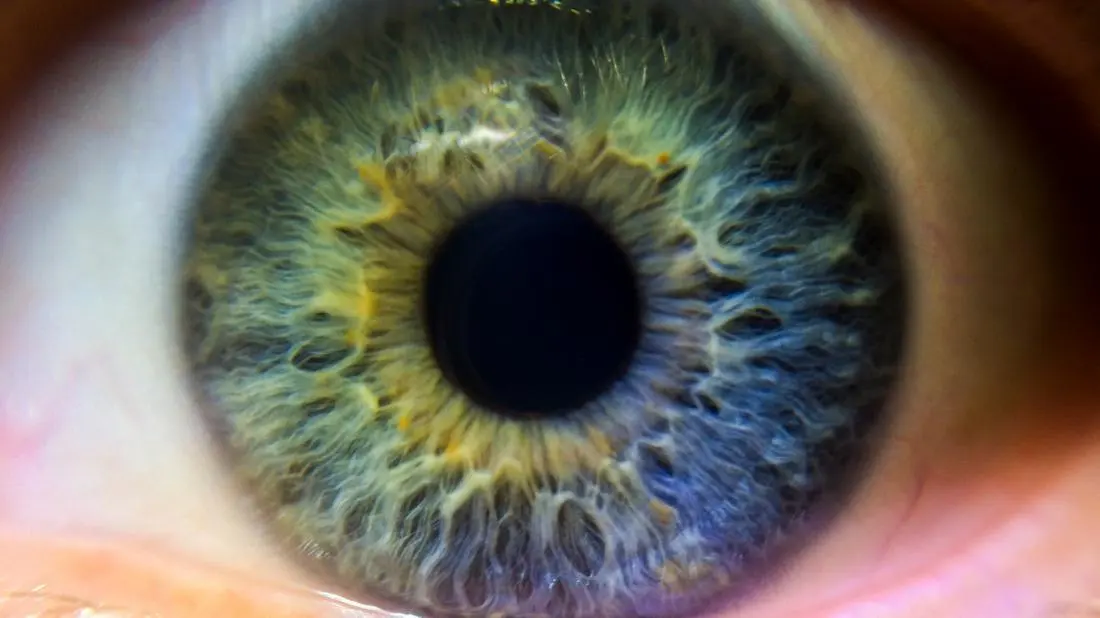
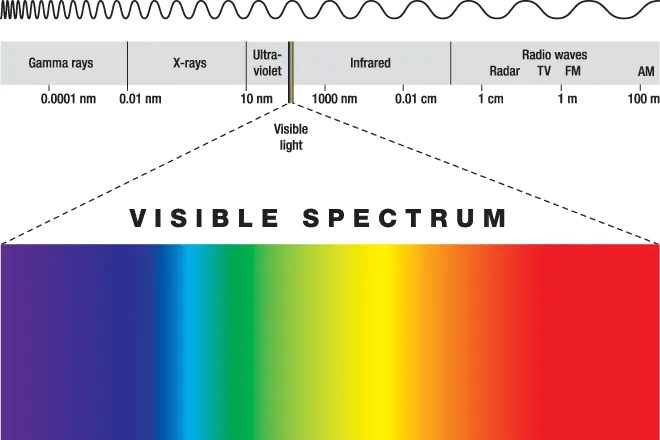
Human color vision is primarily a result of phototransduction, the process by which light is converted into electrical signals. This occurs within the retina, a thin layer of tissue at the back of the eye containing specialized photoreceptor cells known as cones. Most people possess three types of cones, each sensitive to different portions of the visible light spectrum: short (blue), medium (green), and long (red) wavelengths.
When light enters the eye, it stimulates these cones in varying proportions. The brain’s visual cortex then interprets these signals to determine the specific hue, saturation, and brightness of an object. This trichromatic system allows for the blending of primary colors into the millions of shades humans identify daily. While the number of cones is relatively fixed, the way the brain processes this input can vary significantly between individuals.
Why does color perception vary between people?
While the theoretical limit is around one million colors, biological and environmental factors cause significant differences in how individuals experience color. Genetic variations, such as those affecting the density or sensitivity of cone cells, can lead to color vision deficiencies. For instance, red-green color blindness is a common condition where the red or green cones do not function optimally, reducing the total range of perceivable colors.
Beyond genetics, age and environmental exposure play critical roles in visual acuity. As people age, the lens of the eye may yellow, which can filter out shorter wavelengths and alter color perception. Furthermore, some individuals possess a rare condition called tetrachromacy, where they have a fourth type of cone cell. This allows them to perceive a much broader spectrum of colors than the average person, identifying subtle variations that appear identical to others.
- Genetic mutations affecting cone sensitivity.
- Age-related changes in lens transparency.
- Environmental lighting conditions during development.
- Neurological differences in how the brain processes visual signals.
How can you test your color vision?
Testing your color perception is a straightforward process often conducted by optometrists using standardized tools. The most well-known method is the Ishihara test, which consists of a series of plates featuring colored dots. Within these patterns, individuals with typical color vision can identify specific numbers or shapes, while those with deficiencies may struggle to distinguish the figures from the background.
If you are interested in assessing your own color vision, you can follow these steps to perform a basic screening:
- Find a well-lit room with natural light to ensure accurate color rendering.
- Visit a reputable online vision screening site that uses standardized color plates.
- View the screen at a consistent distance, typically about 15 to 20 inches away.
- Record your results for each plate, ensuring you do not strain your eyes during the process.
Common mistakes when evaluating color vision
Many people make errors when assessing their color perception, often leading to inaccurate conclusions about their visual capabilities. One of the most frequent mistakes is using an uncalibrated monitor or screen. Digital displays vary widely in their color accuracy, and poor screen settings can make it difficult to differentiate between subtle shades, leading to a false impression of color blindness.
Another common pitfall is ignoring the impact of ambient lighting. Colors look different under incandescent bulbs, fluorescent lights, and direct sunlight. Attempting to judge color accuracy in a dimly lit room or under harsh, flickering lights can skew your results. Furthermore, rushing through a test or failing to account for eye fatigue can lead to errors. It is essential to take breaks and ensure your eyes are rested before attempting any formal or informal color assessment.
- Relying on non-calibrated screens or mobile devices.
- Testing in rooms with poor or inconsistent lighting.
- Failing to account for eye fatigue after long periods of screen time.
- Assuming that a single failed test indicates a permanent vision disorder.
How to improve your color discrimination skills
While you cannot change the number of cones in your eyes, you can train your brain to become more sensitive to subtle color differences. Artists, graphic designers, and quality control specialists often engage in "color training" to improve their ability to distinguish between near-identical hues. This practice involves regularly comparing color swatches and identifying the specific components of a color, such as its warmth or coolness.
You can improve your color sensitivity by practicing these exercises:
- Sort color chips or paint swatches from lightest to darkest to heighten your awareness of saturation.
- Attempt to describe the specific undertones in objects, such as identifying the blue or yellow base in a shade of green.
- Use professional-grade color matching tools to compare physical objects under controlled light sources.
- Limit exposure to intense blue light from digital screens, which can temporarily desensitize your photoreceptors.
By consistently engaging with color in a deliberate manner, you can sharpen your perception and become more adept at identifying the nuances within the vast spectrum that the human eye is capable of seeing.
Key facts
- The average human eye can distinguish approximately one million distinct color variations.
- Most humans are trichromatic, meaning they possess three types of cone cells in the retina sensitive to red, green, and blue light.
- Color perception is not just a physiological process but a neurological one, as the brain interprets signals from the eyes to create color.
- Tetrachromacy is a rare genetic condition where a person possesses a fourth type of cone cell, potentially allowing them to see millions more colors.
- Lighting conditions, surface texture, and individual biology significantly influence how colors are perceived in real-world environments.
- To test your color sensitivity, use standardized tools like the Farnsworth-Munsell 100 Hue Test rather than uncalibrated digital screens.
The bottom line
While the human eye is a remarkably sophisticated organ capable of distinguishing roughly one million unique color variations, this ability is fundamentally limited by our biological hardware. Most people rely on three types of cone cells to interpret the visible light spectrum. Understanding that color is a subjective neurological experience helps explain why individual perception varies, highlighting the importance of standardized testing for professional color-critical tasks.
People also ask
Why do some people see colors differently than others?
Differences in color perception often stem from variations in the density or sensitivity of cone cells in the retina. Color blindness, the most common variation, occurs when one or more types of cone cells are missing or malfunctioning.
Can animals see more colors than humans?
Many animals possess different visual capabilities; for example, mantis shrimp have up to 16 types of photoreceptors, allowing them to perceive ultraviolet and polarized light. Conversely, many mammals, such as dogs, have dichromatic vision and see a much narrower spectrum than humans.
Does age affect how we perceive color?
Yes, as humans age, the lens of the eye can yellow and lose transparency, which often filters out shorter wavelengths like blue and violet. This natural degradation can make it harder to distinguish between subtle shades of similar colors over time.
What is the difference between hue, saturation, and brightness?
Hue is the actual color name, such as red or blue, while saturation refers to the intensity or purity of that color. Brightness, or value, describes how light or dark a specific color appears to the observer.
Can digital screens display every color the human eye can see?
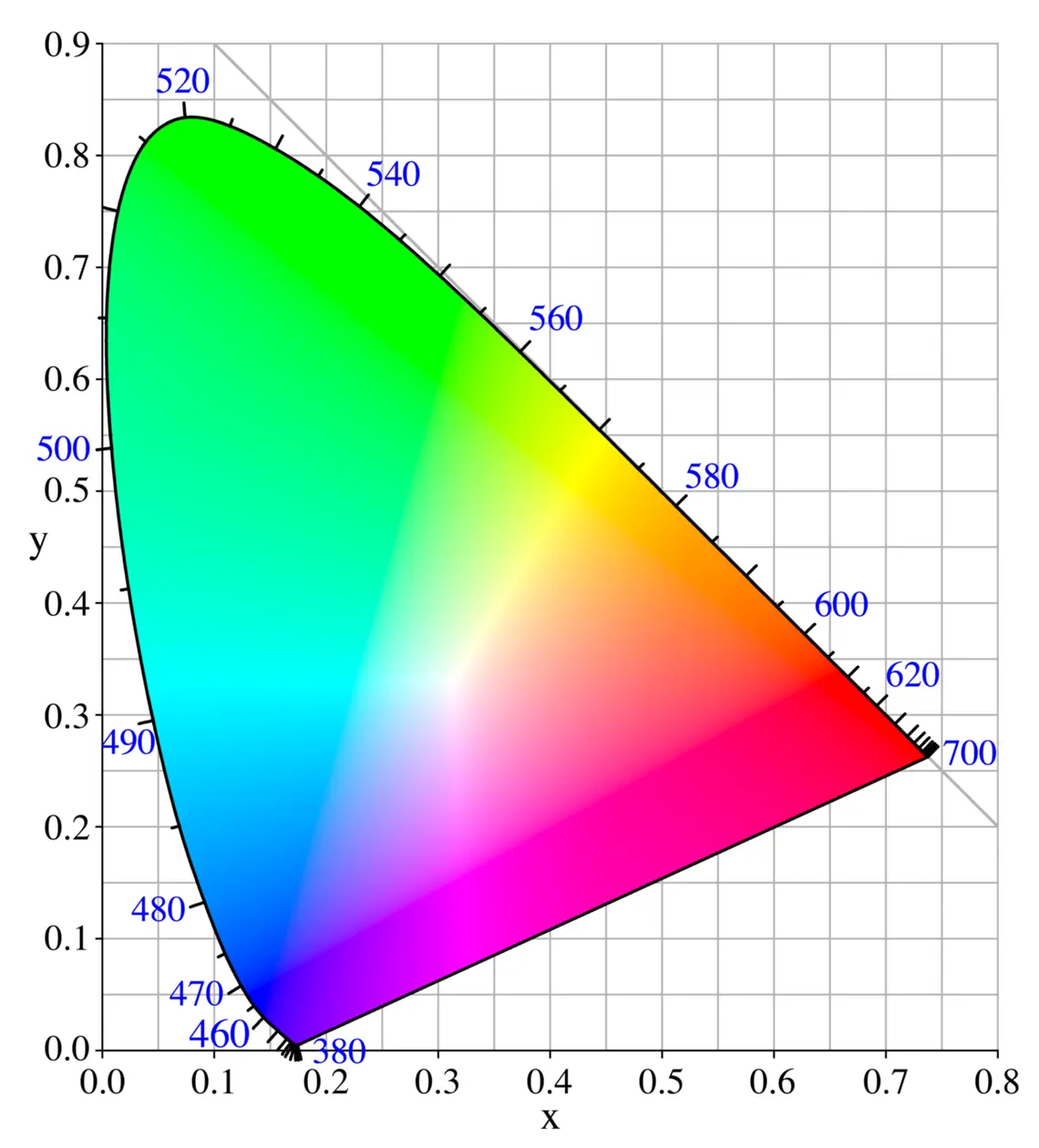
No, current display technologies like sRGB or even DCI-P3 color gamuts cover only a fraction of the total visible spectrum. Screens are limited by the physical capabilities of their pixels to emit specific wavelengths of light.
How can I improve my color discrimination skills?
You can practice color matching and sorting exercises to train your brain to notice subtle differences in shade and tone. Consistent exposure to high-quality art and nature, while consciously identifying variations, helps sharpen your visual acuity over time.
This answer was created with the help of AI research tools and reference sources. Spotted an error? Let us know — we correct mistakes quickly. See our editorial policy.