
Science & Nature
What colors can dogs see?
Dogs see the world primarily in shades of blue and yellow, a spectrum known as dichromatic vision. Unlike humans, who possess…
Questions and answers about color.
Dogs see the world primarily in shades of blue and yellow, a spectrum known as dichromatic vision. Unlike humans, who possess…
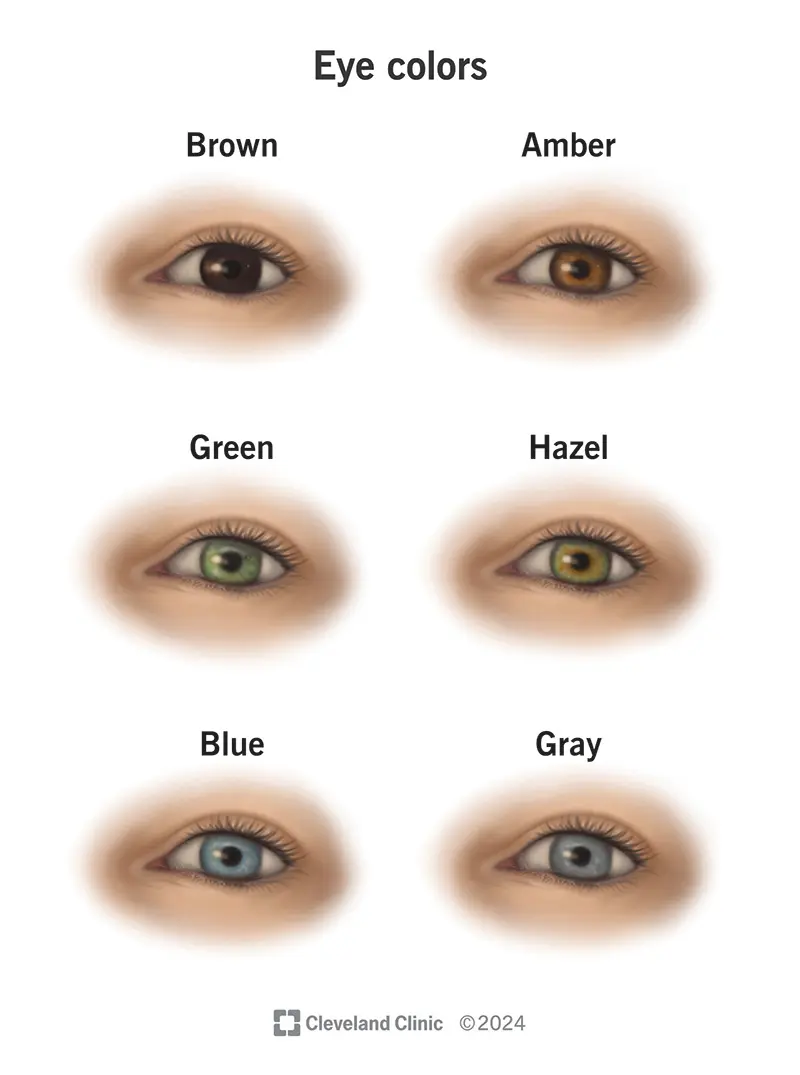
Eyes perceive color through specialized photoreceptor cells called cones located in the retina. These cells contain pigments…
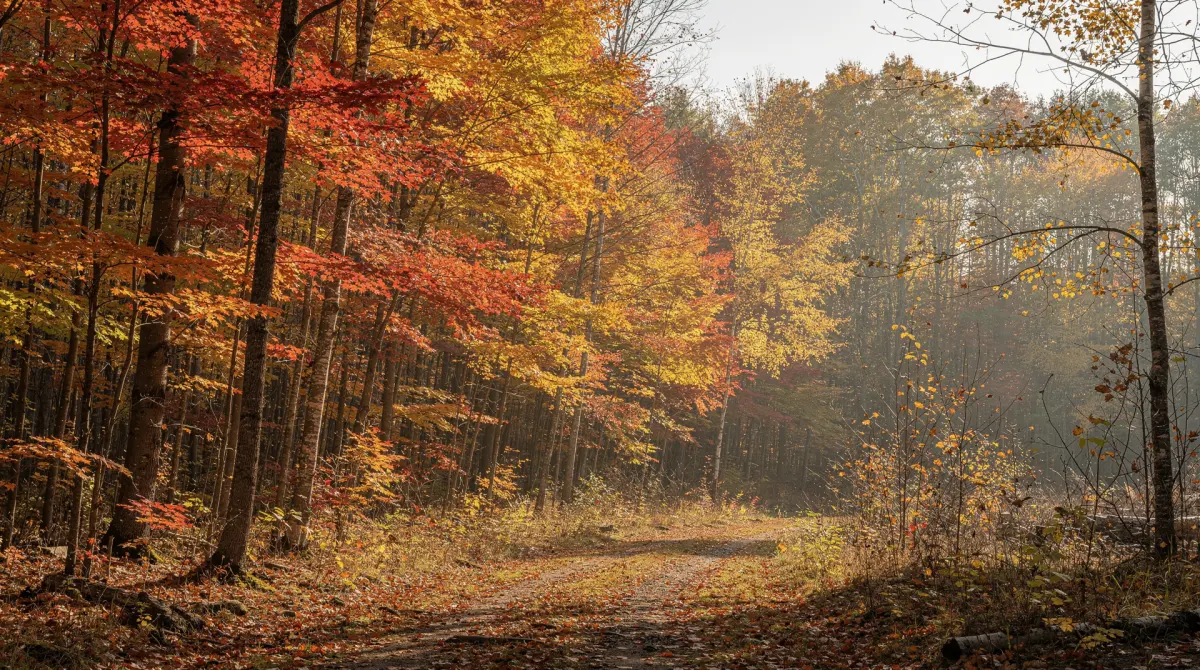
Vancouver offers spectacular fall foliage from early October through mid-November. Prime viewing locations include Stanley Park…
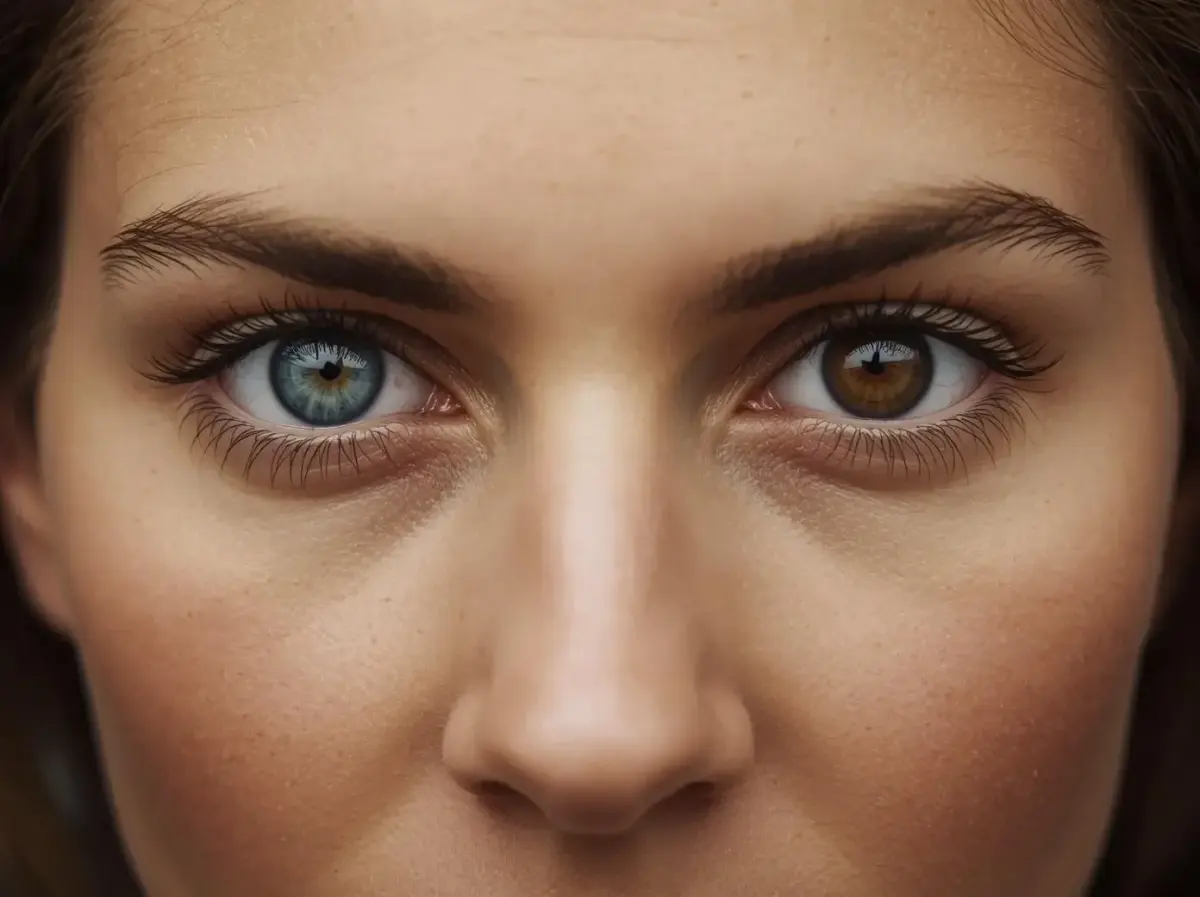
Eye color is determined by the amount and quality of melanin pigment in the iris stroma. Genetic variations inherited from…
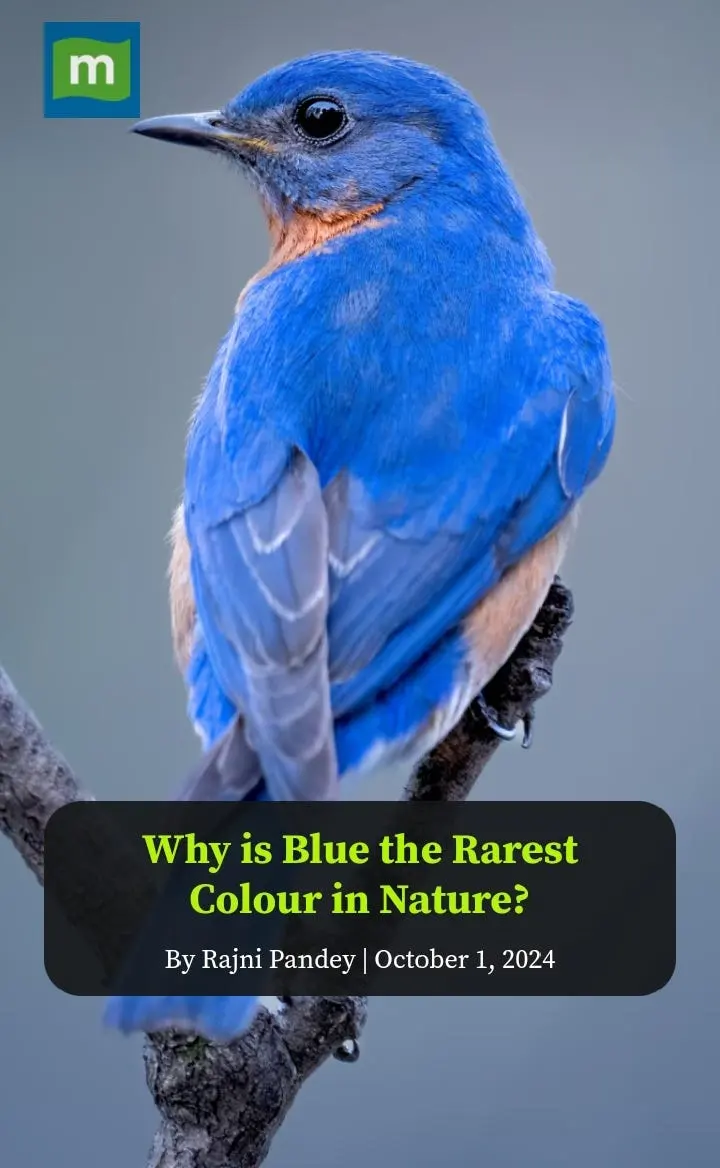
Blue is widely considered the rarest color in nature. While the sky and ocean appear blue, this is due to light scattering…
Blue is widely considered the most popular color in the world. Numerous cross-cultural surveys and psychological studies…
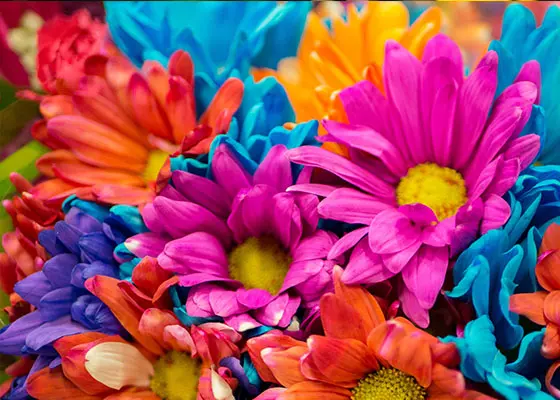
Flowers get their color primarily from specialized pigments stored within their cell vacuoles. The most significant groups are…
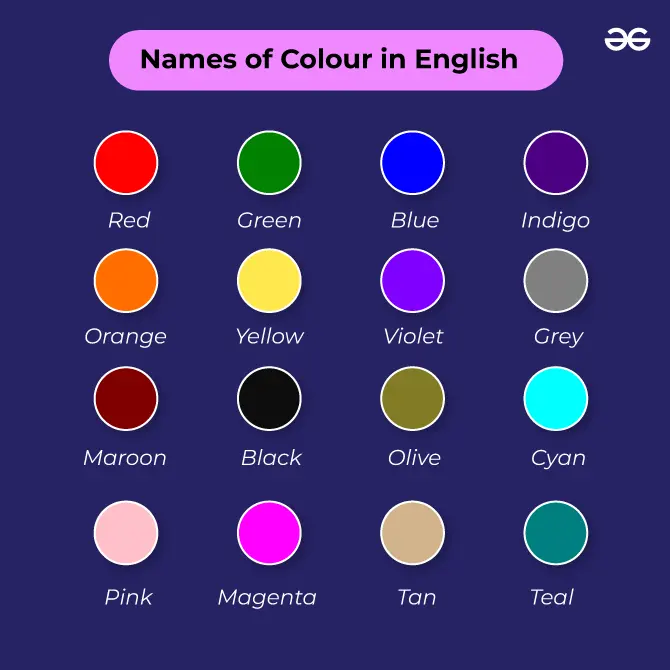
Colors are named through a combination of historical linguistic evolution, scientific categorization, and commercial branding…
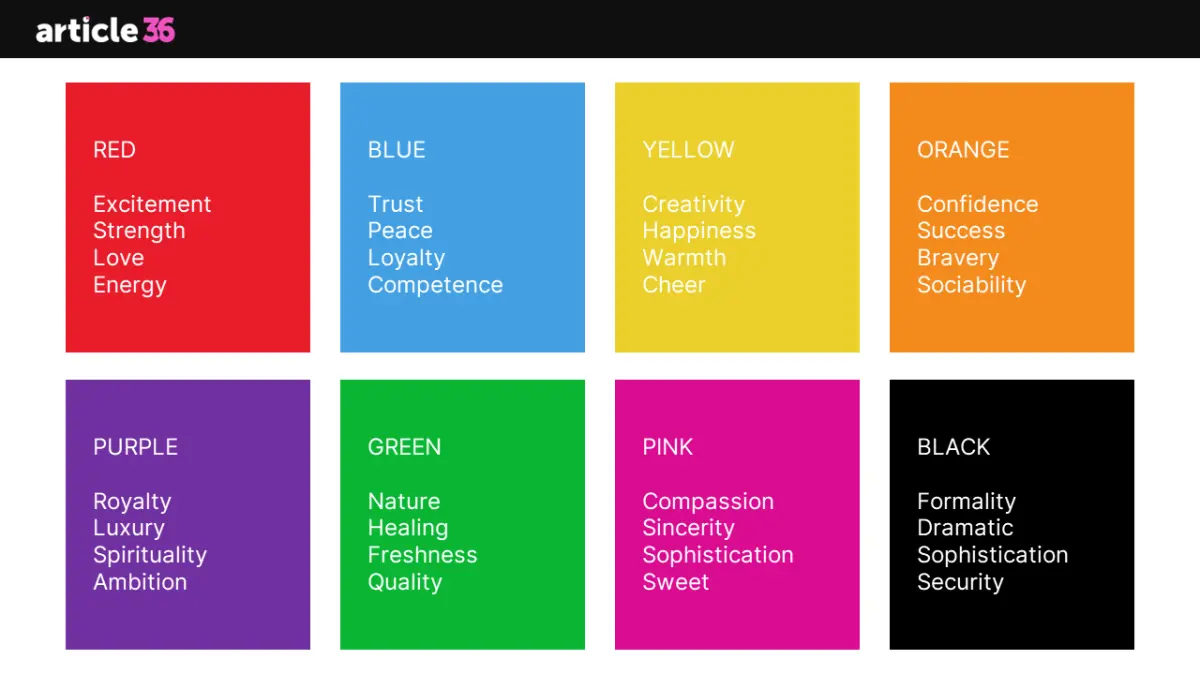
Certain colors promote calmness by triggering physiological responses linked to our evolutionary history. Cool tones like blue…

The association of red with danger stems from a combination of biological evolution and cultural conditioning. Humans evolved to…
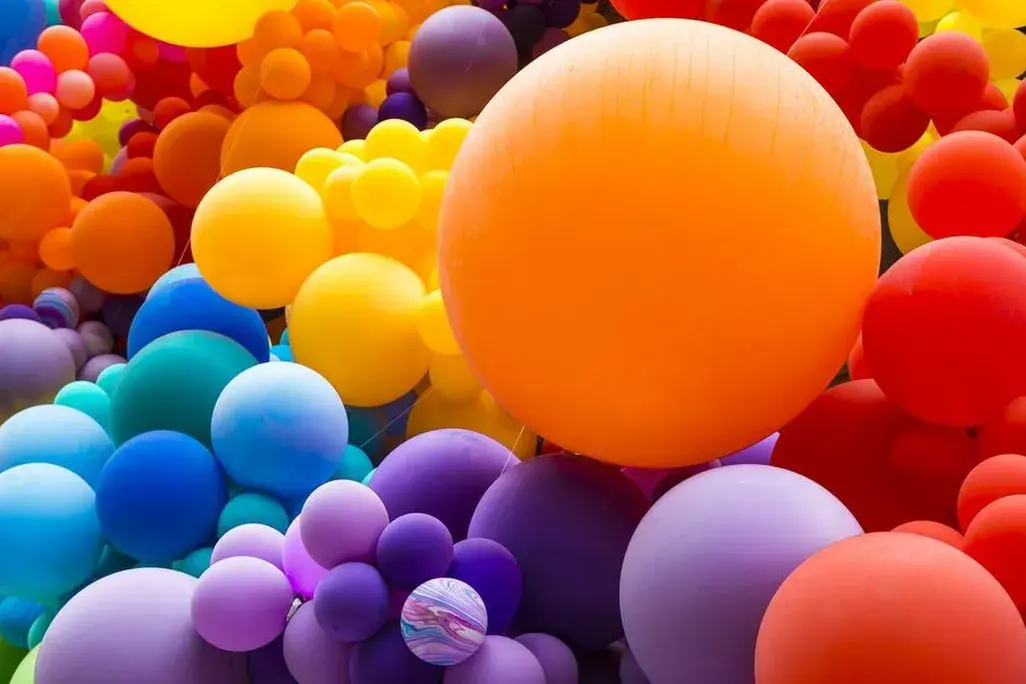
We see colors because the human eye detects specific wavelengths of visible light reflected off objects. Specialized cells in…

Cats see the world primarily in shades of blue, gray, and yellow. While they are not colorblind in the traditional sense, their…
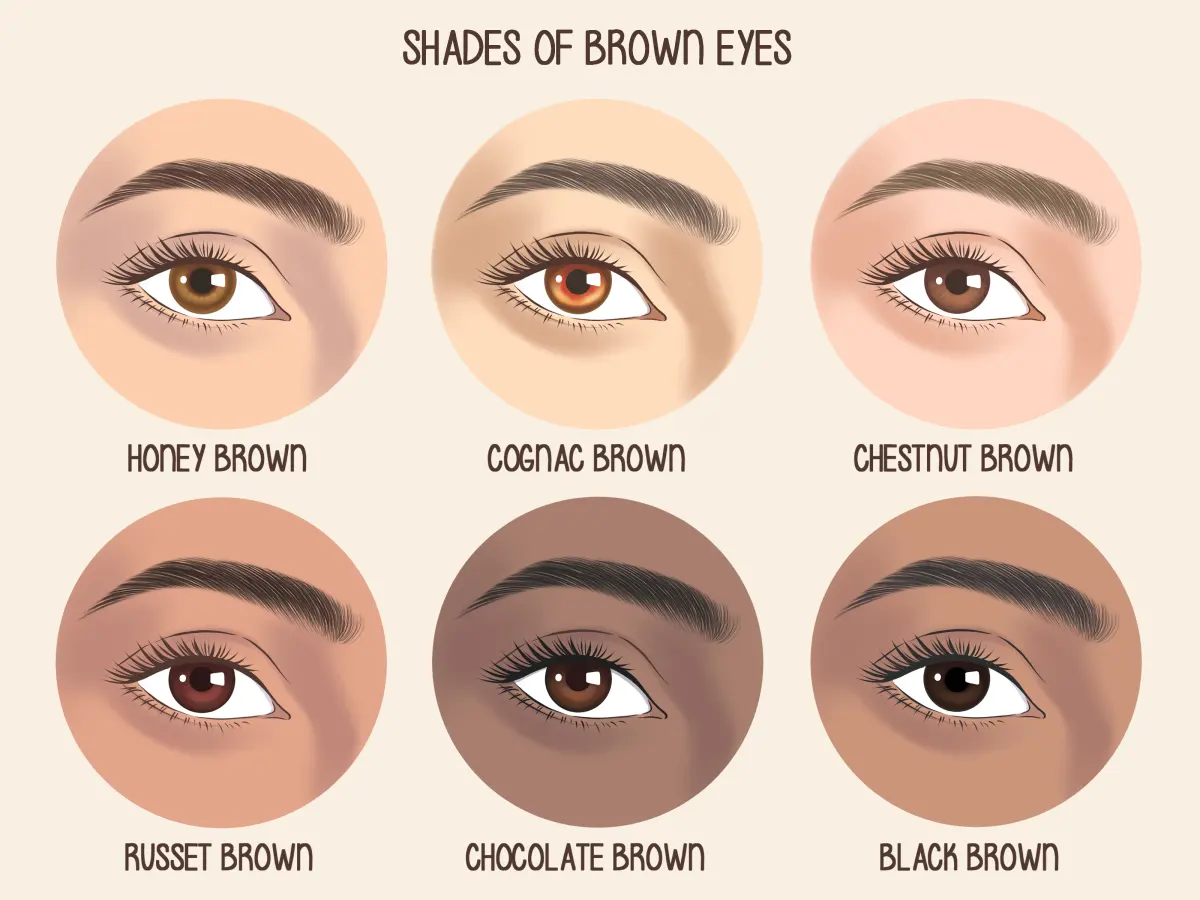
Eye color is determined by the amount and quality of melanin pigment in the iris stroma. Genetic inheritance from parents…
Sir Isaac Newton is credited with inventing the first color wheel in 1666. By refracting white light through a prism, he…
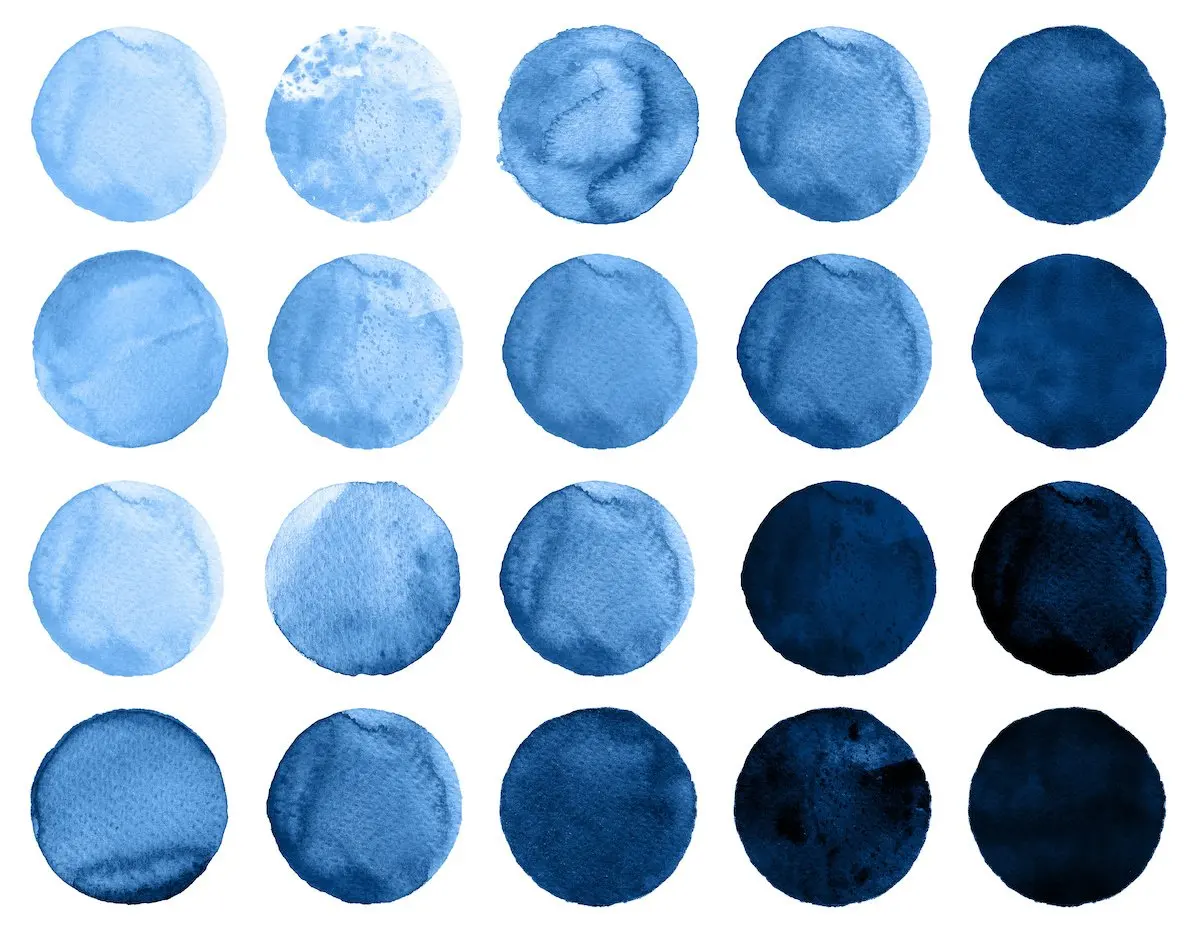
Blue is the most popular color globally because of its deep association with positive, stable elements in the natural world…
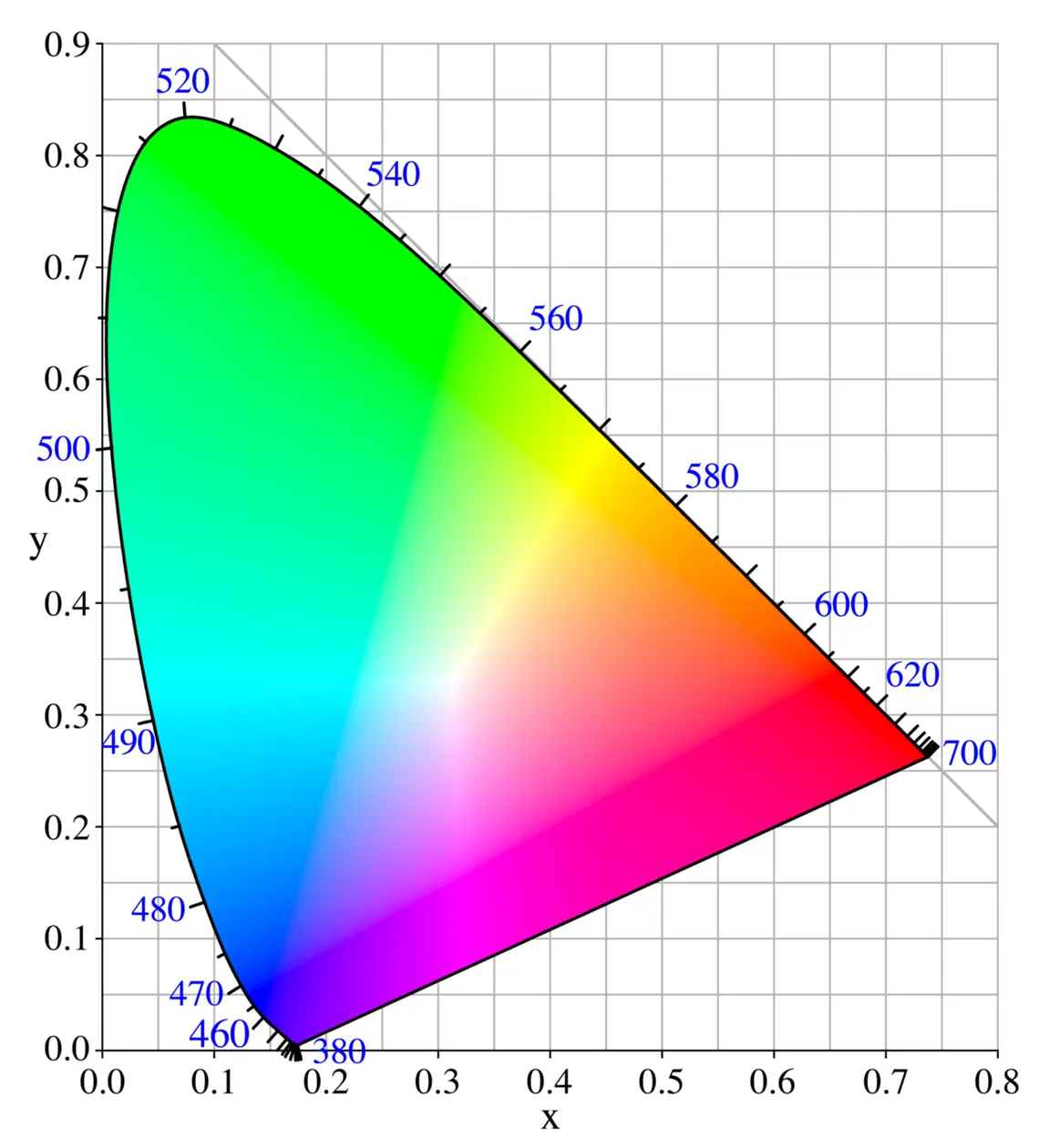
The average human eye can distinguish approximately one million distinct colors. This capacity relies on three types of cone…
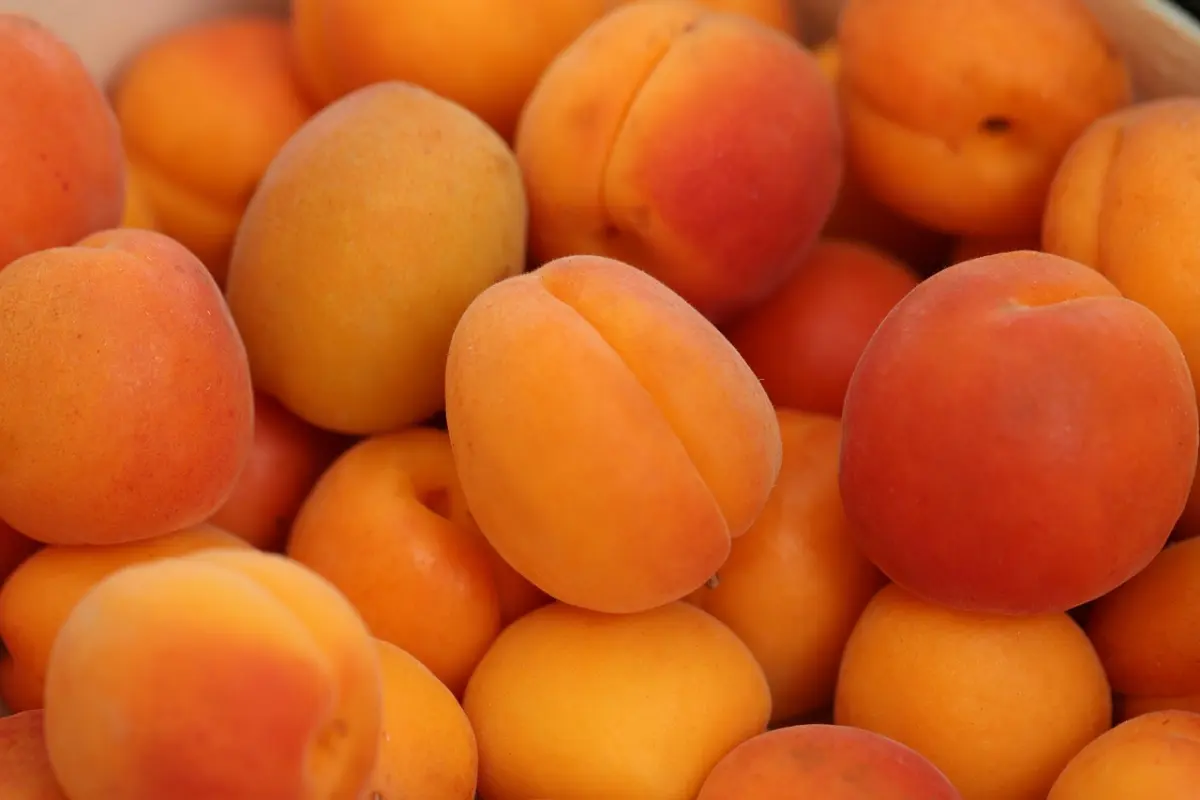
The color orange was named after the fruit because the word arrived in English via Old French and Middle English before the…
Most animals can see color, though their perception differs significantly from humans. While humans typically possess three…
James Clerk Maxwell is credited with creating the first durable color photograph in 1861. By photographing a tartan ribbon…
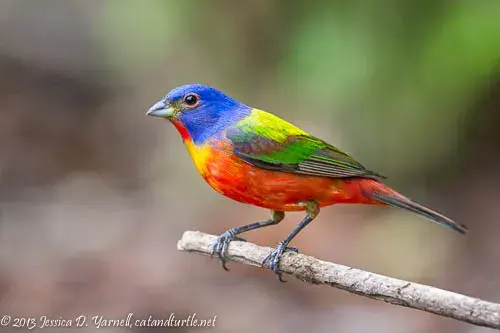
Birds possess tetrachromatic vision, meaning they see four primary colors: red, green, blue, and ultraviolet. Unlike humans, who…
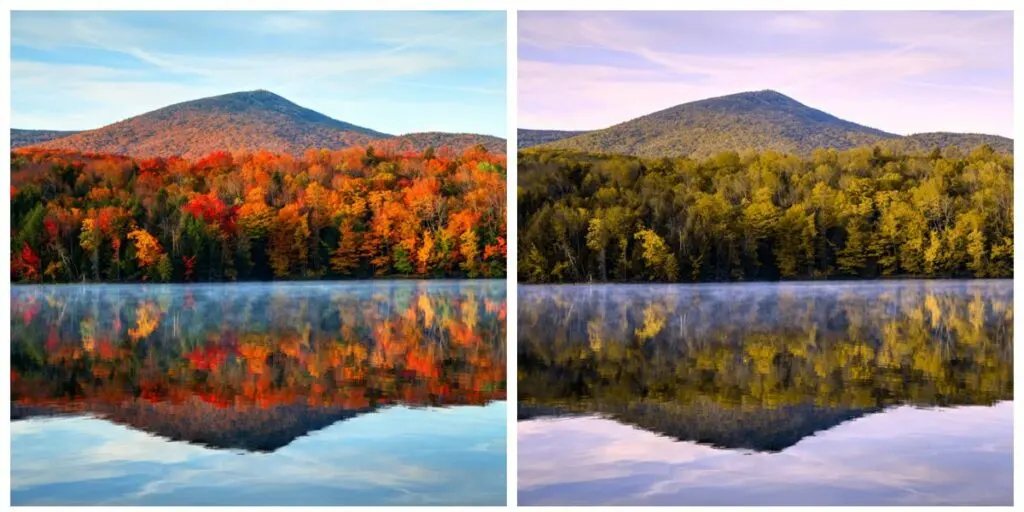
Color blindness is a vision deficiency that makes it difficult to distinguish between certain shades, most commonly reds and…
Flower colors communicate specific emotions and cultural messages, a tradition known as floriography. While meanings vary by…
Dogs perceive color through a dichromatic visual system, meaning they primarily see the world in shades of blue and yellow…
Green is widely considered the rarest natural human eye color, appearing in approximately 2 percent of the global population…