How are colors named?
Short answer
Colors are named through a combination of historical linguistic evolution, scientific categorization, and commercial branding. Most basic color terms derive from ancient roots describing light and dark, while modern names often reference natural objects, chemical pigments, or specific cultural trends. Today, naming systems rely on standardized codes like hex values to ensure digital precision.
On this page
How do languages develop color names?
Linguistic research suggests that languages follow a predictable pattern when developing color terms. Most cultures first identify "black" and "white," representing light and dark, followed by "red," which is associated with blood and fire. As societies evolve, they add terms for green and yellow, then blue, and eventually more complex shades. This progression, identified by researchers Brent Berlin and Paul Kay in 1969, shows that color naming is deeply tied to the human visual system and environmental necessity.
The way we name colors often reflects the resources available in a specific region. For example, cultures living in environments with specific flora or minerals may develop highly granular names for shades of brown or green that other languages group together. This process is not merely biological but cultural, as the importance of a color in daily life—such as the hue of a specific dye or a sacred pigment—often dictates its linguistic prominence.
Why do we use specific names for colors?
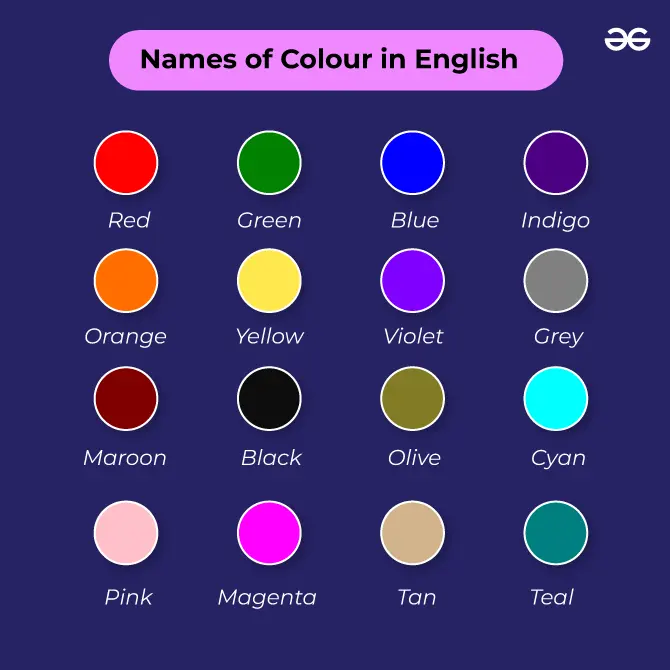
Color naming serves both functional and descriptive purposes. Historically, names were tied to the material source of a pigment, such as "ochre" from earth or "ultramarine" from crushed lapis lazuli. These names acted as a shorthand for artists and merchants to identify quality and composition. When a name is derived from an object, like "orange" (from the fruit) or "lavender" (from the flower), it provides an immediate sensory reference point that is easier to remember than a technical formula.
In modern times, naming has shifted toward marketing and psychological impact. Companies create evocative names for products to influence consumer perception, turning a simple "blue" into "midnight navy" or "electric cobalt." These names function by:
- Creating an emotional connection to the product.
- Suggesting a sense of luxury or exclusivity.
- Differentiating similar shades in a crowded retail market.
- Providing a narrative context for the color's application.
How are colors standardized in science?
To avoid the ambiguity of subjective names like "sky blue" or "forest green," scientists and industries use standardized systems. The most common is the Munsell Color System, which organizes colors by hue, value (lightness), and chroma (saturation). This system allows for precise communication in fields like soil science, where the exact color of a sample can indicate its chemical composition or moisture content.
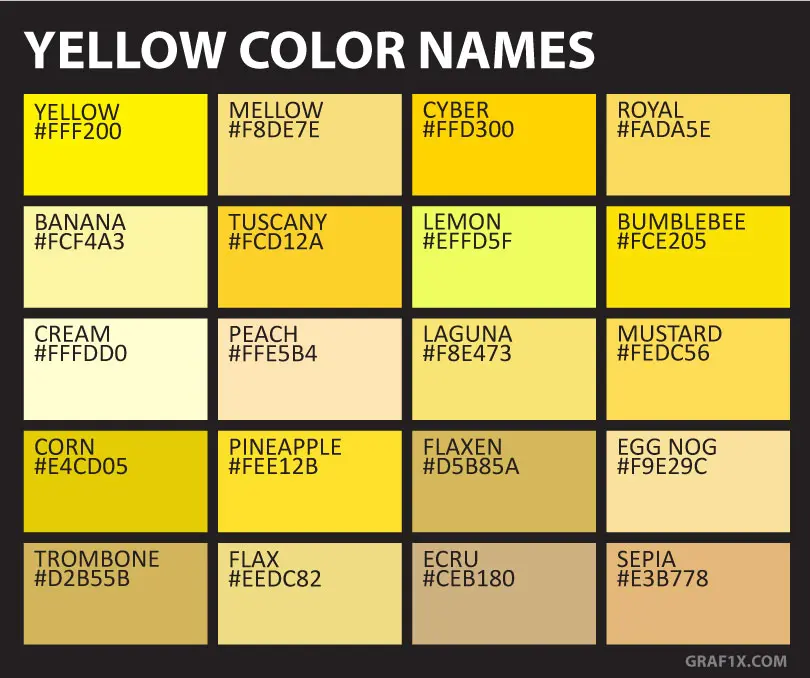
Digital environments rely on different methods to ensure colors appear accurately across devices. These systems use numerical values to define a color's position in a color space:
- Hexadecimal (Hex) codes: A six-digit code used in web design, such as #FF5733.
- RGB: A system based on the intensity of red, green, and blue light.
- CMYK: A subtractive model used for printing, based on cyan, magenta, yellow, and black.
- Pantone Matching System: A proprietary system used by designers to ensure colors remain consistent across different printing materials.
How can you name colors for a project?
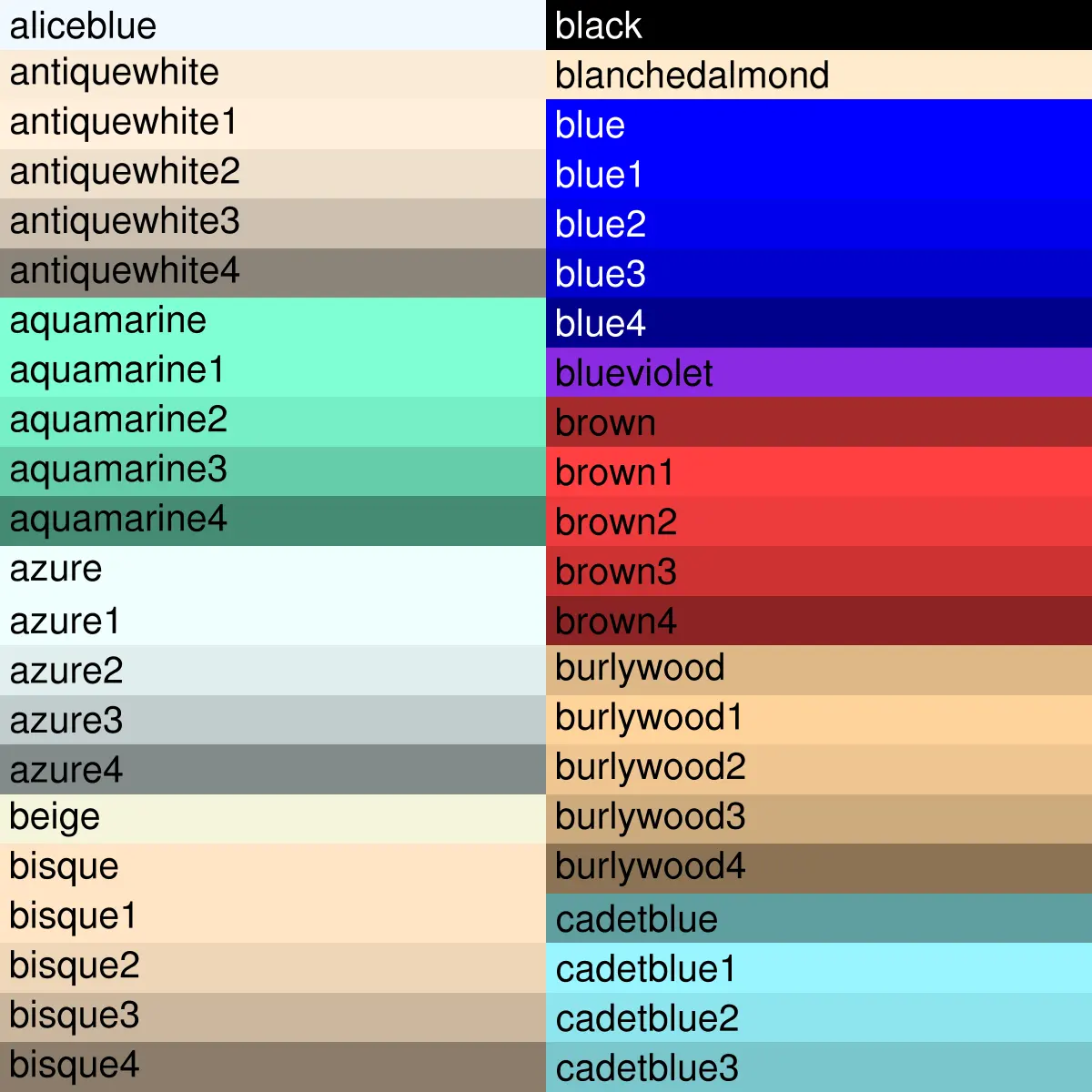
When naming colors for a design project or a brand, the goal is to balance clarity with personality. Start by identifying the primary emotion you want to evoke, then choose a name that aligns with that feeling. Avoid overly abstract or nonsensical names, as these can confuse your audience. Instead, focus on evocative language that bridges the gap between the visual experience and the intended message.
Follow these steps to create effective color names:
- Research existing names in your industry to avoid confusion.
- Use sensory adjectives that describe the texture or temperature of the color.
- Test the name with a focus group to ensure it conveys the desired tone.
- Keep the name concise so it is easy to remember and type.
- Ensure the name is distinct enough that it does not overlap with your other product offerings.
Common mistakes when naming colors
One of the most frequent errors is prioritizing creativity over accessibility. While a name like "whispering mist" might sound poetic, it fails to tell the user what the color actually looks like. If a customer cannot visualize the color based on the name, they are less likely to engage with the product. Always provide a visual swatch alongside the name to eliminate any ambiguity regarding the hue.
Another mistake is ignoring cultural connotations associated with color names. Certain colors carry specific meanings in different parts of the world, such as white representing purity in some Western cultures but mourning in others. Failing to account for these nuances can lead to unintended messaging or brand misalignment. Finally, avoid using names that are too similar, such as "light grey" and "pale grey," as this creates unnecessary friction for the consumer. By maintaining a logical, descriptive, and culturally aware naming strategy, you ensure that your color palette remains both functional and memorable for your target audience.
Key facts
- Most basic color terms in languages evolve in a predictable order: black and white first, followed by red, then green or yellow.
- The Munsell Color System, developed in 1905, organizes colors into a three-dimensional space based on hue, value, and chroma.
- Pantone, founded in 1963, created a standardized matching system that assigns unique numbers to specific ink colors for industrial consistency.
- The human eye can distinguish approximately 10 million different colors, but language typically categorizes them into a much smaller set of basic terms.
- Color names often originate from natural objects, such as "orange" (the fruit) or "indigo" (the dye).
- When naming colors for branding, avoid generic descriptors; use evocative, sensory-based names to increase consumer recall and emotional connection.
The bottom line
Naming colors is a blend of biological necessity, cultural evolution, and strategic marketing. While science provides the tools to measure and categorize the spectrum precisely, language remains a creative tool for human expression. Whether you are choosing paint or branding a product, remember that color names are subjective; always rely on standardized numeric codes or physical samples to ensure accuracy and avoid costly communication errors.
People also ask
Why do some colors have different names in different cultures?
Color perception is universal, but linguistic categorization varies based on environmental needs and cultural history. For example, some societies have a single word for both blue and green, known as "grue," while others distinguish dozens of shades based on local flora or light conditions.
How do paint companies come up with creative names like "Elephant Breath"?
Marketing teams use psychological associations to make colors more memorable and desirable. By pairing a visual shade with an evocative or luxury-coded name, companies create a narrative that influences how a customer perceives the color's personality.
Is there an official international standard for naming colors?
While there is no single global authority, the International Commission on Illumination (CIE) provides scientific standards for color measurement. Industries like textiles and printing rely on proprietary systems like Pantone or RAL to ensure color names correspond to exact chemical formulas.
Why is it difficult to describe a color to someone else?
Colors are subjective experiences that rely on individual biology and environmental lighting. Without a shared physical reference, such as a color swatch or a standardized numeric code, verbal descriptions remain imprecise and open to interpretation.
What is the difference between a hue, a tint, and a shade?
A hue is the pure color itself, such as red or blue. A tint is created by adding white to a hue, while a shade is created by adding black to a hue.
Can color names change over time?
Yes, language is fluid and color terminology evolves with technology and fashion. New names emerge to describe synthetic pigments or digital trends, while older terms may fall out of common usage as the materials they represent disappear from daily life.
This answer was created with the help of AI research tools and reference sources. Spotted an error? Let us know — we correct mistakes quickly. See our editorial policy.