What is stylization in art?
Short answer
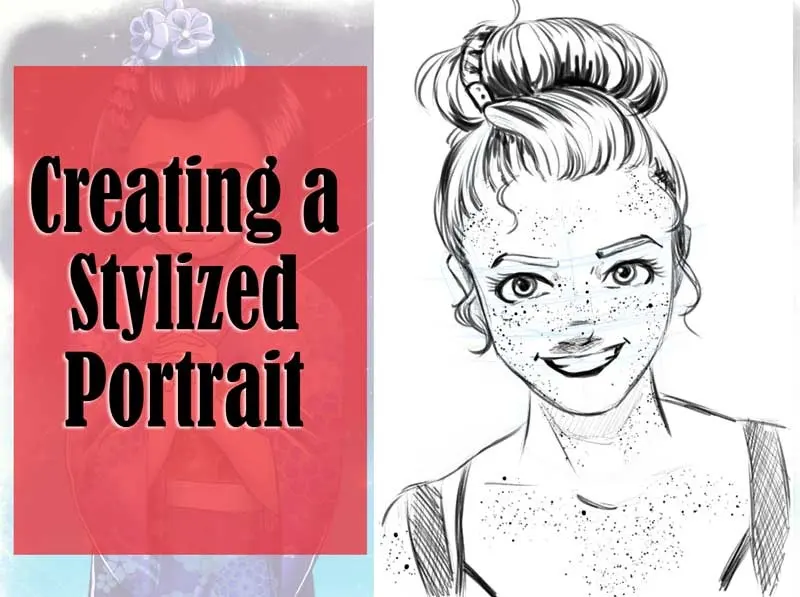
Stylization is the artistic process of intentionally departing from realistic representation to emphasize specific visual qualities, emotions, or design elements. Rather than attempting to mirror nature, an artist simplifies, distorts, or exaggerates forms, colors, and textures to create a unique aesthetic language that prioritizes expressive impact over photographic accuracy.
On this page
What is the purpose of stylization in art?
Stylization serves as a bridge between the artist’s internal vision and the external subject matter. By choosing to alter reality, creators can emphasize the "essence" of a subject rather than its physical surface. This approach allows for the highlighting of specific moods, such as the jagged, anxiety-filled lines of German Expressionism or the clean, harmonious geometry found in Art Deco. When an artist stylizes, they are essentially making a series of deliberate decisions about what to keep and what to discard.
This process is frequently employed to improve visual clarity or to establish a distinct brand identity. In graphic design and animation, for instance, complex details are often stripped away to make characters more readable and memorable. By focusing on essential silhouettes and simplified color palettes, artists ensure that their work communicates effectively across different mediums and scales. Stylization is not a lack of skill, but rather a mastery of visual hierarchy.
How do artists apply stylization techniques?
Artists employ several fundamental methods to move away from realism. These techniques involve manipulating the building blocks of visual art—line, shape, color, and perspective—to create a cohesive, non-naturalistic look. By applying these methods consistently, an artist can create a recognizable "style" that defines their body of work.
- Simplification: Reducing complex forms into basic geometric shapes like spheres, cubes, or cones.
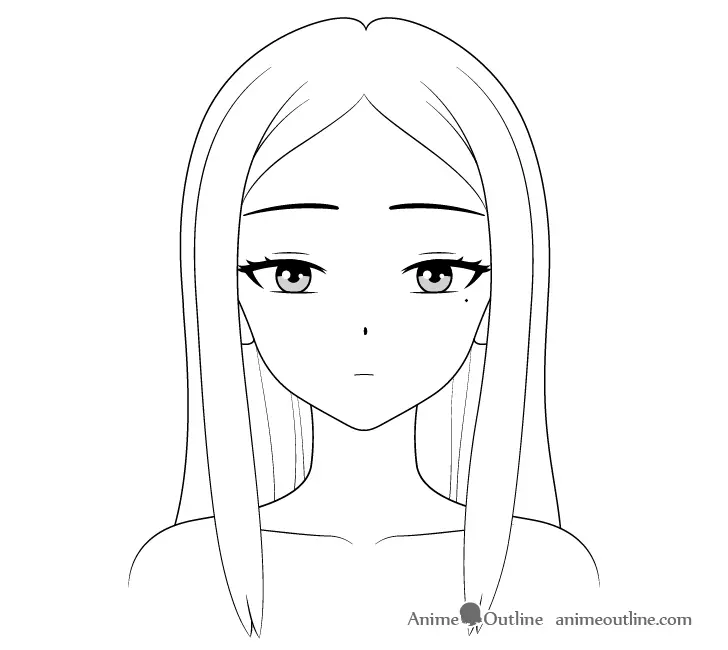
- Exaggeration: Increasing the scale of specific features, such as eyes in anime or limbs in caricature, to convey personality.
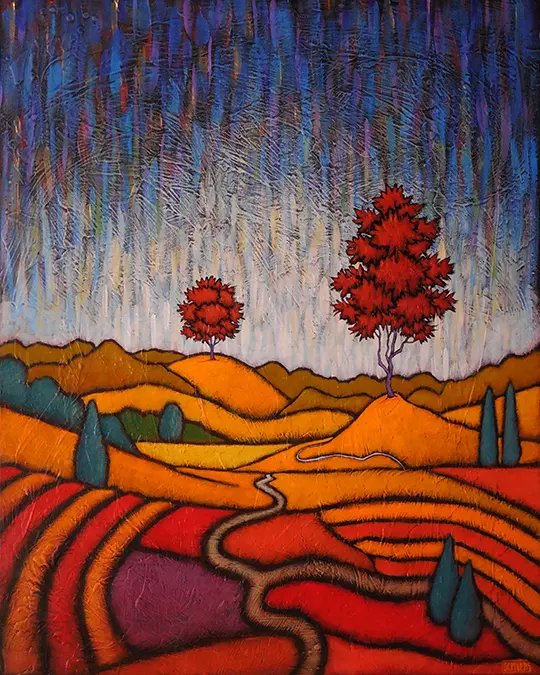
- Flattening: Removing three-dimensional modeling or shading to emphasize the two-dimensional surface of the canvas.
- Color Arbitrariness: Using colors based on emotional resonance rather than real-world accuracy, such as painting a sky green or skin tones in vibrant hues.
- Line Variation: Using thick, bold outlines to create a graphic, comic-book aesthetic that separates subjects from their backgrounds.
Why do artists choose to stylize their work?
The decision to stylize is often driven by the need for emotional impact or narrative efficiency. Realistic art can sometimes be distracting, as the viewer focuses on the technical accuracy of the rendering rather than the underlying message. Stylization removes these distractions, forcing the viewer to engage with the artist's subjective interpretation of the subject. This is why many historical movements, such as the Fauvism of the early 20th century, utilized bold, non-naturalistic colors to evoke raw, visceral feelings.
Furthermore, stylization helps artists solve practical problems related to production and medium constraints. In the early days of animation, for example, artists stylized characters to make them easier to draw repeatedly for thousands of frames. This necessity birthed the iconic "rubber hose" animation style of the 1920s. Today, this legacy continues in digital illustration, where artists use stylized shorthand to maintain consistency across large projects. Stylization is ultimately a tool for storytelling, allowing the artist to dictate exactly how the viewer experiences the work.
Common mistakes when learning to stylize
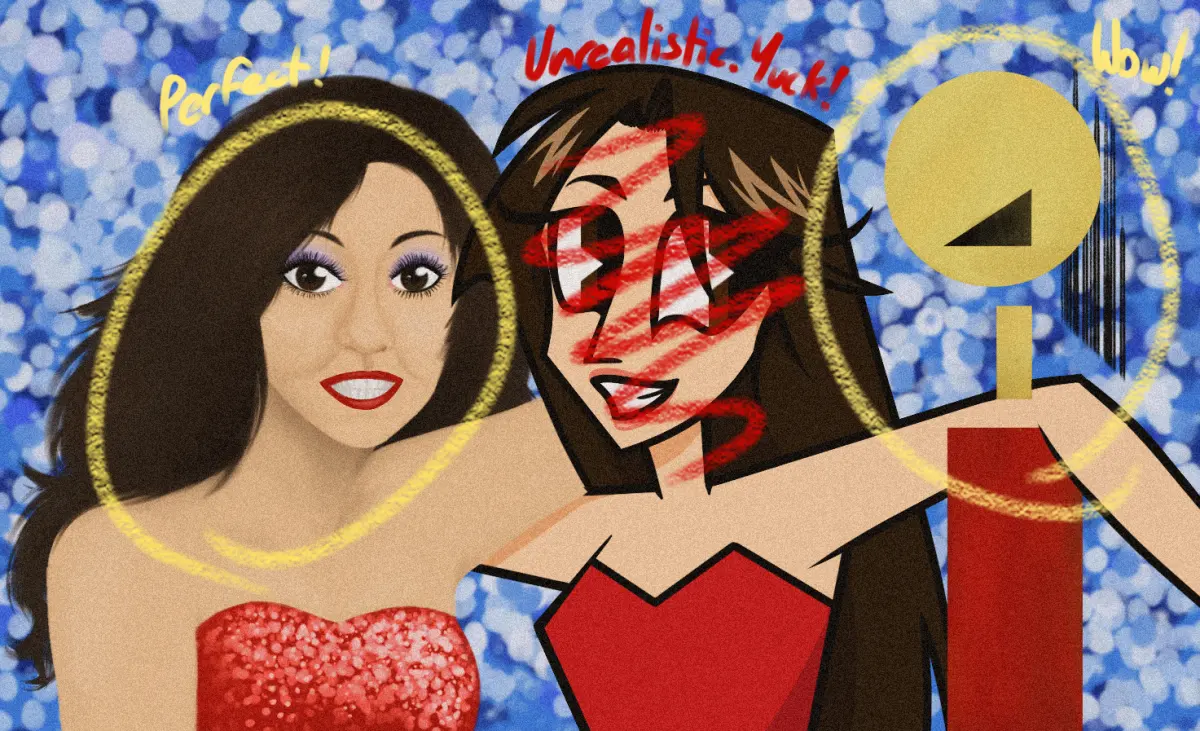
Many beginners mistakenly believe that stylization is simply "drawing poorly" or ignoring anatomy. However, effective stylization requires a deep understanding of the rules of reality before one can successfully break them. If an artist does not understand how a human face is constructed, their attempts at caricature will often look unintentional or unappealing. The goal is to make a conscious choice, not to hide a lack of technical proficiency behind vague, abstract marks.
- Attempting to stylize before learning fundamental anatomy and perspective.
- Using inconsistent rules within a single piece, such as mixing hyper-realistic shading with flat, cartoonish line work.
- Over-complicating the design, which results in visual clutter that obscures the subject.
- Ignoring the "silhouette test," where the character or object becomes unrecognizable when filled with a solid color.
- Failing to maintain a consistent color palette, which can make a stylized piece feel disjointed and chaotic.
How to develop your own stylized aesthetic
Developing a personal style is a journey of trial and error that involves combining your technical skills with your unique artistic voice. Start by analyzing the work of artists you admire and identifying which specific elements of their style resonate with you. Are you drawn to their use of color, their simplified shapes, or their bold line work? Once you identify these elements, try to incorporate them into your own practice through small, focused exercises.
- Choose a simple subject, such as a fruit or a common household object.
- Draw the object ten times, each time emphasizing a different quality, such as its weight, its texture, or its angularity.
- Select the version that feels most authentic to your interests and refine it further.
- Create a series of works using this specific set of rules to ensure consistency.
- Review your progress after a month to see if the style feels natural or forced.
Consistency is the most important factor in developing a recognizable look. By limiting your tools and focusing on specific visual constraints, you will eventually find a rhythm that feels uniquely yours. Remember that stylization is a lifelong evolution, and your aesthetic will naturally shift as your skills and perspectives grow over time.
Key facts
- Stylization is the intentional departure from realistic representation to emphasize design, pattern, or emotional expression.
- Ancient Egyptian art is a primary example of stylization, using rigid, profile-based figures to prioritize symbolic clarity over anatomical accuracy.
- Artists often simplify complex shapes into geometric forms to guide the viewer’s eye toward a specific focal point.
- The Art Nouveau movement of the 1890s used highly stylized, flowing organic lines to create decorative, non-realistic compositions.
- To practice stylization, try drawing a subject using only three distinct line weights or a limited palette of four colors.
- A common mistake is over-complicating the design; effective stylization relies on removing unnecessary details rather than adding them.
The bottom line
Stylization is the conscious decision to simplify or distort reality to enhance the visual impact of an artwork. By stripping away extraneous detail, artists can emphasize specific patterns, emotions, or design motifs. Whether seen in ancient hieroglyphs or modern graphic design, stylization serves as a powerful bridge between the artist’s unique perspective and the viewer’s perception, proving that art is often more about interpretation than imitation.
People also ask
Is stylization the same as abstraction?
While both deviate from realism, abstraction often removes the subject entirely, whereas stylization keeps the subject recognizable but alters its appearance. Stylization acts as a filter that prioritizes aesthetic intent over literal truth.
Why do animators use stylization?
Animators use stylization to streamline production and create distinct visual identities for characters. By simplifying anatomy, they can exaggerate movements, making expressions clearer and more impactful for the audience.
Does stylization mean the artist lacks technical skill?
No, stylization is a deliberate choice that requires a deep understanding of form and proportion. An artist must first master reality to effectively manipulate it for artistic effect.
How can I develop my own stylized art style?
Start by identifying the specific traits you want to emphasize, such as sharpness, roundness, or color vibrancy. Study artists whose work you admire and analyze which details they omit versus which they exaggerate.
What is the role of exaggeration in stylization?
Exaggeration is a tool used to highlight personality or mood by distorting specific features like eyes, limbs, or posture. It transforms a neutral subject into a narrative element that communicates a clear message.
Can realistic art be stylized?
Yes, even realistic art utilizes stylization through lighting choices, composition, and color grading. Every artistic decision that deviates from a raw, unedited photograph is a form of stylistic choice.
This answer was created with the help of AI research tools and reference sources. Spotted an error? Let us know — we correct mistakes quickly. See our editorial policy.