What is a catalogue raisonné?
Short answer
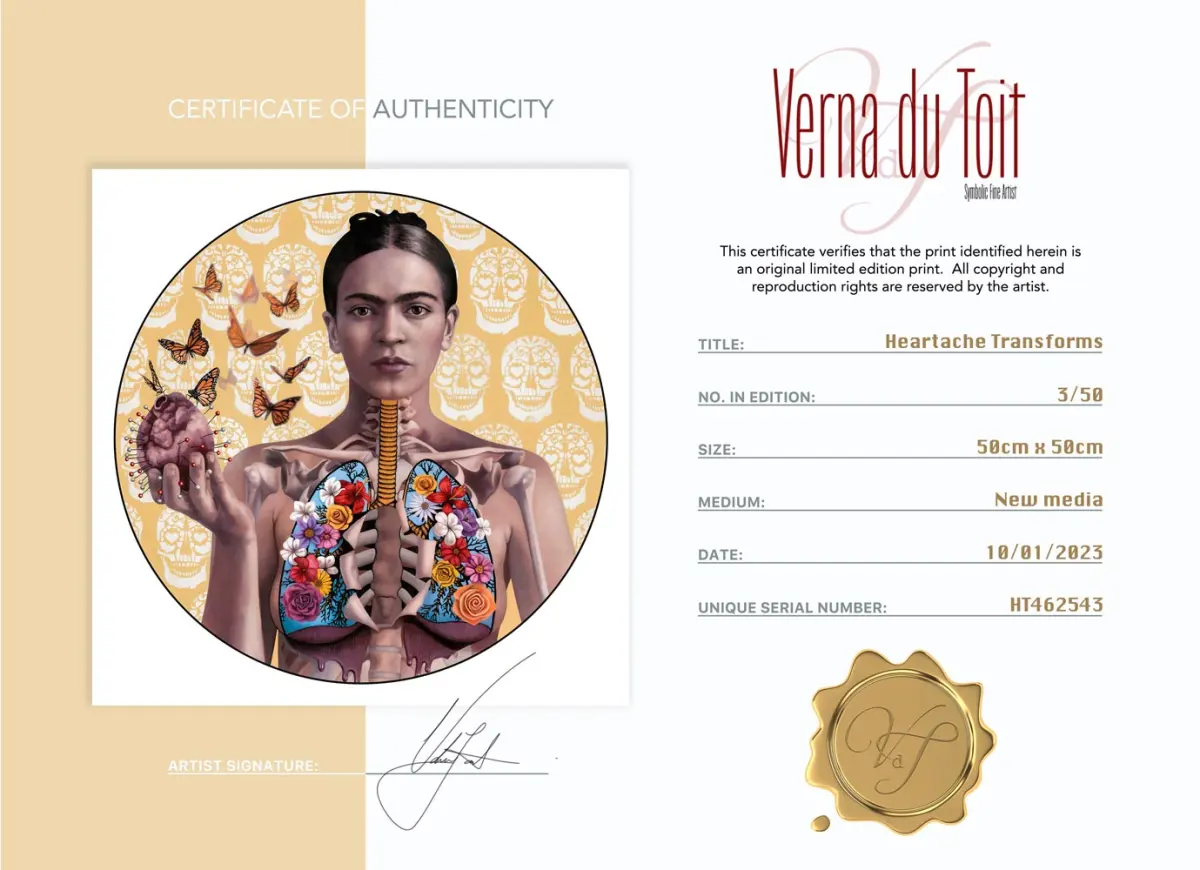
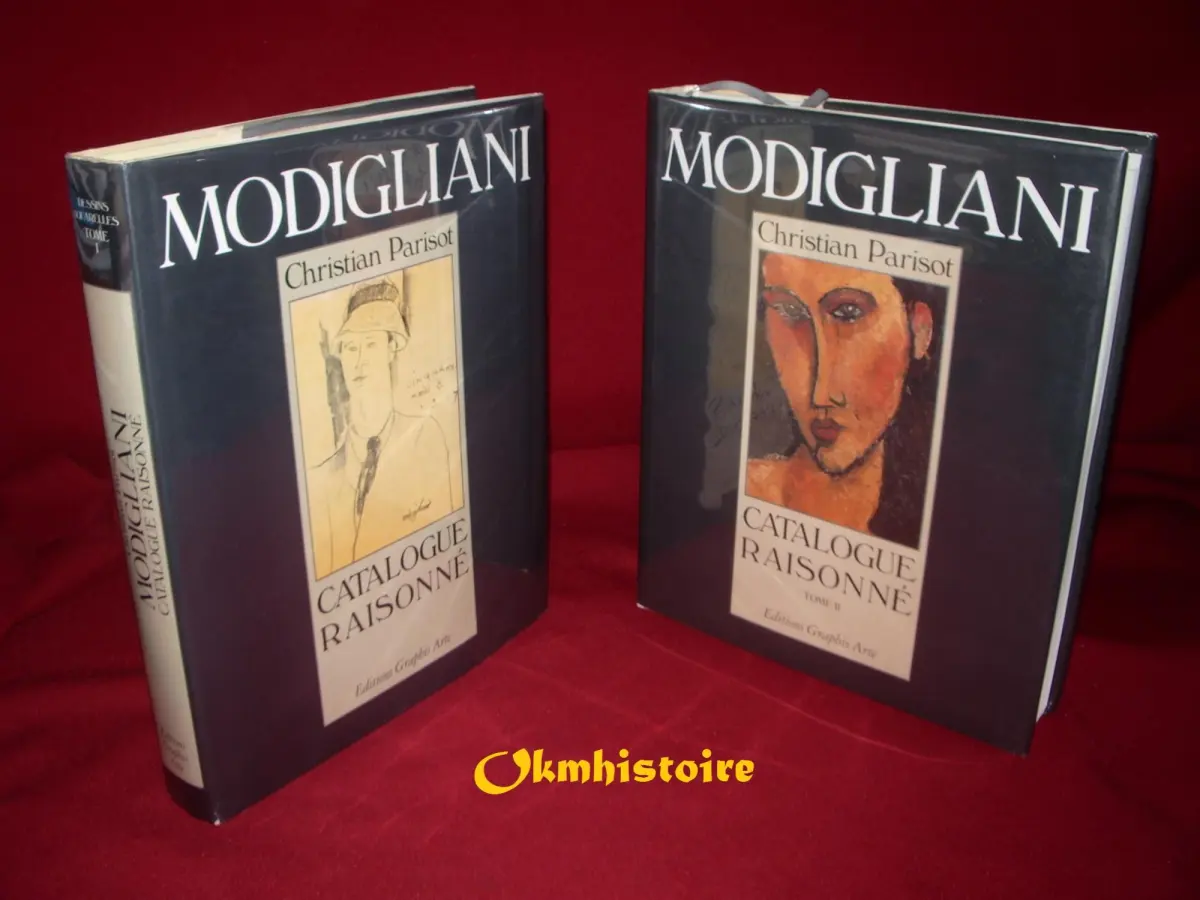
A catalogue raisonné is a comprehensive, annotated listing of all the known works by a specific artist. It serves as the definitive scholarly record, documenting each piece’s title, date, medium, dimensions, provenance, and exhibition history. These volumes are essential tools for authenticating art, tracking ownership, and establishing the artist’s complete historical legacy.
On this page
What does a catalogue raisonné include?
A catalogue raisonné functions as a biography of an artist’s entire body of work. Each entry provides a systematic account of a single piece, ensuring that the information is organized chronologically or by medium. By compiling these details, scholars create a permanent reference that helps distinguish original works from forgeries or misattributed items.
To provide a complete picture, a standard entry typically includes the following essential data points:
- Title of the work and the date of creation.
- Medium, such as oil on canvas or bronze sculpture.
- Physical dimensions and any inscriptions or signatures.
- Provenance, which is a detailed history of ownership from the artist to the present.
- Exhibition history and a list of relevant literature or critical reviews.
- Current location or status, including whether the work is lost or destroyed.
Because these documents are intended for long-term academic use, they must be meticulously researched. Authors often spend years verifying archival records, comparing stylistic signatures, and interviewing collectors to ensure that every claim is supported by evidence.
How is a catalogue raisonné compiled?
The compilation process is a rigorous, multi-year endeavor that often involves a team of art historians, researchers, and archivists. It begins with the identification of every possible work, which requires scouring auction records, museum archives, and private collections. Researchers must also travel extensively to inspect works in person, as photographs alone are rarely sufficient for confirming authenticity.
The workflow generally follows these structured stages:
- Initial survey: Gathering all known references to the artist’s work from historical records.
- Verification: Inspecting physical pieces to confirm technical details and condition.
- Provenance research: Tracing the chain of ownership to ensure the work’s history is unbroken.
- Editorial review: Compiling the data into a standardized format for publication.
- Final authentication: Concluding which works are accepted as authentic by the project committee.
This process is inherently collaborative. The project leads must maintain relationships with estate executors and family members who may hold private letters or studio records. These primary sources are vital for filling gaps in the artist’s timeline and understanding the context of their creative output.
Why are these catalogues important for art collectors?
For collectors and investors, a catalogue raisonné is the gold standard for verifying the legitimacy of an artwork. If a piece is not listed in the accepted catalogue for that artist, it is often referred to as being "outside the catalogue." This status can significantly diminish the market value of a work, as it signals that the piece lacks the scholarly consensus required for high-end sales.
Beyond authentication, these volumes provide the intellectual framework for understanding an artist's evolution. By looking at the full sequence of works, collectors can track how an artist’s style changed over decades. This context is invaluable for insurance appraisals, tax valuations, and estate planning. When a collector purchases a work that is included in a recognized catalogue raisonné, they gain a layer of security, knowing that the piece has been vetted by the leading experts in the field.
Common mistakes when using a catalogue raisonné
One of the most frequent errors is assuming that a catalogue raisonné is always exhaustive. Even the most thorough projects may miss works that remain hidden in private collections or were never properly documented during the artist’s lifetime. Users should always check the introduction of the volume to understand the scope and limitations of the research, as some authors may choose to exclude certain types of works, such as sketches or commercial illustrations.
Another common mistake is relying on outdated editions without checking for addenda. Many catalogues are updated periodically as new information comes to light or previously "lost" works are rediscovered. Always look for:
- Supplemental volumes published after the primary set.
- Online databases maintained by the artist’s estate or foundation.
- Recent scholarly articles that might challenge or correct a specific entry.
Failing to verify the provenance listed in the catalogue against the actual history of the piece is also a critical oversight. Always cross-reference the catalogue entry with physical documentation like bills of sale or exhibition catalogs to ensure the description matches the specific object in question.
How long does it take to create one?
Creating a catalogue raisonné is rarely a quick process; it is a marathon of historical investigation. Depending on the volume of the artist’s output and the availability of their archives, a project can take anywhere from five to twenty years to complete. The complexity increases if the artist lived in multiple countries or if their work was widely dispersed during periods of war or social upheaval.
Funding and institutional support are the primary factors that dictate the timeline. Many projects are supported by foundations or museums that provide the necessary resources for travel and archival access. Without this support, the project may stall or remain incomplete.
- The scale of the artist’s career impacts the duration.
- Archival accessibility determines the speed of data collection.
- Scholarly consensus often requires lengthy debate among experts.
Despite the time required, the resulting publication provides a permanent contribution to art history. It transforms fragmented data into a cohesive narrative, ensuring that the artist’s work remains accessible and properly contextualized for future generations of scholars, curators, and the public.
Key facts
- A catalogue raisonné is a comprehensive, annotated listing of all known works by a single artist.
- It serves as the definitive record of an artist’s output, including paintings, drawings, and sculptures.
- Each entry typically includes the title, date, dimensions, medium, provenance, and exhibition history.
- These volumes are essential for verifying the authenticity of an artwork and determining its market value.
- Scholars and experts often spend decades researching and compiling these records to ensure total accuracy.
- Avoid relying on incomplete lists; always check if the publication is recognized by the artist’s estate or foundation.
The bottom line
A catalogue raisonné is the gold standard for authenticating and documenting an artist’s entire body of work. By providing a transparent, verified history of every piece, these records protect the integrity of the art market and assist researchers in their studies. For collectors and investors, consulting these volumes is a critical step in verifying the legitimacy and historical significance of any major art acquisition.
People also ask
How does a catalogue raisonné differ from a simple art book?
An art book is usually a curated selection of images intended for general appreciation or biographical context. In contrast, a catalogue raisonné aims for exhaustive completeness and includes rigorous documentation for every single piece.
Can an artwork be sold if it is not in the catalogue raisonné?
Yes, but the lack of inclusion often raises red flags for collectors and auction houses. If a work is missing, it may be considered unverified, which can significantly lower its resale price or prevent its sale entirely.
Who is responsible for creating these catalogues?
They are typically produced by specialized scholars, art historians, or official foundations dedicated to a specific artist. These organizations often hold the legal authority to authenticate works and update the catalogue as new information emerges.
Are these catalogues ever updated after they are published?
Many catalogues are now published in digital formats to allow for real-time updates. If a print version is used, scholars often issue supplements or revised editions to include newly discovered works or corrected provenance data.
What is the significance of "provenance" in these records?
Provenance is the documented history of an artwork's ownership from its creation to the present day. It is critical for proving that a work is not stolen, looted, or a modern forgery.
How can I find a catalogue raisonné for a specific artist?
You can search library databases, such as the International Foundation for Art Research, or consult the artist's official estate website. Most major museums and university libraries maintain extensive collections of these reference volumes.
This answer was created with the help of AI research tools and reference sources. Spotted an error? Let us know — we correct mistakes quickly. See our editorial policy.