What is the difference between drawing and sketching?
Short answer
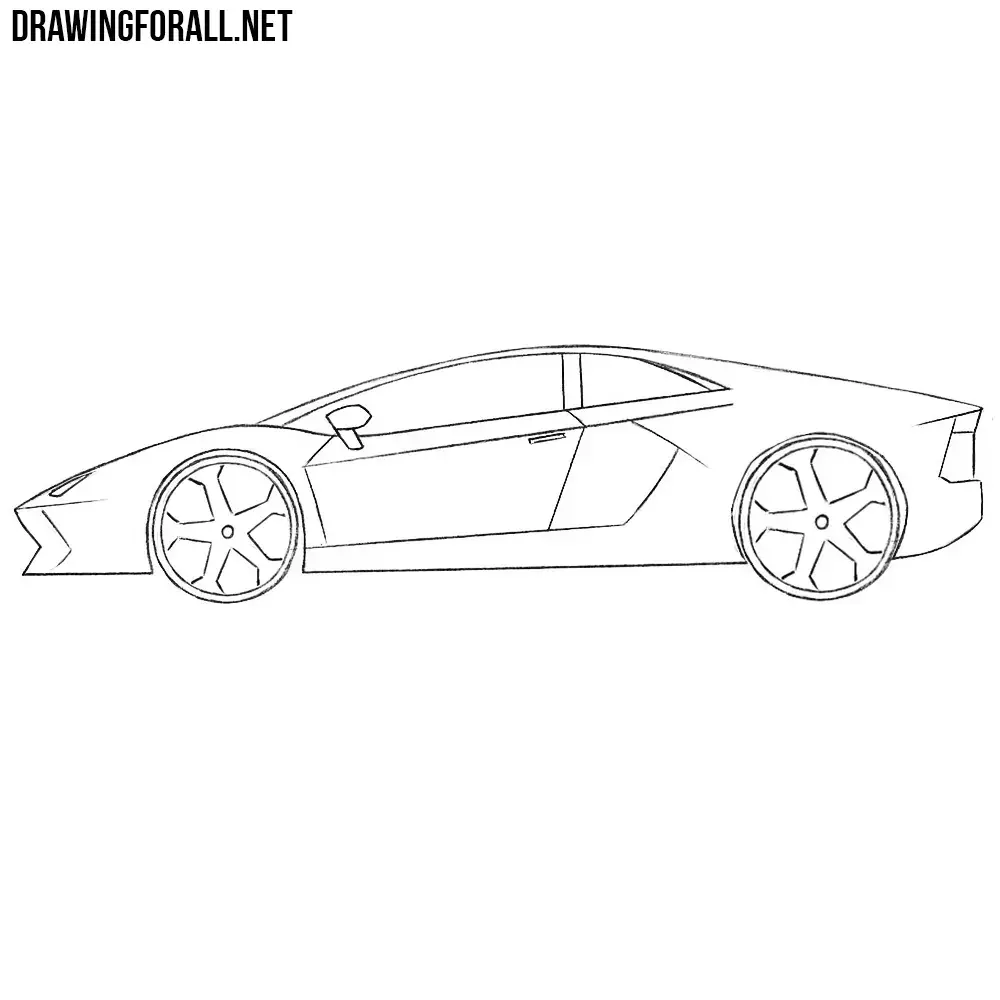
A sketch is a quick, preliminary drawing used to capture the essence or movement of a subject without focusing on detail. A drawing is a more deliberate, finished work that emphasizes precision, shading, and structure. While sketches serve as rough notes for future projects, drawings stand alone as complete artistic statements.
On this page
What is the difference between sketching and drawing?
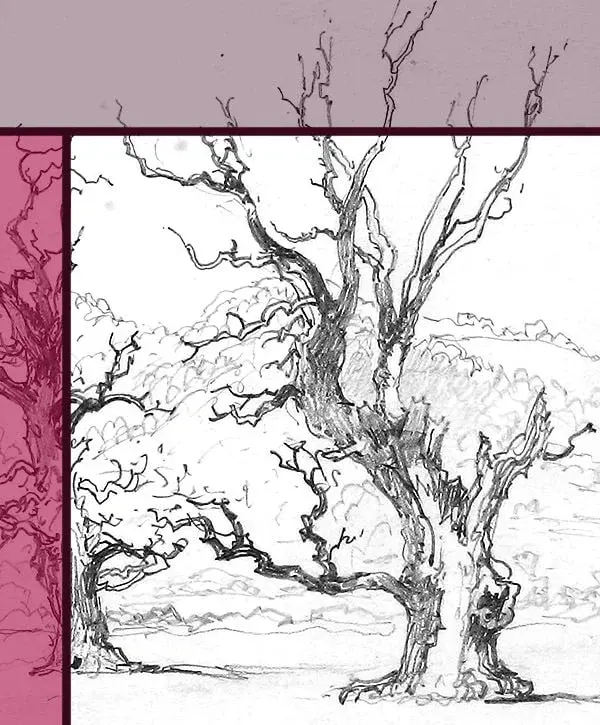
The primary distinction between sketching and drawing lies in the artist's intent and the time invested in the process. Sketching is an exploratory act, often performed rapidly to record observations, test compositions, or capture fleeting gestures. It is inherently spontaneous and usually lacks the rigorous structural refinement found in finished artwork. Because the goal is speed and conceptual clarity, artists often use loose, energetic lines that may remain visible in the final result.
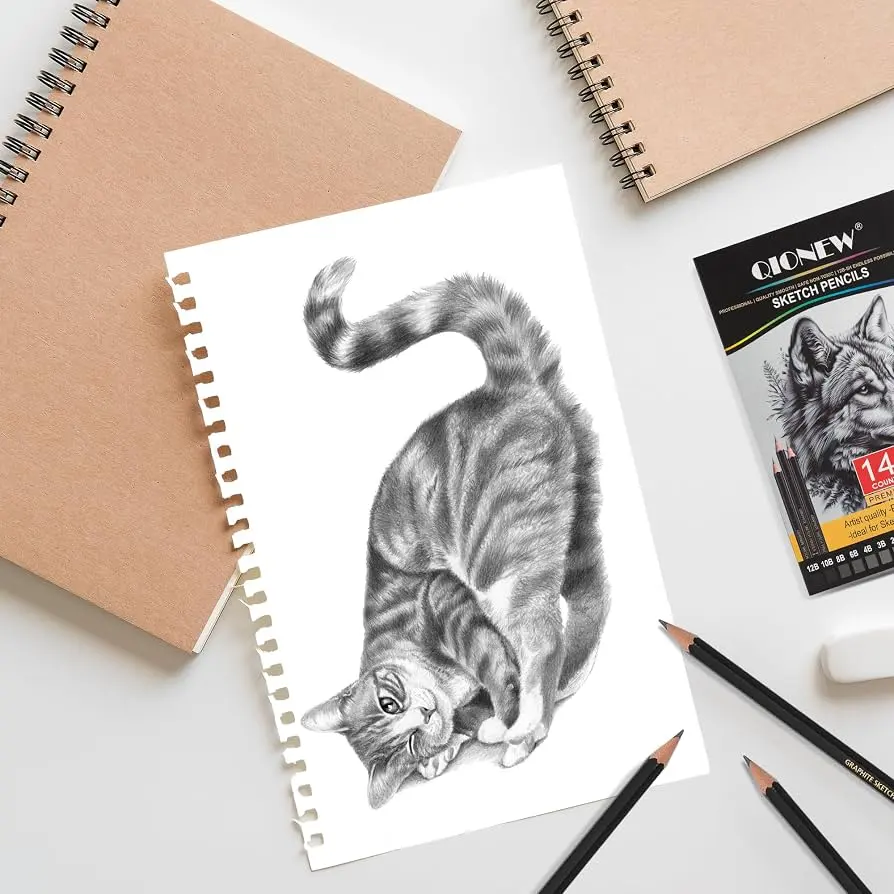
Drawing, by contrast, is a methodical pursuit of form, value, and perspective. It requires patience and a high degree of technical control to translate a three-dimensional subject onto a two-dimensional surface. While a sketch might be completed in minutes, a formal drawing can take hours or even days to reach completion. In a drawing, the artist carefully considers the interplay of light and shadow, the accuracy of proportions, and the texture of the subject matter to create a polished, cohesive image.
How to start a basic sketch
Sketching is the best way for beginners to build confidence and train their eyes to see shapes rather than objects. To begin, select a soft graphite pencil, such as a 2B or 4B, which allows for a wide range of line weights. Focus on the overall silhouette of your subject, ignoring small details like buttons on a shirt or individual leaves on a tree. Keep your wrist loose and your movements fluid to maintain a sense of energy.
- Observe your subject for a moment to identify the primary geometric shapes.
- Use light, feathery lines to map out the placement of these shapes on the page.
- Gradually darken the lines that define the main contours of your subject.
- Add minimal shading only where it is necessary to suggest depth or volume.
- Stop as soon as you have captured the essential character of the scene.
Why drawing requires more precision
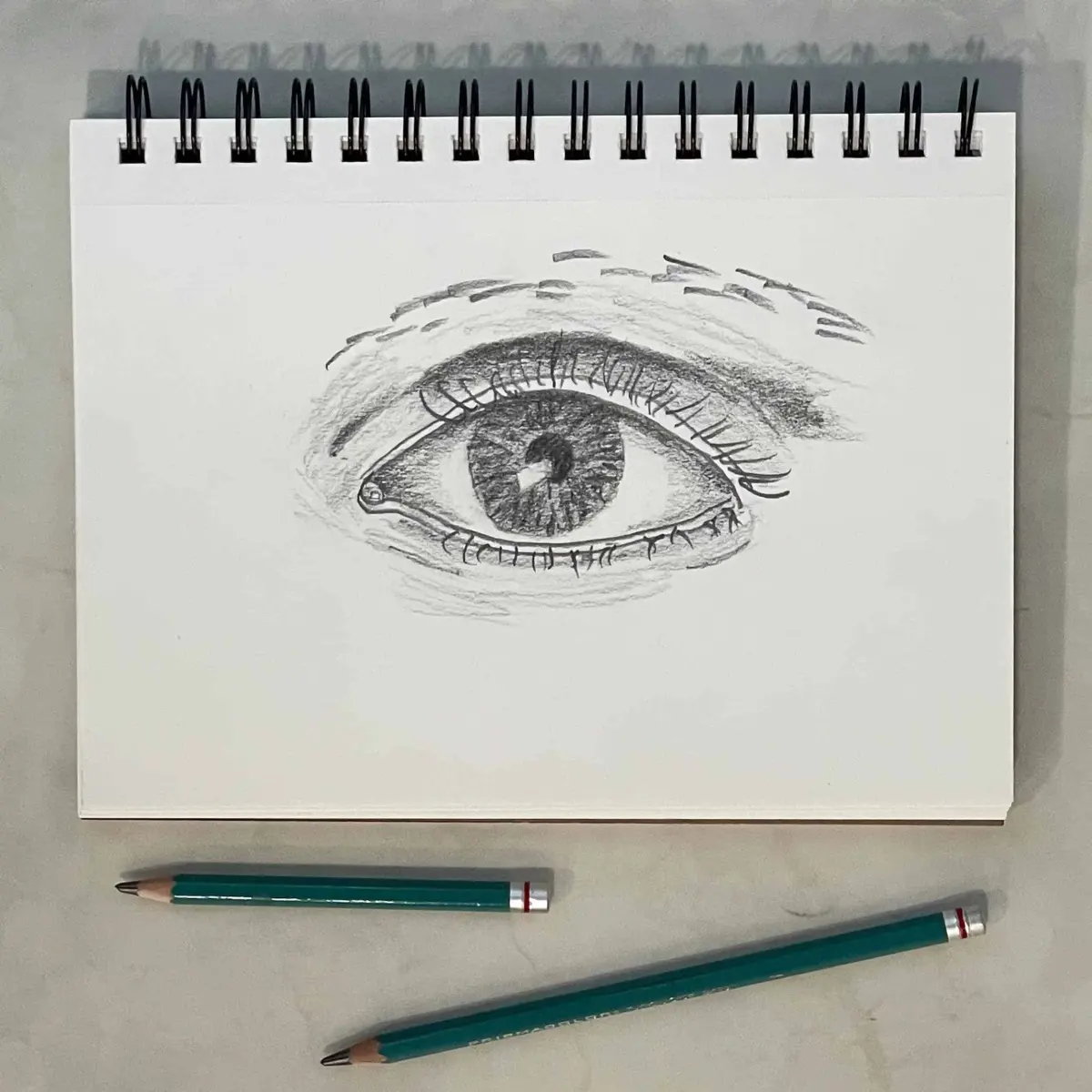
Drawing demands a deeper understanding of anatomy, perspective, and light theory compared to the casual nature of sketching. When creating a finished drawing, you must account for the light source and how it creates highlights, midtones, and core shadows across various surfaces. This process involves layering graphite or charcoal to achieve smooth gradients, a technique known as blending. Accuracy is paramount, as even minor errors in proportion can become glaringly obvious once the details are refined.
To achieve professional results, artists often employ specific tools and techniques that go beyond simple mark-making:
- Use a kneaded eraser to lift graphite gently and create subtle highlights.
- Utilize a blending stump or tortillon to smooth out transitions between shadow values.
- Apply a grid system to ensure that the proportions of your drawing remain faithful to the reference.
- Vary your pencil lead hardness, using H pencils for light construction lines and B pencils for deep, rich shadows.
Common mistakes when learning to draw
One of the most frequent errors beginners make is focusing on fine details before establishing the underlying structure. If the initial proportions are incorrect, no amount of shading or intricate detail can fix the drawing later. Another common mistake is "heavy-handedness," where the artist presses too hard with the pencil early on. This creates deep indentations in the paper that are impossible to erase, making the drawing look muddy and overworked.
Additionally, many novices fail to consider the light source consistently throughout their work. If shadows are placed randomly rather than in relation to a single light direction, the object will appear flat or distorted. To avoid this, always establish your light source at the beginning of the project and check your work against it frequently. Remember that drawing is a process of subtraction as much as addition; knowing when to leave parts of the paper white is just as important as knowing where to place your darkest marks.
Best tools for sketching and drawing
Choosing the right materials can significantly influence the quality of your output, though skill remains the most important factor. For sketching, a simple sketchbook with medium-tooth paper and a few versatile pencils is sufficient. The portability of these tools encourages frequent practice, which is essential for developing hand-eye coordination. You do not need expensive equipment to capture the world around you, as the primary goal of sketching is to foster a habit of constant observation.
For formal drawing, you may want to invest in higher-quality materials to facilitate more complex techniques. Consider the following recommendations for your studio setup:
- Bristol board or heavy-weight drawing paper that can withstand multiple layers of graphite.
- A full set of drawing pencils ranging from 4H (hard) to 6B (soft) for diverse tonal values.
- A high-quality sharpener or a craft knife for maintaining precise points on your pencils.
- A fixative spray to protect your finished work from smudging over time.
By understanding the unique purposes of both sketching and drawing, you can better navigate your artistic journey and choose the right approach for any given creative challenge.
Key facts
- A sketch is typically a quick, rough draft used to capture ideas or compositions before a final work.
- A drawing is generally a more finished, detailed, and deliberate piece of art that stands on its own.
- Sketches often prioritize movement and gesture, while drawings focus on shading, texture, and precise anatomical accuracy.
- Artists often use graphite, charcoal, or ink for both, but sketches are frequently done in loose, light strokes.
- You can improve your sketching by focusing on "gesture drawing," which involves capturing the essence of a pose in under 60 seconds.
- Avoid the common mistake of "over-detailing" a sketch; keep lines fluid to maintain the energy of your initial concept.
The bottom line
The primary difference between sketching and drawing lies in intent and completion. Sketching serves as a rapid, exploratory tool to capture movement, composition, and initial concepts. In contrast, drawing is a focused, methodical process aimed at producing a refined, detailed final image. By understanding that sketching is the essential preliminary stage of drawing, artists can develop their skills more effectively while maintaining creative spontaneity.
People also ask
Can a sketch ever be considered a finished work of art?
Yes, many artists intentionally leave sketches in a raw, expressive state to showcase the immediacy of their creative process. Leonardo da Vinci’s anatomical studies are famous examples of sketches that are highly valued as finished artistic documents.
What materials are best for beginners to start with?
Beginners should start with a 2B graphite pencil and a standard sketchbook with a toothy surface. These materials are inexpensive and allow for a wide range of light and dark values.
How much time should I spend on a sketch versus a drawing?
A sketch is usually completed in minutes to capture a fleeting thought or scene. A drawing might take hours or even days, depending on the complexity of the subject matter and the level of detail.
Do I need to be good at sketching to be a good drawer?
Sketching is the foundation of drawing, so practicing it regularly improves your observational skills and hand-eye coordination. Consistent sketching helps you understand form and proportion, which are essential for creating polished drawings.
What is the purpose of a thumbnail sketch?
A thumbnail sketch is a tiny, simplified drawing used to plan the composition of a larger piece. It helps artists determine the placement of light, shadow, and subjects before committing to a final, larger canvas.
Should I use an eraser while sketching?
It is generally better to avoid using an eraser during the initial sketching phase. Keeping your "mistakes" visible helps you learn from your proportions and maintains the flow of your lines.
This answer was created with the help of AI research tools and reference sources. Spotted an error? Let us know — we correct mistakes quickly. See our editorial policy.