What is the difference between gesture drawing and figure drawing?
Short answer
Gesture drawing focuses on capturing the fluid movement, energy, and essential pose of a subject within seconds or minutes. Conversely, figure drawing is a deliberate, structural study of the human form, emphasizing anatomical accuracy, proportions, volume, and light. While gesture captures the "action," figure drawing captures the "construction" of the body.
On this page
What is the difference between gesture and figure drawing?
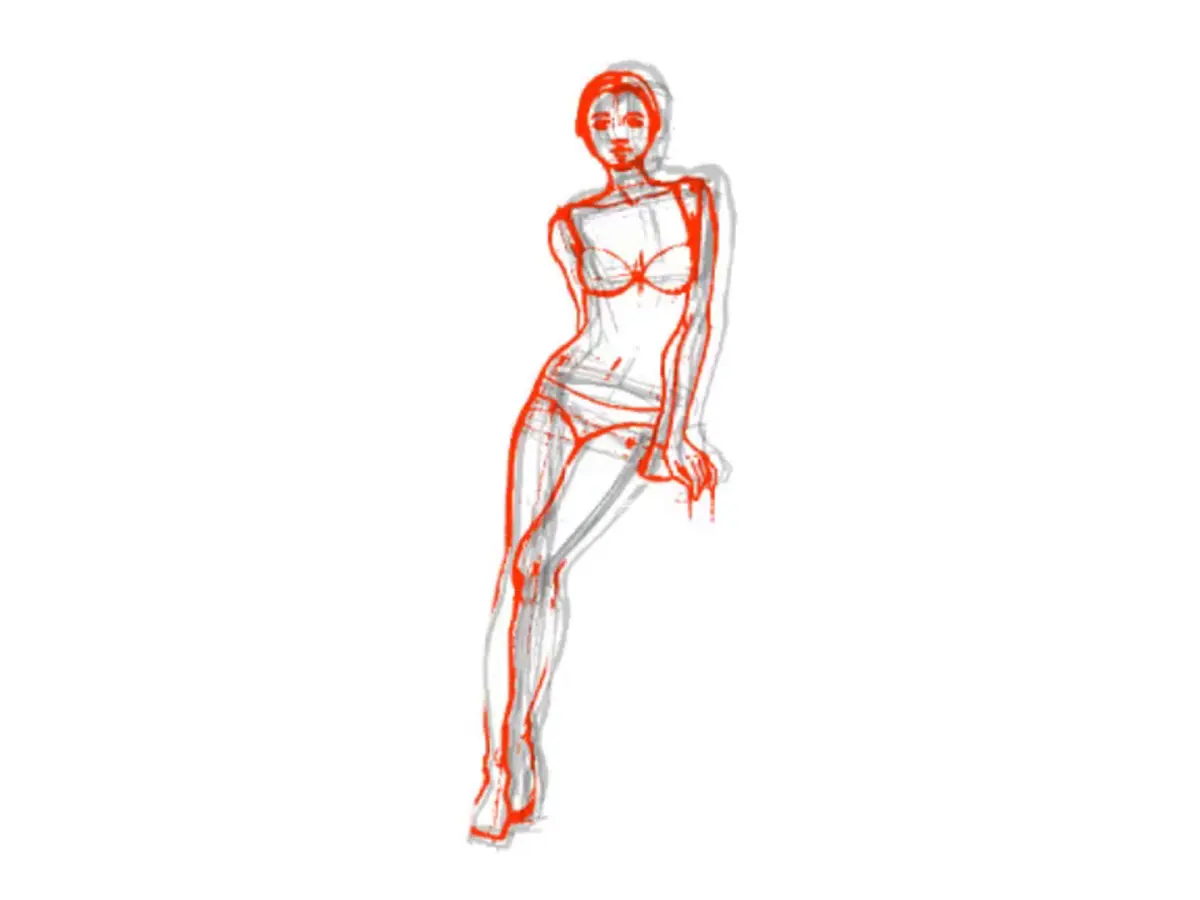
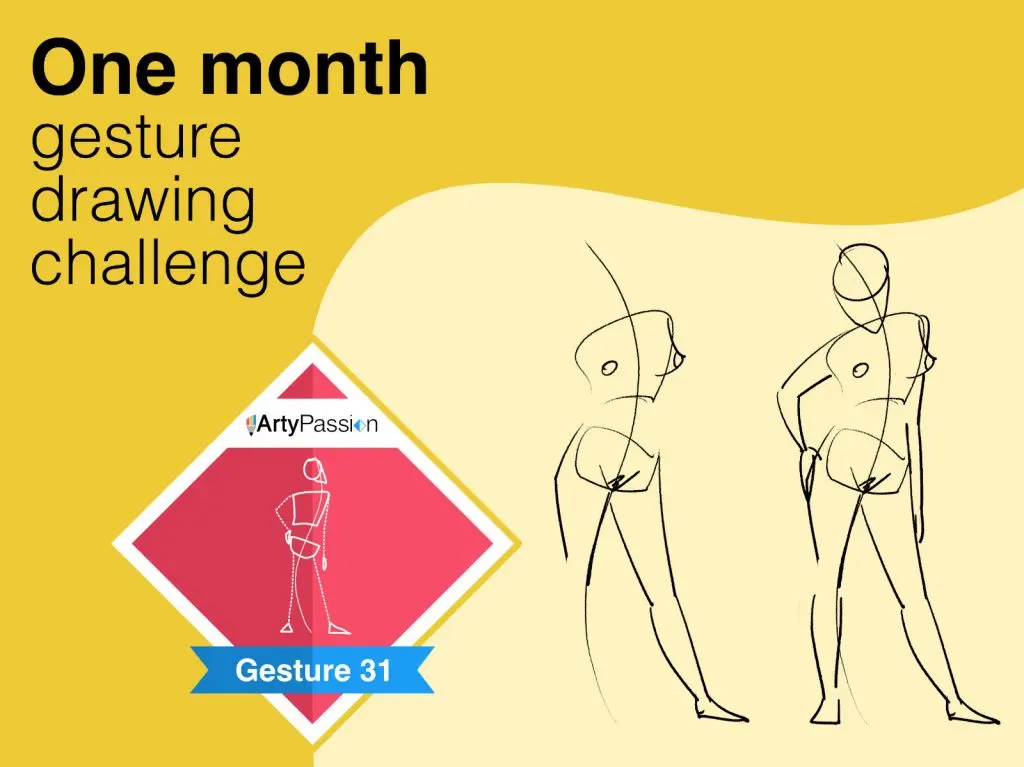
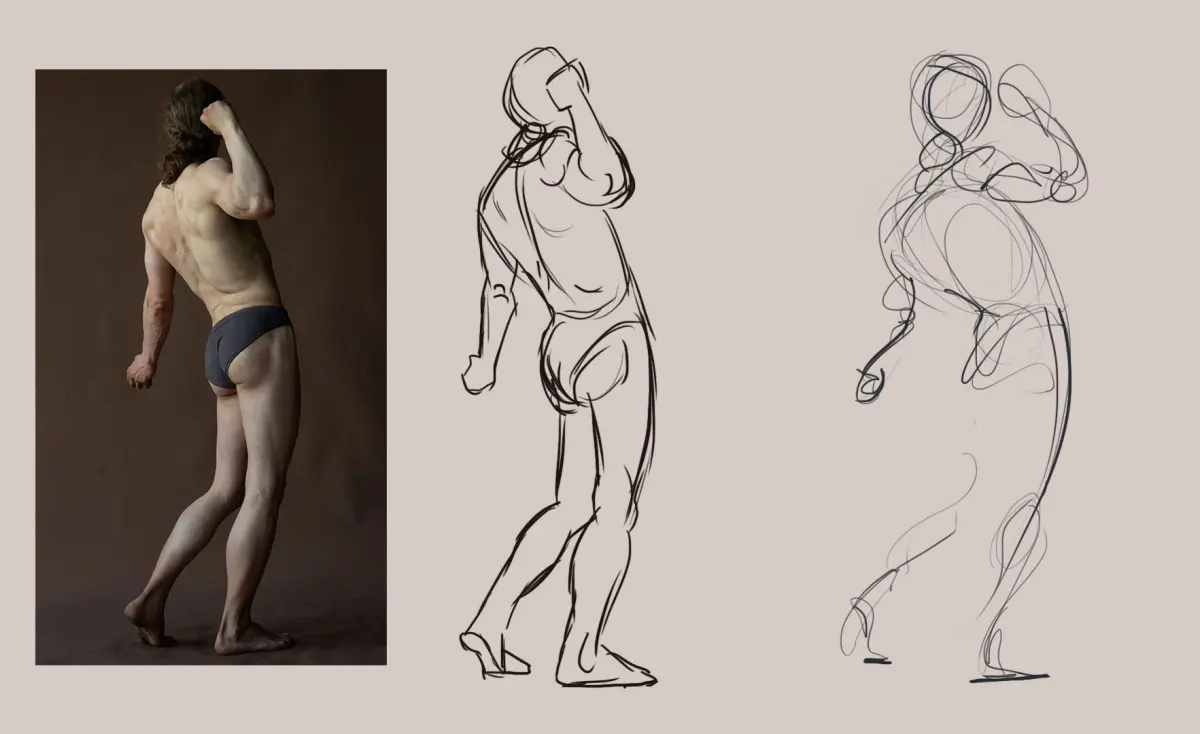
Gesture drawing prioritizes the "line of action," which is the invisible curve that defines the movement of a pose. Artists use loose, sweeping marks to record the essence of a subject rather than its specific details. It is an exercise in observation that trains the eye to see the body as a dynamic force rather than a static object.
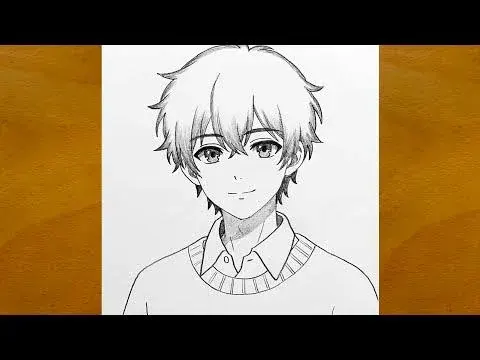
Figure drawing is a more comprehensive discipline that builds upon the foundational understanding of the human form. It involves mapping out skeletal landmarks, muscle groups, and the way light interacts with three-dimensional volumes. While gesture drawing might take thirty seconds, a formal figure drawing session can span several hours, allowing for precise shading and anatomical refinement.
How long does it take to practice each style?
The duration of a drawing session dictates the approach an artist takes toward their work. Gesture sessions are typically fast-paced, often utilizing timed intervals to force the artist to make quick, instinctive decisions. This prevents over-thinking and encourages a more intuitive connection between the hand and the eye.
- Start with 30-second "warm-up" gestures to loosen the wrist and capture the primary line of action.
- Progress to 2-minute poses to add basic weight and volume to the gesture.
- Dedicate 20 to 60 minutes for full figure studies to focus on structural accuracy.
- Use the final 10 minutes of a long session to refine shadows and highlight textures.
By cycling through these time constraints, artists develop both their speed and their technical precision. Short sessions build confidence in capturing movement, while longer sessions refine the ability to render complex forms.
Best tools for beginners to use
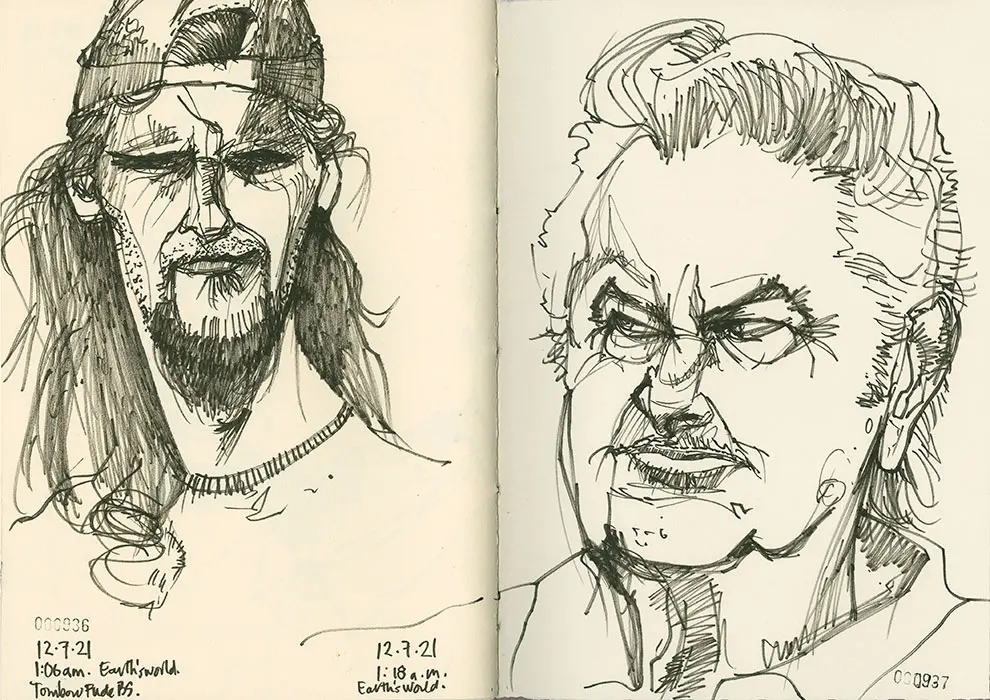
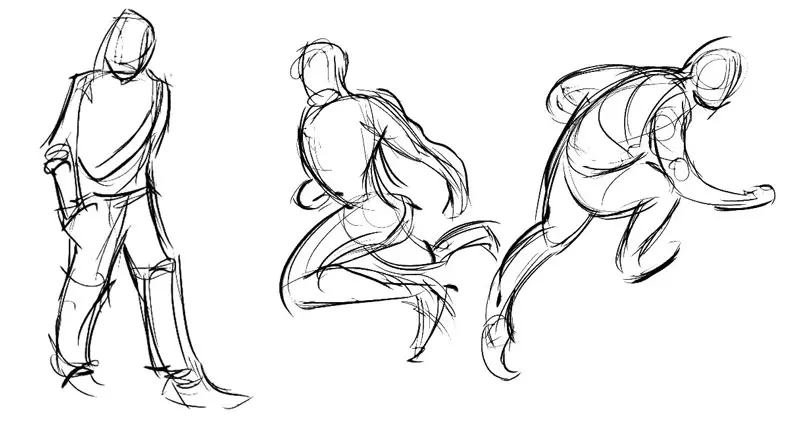
The materials used for these practices can influence the final outcome of the work. For gesture drawing, artists generally prefer tools that allow for broad, flowing marks without the need for constant sharpening. Soft graphite, charcoal sticks, or conté crayons are ideal because they respond well to pressure and speed.
- Compressed charcoal: Excellent for dark, bold lines and quick shading.
- Newsprint paper: A cheap, large-format option that allows for many sketches.
- Kneaded eraser: Essential for lifting highlights without damaging the paper surface.
- Graphite pencils (4B or 6B): Provides a smooth, dark line for structural sketches.
Avoid using fine-tipped pens or mechanical pencils for initial gesture work, as these encourage detail-oriented thinking too early. Instead, choose mediums that force you to focus on the overall silhouette and the flow of the limbs rather than small features like eyes or fingers.
Why gesture drawing improves figure drawing
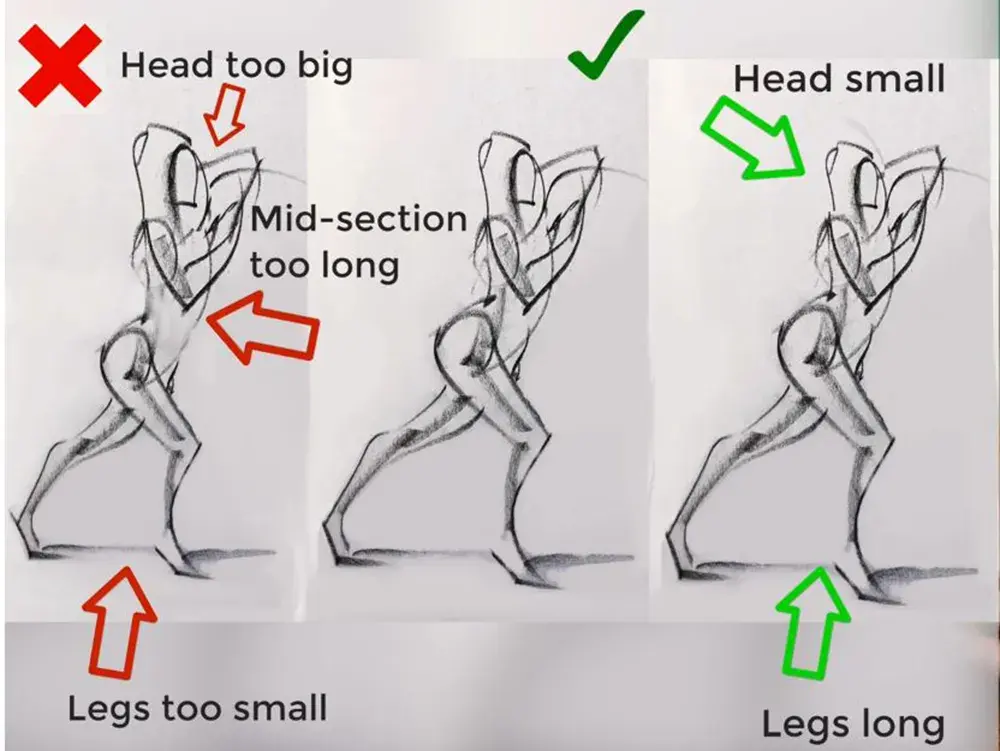
Gesture drawing acts as the skeleton for every successful figure drawing. If a figure drawing lacks a strong gesture, the resulting image often appears stiff, "wooden," or anatomically correct but lifeless. By practicing gesture, you learn to place the weight of the body correctly, ensuring that the figure appears balanced within its environment.
When you begin a long figure study, you should always start with a "gesture pass." This involves sketching the primary lines of movement and the tilt of the pelvis and shoulders before adding any anatomical detail. This process ensures that the pose remains dynamic throughout the entire drawing session. Without this initial gesture, the artist risks losing the energy of the pose as they become bogged down in rendering individual muscles or facial features.
Common mistakes when learning to draw
One of the most frequent errors in gesture drawing is focusing on outlines rather than internal movement. Beginners often draw the "contour" of the body, which results in a flat, silhouette-like shape that lacks depth. Instead, try to draw through the form, imagining the center line of the torso and the way the limbs connect to the core.
- Over-detailing: Spending too much time on faces or hands during short poses.
- Rigid lines: Using short, choppy strokes instead of long, fluid, sweeping motions.
- Ignoring weight: Failing to show which foot or leg is supporting the body's mass.
- Static poses: Choosing subjects that lack a clear line of action or tension.
To improve, focus on the "rhythm" of the pose, which is the flow of lines from the head down to the feet. If you find yourself getting stuck on details, set a timer for a shorter interval to force yourself to simplify your approach. Consistency is the most important factor in mastering both the speed of gesture and the structural integrity of figure drawing.
Key facts
- Gesture drawing typically lasts between 30 seconds and 2 minutes to capture the essential movement of a pose.
- Figure drawing is a more comprehensive study that can last from 20 minutes to several hours, focusing on anatomical accuracy.
- Gesture drawing emphasizes the "line of action," a single curve that defines the direction and energy of the subject.
- Figure drawing requires precise measurement of proportions, such as the standard rule that an adult body is roughly 7.5 to 8 heads tall.
- A common mistake in gesture drawing is focusing on small details like eyes or fingers before establishing the overall flow.
- A common mistake in figure drawing is failing to check the "negative space" between limbs, which helps ensure correct placement and scale.
The bottom line
Gesture drawing is the art of capturing the fleeting energy and movement of a pose, prioritizing flow over precision. Conversely, figure drawing is a deliberate, structural study that focuses on anatomy, proportion, and light. By mastering the quick, intuitive strokes of gesture drawing first, you build the necessary foundation to execute the detailed, accurate representations required for successful long-form figure drawing sessions.
People also ask
Can I use the same materials for both types of drawing?
Yes, you can use charcoal, graphite, or ink for both styles. However, gesture drawing often benefits from softer, faster-moving tools like compressed charcoal sticks, while figure drawing may require finer pencils for detailed shading.
Should I learn gesture drawing before figure drawing?
Most art instructors recommend starting with gesture drawing to build a sense of rhythm and fluidity. Once you understand the movement of the body, you can layer anatomical details on top during longer figure drawing sessions.
How do I know if my gesture drawing is successful?
A successful gesture drawing captures the "weight" and "intent" of the pose rather than a perfect likeness. If the drawing feels static or stiff, you likely focused too much on outlines instead of the internal energy.
What is the best way to practice proportions in figure drawing?
Use a plumb line or your pencil to measure the relationship between landmarks, such as the distance from the chin to the chest. Comparing the size of the head to the torso helps maintain consistent scale throughout the drawing.
Why do artists use "blind contour" in gesture drawing?
Blind contour drawing forces you to look at the subject instead of the paper to improve hand-eye coordination. This technique helps you internalize the shapes of the body without the distraction of trying to make a "pretty" drawing.
Does figure drawing always require a live model?
While live models provide the best spatial understanding, many artists use high-quality photographs or 3D anatomical models. These tools are excellent for practicing specific angles or lighting conditions when a live session is not available.
This answer was created with the help of AI research tools and reference sources. Spotted an error? Let us know — we correct mistakes quickly. See our editorial policy.