What does a rose tattoo mean?
Short answer
A rose tattoo symbolizes a complex blend of beauty, love, and resilience. Historically, it represents romantic passion and devotion, while the presence of thorns often signifies the pain or sacrifice inherent in love. Because of its versatility, the design can also serve as a tribute to memory, hope, or personal growth.
On this page
What do rose tattoo colors mean?
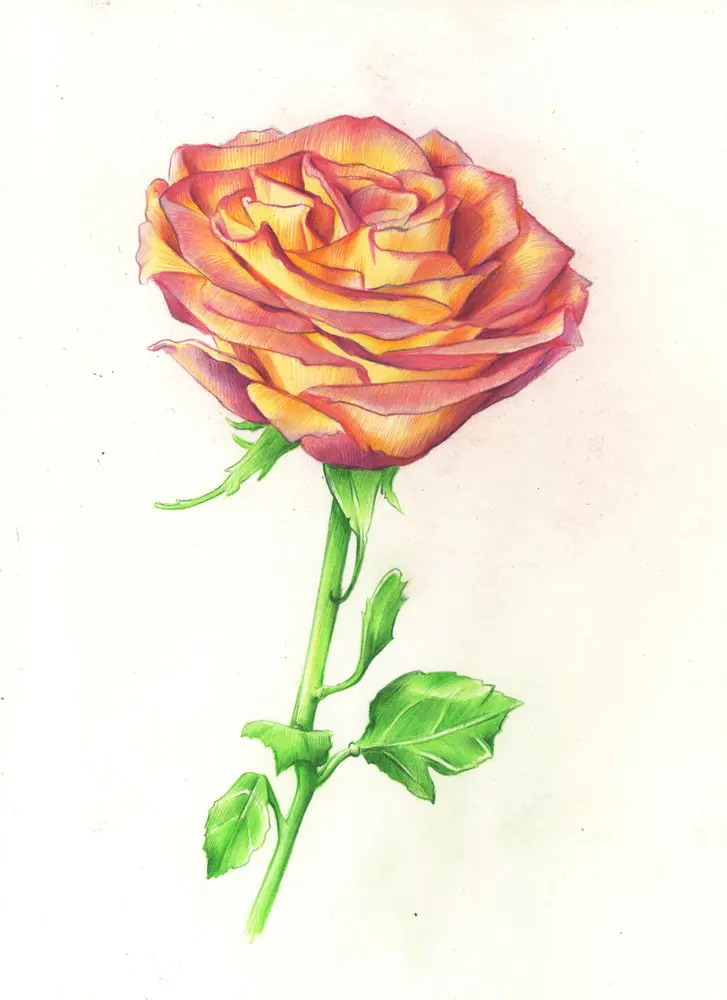
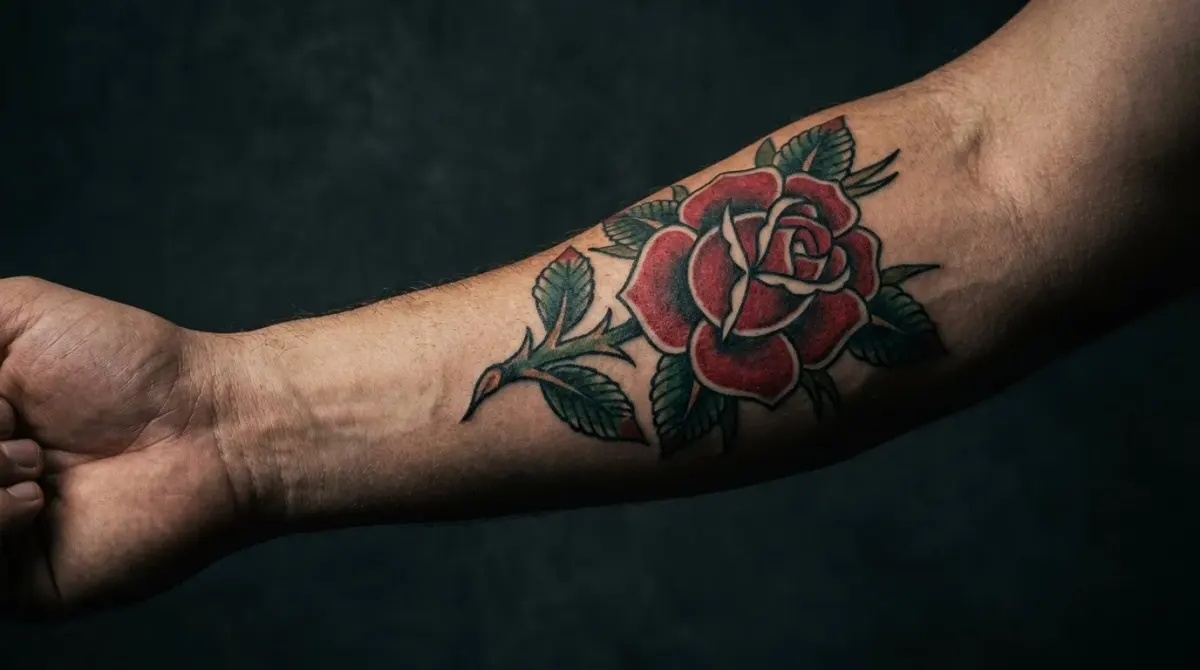
The color of a rose tattoo significantly alters its symbolic weight, allowing individuals to tailor the design to their personal narrative. While red is the most traditional choice, representing deep romantic love and passion, other hues offer distinct meanings rooted in cultural history and floral symbolism. Understanding these associations helps in selecting a design that aligns with your specific intentions.
- Red: Represents romantic love, passion, and beauty.
- Pink: Symbolizes grace, gentleness, and admiration.
- White: Signifies purity, innocence, and spiritual rebirth.
- Yellow: Denotes friendship, joy, and sometimes jealousy.
- Black: Often represents mourning, loss, or the dark side of love.
- Blue: Frequently signifies the unattainable or the mysterious.
Choosing a color is not merely an aesthetic decision but a communicative one. For instance, a black rose might be chosen to commemorate a loved one who has passed, serving as a permanent memorial. Conversely, a yellow rose might celebrate a platonic bond or a new beginning. When selecting your palette, consider how the color will age on your skin, as lighter shades like yellow or white may require more frequent touch-ups to maintain their vibrancy over time.
Where to place a rose tattoo?
Placement is a critical factor in how a rose tattoo is perceived and how well it ages. The curvature of the body significantly influences the final look, as a rose's natural shape—with its circular petals and elongated stem—complements various anatomical features. Choosing the right spot involves balancing visibility with your personal comfort and the scale of the artwork.
- Forearm: Ideal for medium-sized designs that remain visible to the wearer.
- Shoulder or Upper Back: Provides a large canvas for intricate, detailed floral arrangements.
- Ankle or Wrist: Perfect for smaller, minimalist rose designs that are subtle.
- Thigh: Offers ample space for larger, elaborate pieces that can wrap around the leg.
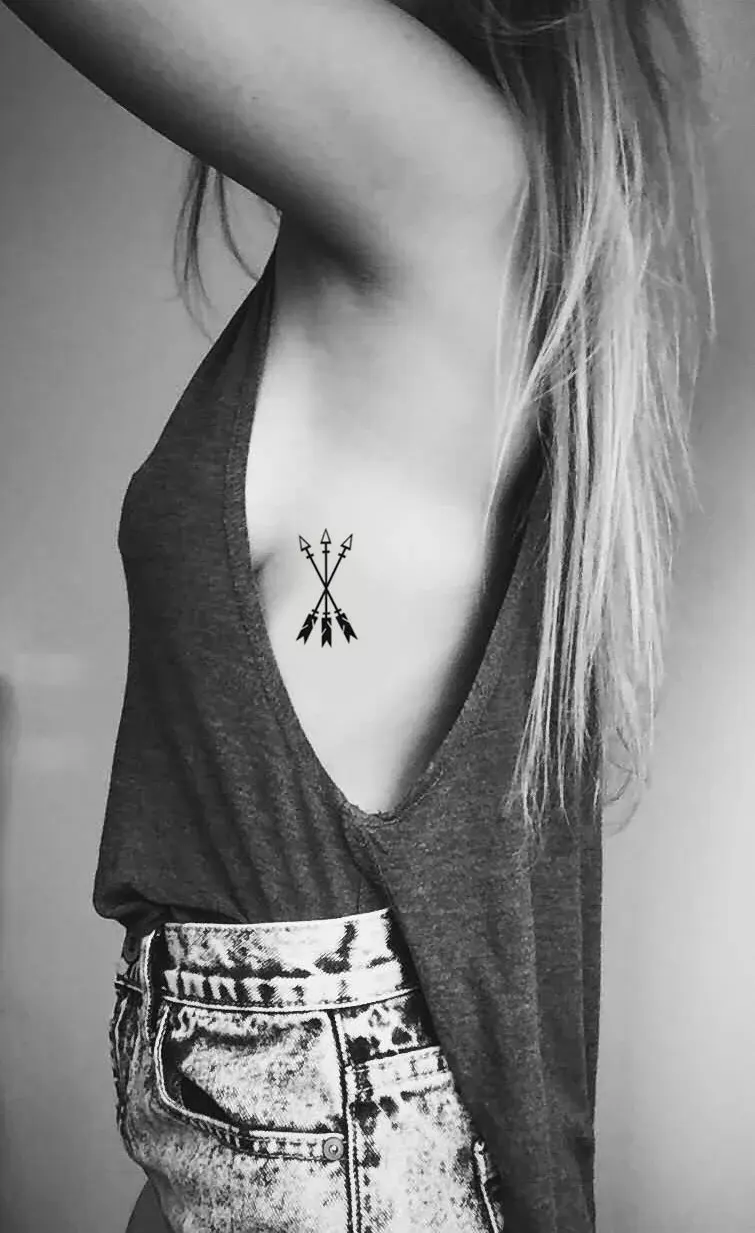
- Ribcage: A popular but sensitive area for vertical designs involving long stems.
When choosing a location, consider the daily wear and tear the area experiences. Areas with high friction, such as the feet or hands, may cause the ink to fade faster than areas protected by clothing. Additionally, think about your professional environment; while tattoos are increasingly accepted, some individuals prefer placements that can be easily concealed under standard business attire. Always consult with your artist about how the anatomy of your chosen area might distort or enhance the rose's shape.
How to choose a rose tattoo style?
The artistic style of a rose tattoo can dramatically change its impact, ranging from hyper-realistic portraits to abstract geometric shapes. Because the rose is a timeless motif, it has been adapted into almost every major tattooing movement. Selecting a style that resonates with your personal aesthetic ensures that the piece remains meaningful and visually appealing for years to come.
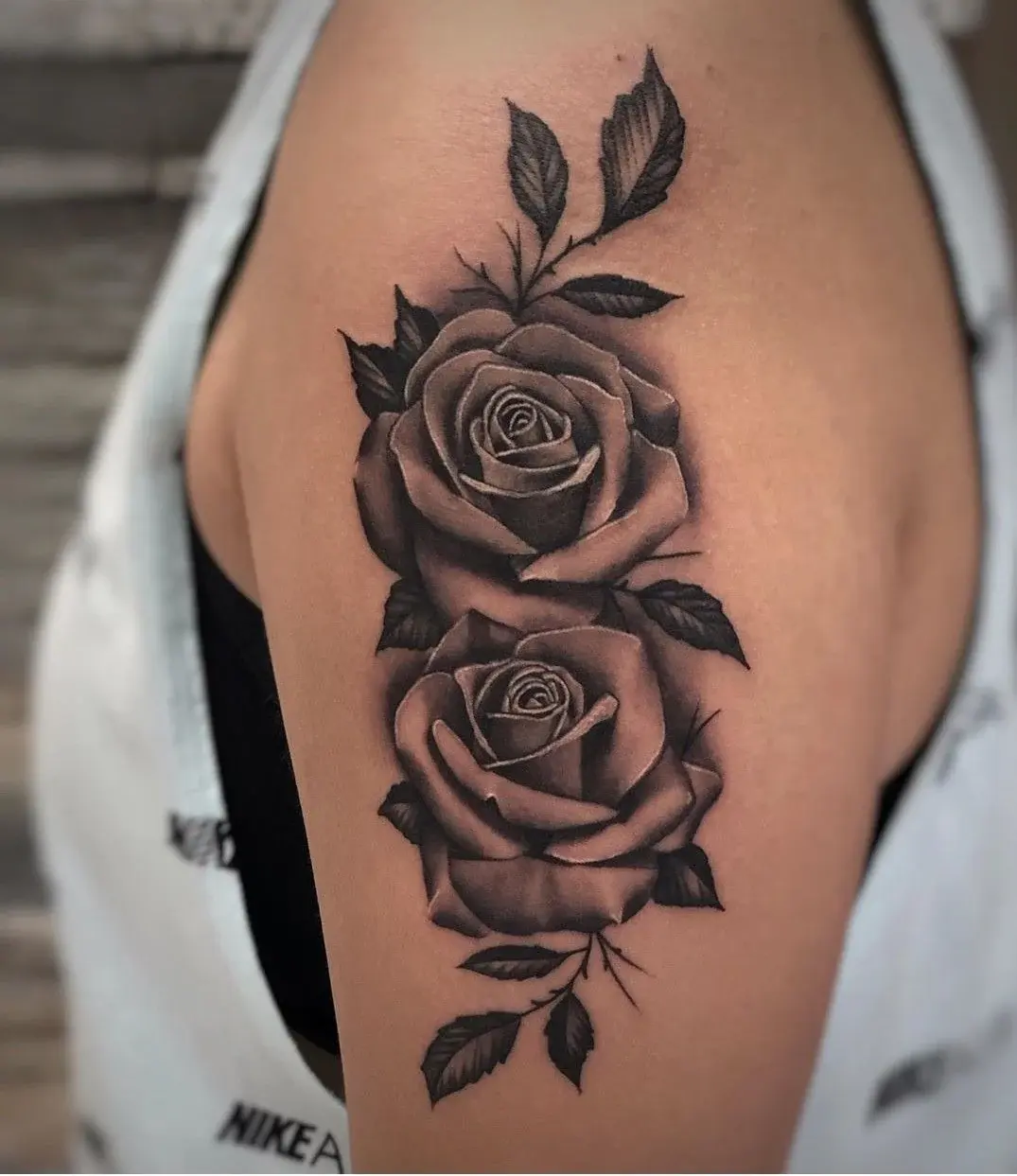
Traditional American style, characterized by bold black outlines and a limited, saturated color palette, offers a classic, iconic look. In contrast, fine-line or minimalist styles focus on delicate, thin lines and often omit heavy shading, creating an elegant and understated appearance. Realism, which utilizes complex shading and light contrast, aims to replicate the exact look of a living flower, often appearing three-dimensional.
- Neo-traditional: Features illustrative, detailed designs with a modern color range.
- Geometric: Incorporates sharp lines and shapes to create a structured, modern rose.
- Watercolor: Uses soft, bleeding edges and vibrant splashes of color to mimic a painting.
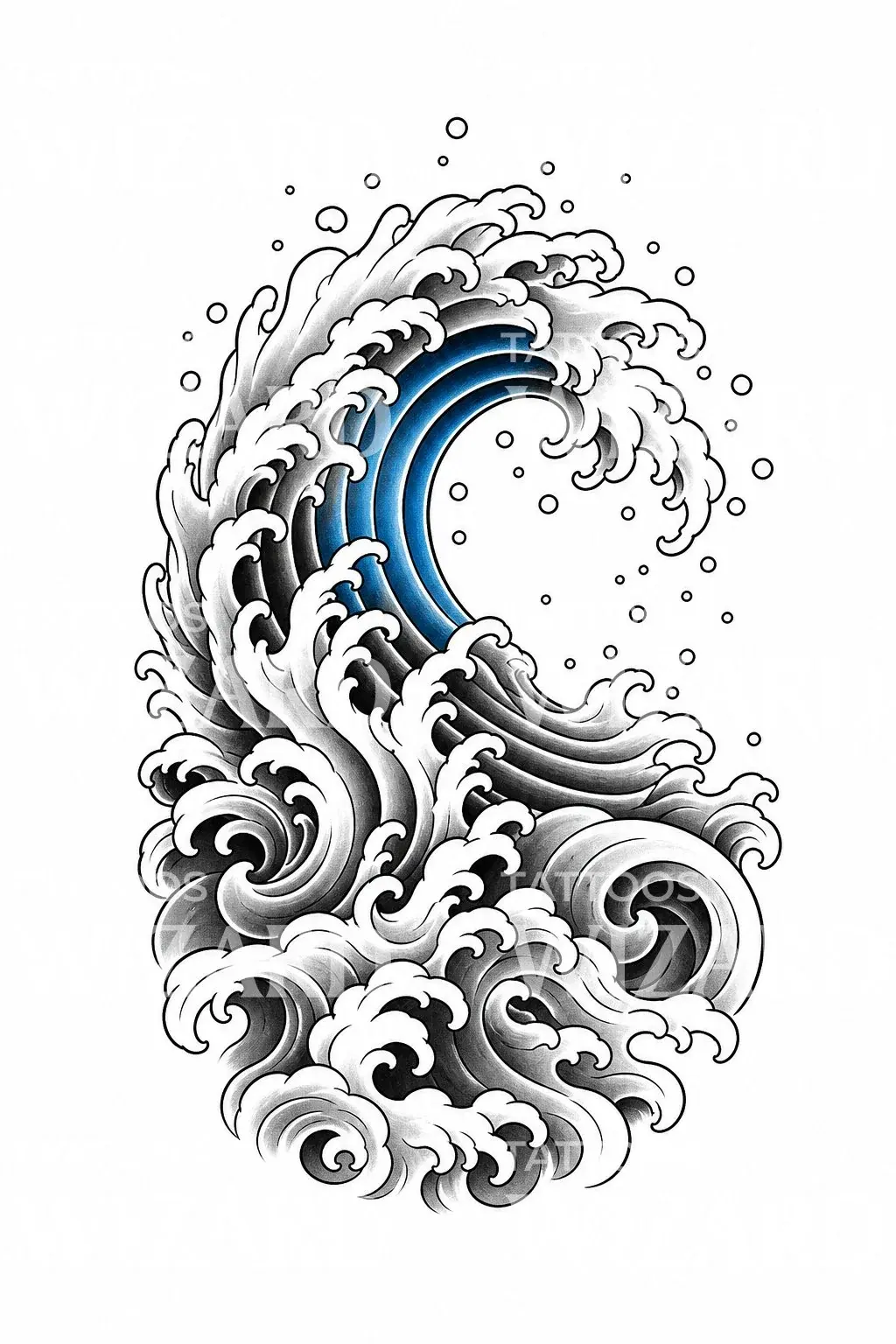
- Blackwork: Relies entirely on black ink, often using heavy saturation or dot-work techniques.
If you are unsure which style suits you, look at portfolios of various artists. Notice how different techniques handle the petals and thorns. A rose rendered in a sketchy, abstract style will convey a very different mood than one rendered in a clean, polished realism style. Identify the elements that draw your eye, such as the contrast of a dark background or the simplicity of a single line.
Common mistakes when getting a rose tattoo
A frequent error is failing to discuss the aging process of the tattoo with a professional artist. Many people choose designs that are far too small, which can lead to the fine details of the rose petals blurring together over time as the ink naturally spreads under the skin. A high-quality tattoo requires enough space for the design to breathe and remain legible as the skin changes.
Another mistake is neglecting the importance of the artist's expertise in floral anatomy. A rose is a complex organic structure; if the shading is incorrect or the petals are arranged unnaturally, the flower can look distorted or flat. Always verify that your chosen artist has experience with botanical subjects. Furthermore, avoid choosing a design solely based on a popular trend without considering how it fits your own personality. Trends fade, but a well-executed, classic rose design remains timeless.
Finally, do not underestimate the importance of aftercare. Failing to follow your artist’s instructions—such as over-cleansing, exposing the fresh tattoo to direct sunlight, or picking at scabs—can lead to poor healing and ink loss. Proper hydration and protection from UV rays are essential to keeping your rose tattoo looking sharp for decades. Treat the healing process with the same care you gave to selecting the design itself.
How to prepare for your tattoo appointment
Preparation for a tattoo session is just as important as the design process itself. Begin by ensuring you are well-rested and have eaten a substantial meal before your appointment, as low blood sugar can make the experience more difficult. Hydration is also key; drink plenty of water in the days leading up to your session to ensure your skin is in the best possible condition for ink absorption.
Wear comfortable, loose-fitting clothing that allows the artist easy access to the area being tattooed. If you are getting a rose on your arm, a sleeveless shirt is ideal. Avoid drinking alcohol or taking blood-thinning medications for 24 hours prior to your appointment, as these can increase bleeding and make the tattooing process more challenging for the artist. Being prepared physically and mentally will help you stay calm and allow the artist to work with precision.
Communication is the final step in preparation. Bring clear references, but be open to your artist's professional suggestions regarding size, placement, and detail. They understand how ink interacts with different skin types and can help you avoid common pitfalls. By fostering a collaborative relationship with your artist, you ensure that the final result is a beautiful, lasting piece of art that you will be proud to display on your body.
Key facts
- Rose tattoos are among the most popular designs in Western tattooing, dating back to the mid-20th century "Old School" or traditional style.
- The meaning of a rose tattoo often changes based on its color, with red representing romantic love and passion.
- A black rose is frequently used to symbolize grief, loss, or the memory of a loved one who has passed away.
- Including thorns in a rose design typically signifies pain, sacrifice, or the idea that beauty comes with hardship.
- Placement matters for visibility; smaller rose designs are often placed on wrists or ankles, while larger, detailed pieces work best on shoulders or thighs.
- To avoid a common mistake, ensure your artist has a portfolio showing consistent line work, as roses require precise shading to look realistic rather than muddy.
The bottom line
The rose tattoo remains a timeless icon in body art, serving as a versatile canvas for personal expression. Whether you choose a classic red bloom for romance or a dark, thorny stem for resilience, the design's meaning is defined by your specific intent and color choice. Prioritize finding a skilled artist to ensure the intricate shading and details remain sharp and vibrant for a lifetime.
People also ask
Does the number of roses in a tattoo have a specific meaning?
Yes, a single rose often represents simplicity or a singular devotion, while a bouquet can symbolize a collection of memories or multiple family members. Some people choose a specific number to represent a significant date or anniversary.
Are rose tattoos considered feminine?
While roses are often associated with femininity, they are gender-neutral in modern tattooing. Many traditional and neo-traditional designs incorporate roses into skulls, daggers, or anchors to create a more rugged aesthetic.
What does a yellow rose tattoo symbolize?
A yellow rose traditionally represents friendship, joy, and platonic love. It is a popular choice for those wanting to celebrate a strong bond with a friend rather than a romantic partner.
Is it painful to get a rose tattoo?
Pain levels depend on the placement rather than the design itself. Areas with less fat and more bone, such as the ribs or feet, will be more sensitive than the fleshy parts of the arm or thigh.
Can I combine a rose with other symbols?
Absolutely, as roses are versatile elements that complement many other motifs. Popular combinations include roses with clocks to represent timeless love or roses wrapped around daggers to symbolize a betrayal of the heart.
How do I keep my rose tattoo from fading?
The most important step is to keep the tattoo out of direct sunlight during the healing process and apply sunscreen daily once it is fully healed. High-quality ink and proper aftercare, such as moisturizing, will preserve the vibrancy of the colors for years.
This answer was created with the help of AI research tools and reference sources. Spotted an error? Let us know — we correct mistakes quickly. See our editorial policy.