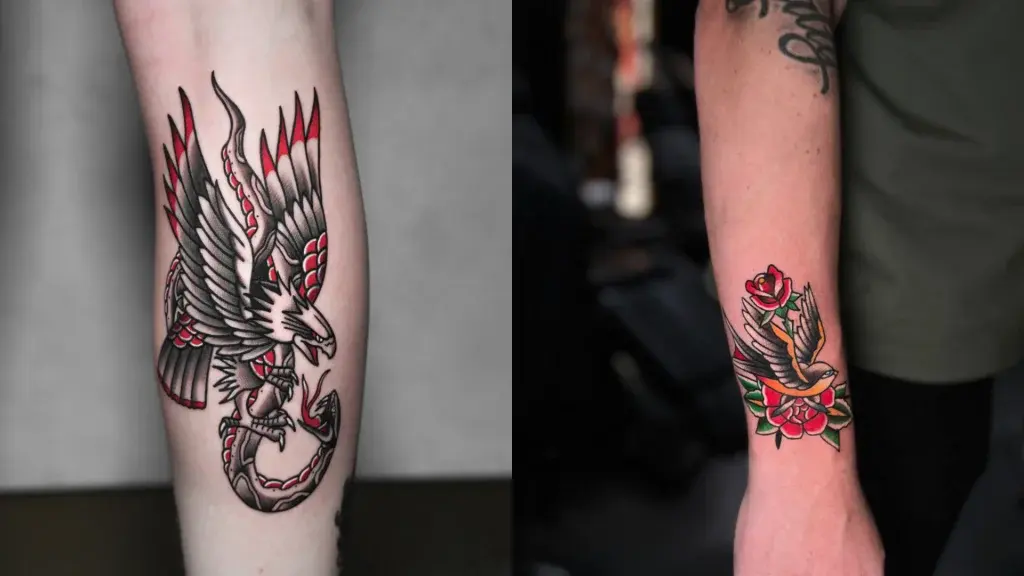
What does a fox tattoo mean?
Short answer
Fox tattoos symbolize intelligence, adaptability, and cunning across diverse global cultures. They often represent a clever guide, a trickster figure, or a symbol of independence. Whether depicted in traditional Japanese art or minimalist modern styles, the fox serves as a versatile emblem for those who value wit, transformation, and survival instincts.
On this page
What do fox tattoos symbolize in different cultures?
The fox holds a complex position in global folklore, often acting as a bridge between the physical and spiritual worlds. In Japanese mythology, the kitsune is a powerful, multi-tailed spirit known for its intelligence and magical abilities. These creatures are often associated with Inari, the Shinto deity of rice and prosperity, and are viewed as benevolent protectors. Conversely, in many Western traditions, the fox is frequently characterized as a "trickster" figure. This archetype emphasizes the animal’s resourcefulness and ability to outsmart more powerful adversaries through sheer wit rather than brute strength.
These cultural interpretations allow individuals to choose a design that aligns with their personal values. A person might select a fox tattoo to honor their heritage or to embody specific traits associated with the animal. Whether representing a guardian spirit or a clever survivor, the fox remains a deeply meaningful motif in contemporary body art. The following list highlights key symbolic associations:
- Wisdom and sharp intellect
- Adaptability in changing environments
- Playfulness and mischievous nature
- Independence and solitary strength
How to choose the best fox tattoo style
Selecting the right artistic style is crucial for ensuring the tattoo accurately reflects your intent. Because the fox has a distinct silhouette, it works well in a variety of mediums. Traditional Japanese (Irezumi) styles often feature bold colors and flowing backgrounds, emphasizing the mythical nature of the creature. In contrast, geometric or minimalist styles focus on the fox’s sharp lines and angular features, offering a modern, clean aesthetic that is highly popular in contemporary tattoo culture.
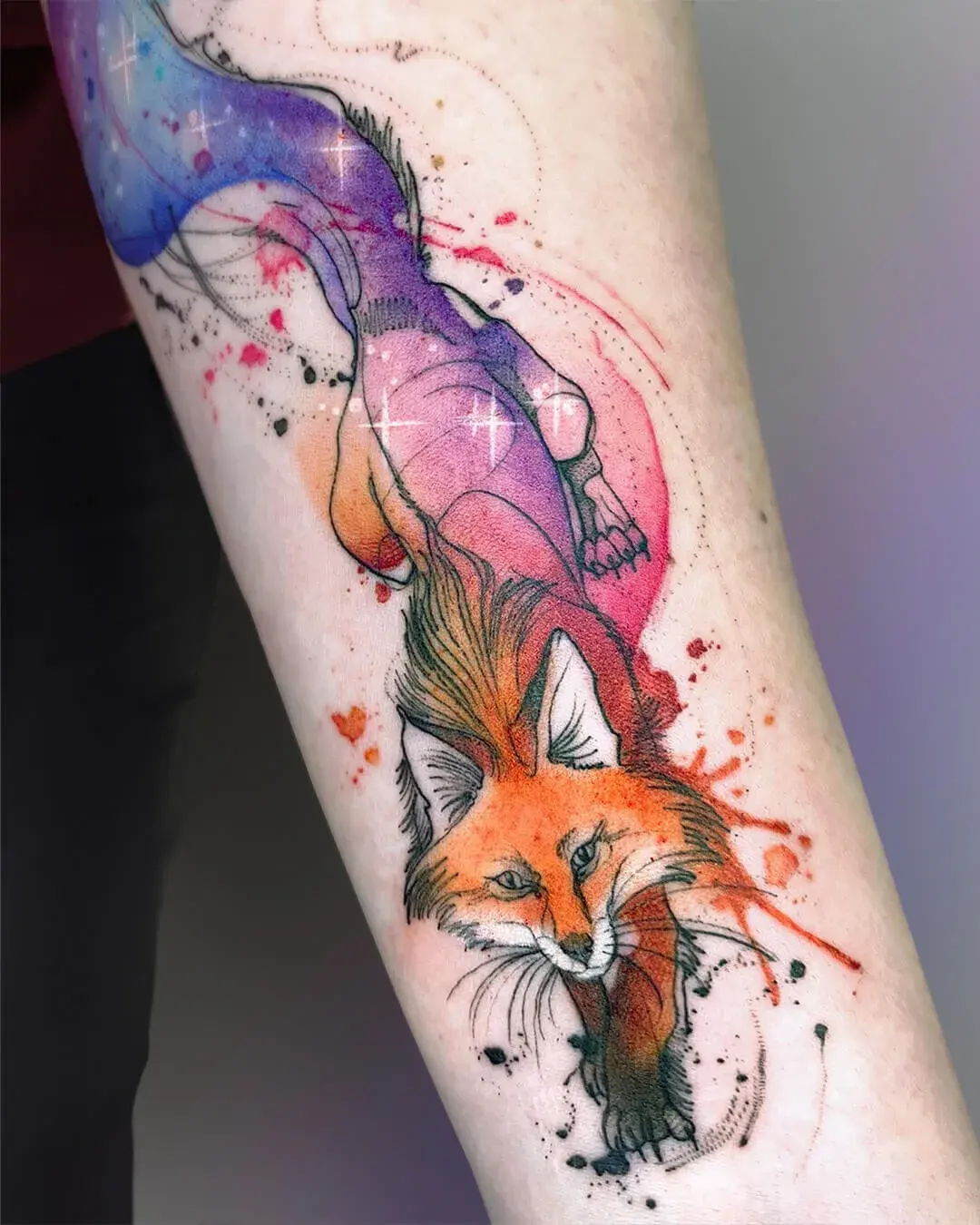
Watercolor tattoos are another excellent choice for those who want a more ethereal or artistic depiction. This style uses soft, bleeding edges to create a sense of movement and grace, which complements the fox's natural agility. Before committing to a style, consider how the design will age on your skin. Highly detailed, small-scale tattoos may lose clarity over time, while larger, bolder designs tend to hold their shape better. Consult with your artist to determine which style best suits your anatomy and long-term goals.
Where to place a fox tattoo on the body
Placement significantly influences both the visibility and the flow of a tattoo design. For a fox, the natural curve of the body can enhance the animal's sleek, elongated form. The forearm or the calf are popular choices because these areas provide a relatively flat canvas that allows the artist to maintain the proportions of the fox’s face and tail. These locations also offer the flexibility to easily hide or display the tattoo depending on your preference.
For larger, more intricate designs, the shoulder blade or the upper back provides ample space for a sprawling, multi-tailed kitsune or a scene featuring natural elements like forest foliage. If you prefer a smaller, more discreet piece, the wrist, ankle, or behind the ear are ideal spots. When deciding on placement, follow these steps to ensure the best result:
- Print a temporary version of your design and place it on your skin to test the size.
- Consider how your muscles move and how that might distort the image.
- Discuss the placement with your artist, as they can suggest adjustments to ensure the design flows with your body's natural contours.
Common mistakes when getting a fox tattoo
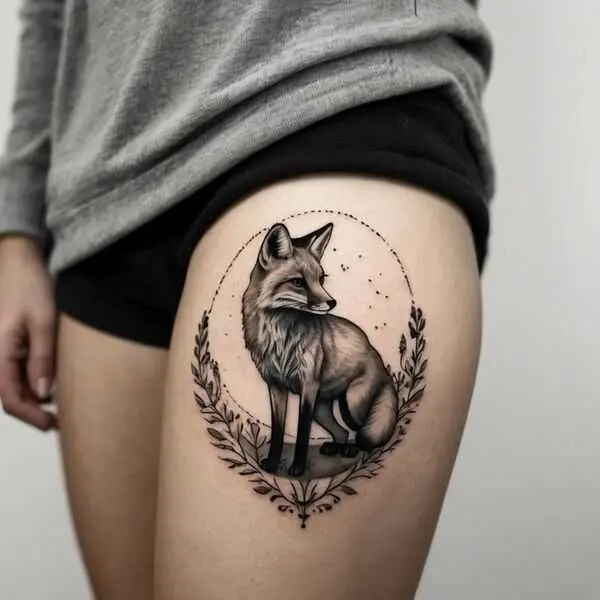
One of the most frequent errors people make is failing to research an artist’s specific portfolio. Not all tattooists specialize in animal portraits or the intricate linework required for a high-quality fox design. Before booking, look for examples of their previous animal work to ensure their style matches your vision. Another common mistake is choosing a design that is too small for the level of detail requested. A fox with intricate fur patterns or multiple tails needs enough surface area to avoid becoming a blurry mess as the ink settles over time.
Additionally, many people neglect the importance of proper aftercare, which is vital for preserving the vibrancy of the ink. Failing to follow your artist's instructions—such as over-moisturizing or exposing the fresh tattoo to direct sunlight—can lead to fading or infection. Avoid these pitfalls by prioritizing quality over convenience and strictly adhering to the healing regimen provided by your tattoo professional. A well-executed tattoo requires both a skilled hand during the session and diligent care afterward to remain sharp and clear for years.
How to prepare for your tattoo appointment
Preparation is the final step in ensuring a positive tattooing experience. Start by getting a good night's sleep and eating a nutritious meal before your appointment to keep your blood sugar stable and your nerves calm. Avoid consuming alcohol or blood-thinning medications for at least 24 hours prior, as these can increase bleeding and make the tattooing process more difficult for the artist. Wear comfortable, loose-fitting clothing that provides easy access to the area being tattooed, and bring a bottle of water to stay hydrated.
Communication remains the most important aspect of the process. Be clear about your expectations regarding the size, placement, and color palette of your fox tattoo. If you are unsure about a specific detail, ask your artist for their professional opinion; they have the experience to know what will look best on your skin. By arriving prepared and keeping an open line of communication, you set the stage for a professional, safe, and successful tattoo experience that you will be proud to display for the rest of your life.
Key facts
- Foxes are globally recognized symbols of intelligence, adaptability, and cunning in folklore.
- In Japanese mythology, the kitsune is a fox spirit associated with wisdom and protection.
- Native American traditions often portray the fox as a clever trickster or a guide for the afterlife.
- Celtic cultures viewed the fox as a symbol of mental clarity and the ability to navigate complex situations.
- Choose a style that matches your intent, such as geometric for modern precision or traditional Japanese for historical depth.
- Always consult a professional artist to ensure the fox's facial features and posture align with the specific symbolic meaning you desire.
The bottom line
A fox tattoo is a versatile choice that blends rich cultural history with personal symbolism. Whether you are drawn to the clever trickster of folklore or the graceful, adaptable spirit of the wild, the design remains a powerful statement of intelligence and resilience. By selecting a style that resonates with your values, you ensure your ink serves as a meaningful reflection of your unique character and journey.
People also ask
Does a fox tattoo always represent trickery?
No, the meaning is highly subjective and depends on cultural context and artistic style. While some view the fox as a trickster, others interpret the animal as a symbol of agility, independence, or sharp intuition.
Which body placement is best for a fox tattoo?
The placement depends on the size and shape of the design. Long, flowing fox designs work well on the forearm or calf, while compact or circular compositions are often better suited for the shoulder or upper back.
Are there gender-specific meanings for fox tattoos?
There are no strict gender-based rules for these tattoos. Both men and women choose fox designs to represent personal traits like cleverness, resilience, or a connection to nature.
How do I avoid a generic-looking fox tattoo?
To avoid a common or "cookie-cutter" design, work with an artist to incorporate unique elements like specific flora, geometric patterns, or a custom pose. Bringing personal references or stories to your consultation helps create a one-of-a-kind piece.
What does a multi-tailed fox signify?
In Japanese folklore, the kitsune gains more tails as it grows older and wiser. A multi-tailed fox tattoo often symbolizes high intelligence, magical power, and long-term spiritual growth.
Can a fox tattoo be minimalist?
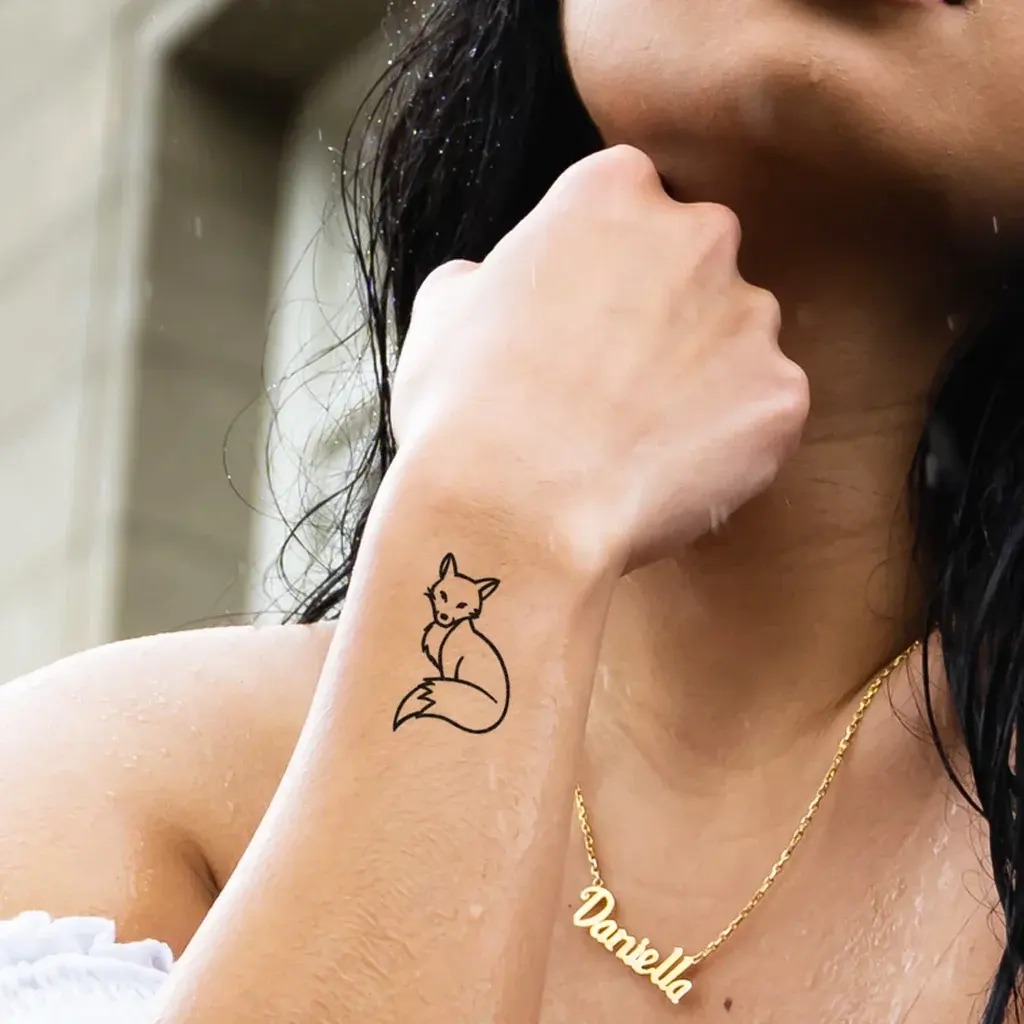
Yes, minimalist fox tattoos are very popular and effective. A simple line-art outline or a small silhouette can capture the essence of the animal's shape without requiring intricate shading or color.
This answer was created with the help of AI research tools and reference sources. Spotted an error? Let us know — we correct mistakes quickly. See our editorial policy.