What does an orca tattoo mean?
Short answer
An orca tattoo symbolizes strength, family loyalty, and intelligence. Often representing the deep bond of the pod, these designs honor the killer whale’s status as a top predator and a complex social being. People choose this motif to signify protection, community, and a profound, spiritual connection to the natural ocean environment.

On this page
What do orca tattoos symbolize?
The orca, or killer whale, is a powerful cultural icon that represents a diverse range of human values. Because orcas live in highly structured, matriarchal pods, the primary meaning of the tattoo is family unity and community loyalty. When someone chooses this design, they are often expressing the importance of their own social circle and their commitment to protecting those they love. The animal’s reputation as an apex predator also makes it a popular choice for those wanting to convey personal strength, fearlessness, and dominance in their professional or personal lives.
Beyond these traits, orcas are frequently associated with intelligence and communication. In many maritime cultures, they are viewed as guardians or spirit guides that lead people through difficult transitions. A tattoo of an orca can therefore represent a journey, a transformation, or a desire for guidance. Whether depicted as a realistic portrait or a stylized tribal design, the orca serves as a versatile emblem of both fierce power and gentle, protective instincts.
How do different styles change the meaning?
The visual style of an orca tattoo significantly alters how the message is perceived by others. Traditional Pacific Northwest Indigenous art, such as Haida or Tlingit formline designs, carries deep historical significance. These styles often represent specific clans, ancestral stories, or spiritual connections to the sea. Using these designs requires cultural sensitivity and respect for the origins of the art form.
Modern artistic interpretations offer a broader range of symbolic expressions:
- Minimalist line work: Represents clarity, focus, and a modern approach to ancient symbols.
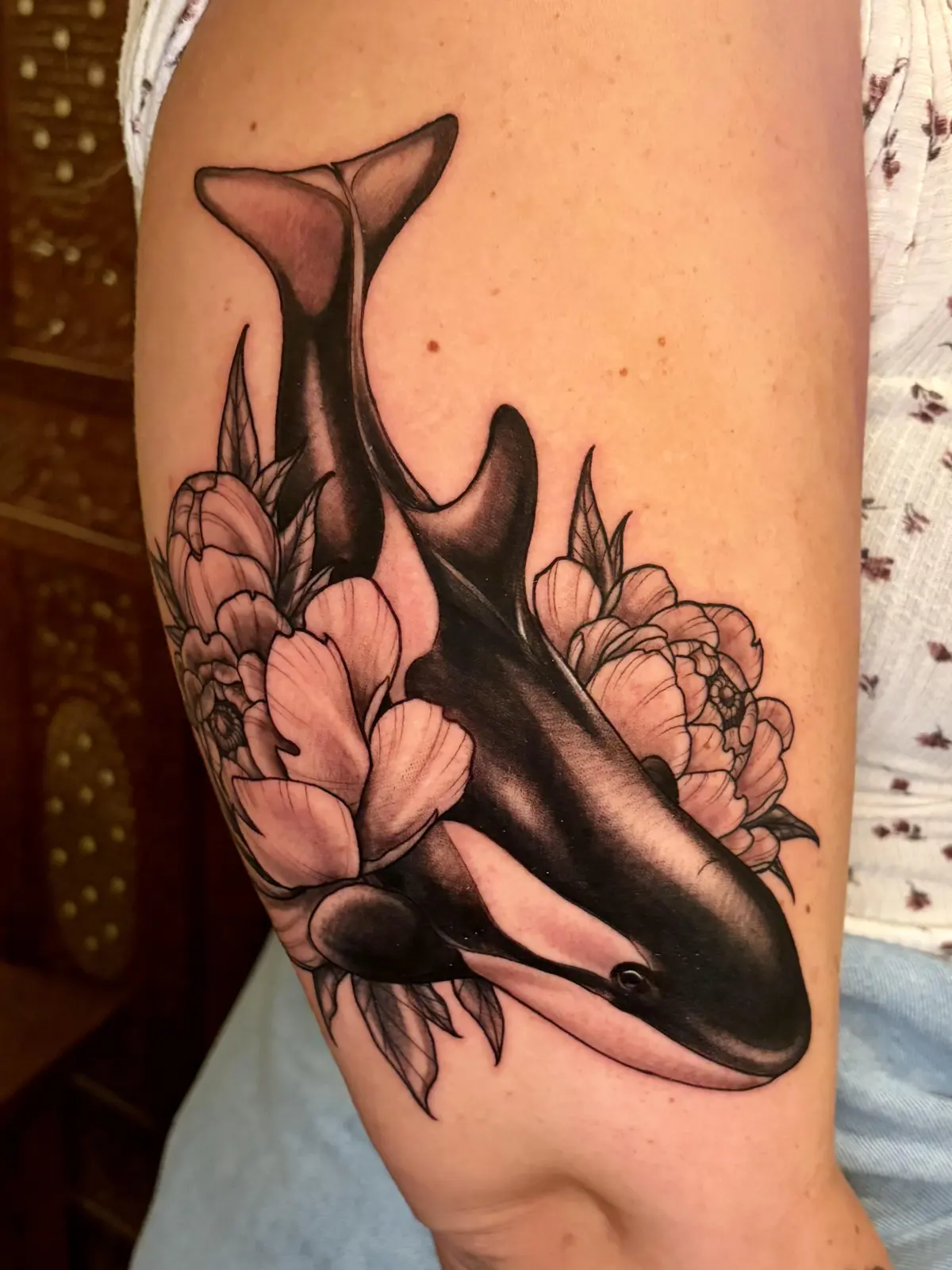
- Realistic portraits: Emphasizes the raw power, biological beauty, and wild nature of the animal.
- Geometric or dot-work: Suggests a structured, analytical mind and an appreciation for mathematical balance.
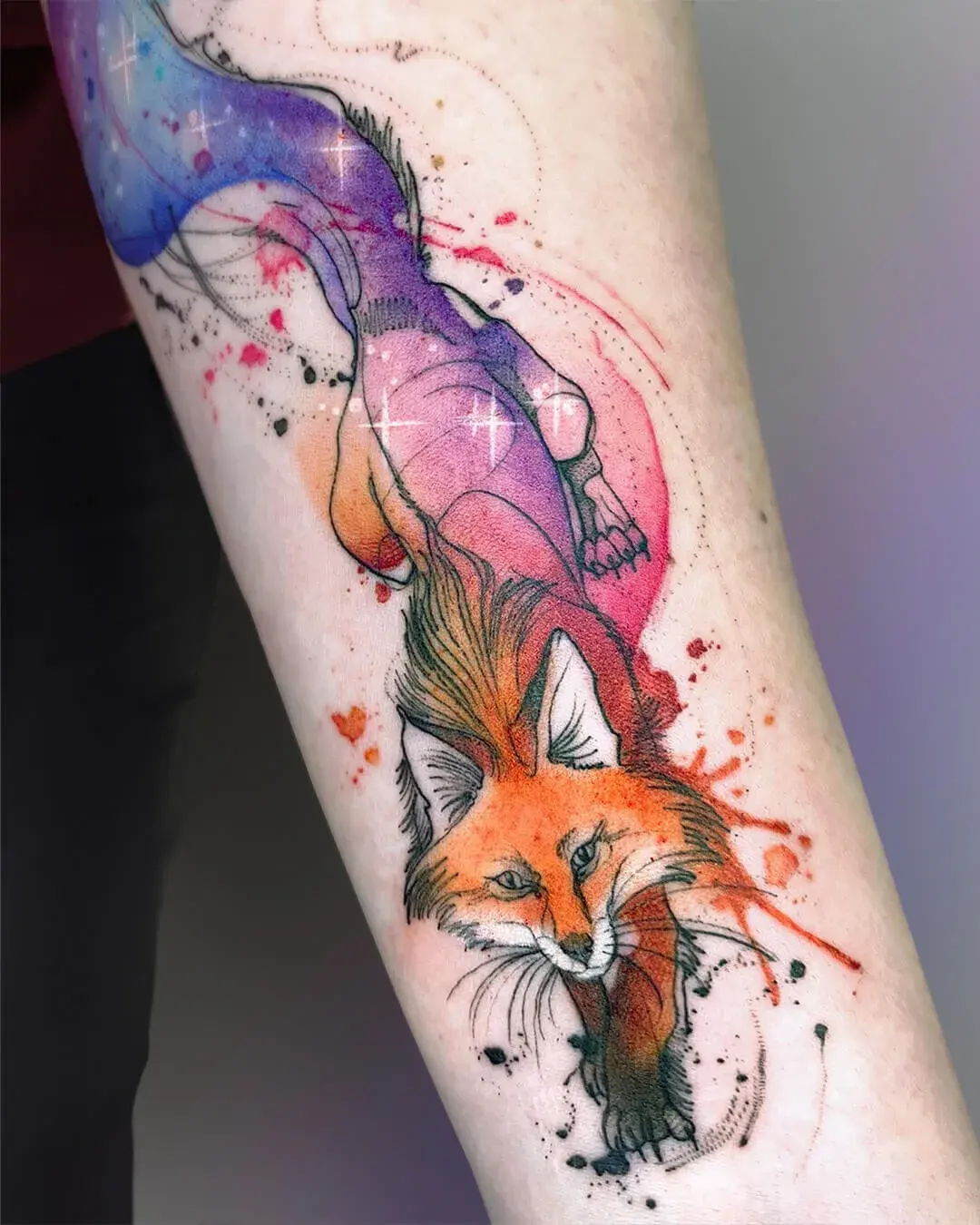
- Watercolor styles: Implies fluidity, creativity, and an emotional connection to the unpredictable nature of the ocean.
Choosing the right style is essential for ensuring the tattoo aligns with your personal values. A minimalist design might suit someone who values subtlety, while a large, realistic piece serves as a bold statement of identity.
Where is the best placement for an orca tattoo?
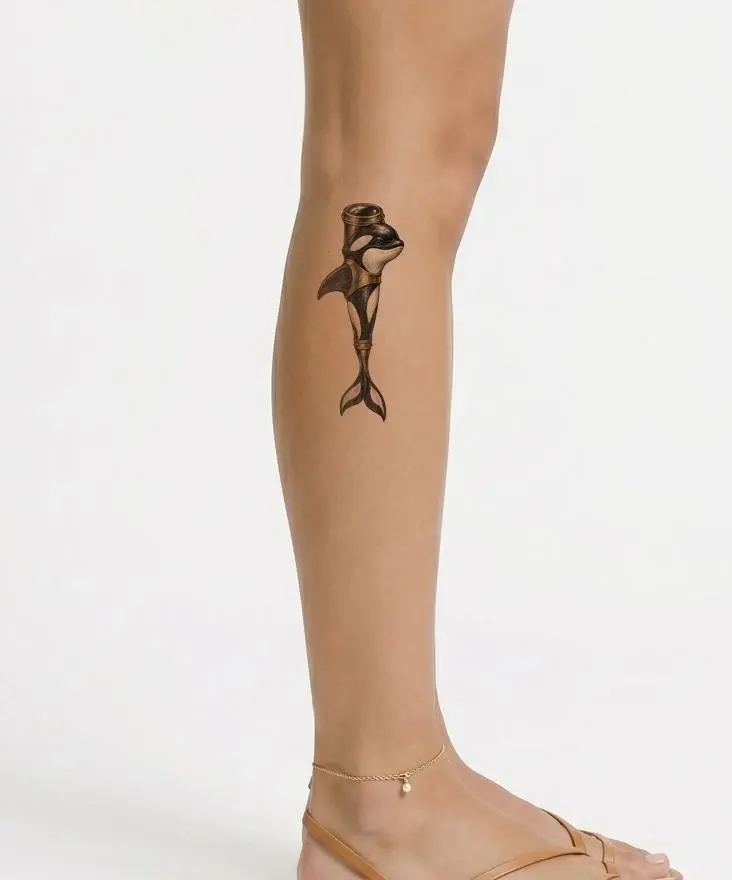
Placement is a practical decision that affects both the visibility and the flow of the design. Because orcas have long, streamlined bodies, they are well-suited for areas of the body that offer vertical space. The forearm, calf, and side of the torso are popular choices because they allow the tattoo artist to capture the animal’s grace and movement without distorting the proportions.
Consider these factors when deciding where to place your ink:
- Visibility: Decide if you want the tattoo to be a private reminder or a public display.
- Skin surface: Flatter areas like the shoulder blade or upper back are ideal for intricate, detailed scenes.
- Movement: Placing the design on a limb can make the orca appear as if it is swimming when you move.
- Pain tolerance: Areas with less muscle or fat, such as the ribs or feet, are generally more sensitive during the tattooing process.
Always consult with your artist about the anatomy of the chosen placement. A professional will advise you on how to position the design so that it complements your natural muscle structure.
Common mistakes when getting an orca tattoo
One of the most frequent mistakes is failing to research the cultural background of specific artistic styles. If you choose a tribal or indigenous-inspired design, ensure you understand its meaning to avoid cultural appropriation. It is always better to work with an artist who specializes in the specific aesthetic you desire rather than asking a generalist to replicate a complex cultural pattern.
Another common error involves neglecting the long-term aging of the tattoo. Orcas are often depicted with high-contrast black and white patches. If the lines are too thin or the shading is poorly executed, the design may blur over time, losing the distinct contrast that makes the orca recognizable.
- Avoid choosing a design that is too small, as fine details like the eye patch or dorsal fin can lose definition.
- Do not rush the design process; take time to refine the sketch with your artist.
- Avoid neglecting the aftercare instructions, as poor healing can ruin the vibrancy of the black ink.
How to prepare for your tattoo appointment
Preparation is key to a successful tattoo experience. Start by finalizing your design at least two weeks before your appointment to allow for any necessary adjustments. Ensure your skin is healthy and hydrated by drinking plenty of water and applying lotion to the area in the days leading up to your session. Avoid sun exposure or tanning, as damaged skin is difficult to tattoo and may result in a poor final appearance.
On the day of your appointment, prioritize your physical comfort:
- Eat a substantial meal to keep your blood sugar stable, which helps prevent fainting.
- Wear comfortable, loose-fitting clothing that allows easy access to the area being tattooed.
- Bring a sugary snack or drink to maintain energy levels during long sessions.
- Get a full night of sleep to ensure your body is better prepared for the stress of the process.
By following these steps, you ensure that your orca tattoo remains a meaningful and well-executed piece of art for many years to come.
Key facts
- Orcas symbolize family loyalty, as they live in complex, matrilineal pods led by a matriarch.
- In many Pacific Northwest Indigenous cultures, the orca represents a guardian of the sea and a protector of travelers.
- The black-and-white pattern of the orca is often used in minimalist or geometric tattoo styles to emphasize contrast.
- Placement on the forearm or calf is popular because the elongated shape of the orca complements the body's natural lines.
- Research your artist’s portfolio specifically for marine life; shading scales and water textures require specialized technical skill.
- Avoid getting a tattoo while sunburned or dehydrated, as this significantly increases pain and risks poor ink retention.
The bottom line
An orca tattoo serves as a powerful emblem of familial bonds, intelligence, and deep-seated respect for the natural world. Whether you choose a realistic portrait or a stylized cultural design, ensure your artist has experience with marine life to capture the animal's distinct anatomy. By prioritizing professional hygiene and meaningful design choices, you create a lasting piece of body art that honors the majesty of the sea.
People also ask
Does an orca tattoo have a specific cultural meaning?
Yes, for many coastal First Nations people, the orca is a powerful spirit animal representing community, longevity, and deep spiritual connection to the ocean.
Is it common to get a tribal-style orca tattoo?
Many people choose Haida-style or other traditional Indigenous art forms, but it is essential to respect these cultural designs and avoid appropriation by consulting with Indigenous artists.
What is the best placement for a large orca tattoo?
The back, thigh, or upper arm provides the necessary surface area to capture the orca’s sleek, streamlined body without distorting the design.
Do orca tattoos always have to be black and white?
While the natural coloration of an orca is iconic, many people incorporate blue, green, or watercolor splashes to represent the ocean environment.
How long does a medium-sized orca tattoo take to heal?
Most tattoos take about two to four weeks to heal on the surface, though the deeper layers of skin may take several months to fully recover.
Can I get an orca tattoo if I have sensitive skin?
You should consult a dermatologist first and always perform a patch test with the ink if you have a history of allergic reactions to pigments.
This answer was created with the help of AI research tools and reference sources. Spotted an error? Let us know — we correct mistakes quickly. See our editorial policy.