What are good Mother's Day crafts?
Short answer
Good Mother’s Day crafts focus on personalization, utility, and sentimental value. Popular choices include handmade jewelry, custom photo frames, pressed flower art, and hand-painted ceramics. These projects succeed by combining simple materials with thoughtful effort, ensuring the final result serves as a meaningful keepsake rather than just a decorative object.
On this page
Best DIY Mother's Day crafts for beginners
Handmade gifts are highly valued for the time and effort invested in their creation. For beginners, simple projects that require minimal specialized equipment often yield the most professional results. Personalized photo frames, for example, allow you to highlight a cherished memory while practicing basic crafting skills like decoupage or painting. Another excellent entry-level project is the creation of custom-scented soy candles. By using pre-made containers and essential oils, you can produce a high-quality gift that feels luxurious and intentional.
When choosing a project, consider the recipient's personal style and daily habits. If she enjoys gardening, a hand-painted terracotta pot is both functional and decorative. If she prefers organization, a custom-decorated desk organizer or a fabric-lined jewelry box might be more appropriate. Focus on projects that emphasize utility, as these are more likely to be used regularly. Start with these simple ideas:
- Hand-painted terracotta plant pots with acrylic designs.
- Pressed flower frames using dried local wildflowers.
- Custom-scented soy candles in recycled glass jars.
- Hand-stamped fabric tote bags using linoleum blocks.
How long does it take to make handmade gifts
Most beginner-friendly Mother's Day crafts can be completed in two to four hours, excluding drying times. It is essential to account for the curing or drying phase, as rushing these steps often leads to smudged paint or weakened adhesive bonds. For instance, while painting a ceramic mug takes only an hour, the paint may require 24 hours to set or a specific heat-curing process in an oven to become dishwasher safe. Planning your schedule at least three days before the holiday ensures that your project is fully finished and ready for presentation.
If you are attempting more complex crafts, such as jewelry making or intricate embroidery, allocate additional time for trial and error. Complex projects often require multiple stages, such as designing, assembling, and finishing. To manage your time effectively, break the project into smaller, manageable tasks. Use a timer to track your progress and avoid burnout. Remember that the goal is to enjoy the creative process rather than rushing to reach the finish line, as this often results in lower quality work.
Common mistakes when crafting for Mother's Day
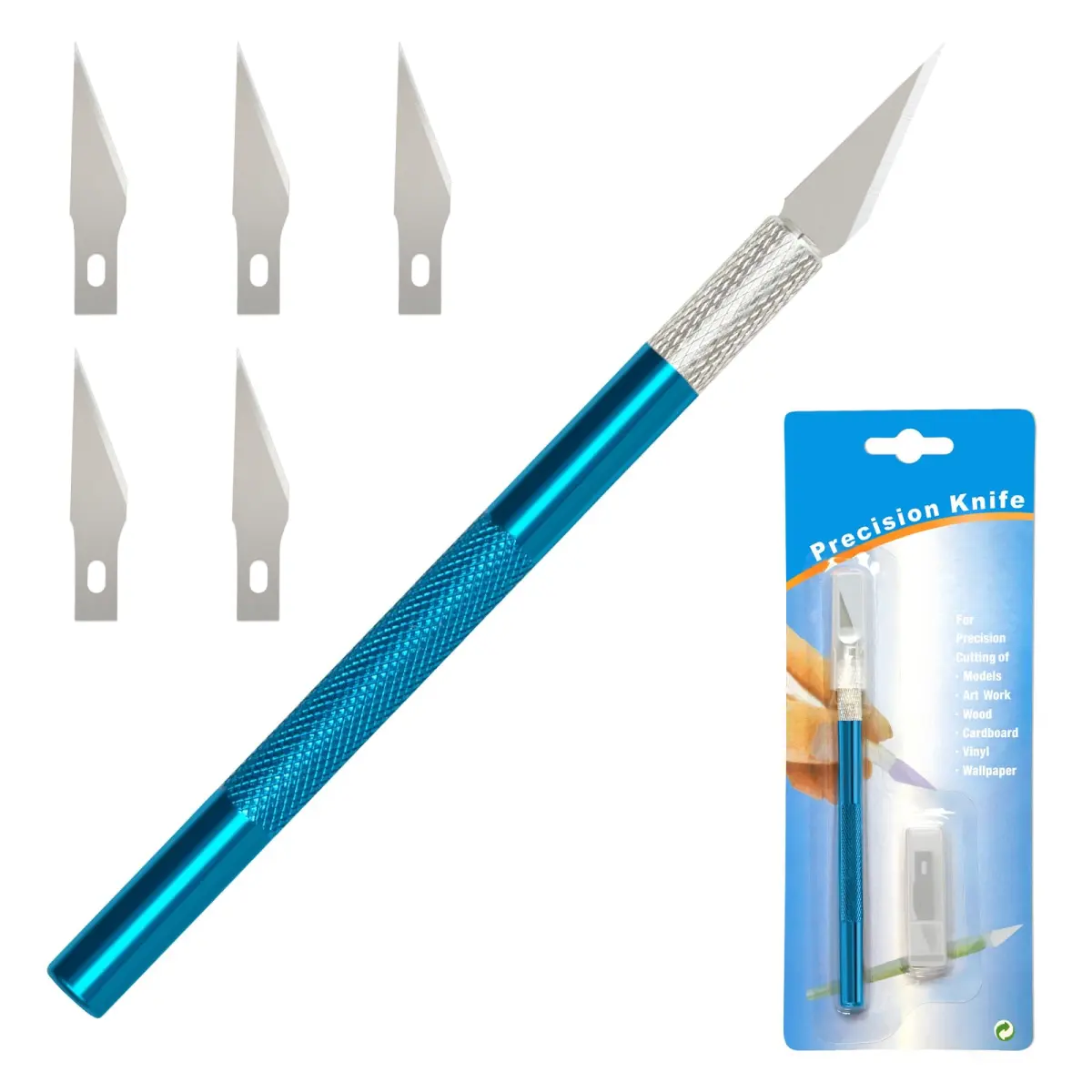
One of the most frequent errors in DIY crafting is failing to prepare the workspace properly. Working on an unprotected surface can lead to permanent damage from glue, paint, or sharp tools. Always use a cutting mat or a heavy drop cloth to protect your furniture. Another common mistake is choosing materials that are not compatible, such as using water-based glue on non-porous surfaces like plastic or metal. This often results in the craft falling apart shortly after completion, which can be discouraging.
Additionally, many people underestimate the importance of finishing touches. A project may look well-constructed, but poor packaging or a lack of attention to detail can detract from the final presentation. Avoid these common pitfalls by following these guidelines:
- Always test your adhesive on a scrap piece of material first to ensure a strong bond.
- Clean all surfaces thoroughly with rubbing alcohol before applying paint or vinyl to remove oils.
- Use a clear sealant or varnish to protect your finished work from dust and moisture.
- Avoid using too much glue, as it can seep out and create a messy, unprofessional appearance.
Why personalized crafts are better than store-bought
Personalized crafts carry an emotional weight that mass-produced items cannot replicate. When you invest time into making something specifically for someone, you demonstrate that you understand their preferences, history, and personality. This creates a lasting connection between the giver and the recipient. Furthermore, handmade items often serve as conversation pieces, allowing the recipient to share the story of how the gift was made with friends and family. This narrative element adds significant value to the object.
Beyond the emotional aspect, handmade crafts are often more sustainable and environmentally friendly. By repurposing materials like glass jars, fabric scraps, or old photographs, you reduce waste and give new life to discarded items. This approach aligns with modern values of conscious consumption and minimalism. When you craft a gift, you are not just providing an object; you are providing a unique experience that celebrates the relationship you share. The imperfections inherent in handmade goods are part of their charm, distinguishing them from the sterile uniformity of factory-made products.
How to choose the right materials for your project
Selecting the right materials is the foundation of any successful craft. Quality matters, even for simple projects. Cheap paints may peel or fade quickly, while low-grade adhesives can lose their grip over time. Invest in reputable brands for essential supplies like brushes, glues, and paints, as these will make the actual crafting process much smoother and more enjoyable. If you are working with fabric, choose natural fibers like cotton or linen, which are generally easier to work with and hold dyes or stamps better than synthetic blends.
Consider the longevity of your materials when planning a project. If you are making something that will be handled frequently, such as a bookmark or a keychain, prioritize durability. Use heavy-duty cardstock or sealed wood rather than fragile paper or delicate plastics. Always read the instructions on your materials to ensure they are appropriate for your intended use. By selecting high-quality, durable components, you ensure that your Mother's Day craft will remain a cherished keepsake for many years to come.
Key facts
- Mother’s Day is celebrated on the second Sunday of May in the United States, Canada, and many other countries.
- Handmade gifts are often valued for their personal effort, which frequently outweighs the monetary cost of store-bought items.
- Pressed flower frames are a popular craft that preserves botanical beauty using only heavy books and picture frames.
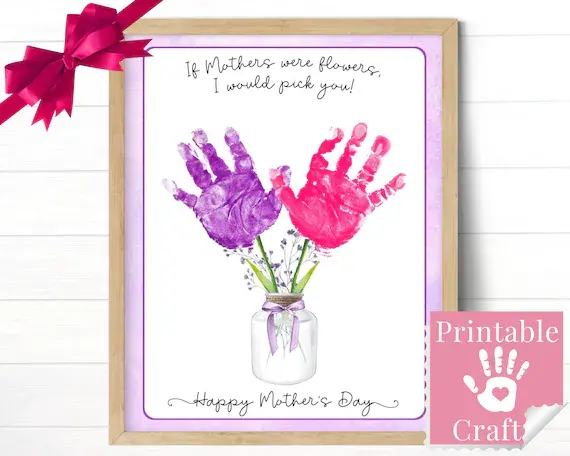
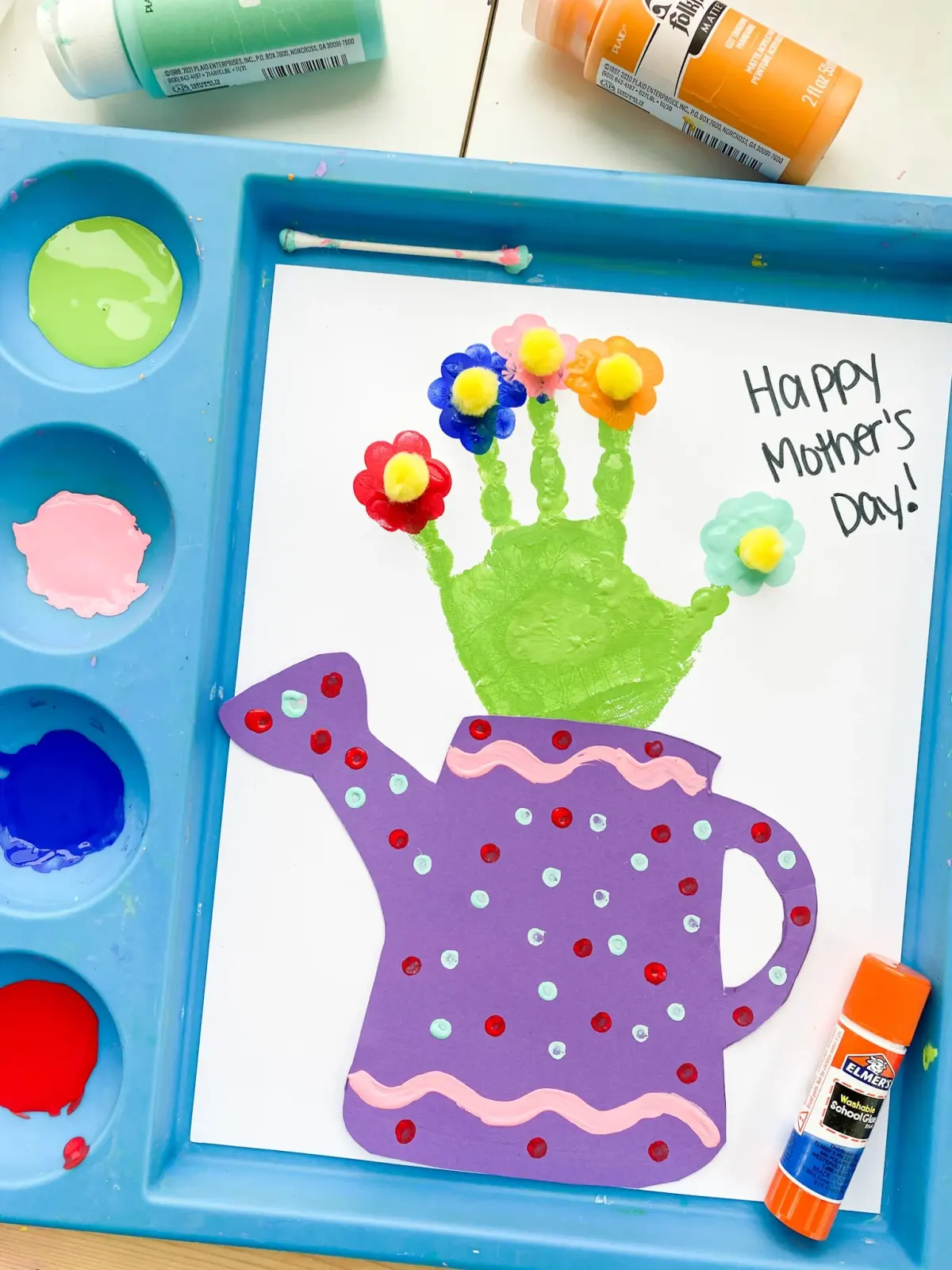
- Handprint art is a timeless craft that captures a child’s developmental stage, making it a sentimental keepsake for parents.
- Avoid using low-quality adhesives like standard school glue for heavy items; use hot glue or industrial-strength craft glue instead.
- Always prepare a workspace with newspaper or a plastic tablecloth to prevent permanent damage to household surfaces during crafting.
The bottom line
Creating a Mother’s Day craft is a meaningful way to express appreciation through personal effort and creativity. By selecting manageable projects like pressed flowers or handprint art, you ensure a high-quality result that serves as a lasting memento. Focus on using durable materials and clean techniques to elevate your final product. Ultimately, the thoughtfulness behind a handmade gift remains its most significant and cherished quality.
People also ask
What materials are best for beginner-friendly Mother's Day crafts?
Cardstock, non-toxic acrylic paints, twine, and dried flowers are excellent starting materials. These items are inexpensive and widely available at most craft stores.
How can children make a personalized card look professional?
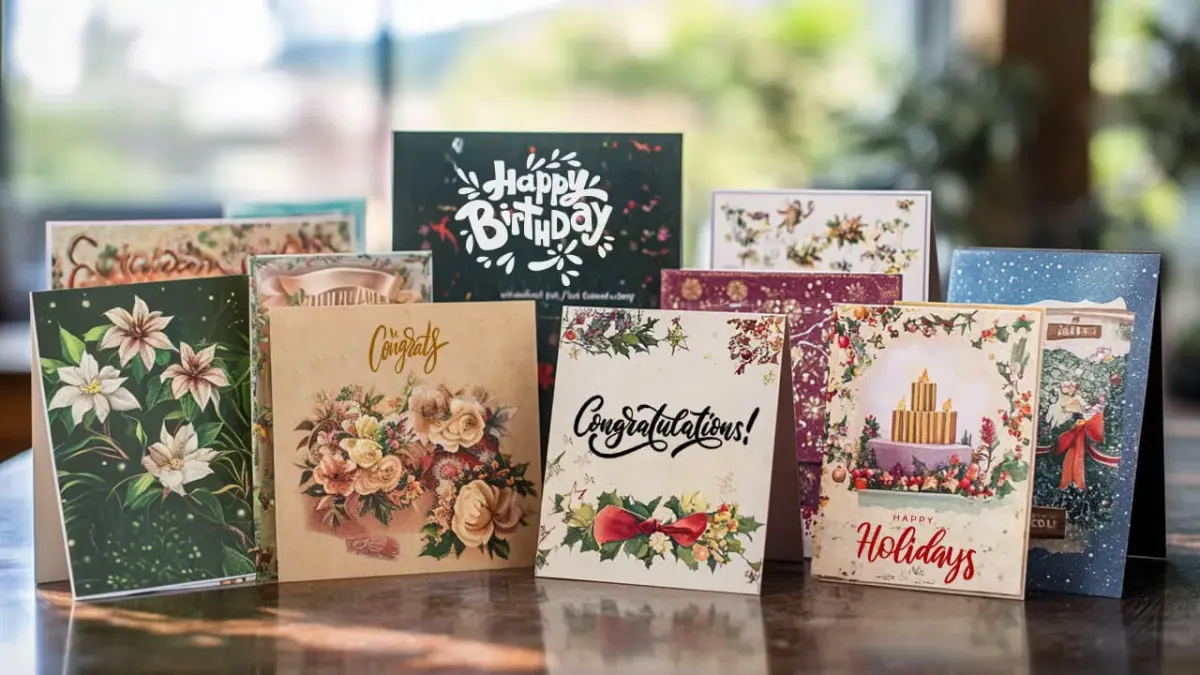
Use a ruler to create crisp folds and incorporate layered paper elements to add depth. Adding a handwritten note inside is more important than the exterior design.
Are there eco-friendly craft options for Mother's Day?
Yes, you can create planters from upcycled tin cans or make bookmarks from recycled cardboard. Using natural materials like twigs and stones also reduces plastic waste.
What is the most common mistake when making handmade jewelry?
Using weak string or improper clasps that break easily under tension. Always test the durability of your knots and use quality jewelry wire for longevity.
How do you preserve a child's handprint art permanently?
Apply a thin layer of clear acrylic sealant or mod podge over the dried paint to prevent fading. Keep the artwork away from direct sunlight to maintain color vibrancy.
Can food-based crafts be used as Mother's Day gifts?
Homemade bath salts or sugar scrubs are popular, safe, and practical options. Ensure you use food-grade ingredients and include a label with a clear expiration date.
This answer was created with the help of AI research tools and reference sources. Spotted an error? Let us know — we correct mistakes quickly. See our editorial policy.