What are good abstract art ideas?
Short answer
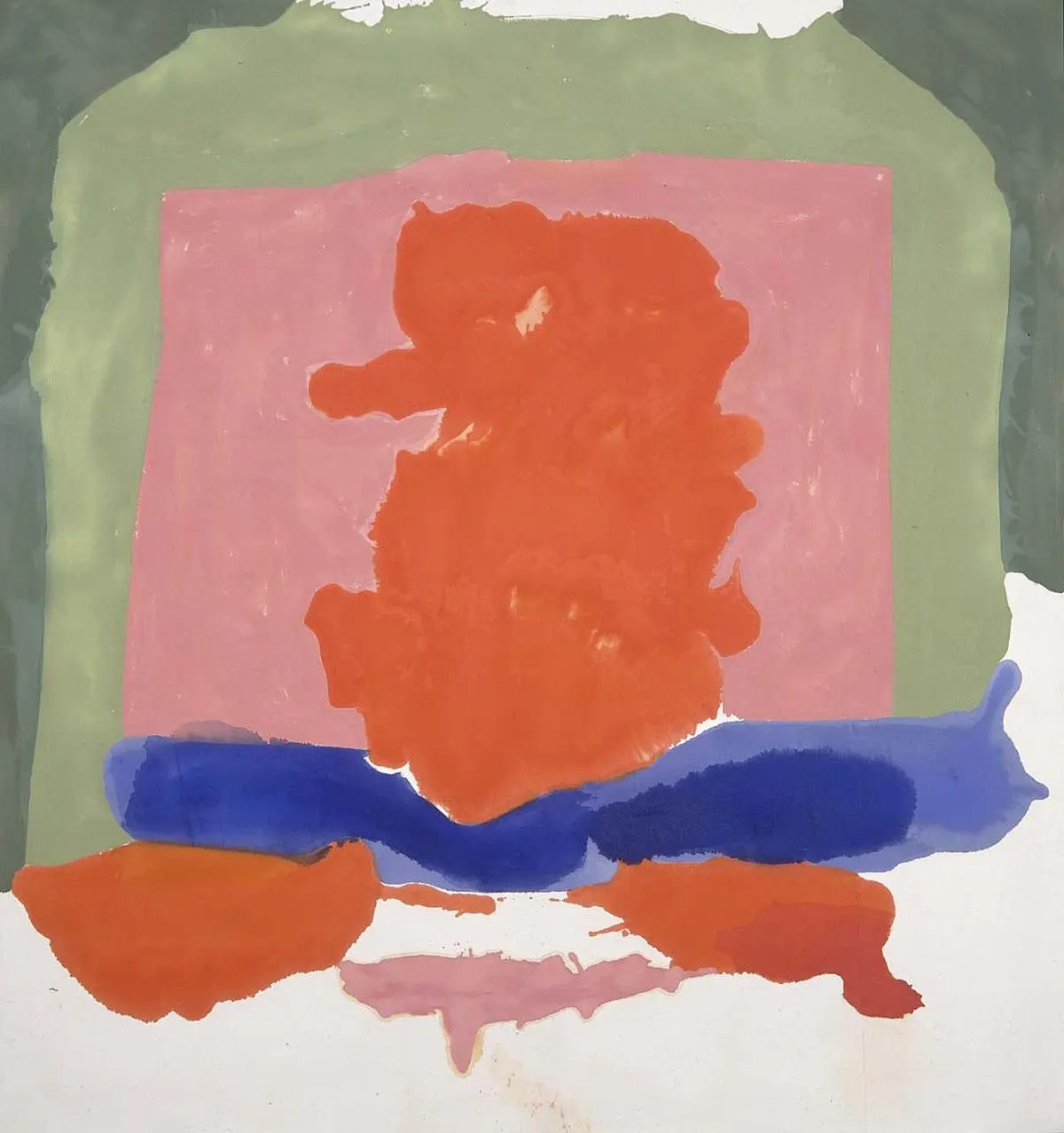
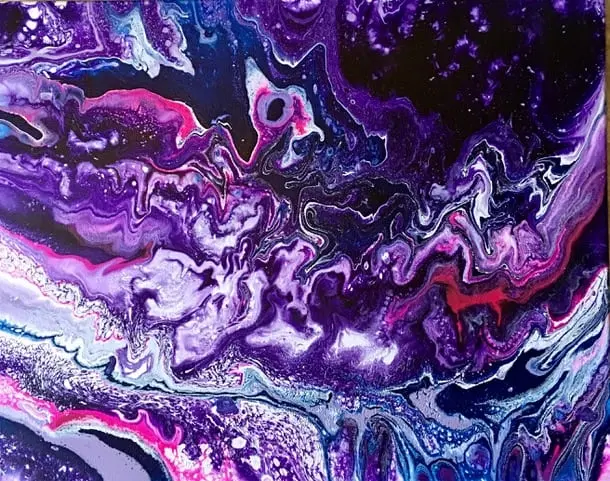
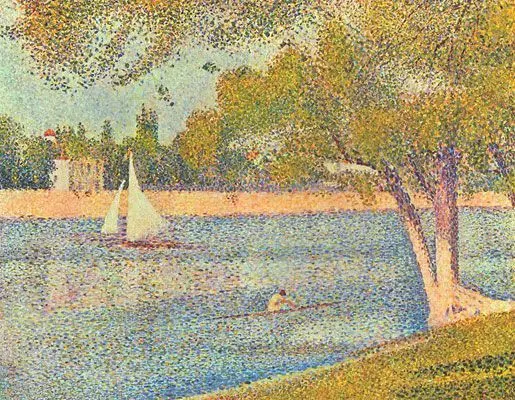
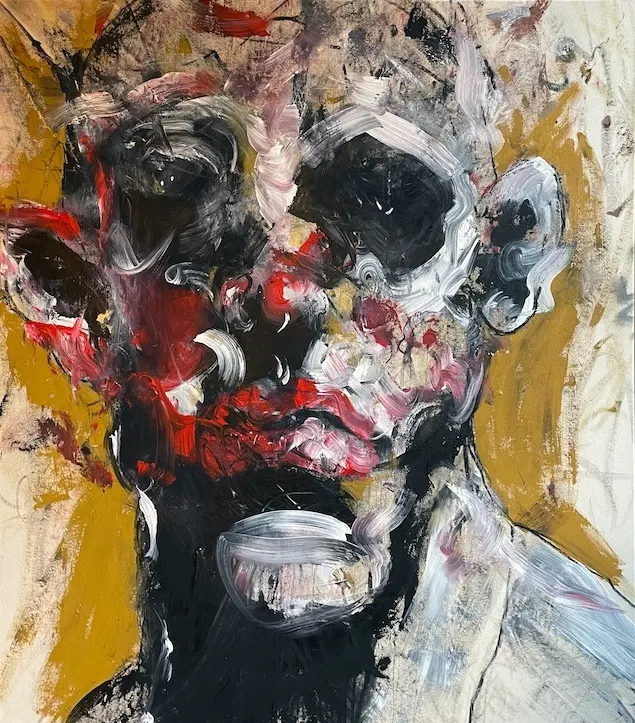
Abstract art is a form of expression that prioritizes shapes, colors, and textures over literal representation. Good ideas involve exploring emotional states, simplifying natural forms, or experimenting with rhythmic mark-making. By focusing on the interplay of visual elements rather than realistic accuracy, you can create compelling works that invite personal interpretation.
On this page
How to start abstract painting for beginners
The most effective way to begin abstract art is by focusing on the fundamental elements of design: line, shape, color, and texture. Instead of trying to paint a specific object, start by choosing a limited color palette. This constraint prevents you from becoming overwhelmed and helps you understand how different hues interact on the canvas. You might begin with only primary colors plus white to see how varying the ratios changes the mood of the piece.
Another excellent entry point is to use music as a guide. Listen to a piece of instrumental music and let the rhythm, tempo, and intensity dictate your brushstrokes. Quick, jagged lines can represent staccato notes, while long, sweeping curves can mirror melodic phrases. This technique removes the pressure of planning a composition and allows your subconscious to lead the process.
- Select a small canvas to avoid the intimidation of large, empty spaces.
- Choose three colors and one neutral tone to maintain harmony.
- Apply paint using non-traditional tools like palette knives, sponges, or cardboard scraps.
- Focus on layering, allowing each coat to dry before adding new marks.
Best abstract art techniques to try
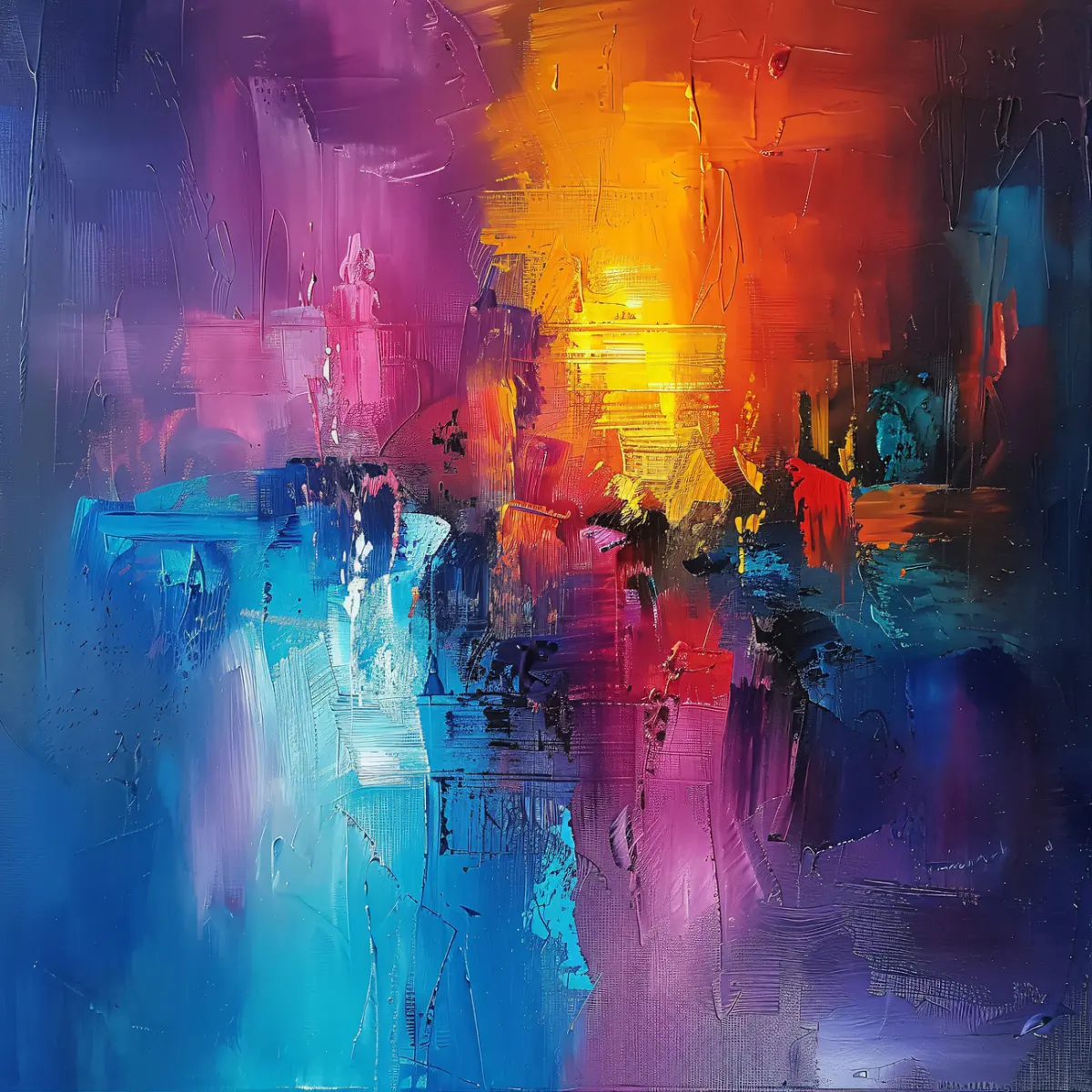
Experimenting with texture is a hallmark of abstract expressionism. You can add physical depth to your work by mixing modeling paste with acrylic paint or incorporating found objects like sand, fabric, or paper scraps. These additions create a tactile quality that draws the viewer in, encouraging them to look closer at the surface of the painting. The goal is to build a history on the canvas through multiple layers.
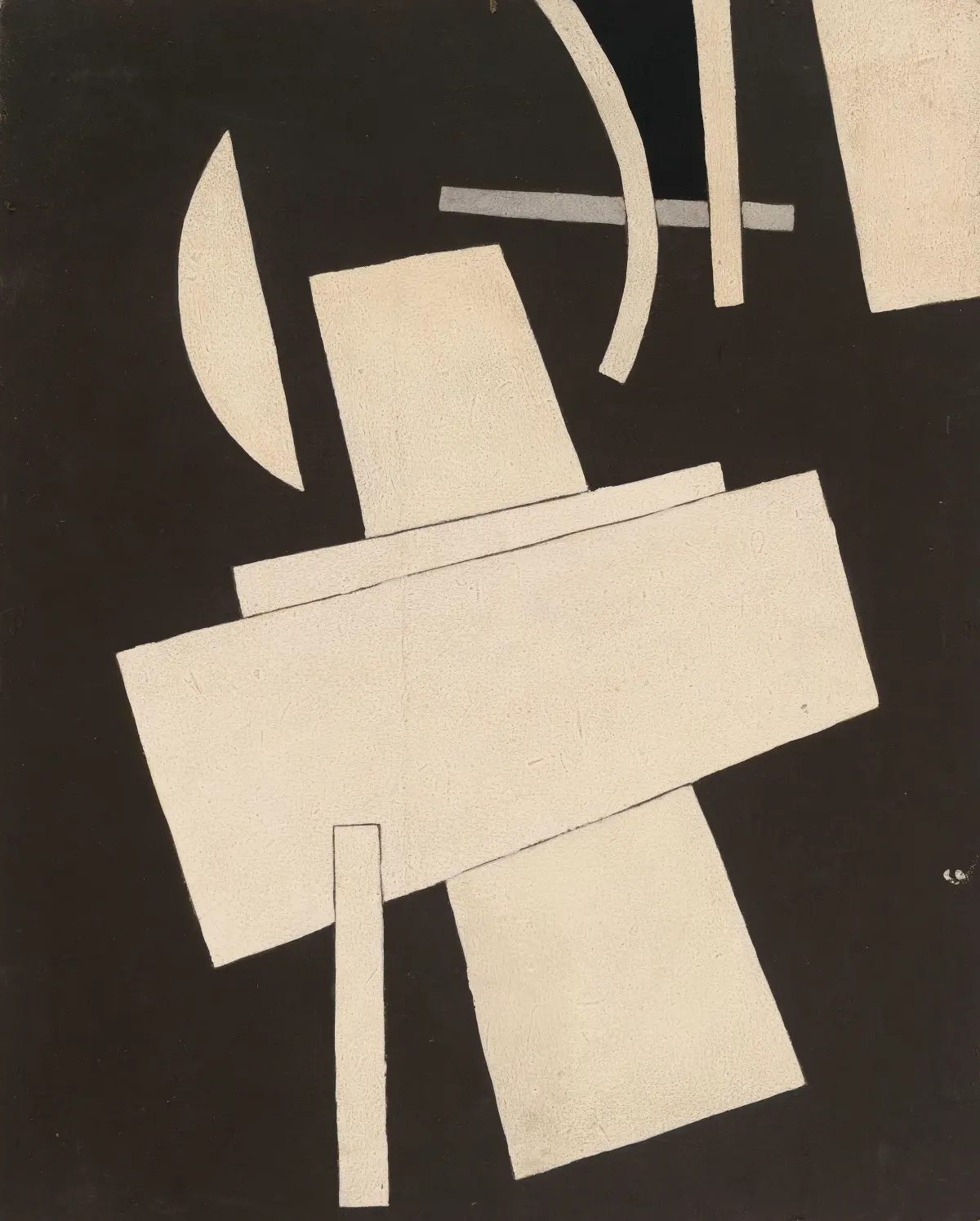
Another powerful technique is the use of "negative space." Instead of focusing entirely on what you are adding to the canvas, pay attention to the empty areas. Leaving parts of the background visible or creating large, unadorned shapes can provide a sense of balance and breathing room. This contrast between density and emptiness is essential for creating a professional-looking composition that does not feel cluttered or chaotic.
- Scumbling: Dragging a dry brush with a small amount of paint over a textured surface.
- Glazing: Applying thin, transparent layers of color to shift the hue of the base layer.
- Sgraffito: Scratching through a top layer of wet paint to reveal the colors underneath.
- Masking: Using painter’s tape to create sharp, geometric lines and clean edges.
Why abstract art feels difficult to create
Many artists struggle with abstract art because they feel a persistent need to justify their work through realism. When you remove the crutch of a recognizable subject, you are forced to rely entirely on your intuition and compositional skills. This shift can be uncomfortable, as it requires you to trust your own aesthetic judgment rather than comparing your work to a reference photograph. Remember that the "subject" of abstract art is the painting process itself.
Fear of "ruining" a canvas is another common hurdle. Abstract art is inherently iterative, meaning that mistakes are often just opportunities for new layers. If a section of your painting feels wrong, you can paint over it, scrape it back, or incorporate it into a new design. The most successful abstract works often contain hidden layers that provide depth and complexity, which were only achieved because the artist was willing to pivot during the process.
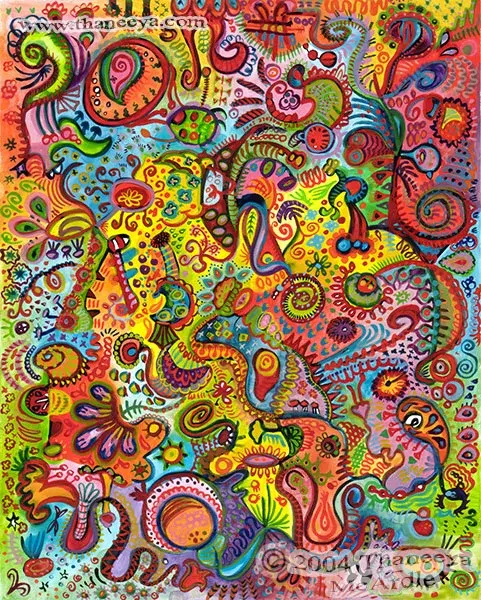
Common mistakes when painting abstract art
A frequent error is over-working the canvas until the colors turn muddy. This usually happens when an artist continues to blend or add layers without allowing the paint to dry properly. To avoid this, step back from your work frequently. Viewing your painting from a distance of several feet helps you spot imbalances in color or composition that you might miss when standing too close to the surface.
Another mistake is ignoring the importance of focal points. Even in a non-representational work, the viewer’s eye needs a place to land. Without a clear area of high contrast or interesting detail, the eye may wander aimlessly, causing the viewer to lose interest. Ensure that one area of your painting has more intensity, detail, or contrast than the rest to act as an anchor for the viewer's gaze.
How to find inspiration for abstract themes
Inspiration for abstract art is everywhere if you look at the world through a lens of abstraction. Focus on the microscopic details of nature, such as the veins in a leaf, the pattern of cracks in dry earth, or the way light reflects off water. These natural designs are inherently abstract and can be translated into paintings by simplifying their shapes and exaggerating their color schemes. Photography is a great tool for capturing these fleeting moments.
You can also draw inspiration from architecture and urban environments. Look for the intersection of hard, geometric lines in skyscrapers against the soft, organic shapes of shadows or clouds. By isolating these shapes and removing the context of the building, you create a new, abstract visual language. Keep a sketchbook where you draw only the shapes and lines you see in your daily life, stripping away all realistic detail to reveal the underlying structure of the world around you.
Key facts
- Abstract art prioritizes visual elements like color, shape, and texture over the accurate depiction of physical reality.
- Wassily Kandinsky is widely considered the pioneer of abstract art, publishing his influential essay "Concerning the Spiritual in Art" in 1911.
- Use a limited color palette of three to four colors to create visual harmony and prevent your composition from becoming chaotic.
- Incorporate "negative space" by leaving parts of your canvas blank to give the viewer's eye a place to rest.
- Experiment with unconventional tools like palette knives, sponges, or credit cards to add unique textures that brushes cannot achieve.
- Focus on the "process" rather than the final product to overcome creative blocks and allow for intuitive, spontaneous mark-making.
The bottom line
Abstract art is a liberating form of expression that encourages you to abandon the constraints of realism in favor of pure visual language. By focusing on the interplay of color, texture, and composition, you can create deeply personal works that resonate with viewers. Remember to prioritize experimentation over perfection, as the most compelling abstract pieces often arise from spontaneous decisions and a willingness to embrace change.
People also ask
How do I know when an abstract painting is finished?
An abstract work is often complete when the composition feels balanced and no single element dominates the frame in a distracting way. If you find yourself overworking an area, step away for 24 hours to gain a fresh perspective.
Do I need to understand the meaning behind abstract art to enjoy it?
No, abstract art is designed to be experienced emotionally rather than intellectually. You do not need to decipher a hidden message; simply observe how the colors and shapes make you feel.
What is the difference between non-objective and abstract art?
Abstract art typically starts with a real-world object and simplifies it, while non-objective art has no reference to physical reality at all. Both styles rely on the fundamental principles of design to create visual interest.
Should I use acrylic or oil paint for my first abstract piece?
Acrylic paint is generally recommended for beginners because it dries quickly and cleans up with water. This allows you to layer colors rapidly without waiting days for the paint to cure.
How can I create depth in a flat abstract painting?
You can create the illusion of depth by layering transparent glazes or using varying sizes of shapes. Placing warmer, larger shapes in the foreground and cooler, smaller shapes in the background adds a sense of spatial dimension.
What is a common mistake beginners make with abstract art?
A frequent error is trying to control every mark, which often leads to a stiff or overly calculated appearance. Embracing "happy accidents" and allowing the paint to flow naturally usually results in a more dynamic and authentic composition.
This answer was created with the help of AI research tools and reference sources. Spotted an error? Let us know — we correct mistakes quickly. See our editorial policy.