How do you start an abstract painting?
Short answer
Start an abstract painting by choosing a limited color palette and a single emotional goal. Begin by applying loose, gestural marks to the canvas to break the intimidating white space. Focus on intuition rather than representation, layering shapes and textures until the composition feels balanced and visually engaging to your eye.
On this page
How to prepare a canvas for abstract painting
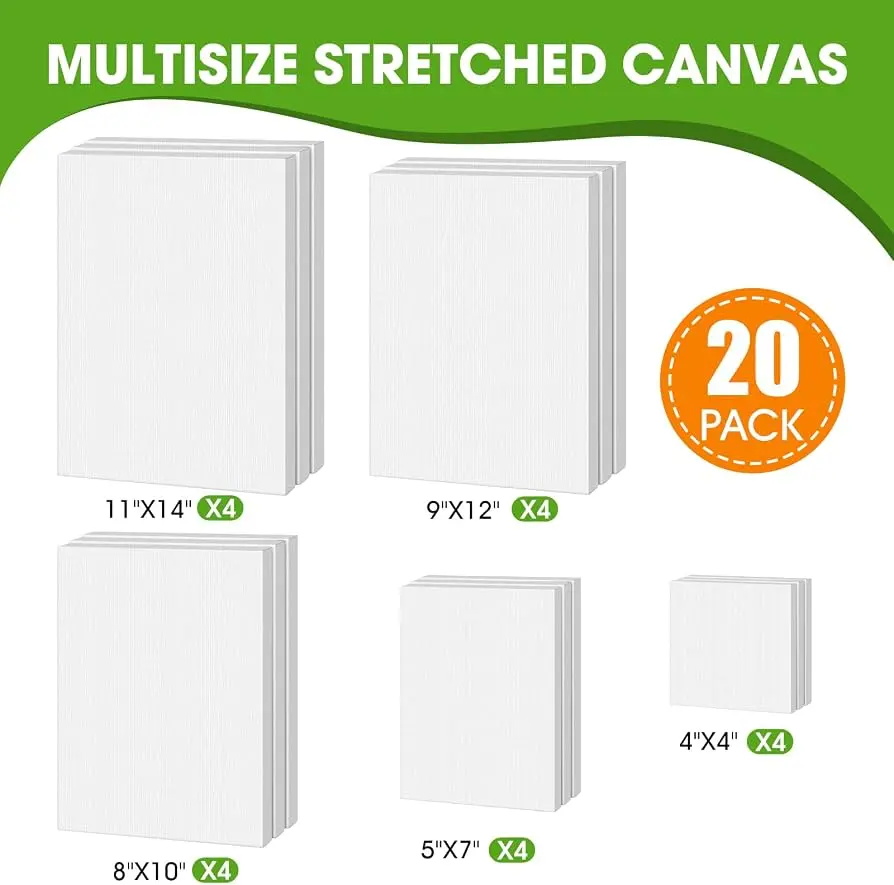
Before applying paint, ensure your surface is properly primed to prevent the materials from soaking into the fibers. Most store-bought canvases come with gesso, but adding an extra layer of acrylic gesso creates a smoother, more professional tooth. Use a wide brush to apply the gesso in a cross-hatch pattern, allowing it to dry completely between coats. This preparation step is vital because it creates a neutral foundation that allows your pigments to sit vibrantly on the surface.
Beyond basic priming, consider adding texture to your canvas to give your abstract work depth. You can mix modeling paste with acrylic paint or apply a layer of heavy gel medium before you begin your composition. Once this base is dry, you have a physical landscape to work with, which helps eliminate the fear of the blank, flat surface. A well-prepped canvas acts as a partner in the creative process rather than a passive object.
Best materials for abstract painting beginners
For those starting out, acrylic paints are the most forgiving medium due to their fast drying time and water-solubility. You do not need an expensive professional set; start with a primary color palette plus black and white. This limitation forces you to learn color mixing, which is a fundamental skill in abstract art. Invest in a few high-quality brushes, specifically a large flat brush for background work and a smaller round brush for detail.
In addition to paints and brushes, gather a few unconventional tools to create marks that go beyond standard brushwork. These tools help you avoid the trap of over-thinking your strokes. Consider the following items to expand your mark-making vocabulary:
- Plastic scrapers or old credit cards for dragging paint across the surface.
- Sponges to create soft, atmospheric textures or to lift wet paint.
- Palette knives to apply thick, impasto layers of color.
- Household items like bubble wrap or cardboard to stamp unique patterns.
How to choose a color palette
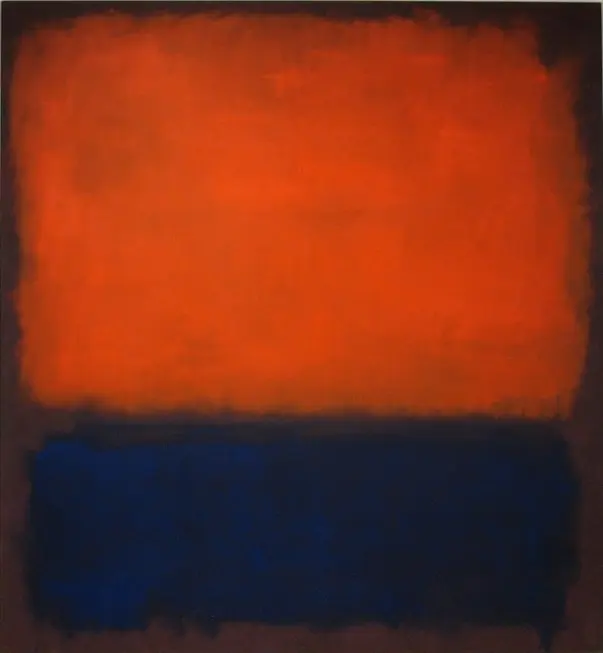
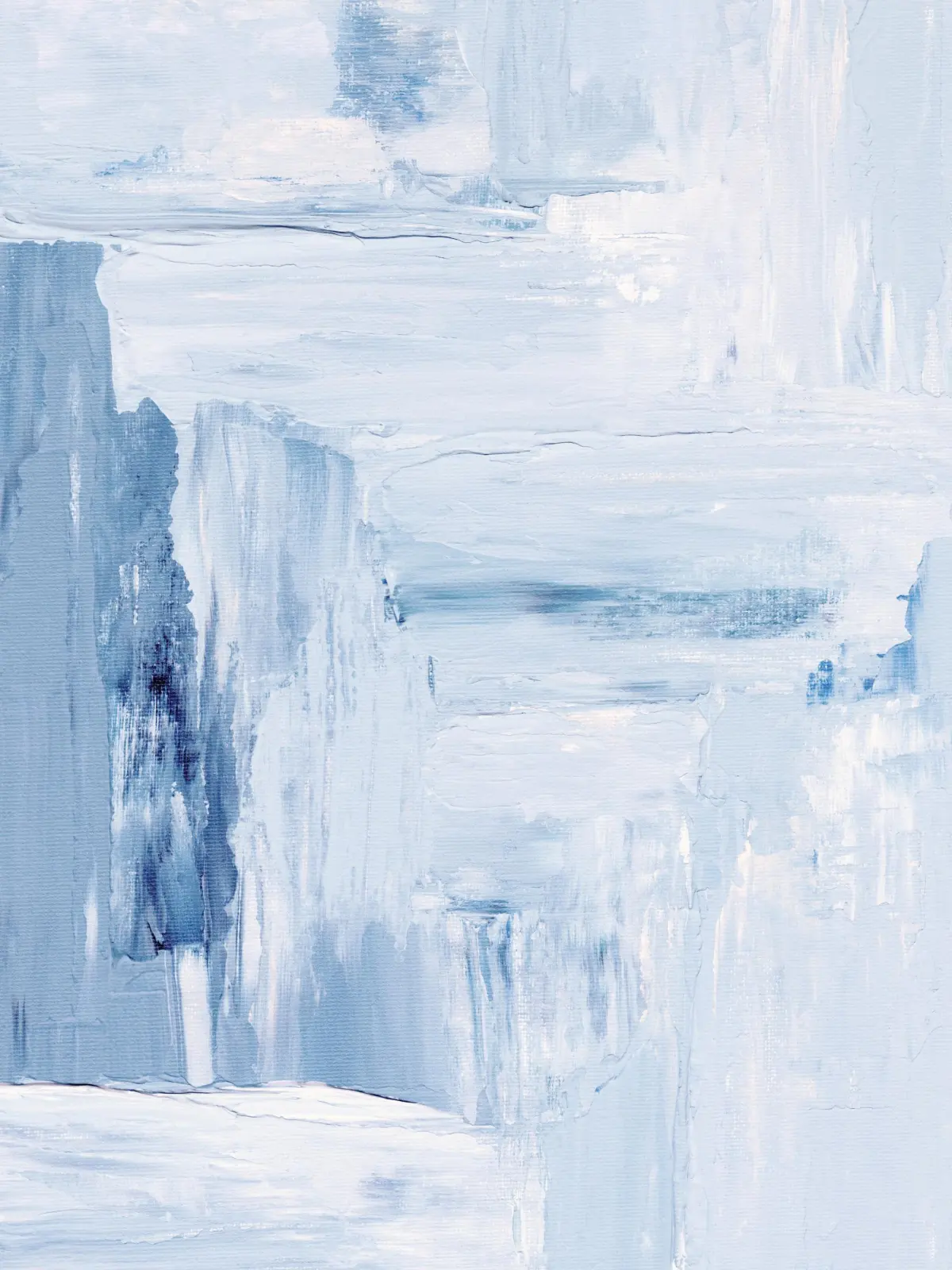
Color is the primary language of abstract painting, as it conveys mood and energy without needing a subject. Beginners should start with a "limited palette," which involves selecting only three or four colors that harmonize well together. For example, a monochromatic scheme using different shades of blue, mixed with white and a touch of gray, creates a calm, cohesive feel. Alternatively, choose two complementary colors, such as orange and blue, to create high-contrast energy.
To develop your own palette, observe the world around you and take note of color combinations that evoke specific feelings. You might find inspiration in the muted tones of a winter landscape or the vibrant intensity of a neon sign. Keep a sketchbook where you test these combinations before applying them to the canvas. By limiting your choices early on, you prevent the painting from becoming muddy and ensure that your final piece has a clear, intentional visual identity.
Common mistakes when starting an abstract painting
The most frequent error beginners make is attempting to "fix" the painting too early in the process. When you start, allow yourself to make messy, ugly, or chaotic marks without judgment. Many artists fall into the trap of trying to force a composition into a recognizable shape, which undermines the abstract nature of the work. Remember that abstract art is about the exploration of form and color, not the replication of reality.
Another common pitfall is overworking the canvas, which leads to a loss of spontaneity and freshness. If you continue to paint over areas that are already working, you will eventually create a muddy, overworked surface. Follow these steps to maintain the integrity of your piece:
- Step back from your canvas every ten minutes to gain a fresh perspective.
- Stop painting as soon as you feel the composition has reached a point of visual balance.
- Use a "less is more" approach when adding final details to avoid clutter.
- Embrace the "happy accidents" that occur when colors bleed or drip unexpectedly.
How to develop a composition in abstract art
Developing a composition requires balancing the weight of colors, shapes, and lines across the canvas. Start by establishing a focal point, which is the area where the viewer’s eye is intended to land first. You can create this by using a high-contrast color or a dense cluster of marks. Once the focal point is set, distribute smaller, less intense shapes or lines around it to guide the viewer’s eye across the entire surface.
Think of your painting in terms of rhythm and movement. Do your lines flow in a way that keeps the eye moving, or do they stop abruptly? If the painting feels static, introduce diagonal lines or varying sizes of shapes to create a sense of energy. The goal is to reach a state of equilibrium where no single part of the canvas feels neglected or overwhelmed. By focusing on these formal elements, you transform a collection of random marks into a deliberate, professional-looking abstract work.
Key facts
- Start by applying a "wash" of diluted paint across the entire canvas to eliminate the intimidating white space.
- Use a limited color palette of three to four colors initially to prevent the composition from becoming muddy or chaotic.
- Focus on mark-making, such as scribbling with charcoal or using a palette knife, before committing to large brushstrokes.
- Rotate the canvas frequently while working to view the composition from different perspectives and identify unbalanced areas.
- Incorporate "negative space" by leaving sections of the canvas relatively empty to provide the viewer's eye with a place to rest.
- Establish a focal point by using high-contrast colors or dense textures in one specific area to draw the viewer in.
The bottom line
Starting an abstract painting is a process of building layers, beginning with a neutral wash to overcome the fear of a blank canvas. By limiting your palette, focusing on varied mark-making, and rotating the canvas, you create depth and visual interest. Avoid the common mistake of overworking the surface; instead, prioritize balance and negative space to allow your artistic expression to emerge organically over time.
People also ask
How do I know when an abstract painting is finished?
A painting is often complete when you can no longer find a specific area that distracts from the overall composition. If you find yourself overworking a section, step away for 24 hours to gain a fresh perspective.
Should I plan my abstract painting before starting?
Planning is optional, but many artists create small "thumbnails" or sketches to test color relationships. While the final work may deviate significantly, these sketches provide a roadmap for your initial layers.
What tools are best for beginners?
Beginners should start with acrylic paints due to their fast drying time and water solubility. Use a variety of brushes, sponges, and scrapers to experiment with different textures and mark-making techniques.
How can I fix a painting that feels messy?
If a piece feels chaotic, simplify the color palette by painting over busy areas with a neutral tone. This creates a "breathable" space that allows the more successful parts of the painting to stand out.
Is it necessary to use expensive materials?
High-quality pigments offer better coverage, but affordable student-grade paints are sufficient for learning techniques. Focus on the quality of your brushes and the durability of your canvas surface instead.
How do I choose a color scheme?
Use a color wheel to select complementary colors for high contrast or analogous colors for a harmonious, soothing effect. Limiting your palette early on is the most effective way to ensure color cohesion.
This answer was created with the help of AI research tools and reference sources. Spotted an error? Let us know — we correct mistakes quickly. See our editorial policy.