What size canvas should a beginner use?
Short answer
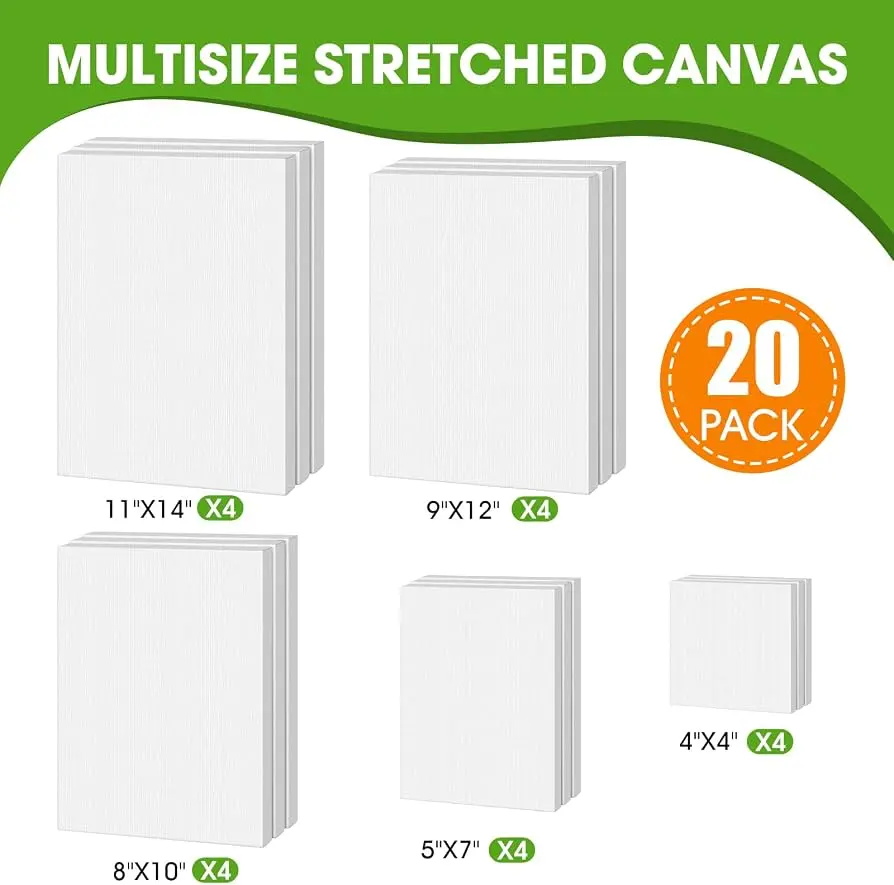
Beginners should start with an 11x14 inch canvas. This size is large enough to practice brushwork and composition without feeling overwhelming, yet small enough to finish in a single session. It fits standard frames, making it cost-effective and practical for storing or displaying early works as you develop your technical skills.
On this page
Which canvas size is best for beginners?
The 11x14 inch canvas is widely considered the gold standard for those just beginning their painting journey. It offers a comfortable surface area that encourages broad strokes while remaining manageable for artists still learning to control their materials. Unlike miniature canvases, which require fine detail work that can frustrate novices, or large-scale canvases that demand significant physical movement and paint volume, this mid-sized option strikes an ideal balance.
Choosing a standard size also simplifies the process of finding frames or storage solutions. Most art supply stores carry pre-cut mats and frames specifically designed for 11x14 inch surfaces. By sticking to this dimension, you avoid the high costs of custom framing, which is a significant advantage when you are still in the experimental phase of your artistic development.
How to choose the right canvas texture?
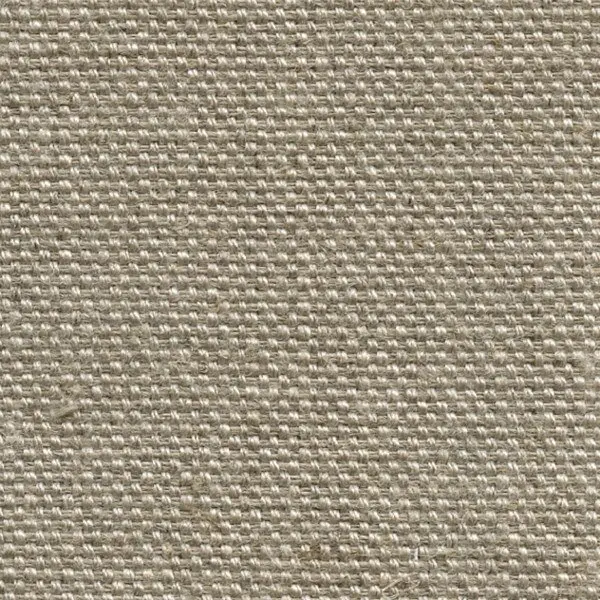
Canvas texture, or "tooth," refers to the roughness of the fabric surface. For beginners, a medium-grain texture is the most versatile choice, as it provides enough grip for paint to adhere properly while remaining smooth enough for detailed work. This texture works well with both acrylics and oils, allowing you to experiment with different mediums without needing to change your support surface.
When selecting your canvas, consider these three common types of surface preparation:
- Primed canvas: Already coated with gesso, making it ready for immediate use.
- Unprimed canvas: Requires you to apply gesso yourself, which is an extra step but offers more control over the surface texture.
- Canvas panels: These are thin, rigid boards covered in canvas, which are cheaper and easier to store than stretched canvases.
What are the common mistakes when buying canvas?
One of the most frequent errors beginners make is purchasing canvases that are too large. Starting with a massive surface can be intimidating, leading to "blank canvas syndrome" where you feel paralyzed by the amount of space that needs to be filled. Furthermore, large canvases require significantly more paint, which can become an expensive habit before you have mastered basic color mixing and application techniques.
Another mistake is choosing low-quality, bargain-bin canvases that lack proper priming. If the gesso layer is too thin or uneven, the paint will soak directly into the fabric, leading to dull colors and a difficult painting experience. Always check that the canvas feels taut and that the surface has a consistent, matte white appearance before you head to the checkout counter.

How to prepare a canvas for painting?
Even if you purchase a pre-primed canvas, you may find that adding an extra layer of gesso can improve the experience. Applying a fresh coat allows you to customize the texture and ensures that the surface is perfectly sealed. This extra step prevents your paint from sinking into the weave, resulting in more vibrant colors and smoother brush movement across the surface.
Follow these steps to prepare your surface effectively:
- Lay your canvas on a flat, clean workspace to prevent dust from settling into the wet gesso.
- Use a wide, flat brush to apply a thin, even coat of gesso in a horizontal direction.
- Allow the first coat to dry completely, then apply a second coat vertically to create a cross-hatched, professional-grade surface.
- Lightly sand the dried surface with fine-grit sandpaper if you prefer a smoother finish for portraiture or fine detail work.
When should you move to larger sizes?
You should consider moving to a larger canvas only after you feel comfortable completing a composition on an 11x14 inch surface. If you find that you are consistently running out of room for your ideas or that your brushwork feels cramped, it is a sign that your skills have outgrown your current workspace. Transitioning to a 16x20 inch canvas is a natural next step that allows for more complex arrangements and larger, more expressive gestures.
Remember that artistic growth is not measured by the size of the canvas, but by the quality of the practice. Many professional artists continue to use smaller formats for sketches and studies before committing to large-scale gallery pieces. Focus on mastering your technique, understanding color theory, and developing your unique style on smaller surfaces before investing in the space and materials required for larger, more ambitious projects.
Key facts
- Beginners should start with a 11x14 inch or 16x20 inch canvas to balance detail work with manageable surface area.
- Smaller canvases, such as 8x10 inches, are ideal for quick color studies or practicing specific brush techniques.
- Avoid canvases larger than 24x36 inches initially, as they require more paint and can feel overwhelming to fill.
- Standard "stretched" canvases are pre-primed with gesso, making them ready for immediate use with acrylics or oils.
- Square canvases, like 12x12 inches, offer a neutral composition space that simplifies the challenge of framing a scene.
- Always check the "tooth" or texture of the canvas; a medium-grain surface is the most versatile for various painting styles.
The bottom line
For those just starting, an 11x14 inch canvas is the optimal choice. It provides enough space to develop a composition without the intimidation of a massive surface. By focusing on smaller, manageable sizes, you can practice techniques, experiment with color, and complete projects more quickly. Prioritize standard, pre-primed cotton canvases to keep costs low while ensuring your materials are ready to support your creative growth.
People also ask
Should I buy a canvas pad or a stretched canvas?
Canvas pads are more affordable and easier to store, making them perfect for practice sketches. Stretched canvases provide a professional feel and are ready to hang once the painting is complete.
Does the material of the canvas matter for beginners?
Cotton duck is the industry standard for beginners because it is durable and cost-effective. Linen is a professional-grade alternative that is more expensive and typically reserved for experienced artists.
How do I prepare a canvas before I start painting?
Most store-bought canvases are pre-primed, but you can apply an extra layer of gesso if you prefer a smoother surface. This prevents the paint from soaking into the fabric and helps colors appear more vibrant.
Can I reuse a canvas if I make a mistake?
You can paint over an old work by applying a fresh layer of gesso to cover the previous image. However, the texture of the original paint may remain visible through the new layers.
What is the difference between gallery-wrapped and standard-edge canvases?
Gallery-wrapped canvases have staples on the back, allowing you to paint the sides and hang them without a frame. Standard canvases have staples on the sides, which usually require a decorative frame to look finished.
Is it better to buy canvases in bulk packs?
Buying multi-packs is significantly cheaper and encourages beginners to paint more often without worrying about the cost of materials. It is a practical choice for those who are still experimenting with different subjects.
This answer was created with the help of AI research tools and reference sources. Spotted an error? Let us know — we correct mistakes quickly. See our editorial policy.