What are the best crochet hooks for beginners?
Short answer
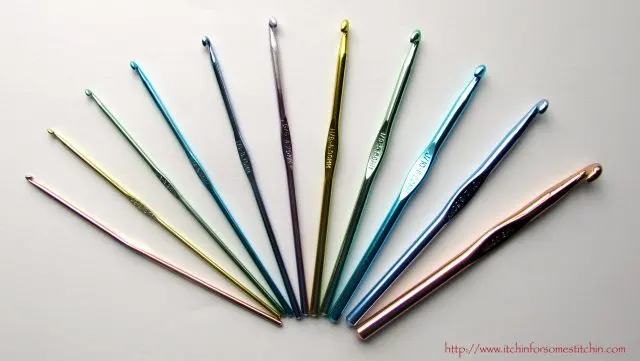
The best crochet hooks for beginners are medium-sized aluminum hooks, specifically size H/8 (5.0 mm). Aluminum is smooth, durable, and affordable, allowing yarn to glide easily while you learn tension control. Avoid plastic hooks, which can be sticky, or ergonomic handles until you determine your preferred grip style and hand comfort needs.
On this page
What size crochet hook is best for beginners?
The most recommended size for those picking up a hook for the first time is the H/8 (5.0 mm). This size is considered the "gold standard" for learners because it is large enough to see your stitches clearly but small enough to maintain a manageable fabric density. When paired with a medium-weight (worsted) yarn, this hook allows you to easily insert the tip into loops without splitting the fiber.
Beginners often struggle with tight tension, which makes inserting the hook into a stitch difficult. A 5.0 mm hook provides enough space to work comfortably without requiring excessive force. As you gain confidence, you can experiment with larger or smaller hooks, but starting here ensures you do not get discouraged by the physical difficulty of manipulating thin yarn or tiny, cramped stitches.
Which material should a beginner choose?
Aluminum is the optimal material for a beginner’s first set of hooks. Unlike plastic, which can develop a "drag" or static cling against certain fibers, aluminum offers a polished, slick surface that encourages consistent yarn flow. These hooks are also highly durable and unlikely to bend or snap, providing a reliable tool that will last through your first several projects.
While bamboo or wooden hooks are popular for their warmth and grip, they can sometimes have too much friction for a novice who is still learning to manage yarn tension. Metal hooks provide a consistent experience that helps you develop muscle memory without fighting the tool. Once you understand the mechanics of the stitch, you can explore other materials based on your specific tactile preferences.
- Aluminum: Best for smooth, fast, and consistent stitching.
- Bamboo: Good for slippery yarns like silk or rayon.
- Plastic: Inexpensive, but often prone to snagging or breaking.
- Ergonomic: Ideal for those with arthritis or long sessions.
How to hold a crochet hook correctly
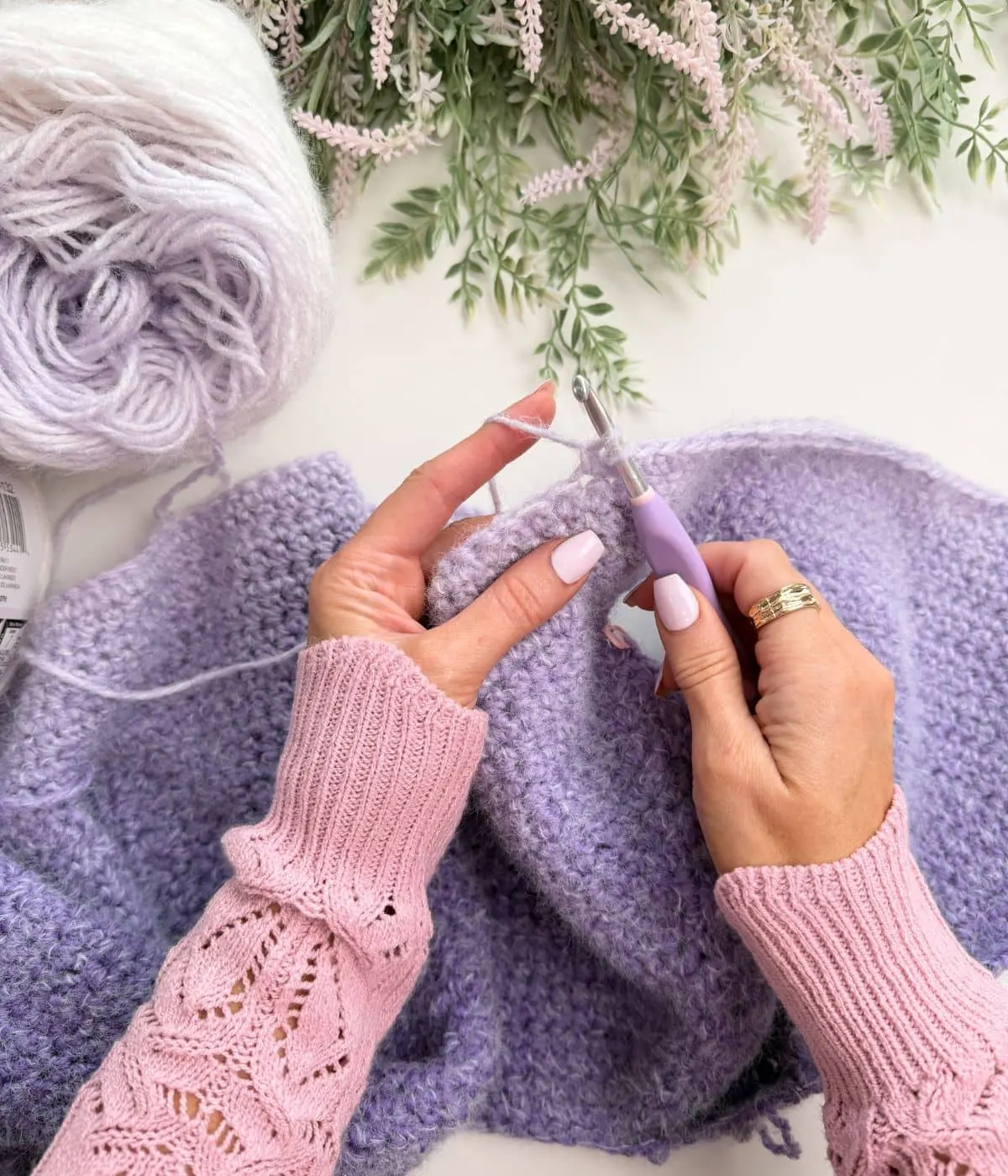
There is no single "correct" way to hold a crochet hook, but there are two primary methods that most beginners adopt. The "knife grip" involves holding the hook like a dinner knife, with your hand over the top of the handle. The "pencil grip" involves holding the hook between your thumb and index finger, similar to how you would hold a pen.
Experimenting with both grips during your first few days is essential to prevent hand fatigue. If you find your wrist aching after ten minutes, you are likely gripping the hook too tightly. Focus on keeping your hand relaxed; the hook should move naturally with your fingers rather than being locked in a rigid, tense fist.
- Keep your shoulders relaxed and your elbows close to your body.
- Take breaks every twenty minutes to stretch your fingers and wrists.
- Ensure your yarn is feeding smoothly from the ball to avoid pulling.
Common mistakes when choosing crochet hooks
A frequent error is purchasing a cheap, multi-piece set that includes extremely small or large hooks you will not use for years. These sets often contain poorly finished hooks with rough seams that can snag your yarn. Instead of buying a bulk kit, purchase one or two high-quality aluminum hooks in the 5.0 mm to 5.5 mm range to ensure you have a professional-grade experience.
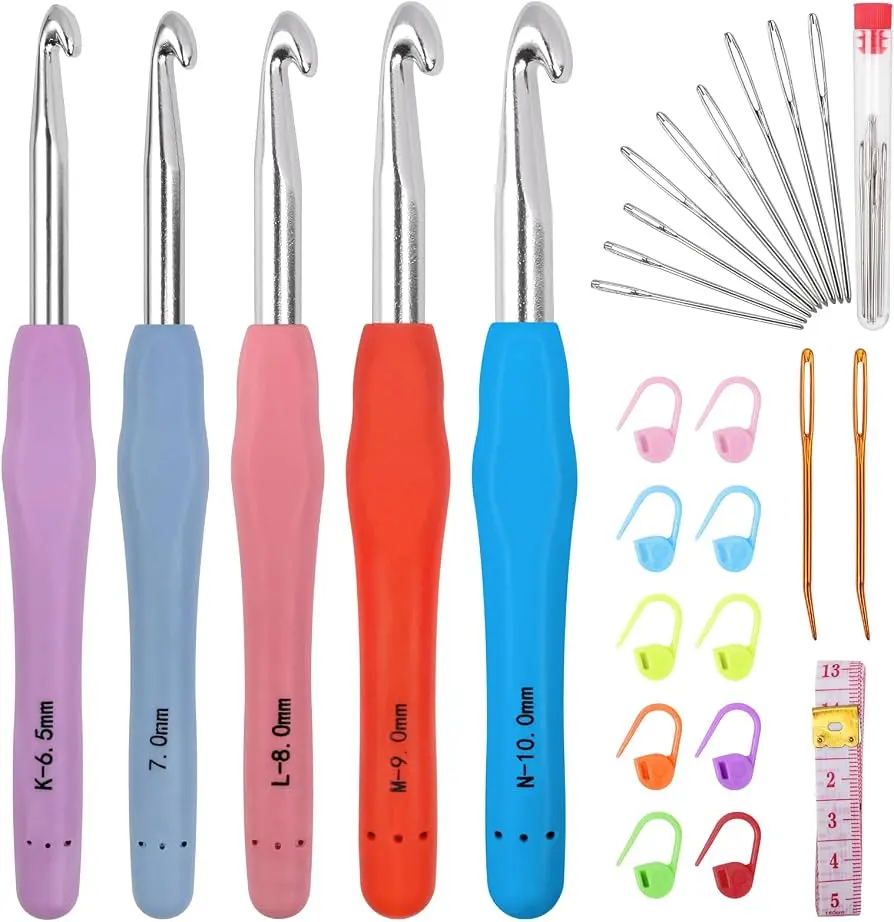
Another mistake is ignoring the ergonomic needs of your hands. If you find yourself experiencing cramping, do not assume you are doing the stitch wrong; you may simply need a hook with a wider, rubberized handle. Many beginners benefit from adding a simple foam pencil grip to their standard metal hook, which increases the diameter and reduces the pressure required to hold the tool securely.
How to maintain your crochet hooks
Proper care for your hooks ensures they remain smooth and snag-free for years. After each session, wipe your metal hooks with a soft, dry cloth to remove any natural oils from your skin, which can accumulate and create a sticky residue. Store your hooks in a dedicated case or roll to prevent the tips from becoming scratched or bent, as a damaged tip will catch on yarn fibers and ruin your stitch quality.
If you notice a hook starting to feel "tacky," a quick rub with a small amount of wax or a specialized polishing cloth can restore its original shine. By keeping your tools clean and protected, you ensure that your learning process remains focused on developing your technique rather than troubleshooting equipment issues. Consistent maintenance is a simple habit that separates a frustrated beginner from a confident, long-term crocheter.
Key facts
- Beginners should start with a size H/8 (5.0 mm) hook, as it is versatile for most medium-weight yarns.
- Aluminum hooks are the industry standard for beginners because they are durable, affordable, and allow yarn to glide smoothly.
- Ergonomic hooks feature thick, rubberized handles that reduce hand strain during long practice sessions.
- Inline hooks have a pointed throat that helps beginners maintain consistent tension and stitch placement.
- Bamboo hooks provide more friction than metal, which prevents yarn from slipping off the hook too easily.
- Avoid plastic hooks for long-term use, as they can be flimsy and often have rough seams that snag delicate fibers.
The bottom line
For those just starting, investing in a single ergonomic aluminum hook in the 5.0 mm size is the most practical choice. This size accommodates the most common yarn weights, while the ergonomic handle protects your hands from fatigue. Focus on mastering basic tension before purchasing expensive sets. By choosing quality materials early on, you ensure a smoother learning experience and avoid the frustration of snagged yarn.
People also ask
Does the material of the crochet hook affect my stitching speed?
Yes, metal hooks allow for faster movement because the surface is slick, while wood or bamboo hooks offer more grip. Beginners often find that wood provides better control until they develop muscle memory.
What is the difference between inline and tapered hooks?
Inline hooks have a consistent head shape that creates uniform stitch sizes, which is ideal for learning. Tapered hooks have a rounded throat that allows for a smoother, more fluid motion when pulling yarn through loops.
Should I buy a full set or individual hooks?
It is more cost-effective to purchase a few individual hooks in common sizes like 4.0 mm, 5.0 mm, and 5.5 mm first. Once you confirm you enjoy the craft, you can invest in a complete set.
Why is my yarn splitting when I use my crochet hook?
Splitting often happens if the hook head is too sharp or if you are using a hook size that is too small for your yarn weight. Ensure your hook size matches the recommendation on the yarn label.
How do I know which hook size to use for a specific project?
Every yarn label includes a recommended hook size, usually displayed as a range or a specific letter and millimeter measurement. Following these guidelines ensures your project maintains the correct drape and structure.
Can I use the same hook for all types of yarn?
No, different yarn weights require different hook sizes to achieve the correct tension. Using a hook that is too large will result in loose, holey fabric, while one that is too small produces stiff, dense material.
This answer was created with the help of AI research tools and reference sources. Spotted an error? Let us know — we correct mistakes quickly. See our editorial policy.