What is the easiest crochet stitch?
Short answer
The single crochet stitch is widely considered the easiest and most versatile stitch for beginners. It creates a dense, sturdy fabric with a uniform texture, making it perfect for practicing tension control. Because it uses a simple, repetitive motion, it serves as the foundational building block for almost all complex crochet patterns.
On this page
Why is single crochet the best stitch for beginners?
The single crochet stitch is favored by instructors because it requires only one basic movement to complete. Unlike taller stitches, such as the double or treble crochet, the single crochet remains close to the hook, which helps beginners maintain better control over their yarn tension. This stability prevents the common issue of loose, uneven loops that often plague those just starting their fiber arts journey.
Furthermore, the single crochet produces a tight, durable fabric that is less likely to have large gaps or holes. This makes it an ideal choice for creating functional items like dishcloths, coasters, or sturdy market bags. By mastering this single motion, you learn the fundamental mechanics of how yarn interacts with the hook, providing a solid base for transitioning into more decorative or complex stitch patterns later on.
How to execute a single crochet stitch
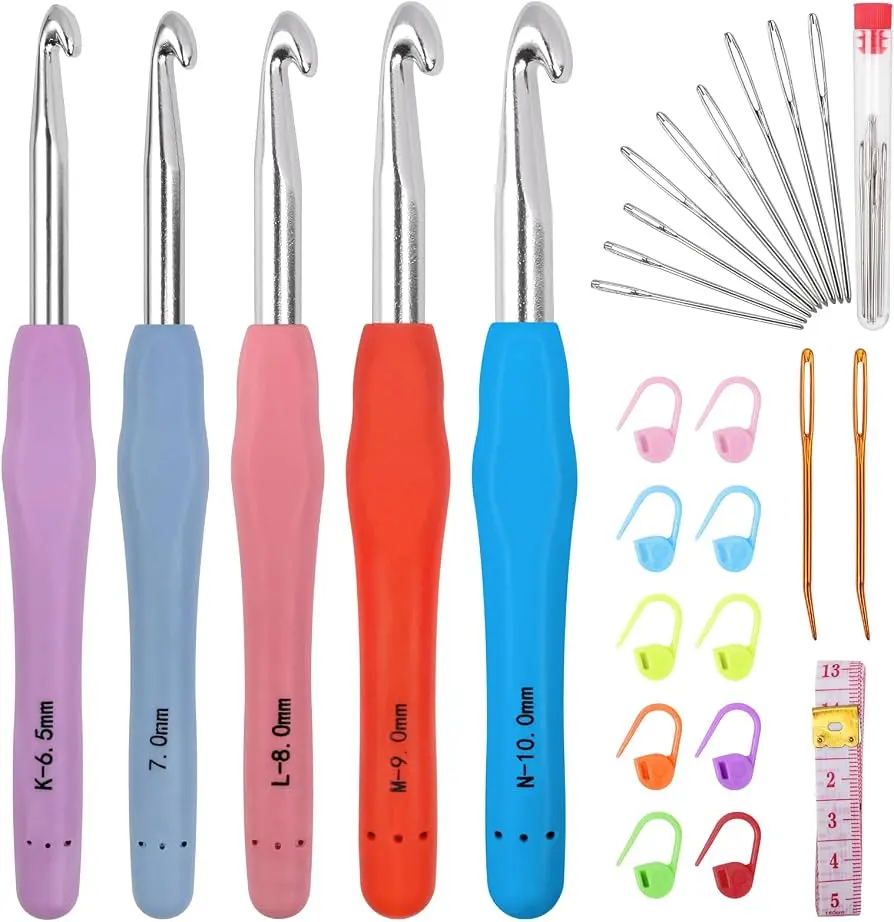
Learning the single crochet involves a simple sequence of movements that quickly becomes muscle memory. Before you begin, ensure you have a medium-weight yarn and a crochet hook that matches the size recommended on the yarn label. Follow these steps to complete your first row of stitches:
- Insert your hook into the next stitch of the previous row.
- Yarn over, which means wrapping the yarn from back to front over the hook.
- Pull the yarn through the stitch, leaving two loops on your hook.
- Yarn over again and pull the yarn through both loops currently on the hook.
Once you complete these steps, you will have one loop remaining on your hook, signaling that the stitch is finished. Repeat this process across the entire row until you reach the end, then chain one and turn your work to begin the next row.
How long does it take to learn the basics?
Most people can master the basic mechanics of a single crochet stitch within one to two hours of focused practice. While your first few rows might look irregular or have varying widths, consistency improves rapidly with repetition. Many beginners find that by the end of their first small project, such as a simple scarf, their tension has naturally stabilized and their speed has increased significantly.
Do not be discouraged if your edges are not perfectly straight during your first attempt. It is common for beginners to accidentally add or skip stitches at the end of a row, which causes the fabric to widen or narrow unintentionally. To track your progress, try using a stitch marker at the beginning of each row. This simple tool helps you identify exactly where to place your final stitch, ensuring your fabric remains a perfect rectangle as you practice.
Common mistakes when learning to crochet
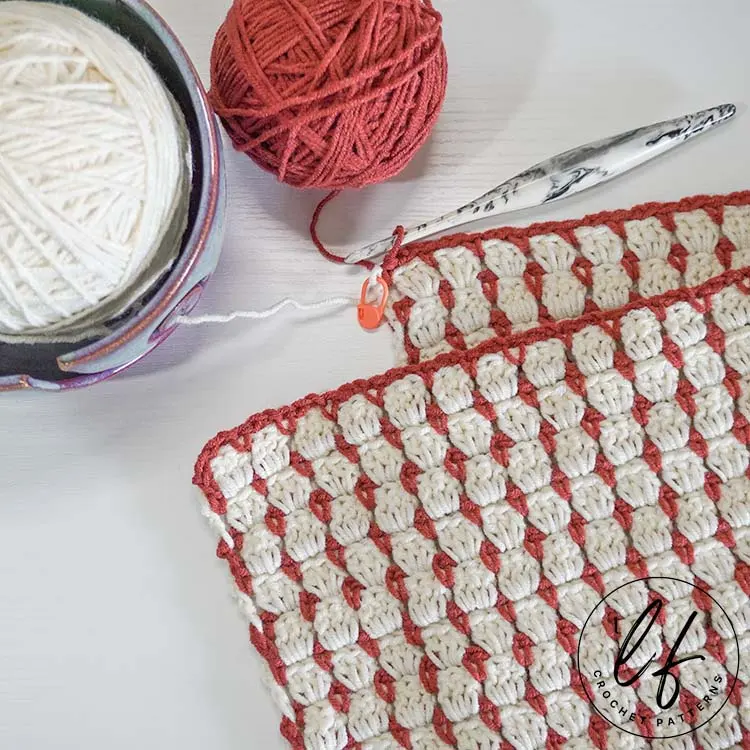
Even experienced crocheters occasionally struggle with tension, but beginners are particularly prone to specific errors. One frequent mistake is pulling the yarn too tightly, which makes it physically difficult to insert the hook into the next stitch. Conversely, pulling too loosely can result in a floppy, inconsistent fabric that lacks structure. Aim for a middle ground where the yarn slides easily over the hook without feeling slack.
Another common issue involves skipping the turning chain or miscounting stitches. If you find your project is shrinking, you are likely missing the final stitch of the row. If your project is growing, you might be adding extra stitches by mistake. Review these tips to keep your work accurate:
- Count your stitches at the end of every row to ensure the total remains consistent.
- Keep your hook size consistent throughout the project to maintain uniform stitch height.
- Relax your shoulders and hands to prevent the tension from tightening up as you work.
Best projects for practicing single crochet
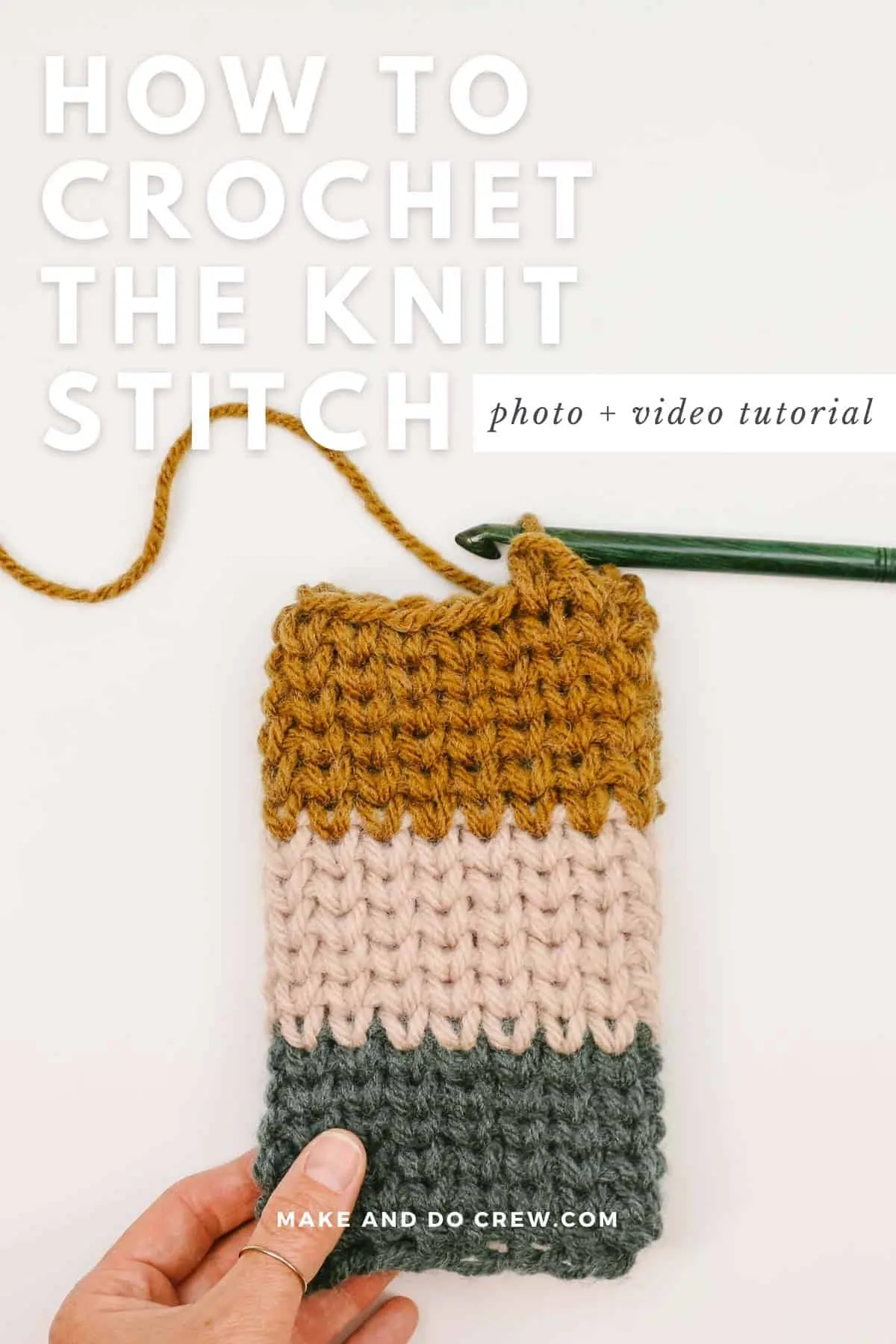
Once you feel comfortable with the single crochet, applying your skills to a small, rewarding project is the best way to solidify your knowledge. Small items provide a sense of accomplishment without the overwhelming time commitment of a full-sized blanket. Consider starting with a simple washcloth, as the square shape is forgiving and allows you to practice turning your work repeatedly.
When you are ready for a slightly larger challenge, try making a basic cell phone sleeve or a small pouch. These projects allow you to practice working in rows and eventually joining edges together. As you complete these items, you will notice your speed increasing and your stitches becoming more uniform. Remember that every master crocheter began with the same basic motions, and patience is the most important tool in your kit as you refine your technique.
Key facts
- The single crochet stitch is widely considered the easiest and most versatile stitch for beginners.
- It creates a dense, sturdy fabric that is ideal for items like washcloths, blankets, and bags.
- You only need to master one motion: inserting the hook, pulling up a loop, and pulling through two loops.
- Always count your stitches at the end of every row to ensure your edges remain straight.
- Use a light-colored, medium-weight yarn to make it easier to see your stitches while learning.
- Practice maintaining consistent tension so your finished project does not look uneven or puckered.
The bottom line
The single crochet stitch is the essential starting point for any aspiring crocheter due to its simple, repetitive nature and structural integrity. By focusing on consistent tension and counting your stitches at the end of every row, you can quickly master this foundational technique. With a standard hook and smooth yarn, you will soon be able to create durable, beautiful handmade items with complete confidence.
People also ask
What is the difference between a chain stitch and a single crochet?
A chain stitch is the foundational loop used to start most projects, while a single crochet is the actual fabric-building stitch. You must create a base chain before you can begin your first row of single crochet.
How do I know if my tension is too tight?
If you struggle to insert your hook into the stitches of the previous row, your tension is likely too tight. Try using a slightly larger hook size or consciously relaxing your grip on the yarn.
What is the best crochet hook size for a beginner?
A size H/8 (5.0 mm) hook is the industry standard for beginners. It is large enough to handle easily but small enough to produce a clean, professional-looking fabric with medium-weight yarn.
Why do my rows keep getting shorter?
This happens when you accidentally skip the first or last stitch of a row. Always place a stitch marker in the first stitch of every row to help you identify where to work when you return.
Can I use any type of yarn for my first project?
Avoid dark, fuzzy, or novelty yarns, as these hide your stitches and make it difficult to see your progress. Stick to smooth, solid-colored acrylic or cotton yarn for the best learning experience.
How many chains do I need to start?
The number of chains depends on the width of your desired project. For a practice swatch, chain 20 to give yourself enough room to get into a rhythm without the project being too small.
This answer was created with the help of AI research tools and reference sources. Spotted an error? Let us know — we correct mistakes quickly. See our editorial policy.