Is crochet easier than knitting?
Short answer
Crochet is generally considered easier for beginners than knitting. It uses a single hook rather than two needles, making it simpler to manage stitches and correct mistakes. While knitting requires keeping multiple active loops on a needle, crochet involves working one stitch at a time, which prevents the entire project from unraveling if a loop drops.
On this page
Why is crochet easier for beginners?
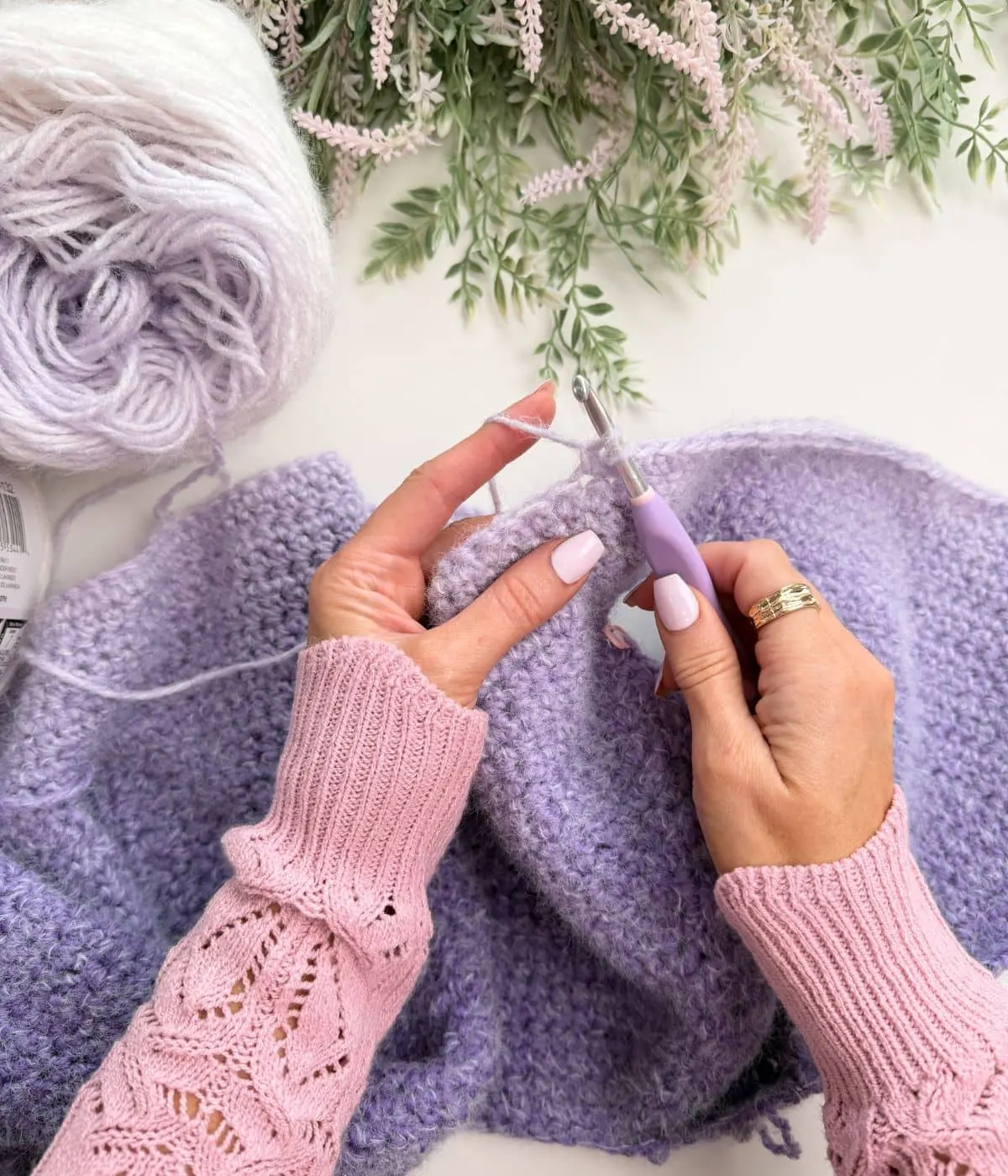
The primary reason crochet is often viewed as more accessible is the mechanics of the tools. In knitting, you must manage multiple live stitches simultaneously across one or two needles; if one stitch slips, it can cause a "run" that travels down several rows. In contrast, crochet uses only one hook, and there is typically only one active loop at a time. This makes the craft more forgiving for those still developing their hand-eye coordination.
Furthermore, the structure of crochet fabric is inherently more stable. Because each stitch is completed before moving to the next, the risk of losing your place is significantly lower. Beginners find that they can easily set their work down without needing stitch markers or complex safeguards to keep the fabric from unraveling. This physical simplicity allows new crafters to focus on tension and rhythm rather than managing a delicate web of needles.
How to choose between crochet and knitting
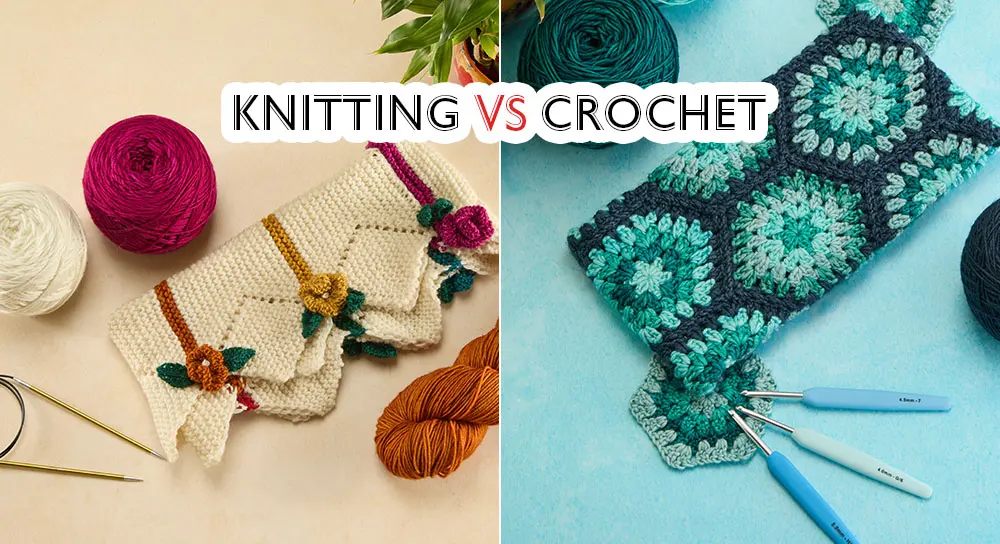
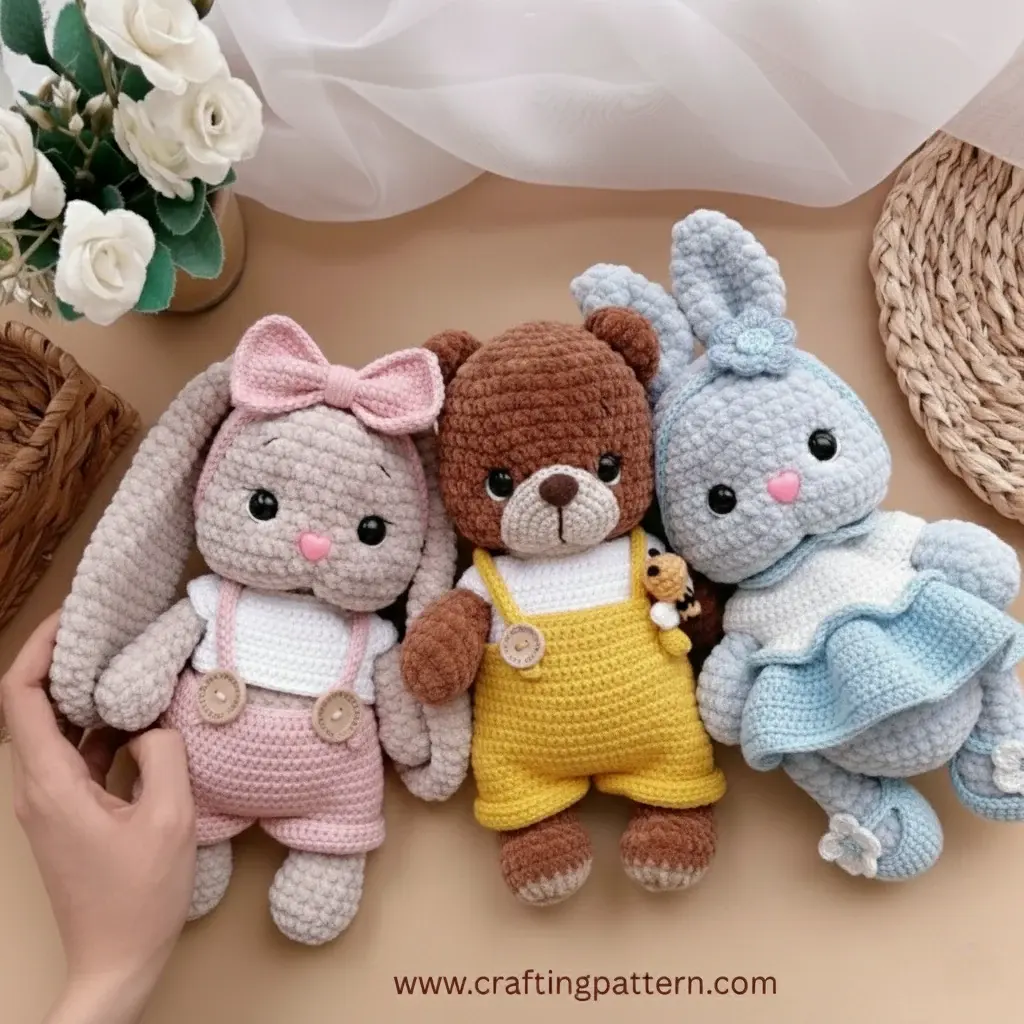
Deciding which craft to pursue depends largely on the type of items you wish to create. Crochet is highly versatile for making three-dimensional objects, such as stuffed toys known as amigurumi, hats, and heavy blankets. The fabric produced by crochet is typically thicker and denser, which is excellent for structural pieces but can be less ideal for delicate, draping garments.
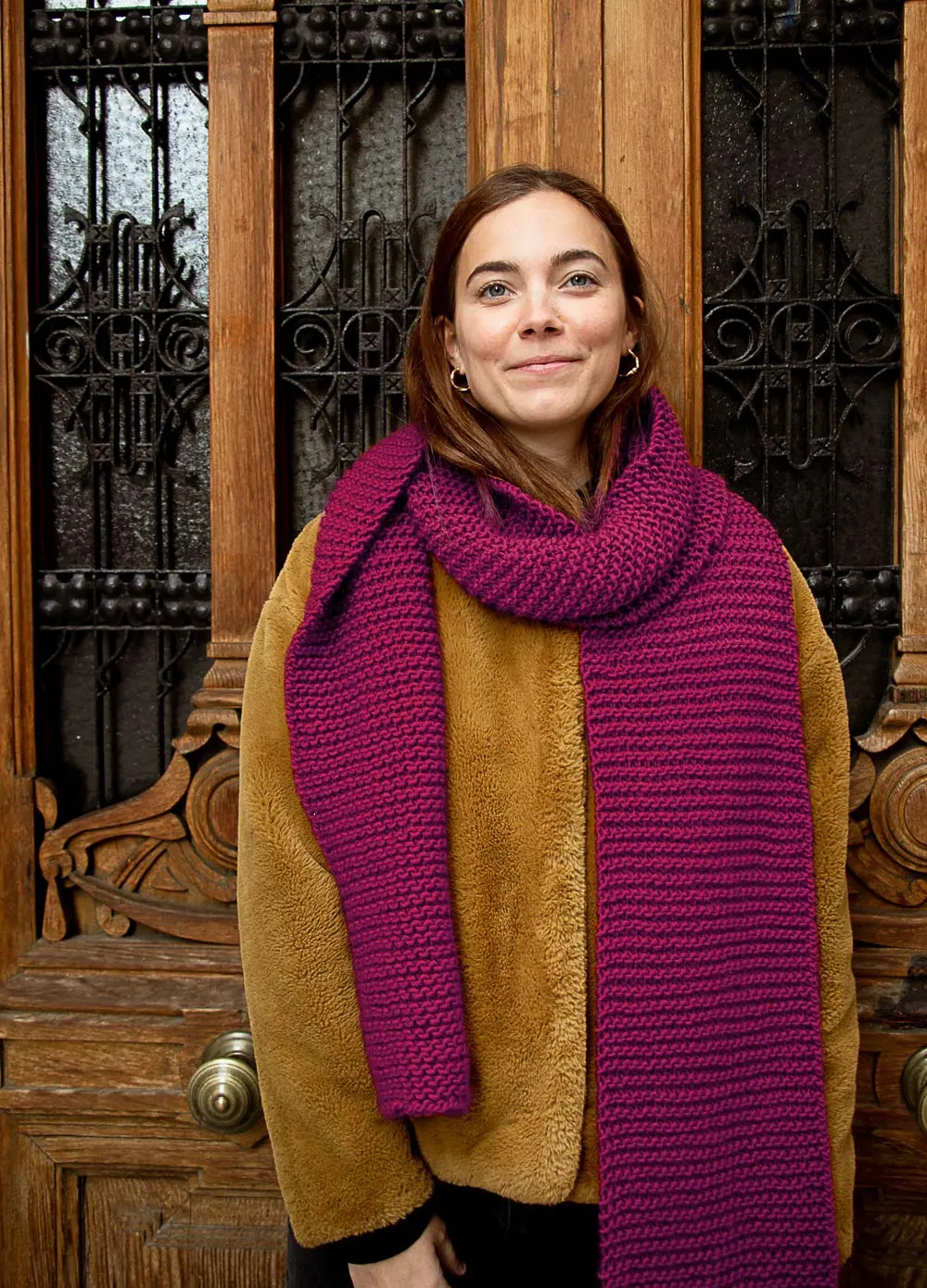
Knitting, conversely, creates a thinner, more fluid fabric that is often preferred for sweaters, socks, and scarves. The "V" shape of knit stitches provides a classic, professional look that is difficult to replicate with a crochet hook. If your goal is to create clothing that mimics store-bought items, knitting may be the better long-term investment of your time. Consider these factors when selecting your first project:
- Crochet: Faster to learn, better for toys and home decor, easier to fix errors.
- Knitting: Superior drape for clothing, creates thinner fabric, requires managing multiple needles.
Essential tools for starting out
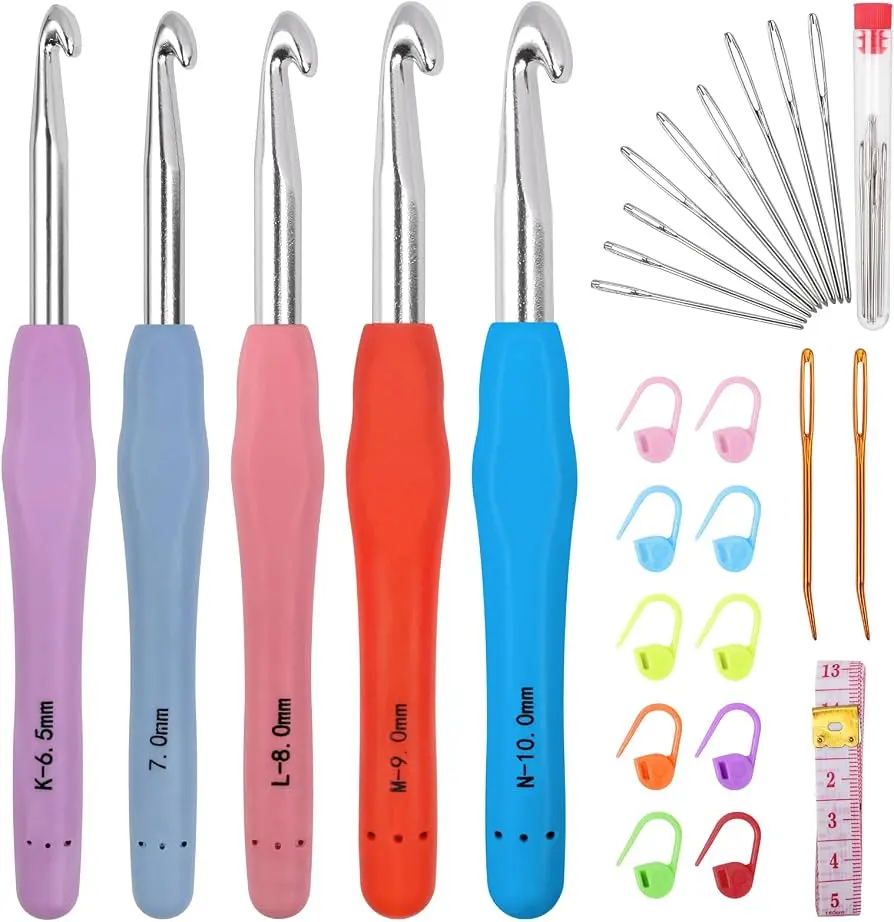
To begin either craft, you only need a few inexpensive supplies. For crochet, you will need a single crochet hook and a ball of yarn. It is best to start with a medium-weight yarn, often labeled as "worsted" or "size 4," and a hook size between 5.0mm and 6.0mm. Light-colored yarn is recommended because it makes it much easier to see your individual stitches.
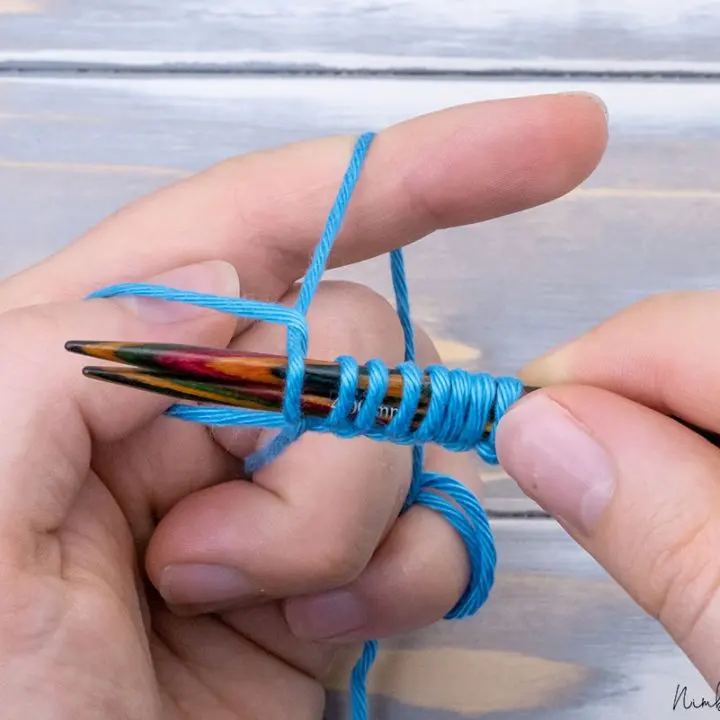
For knitting, you will need a pair of needles and yarn. Beginners often find bamboo or wooden needles easier to use than metal ones, as the material provides more grip and prevents stitches from sliding off too easily. Regardless of the craft, avoid dark colors or fuzzy, textured yarns when you are first starting. These materials make it nearly impossible to identify where the needle or hook should be inserted.
Common mistakes when learning to crochet
The most frequent error beginners make is inconsistent tension. If you pull the yarn too tightly, your fabric will become stiff and difficult to work into; if you pull too loosely, the project will look uneven and holey. To improve, practice holding your yarn in a consistent way that allows it to feed smoothly through your fingers. It takes time to develop the muscle memory required for even stitches.
Another common issue is missing stitches at the end of a row, which causes the fabric to shrink or become trapezoidal. Always count your stitches at the end of every row to ensure you have the same number you started with. Follow these steps to maintain accuracy:
- Place a stitch marker in the first and last stitch of every row.
- Count your stitches after completing every row before turning your work.
- Use a bright, contrasting color of yarn so you can clearly see the stitch anatomy.
How long does it take to learn?
Most people can master the basic crochet stitches, such as the single crochet and the chain stitch, within a few hours of focused practice. Because the movements are repetitive, you will likely feel comfortable with the basic mechanics within a week of daily practice. Knitting generally has a slightly steeper learning curve because of the coordination required to manipulate two needles simultaneously, but most beginners can complete a simple scarf within their first month.
Do not be discouraged if your first project looks uneven or has holes. Both knitting and crochet are skills that rely heavily on muscle memory, which only develops through repetition. Aim to practice for 15 to 20 minutes each day rather than attempting a marathon session once a week. By focusing on consistency, you will find that your hands naturally adjust to the tension and rhythm, eventually allowing you to create complex patterns with ease and confidence.
Key facts
- Knitting requires managing two needles and multiple active stitches simultaneously, whereas crochet typically involves only one live stitch at a time.
- Crochet is generally considered faster to learn because the hook allows for easier correction of dropped stitches compared to knitting.
- Knitting creates a thinner, more flexible fabric ideal for garments like sweaters, while crochet produces a denser, thicker texture.
- A crochet hook is a single tool, making it more portable and less prone to losing parts than a pair of knitting needles.
- Knitting uses two main stitches—knit and purl—while crochet uses a wider variety of basic stitches like single, double, and treble crochet.
- Beginners often find it easier to see their progress in crochet because the structure of the stitches is more defined and less prone to unraveling.
The bottom line
Whether crochet is easier depends on your personal dexterity and the desired outcome. Crochet is generally more forgiving for beginners due to the single active stitch and ease of correcting errors, making it ideal for quick projects. Knitting offers a more refined, professional drape for clothing. Ultimately, both crafts are accessible hobbies that reward patience, and many enthusiasts eventually learn to enjoy the unique benefits of both.
People also ask
Can I use knitting yarn for crochet projects?
Yes, most yarn is labeled for both crafts, though you should check the ball band for the recommended hook or needle size. Keep in mind that crochet generally uses more yarn than knitting to create the same size piece.
Which craft is better for making blankets?
Crochet is often preferred for blankets because it is faster to work up and the resulting fabric is typically warmer and more durable. Large knitting projects like blankets can be cumbersome to manage on long circular needles.
Is it harder to fix mistakes in knitting or crochet?
Fixing mistakes in crochet is usually simpler because you can pull out the yarn to the point of the error without losing other stitches. In knitting, a dropped stitch can travel down several rows, requiring a crochet hook to "ladder" it back up.
Do I need different supplies for each craft?
You will need specific tools for each, as knitting requires two needles and crochet requires a single hook. While the yarn is often interchangeable, the technique and hand movements are entirely distinct.
Which craft is better for making fitted clothing?
Knitting is widely considered superior for fitted garments because it creates a smoother, more elastic fabric that drapes well against the body. Crochet fabric is often stiffer, which can make it bulky for certain types of tailored apparel.
How long does it take to learn the basics?
Most beginners can learn the foundational stitches of either craft in a few hours of practice. Mastery of complex patterns and techniques usually takes several months of consistent effort.
This answer was created with the help of AI research tools and reference sources. Spotted an error? Let us know — we correct mistakes quickly. See our editorial policy.
![How to Knit the Knit Stitch: Step by Step tutorial [+video with slow-mo]](/img/10/what-is-the-easiest-knitting-stitch-1.webp)