What is the easiest knitting stitch?
Short answer
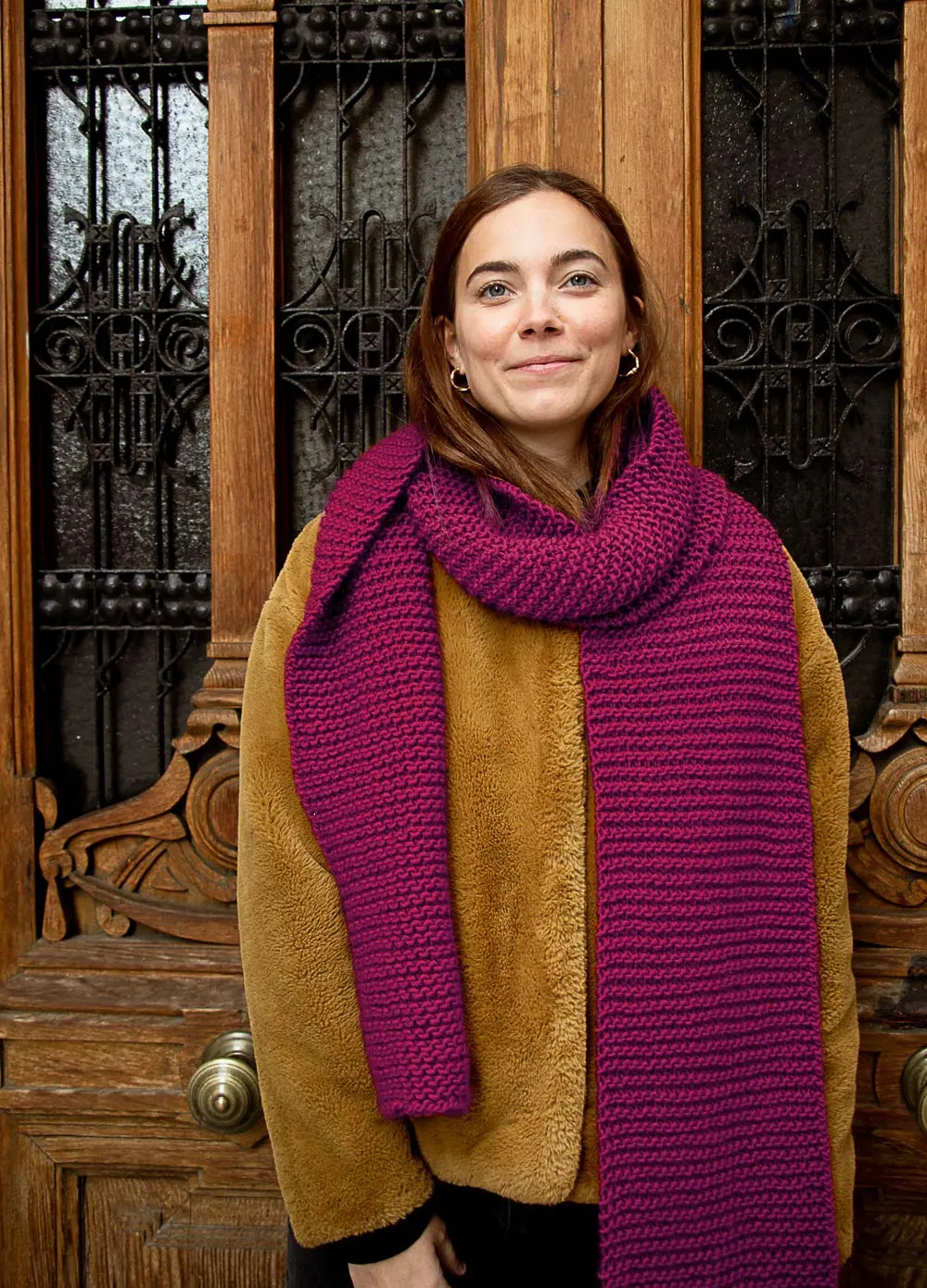
The garter stitch is widely considered the easiest knitting stitch for beginners. It is created by knitting every stitch in every row when working back and forth on straight needles. This repetitive motion produces a stretchy, reversible fabric with a bumpy texture that is ideal for scarves, blankets, and simple garments.
![How to Knit the Knit Stitch: Step by Step tutorial [+video with slow-mo]](/img/10/what-is-the-easiest-knitting-stitch-1.webp)
On this page
What is the garter stitch?
The garter stitch is the fundamental building block of knitting. It is formed by knitting every stitch on every row, which creates a series of horizontal ridges. Because you do not need to switch between knit and purl stitches, it is the most accessible technique for those picking up needles for the first time. The resulting fabric is thick, squishy, and does not curl at the edges, making it a reliable choice for beginners who want to see immediate progress.
Beyond its simplicity, the garter stitch is incredibly versatile. It is naturally elastic and provides excellent warmth, which is why it is the standard choice for beginner projects like scarves or dishcloths. Once you master the basic knit stitch, you have effectively mastered the garter stitch. It serves as the foundation for more complex patterns, allowing you to build muscle memory before attempting more intricate techniques like ribbing or stockinette stitch.
How to knit the garter stitch
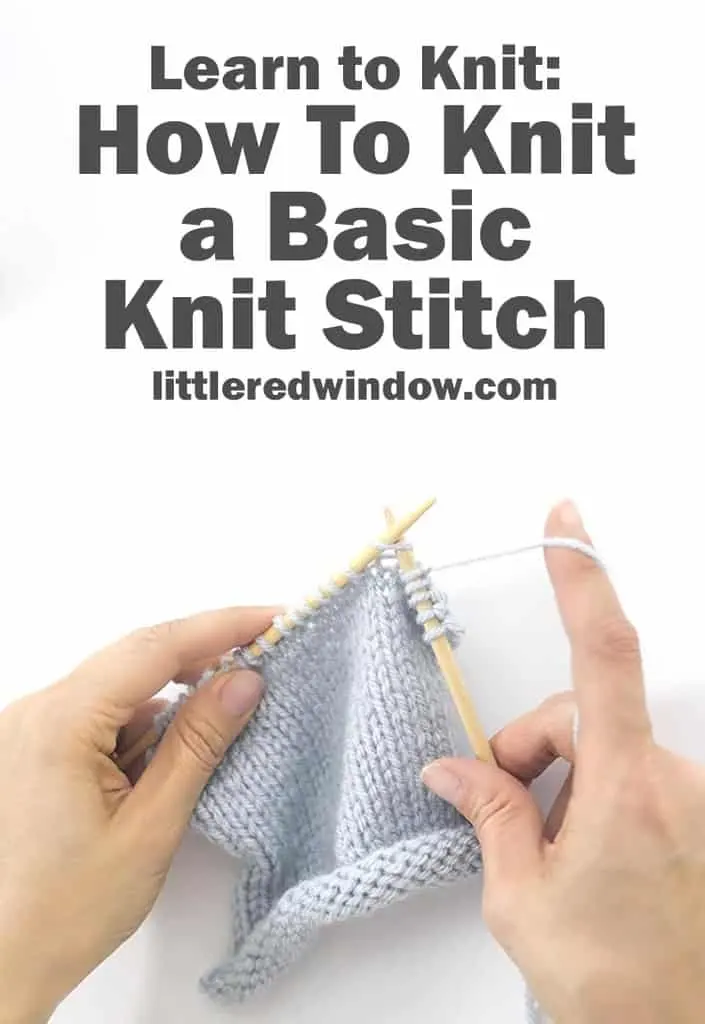
To begin, you will need a pair of knitting needles and a ball of medium-weight yarn. The process involves moving stitches from your left needle to your right needle while wrapping the yarn to create new loops. Consistency is the key to achieving a uniform look across your project.
- Cast on your desired number of stitches using a long-tail or knitted cast-on method.
- Hold the needle with the stitches in your left hand and the empty needle in your right.
- Insert the right needle into the first stitch from front to back.
- Wrap the working yarn around the right needle counter-clockwise.
- Pull the new loop through the stitch and slide the old stitch off the left needle.
- Repeat these steps until you reach the end of the row, then turn your work and repeat for the next row.
Best yarn and needles for beginners
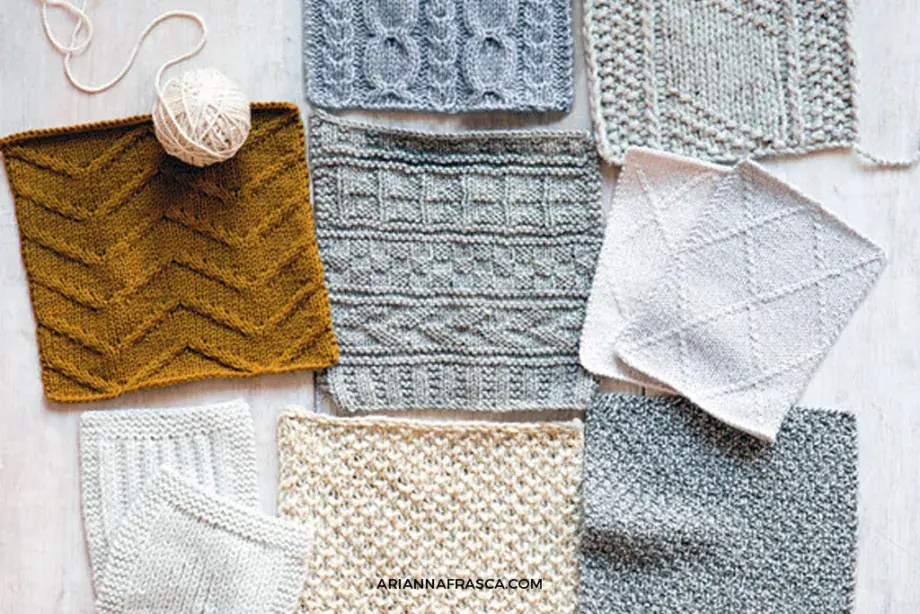
Choosing the right materials can significantly impact your learning experience. For your first project, opt for a light-colored, smooth wool or acrylic blend yarn. Dark-colored yarns make it difficult to see the individual stitches, while fuzzy or textured yarns like mohair can snag and tangle, making it nearly impossible to fix errors. A medium-weight yarn, often labeled as "worsted" or "category 4," is the ideal thickness for learning the mechanics of the stitch.
For needles, bamboo or wood are generally preferred by beginners over metal. Metal needles are quite slippery, which can lead to dropped stitches if you are still developing your tension control. Bamboo needles provide a slight grip that helps keep the yarn in place as you move it. Aim for a size US 8 (5.0 mm) or US 9 (5.5 mm), as these sizes are large enough to handle easily but small enough to create a dense, professional-looking fabric.
Common mistakes when knitting the garter stitch
Even experienced knitters encounter issues, but beginners often face specific hurdles that are easily corrected. One frequent mistake is accidentally increasing your stitch count, which happens when you inadvertently create an extra loop by wrapping the yarn over the needle. Always count your stitches at the end of every row to ensure you have the same number you started with. If you notice your project is widening, you likely added a stitch somewhere in the middle of a row.
Another common problem is uneven tension, where some stitches look tight and others look loose. This is often caused by pulling the yarn too hard or holding it inconsistently. Focus on keeping your hands relaxed and maintaining a steady rhythm. If you drop a stitch, do not panic; you can use a crochet hook to catch the loop and pull it back up through the row below. Practice these recovery techniques early to build confidence.
Why the garter stitch is perfect for practice
The garter stitch is the best way to develop "knitter’s hands," or the muscle memory required to maintain consistent tension. Because the stitch is so repetitive, you can focus on your hand movements rather than worrying about complex pattern instructions. This repetition allows you to observe how the yarn behaves and how your needles interact with the fiber. After completing a few rows, you will notice your speed increasing and your stitches becoming more uniform.
- Use a row counter to keep track of your progress if you are working on a long project.
- Always store your work in a bag to prevent the needles from sliding out and stitches from unraveling.
- If you feel frustrated, set the needles down and take a break; tension issues are often a result of physical fatigue.
- Compare your work to online tutorials to ensure your needle insertion angle matches the standard knit stitch.
By dedicating time to this simple stitch, you lay the groundwork for a lifetime of knitting success. Once you are comfortable, you can easily transition to purling, which opens up a world of new textures and designs.
Key facts
- The garter stitch is universally recognized as the easiest knitting stitch for beginners.
- You create the garter stitch by knitting every stitch on every row, without ever purling.
- Knitting needles are measured in millimeters; 5.0 mm needles are an ideal starting size.
- Worsted weight yarn is the most recommended thickness for learners because it is easy to handle.
- A "swatch" is a small practice square used to test tension before starting a larger project.
- Dropped stitches are the most common mistake, occurring when a loop slips off the needle accidentally.
The bottom line
The garter stitch remains the gold standard for beginners because it requires mastering only one fundamental movement: the knit stitch. By consistently knitting every row, you create a textured, reversible fabric that is perfect for scarves and blankets. Focus on maintaining relaxed tension and using medium-weight yarn to ensure your early projects remain enjoyable, manageable, and free of the common frustrations associated with more complex patterns.
People also ask
What is the difference between knitting and purling?
Knitting involves inserting the needle from the front and pulling the yarn through the back, while purling is the reverse. Purling requires the yarn to be held in front of the needles.
How do I fix a dropped stitch?
Use a crochet hook to catch the loose loop and pull it back through the horizontal bar of yarn above it. Repeat this process until you reach the current row.
Why does my knitting look uneven?
Uneven stitches often result from inconsistent tension or holding the yarn too tightly. Practice maintaining a steady, relaxed grip on the yarn to ensure uniform loops.
How many stitches should I cast on for a scarf?
For a standard scarf using worsted weight yarn, casting on 30 to 40 stitches provides a comfortable width. Adjust this number based on your desired scarf size and yarn thickness.
What is the best yarn material for beginners?
Wool or a wool-acrylic blend is best because these fibers have natural elasticity and grip. Avoid slippery yarns like silk or cotton, which are harder to control.
How do I know when to stop knitting?
You stop when your project reaches the desired length or you run out of yarn. Always finish a row completely before binding off to secure the stitches.
This answer was created with the help of AI research tools and reference sources. Spotted an error? Let us know — we correct mistakes quickly. See our editorial policy.