What is bisque firing?
Short answer
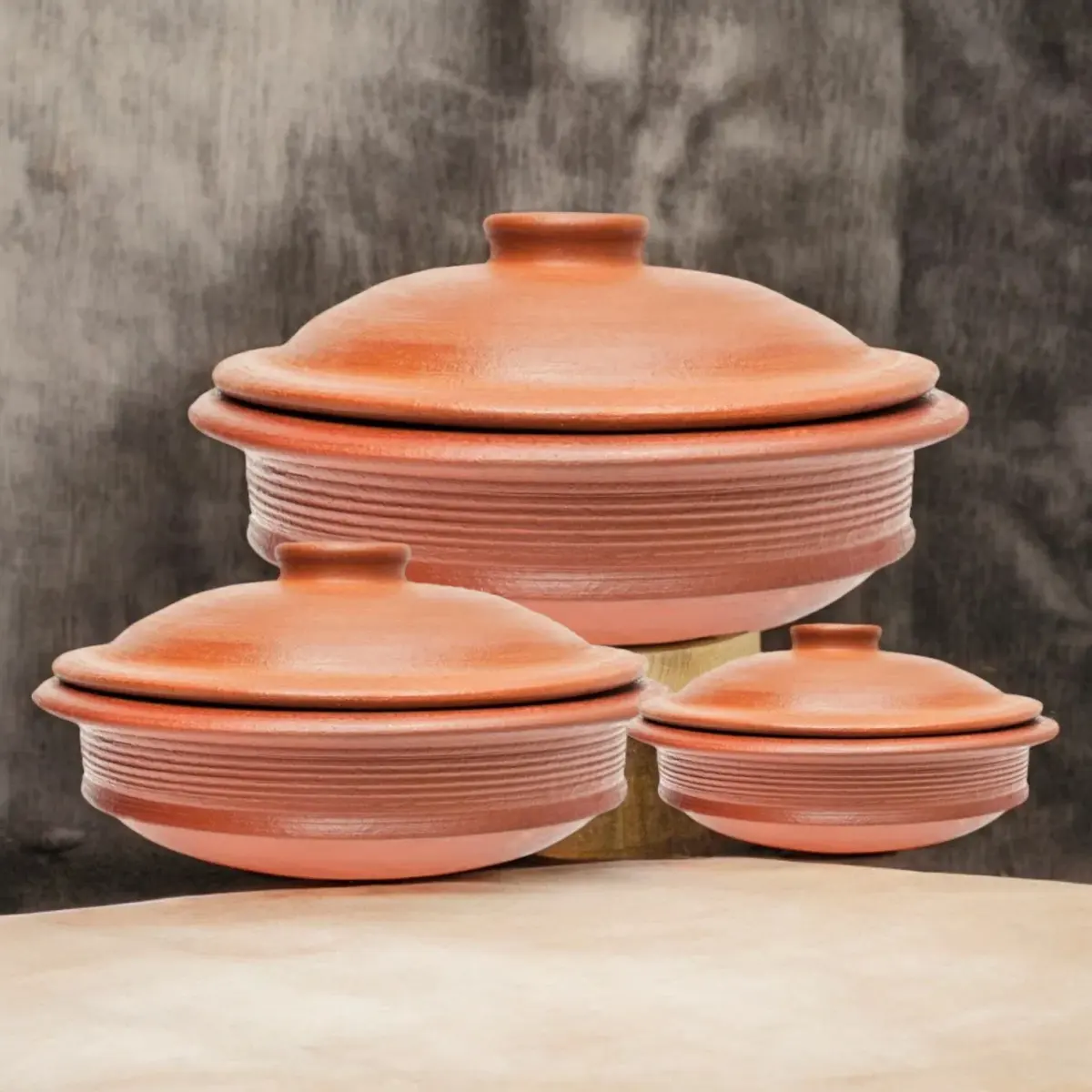
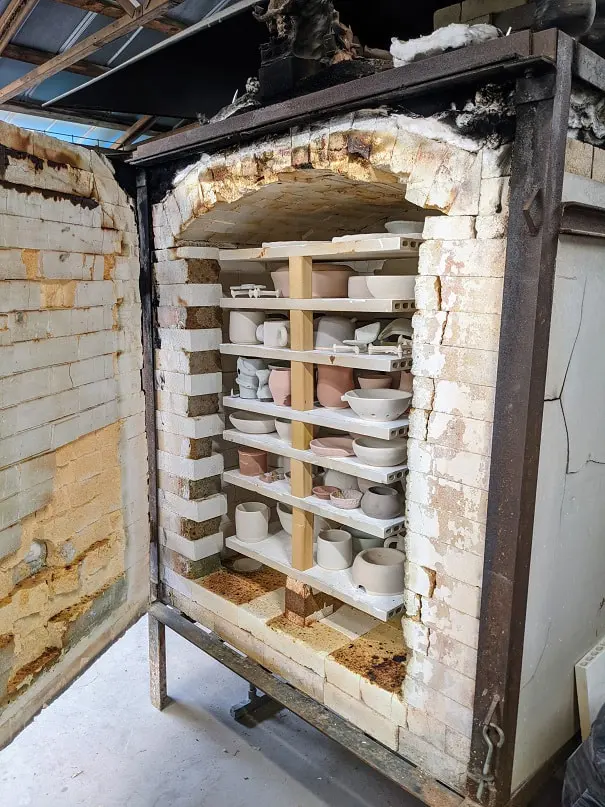
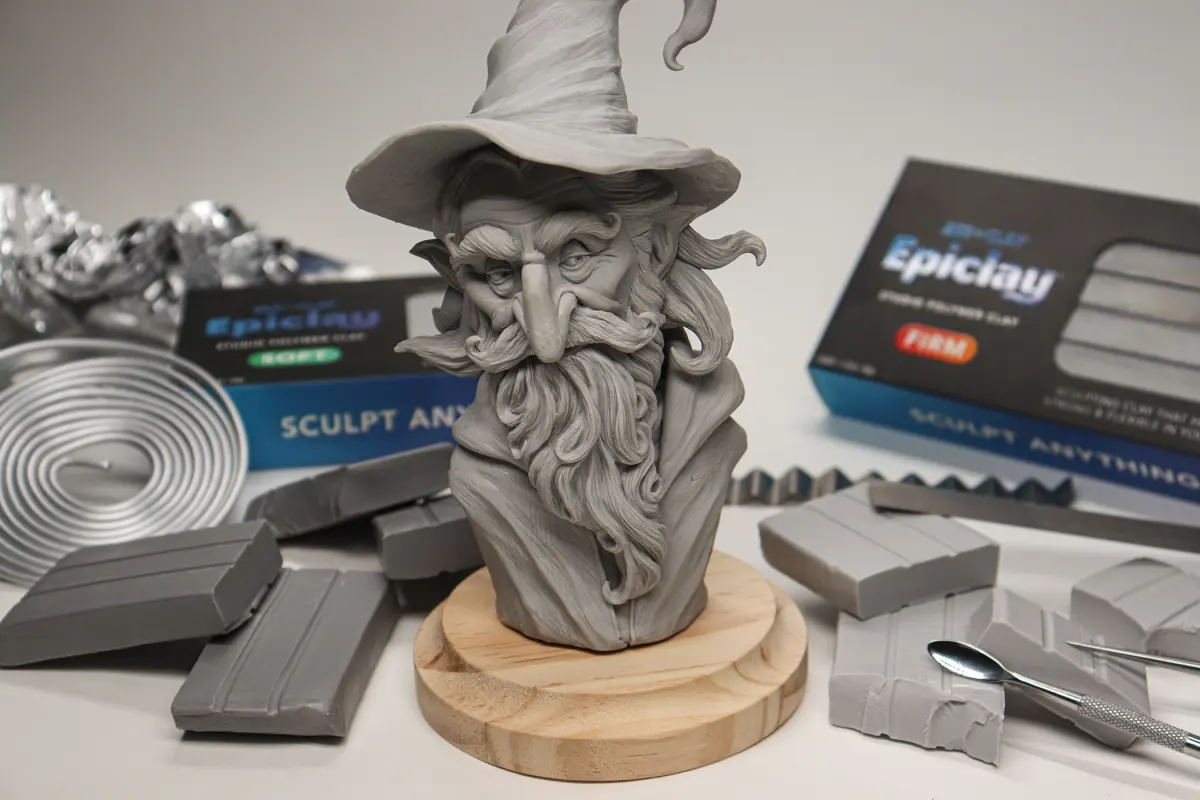
Bisque firing is the initial kiln heating of ceramic ware that has been shaped and dried but not yet glazed. This process transforms fragile, unfired clay—known as greenware—into a porous, durable state called bisqueware. It hardens the clay, making it safe to handle and ready to absorb liquid glazes without dissolving.
On this page
What is the purpose of bisque firing?
Bisque firing serves as a critical bridge between the raw, sculptural stage of pottery and the final decorative finish. When clay is first dried, it remains chemically bonded with water molecules. If you were to apply a wet glaze directly to this "bone-dry" greenware, the clay would immediately rehydrate, soften, and likely collapse. The bisque fire drives out this chemically combined water and organic matter, permanently hardening the clay structure.
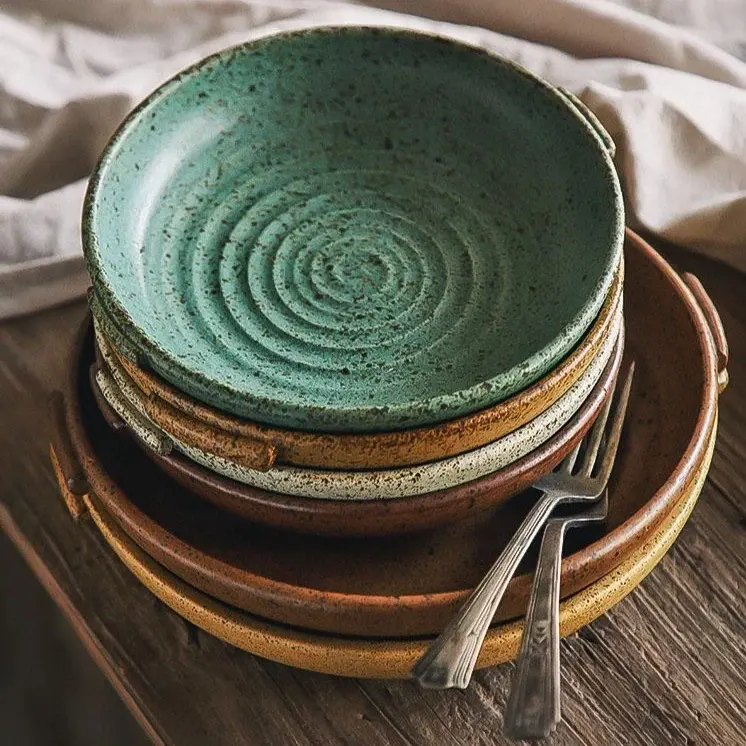
Beyond structural stability, this process creates a porous surface essential for glazing. Because the clay is only partially vitrified, it acts like a sponge, drawing the water out of liquid glaze and leaving a uniform layer of mineral particles on the surface. Without this specific level of porosity, glazes would bead up, crawl, or fail to adhere properly to the vessel. Bisque firing essentially prepares the ceramic body to receive its final aesthetic and functional coating.
How long does it take to bisque fire?
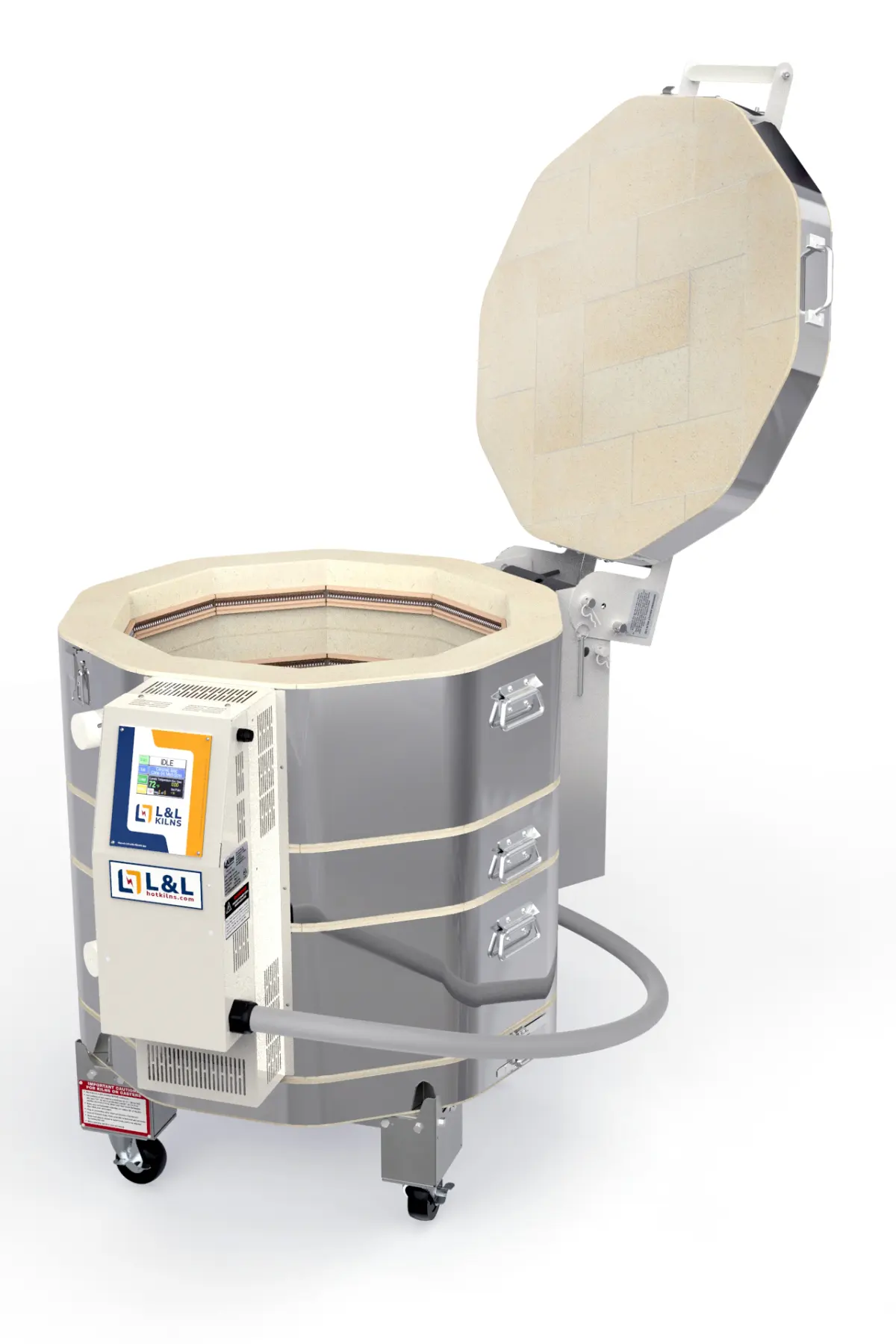
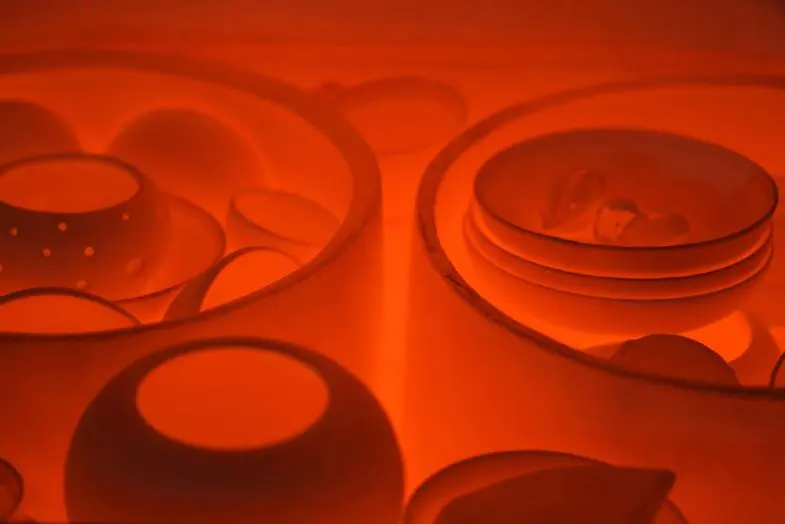
A standard bisque firing cycle typically lasts between 12 and 24 hours, depending on the kiln size and the density of the load. The process must be slow and methodical to prevent the clay from exploding. If the temperature rises too quickly, trapped moisture turns into steam; if this steam cannot escape the clay wall fast enough, the internal pressure causes the piece to crack or shatter, a phenomenon known as "dunting."
Most potters follow a controlled firing schedule to ensure consistency and safety. While individual preferences vary, the general progression involves these phases:
- Low-heat ramp: The kiln rises slowly to 200°F (93°C) to remove remaining physical moisture.
- Intermediate climb: A steady increase to 1,000°F (538°C) burns off organic binders and carbon.
- Final soak: The temperature reaches the target, usually between 1,700°F and 1,900°F (927°C–1,038°C), to stabilize the clay.
- Natural cooling: The kiln remains closed until it drops below 200°F to prevent thermal shock.
What temperature is best for bisque firing?
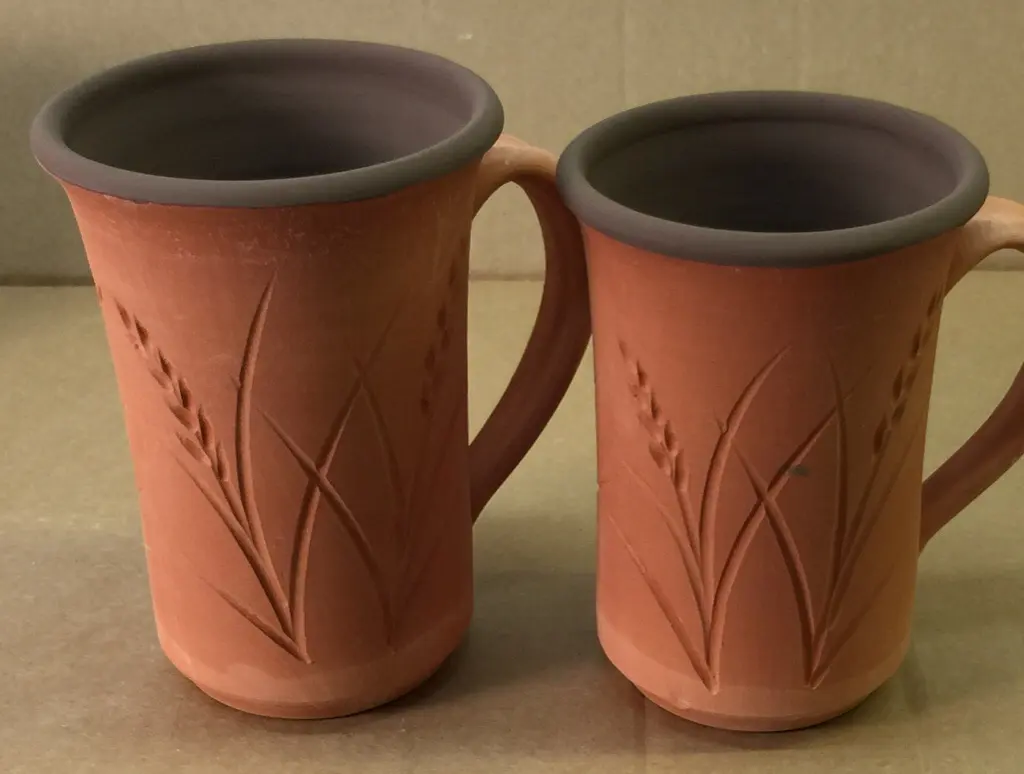
The ideal temperature for bisque firing is generally between Cone 08 and Cone 04, which translates roughly to 1,728°F (942°C) and 1,940°F (1,060°C). Selecting the right temperature depends largely on the type of clay body and the intended use of the final piece. Lower temperatures result in a more porous, absorbent surface, which is ideal for intricate glazing techniques where you want the glaze to grip the clay firmly.
Conversely, firing to a higher bisque temperature, such as Cone 04, makes the ware stronger and less prone to breakage during the glazing process. This is particularly helpful for large, thin-walled, or complex sculptures that are fragile by nature. However, firing too high can cause the clay to become too dense, effectively sealing the pores and preventing the glaze from adhering. Most ceramicists find that Cone 06, or approximately 1,830°F (999°C), provides the perfect balance of durability and necessary porosity for most earthenware and stoneware bodies.
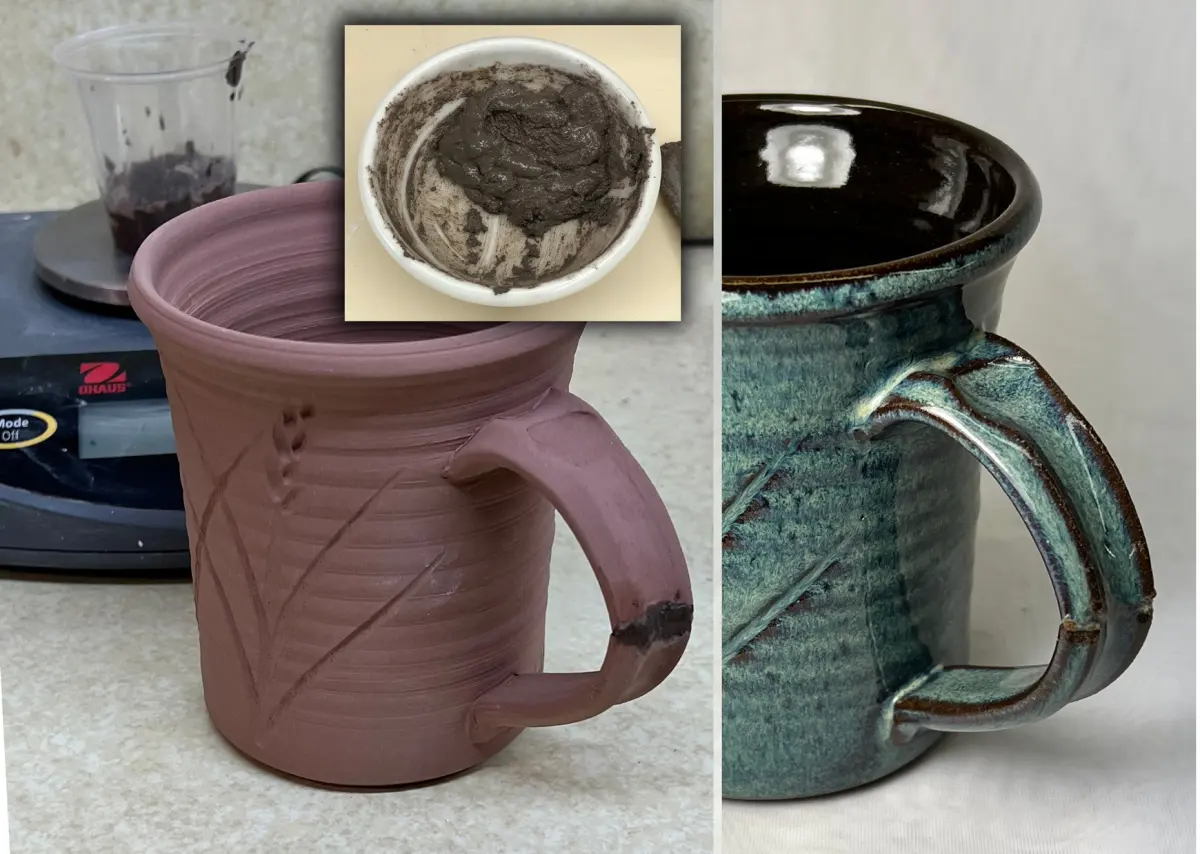
Common mistakes when bisque firing
One of the most frequent errors is firing pieces that are not completely bone-dry. If a piece feels cool to the touch, it still contains moisture; placing it in a kiln will almost certainly lead to disaster. Another common mistake is overcrowding the kiln. Pieces should be spaced out to allow for heat circulation and gas escape. Stacking items too tightly can lead to uneven firing, where some pieces remain under-fired while others are over-fired, leading to inconsistent glaze results later.
To avoid these common pitfalls, keep these guidelines in mind:
- Never fire pieces that have thick, solid sections exceeding one inch, as they are prone to trapping moisture.
- Ensure the kiln is properly vented during the early stages of the firing to allow steam and gases to exit the chamber.
- Use kiln furniture like shelves and posts carefully to ensure that pieces are level and supported, preventing warping during the heat cycle.
- Always check your kiln elements and thermocouples regularly, as inaccurate temperature readings can ruin an entire batch of work.
How to prepare clay for the kiln
Preparation begins long before the kiln is turned on. During the construction phase, it is vital to keep clay walls of uniform thickness. If one side of a bowl is significantly thicker than the other, the piece will dry unevenly, leading to stress fractures. Additionally, ensure that any trapped air pockets are removed through thorough wedging, as air bubbles can expand and cause the piece to explode during the firing process.
Once the piece is finished, it must undergo a slow drying process. Avoid placing greenware in direct sunlight or near heat sources, as this causes the exterior to dry faster than the interior. Instead, cover the pieces loosely with plastic for the first day, then gradually expose them to air over several days. Only when the clay has reached a room-temperature, bone-dry state is it ready to be loaded into the kiln for its first firing. Proper preparation is the most effective way to ensure successful results every time you fire your work.
Key facts
- Bisque firing is the first stage of firing pottery, typically occurring between 1,700°F and 1,900°F (925°C–1,040°C).
- This process transforms raw, dried clay—known as "greenware"—into a porous, hardened material called "bisqueware."
- The firing must be slow, particularly during the initial stage, to allow chemically bonded water to escape without causing the piece to explode.
- Bisqueware remains porous enough to absorb water, which is essential for the even application of liquid glazes later in the process.
- Pieces must be "bone dry" before firing; if any moisture remains, the rapid expansion of steam can cause the clay to crack or shatter.
- Once fired, the clay undergoes a permanent chemical change, meaning it can no longer be broken down by water and recycled into slip.
The bottom line
Bisque firing serves as the critical foundation for ceramic production, converting fragile greenware into durable, porous bisqueware. By carefully controlling the kiln's temperature and ensuring pieces are completely bone dry, potters prevent structural damage while preparing the surface for glazing. This essential step creates a stable, manageable object that can withstand the subsequent application of decorative finishes and the final high-temperature transformation in the glaze kiln.
People also ask
How do I know if my pottery is dry enough to be bisque fired?
Hold the piece against your cheek; if it feels cool, there is still moisture present. It should feel room temperature and appear lighter in color than damp clay.
Can I skip the bisque firing process?
While "raw glazing" or "single firing" is possible, it is difficult for beginners because the clay is fragile and can easily dissolve when coated in liquid glaze.
Why did my piece explode in the kiln?
This is usually caused by "dunting" or trapped moisture. If the clay was not bone dry or the kiln temperature rose too quickly, steam pressure built up inside the clay walls.
How should I stack my kiln for a bisque fire?
You can stack pieces inside one another or touch them together because they will not melt or fuse at these lower temperatures. Ensure the load is stable and pieces are not under stress.
What is the difference between bisque firing and glaze firing?
Bisque firing is a lower temperature that hardens the clay but leaves it porous, while glaze firing reaches higher temperatures to melt glass-forming materials into a non-porous, decorative surface.
Does bisque firing shrink the clay?
Yes, clay shrinks throughout the entire drying and firing process. Most of the shrinkage occurs during the initial drying phase, but further contraction happens during the chemical changes of the bisque fire.
This answer was created with the help of AI research tools and reference sources. Spotted an error? Let us know — we correct mistakes quickly. See our editorial policy.