What is a silhouette in art?
Short answer
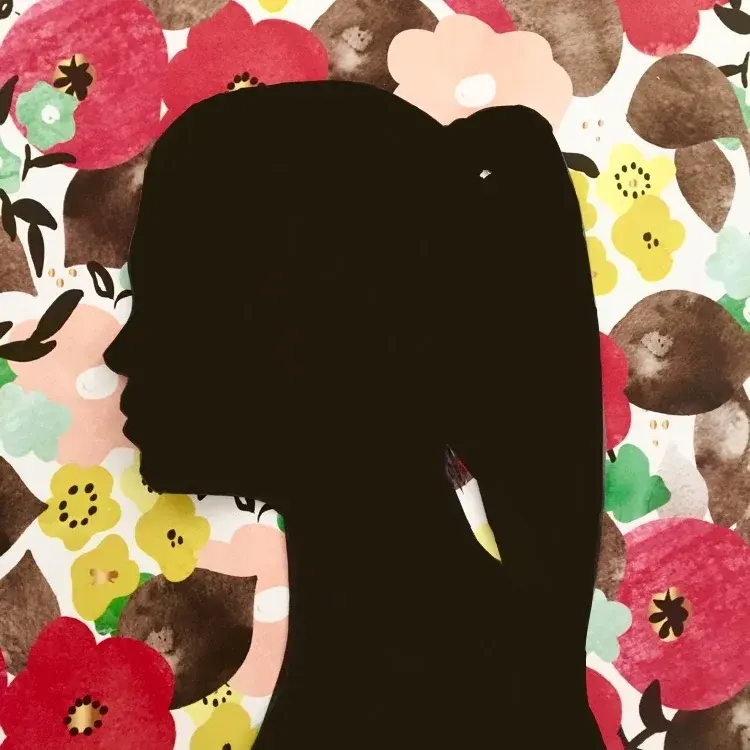
A silhouette is a two-dimensional representation of an object or person, typically rendered as a solid dark shape against a light background. By stripping away internal details like color, texture, and facial features, the silhouette emphasizes the subject's outer contour and profile, turning complex forms into recognizable, high-contrast graphic symbols.
On this page
What is the history of silhouette art?
The term "silhouette" originated in the 18th century, named after Étienne de Silhouette, a French finance minister known for his extreme austerity measures. During this period, the term became a derogatory nickname for cheap, cut-paper portraits, as they were a far more affordable alternative to expensive oil paintings or miniature portraits. Before the invention of photography, these profiles were the primary way for middle-class citizens to capture a likeness of their family members.
By the late 1700s, silhouette portraiture had become a fashionable craze across Europe, particularly in England and Germany. Artists often used a "physionotrace," a mechanical device that helped trace the outline of a sitter's profile onto paper. These portraits were typically cut from black paper or painted in ink on white backgrounds. While the rise of the daguerreotype in the mid-19th century eventually eclipsed the popularity of hand-cut silhouettes, the style remained a staple of folk art and commemorative keepsakes for generations.
How to create a silhouette portrait
Creating a classic silhouette is a straightforward process that requires minimal materials, such as black construction paper, scissors, a pencil, and a light source. The goal is to capture the distinct shape of a head or object without needing to master complex shading or color theory.
- Position your subject in profile directly in front of a plain, light-colored wall.
- Place a strong lamp or light source behind the subject to cast a sharp, dark shadow on the wall.
- Tape a piece of paper to the wall where the shadow falls, or have the subject stand close enough to a white sheet so you can trace the outline directly.
- Carefully trace the profile outline with a pencil, ensuring the subject remains perfectly still.
- Transfer your tracing onto black paper, cut it out with precision scissors, and mount it onto a contrasting white or cream background.
Why use silhouettes in graphic design?
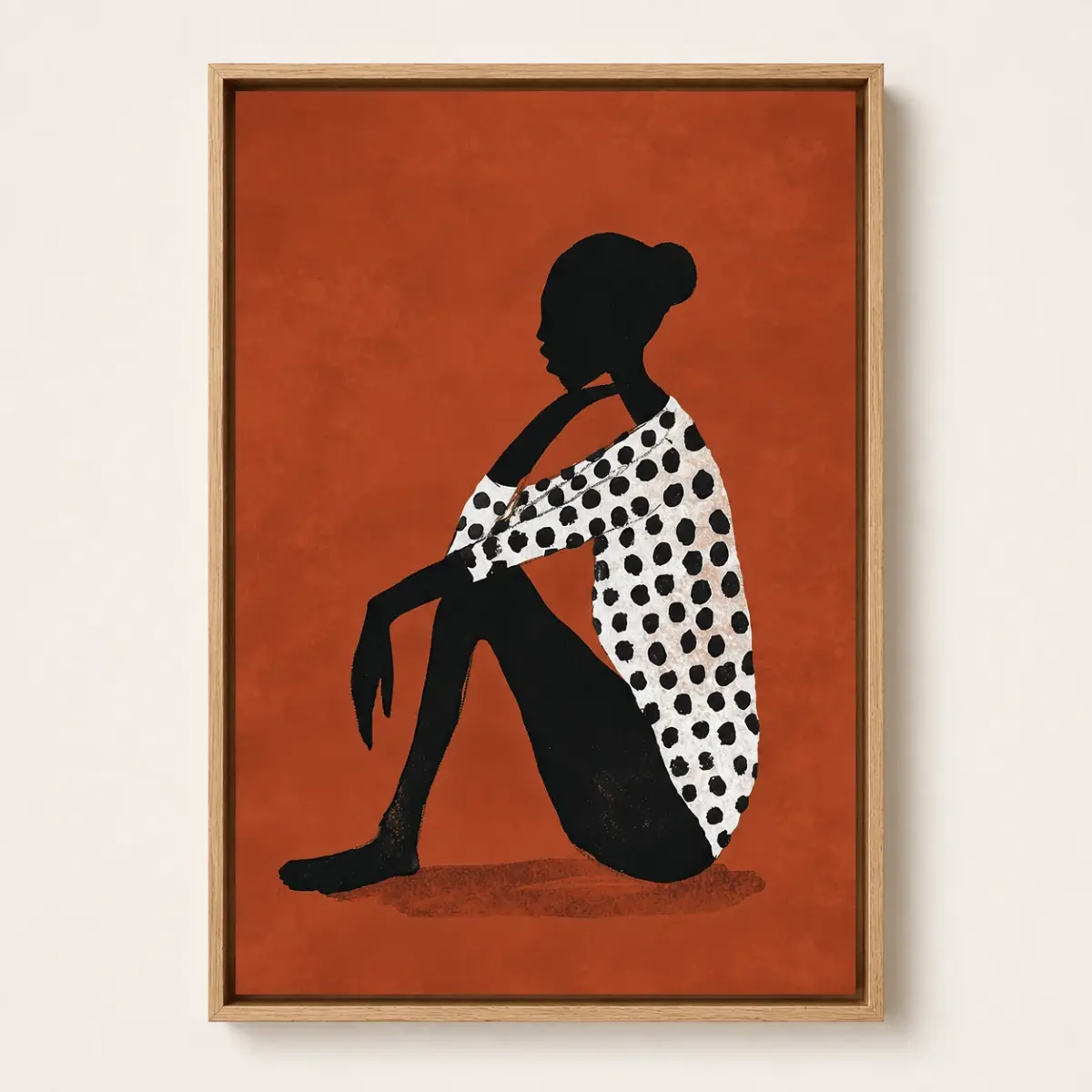
Silhouettes are powerful tools in visual communication because they rely on the human brain's ability to recognize shapes instantly. By removing internal detail, the designer forces the viewer to focus entirely on the subject’s posture, movement, and outline. This makes silhouettes ideal for signage, icons, and logos, where clarity at small sizes is essential.
Because silhouettes lack specific details like race, age, or clothing textures, they often serve as universal symbols. A silhouette of a person can represent "humanity" in a general sense, allowing a wider audience to identify with the image. This abstraction is frequently used in cinema and advertising to create a sense of mystery or to establish a mood without cluttering the frame with unnecessary information. When used effectively, the simplicity of a silhouette can be more evocative than a highly detailed photograph.
Common mistakes when making silhouettes
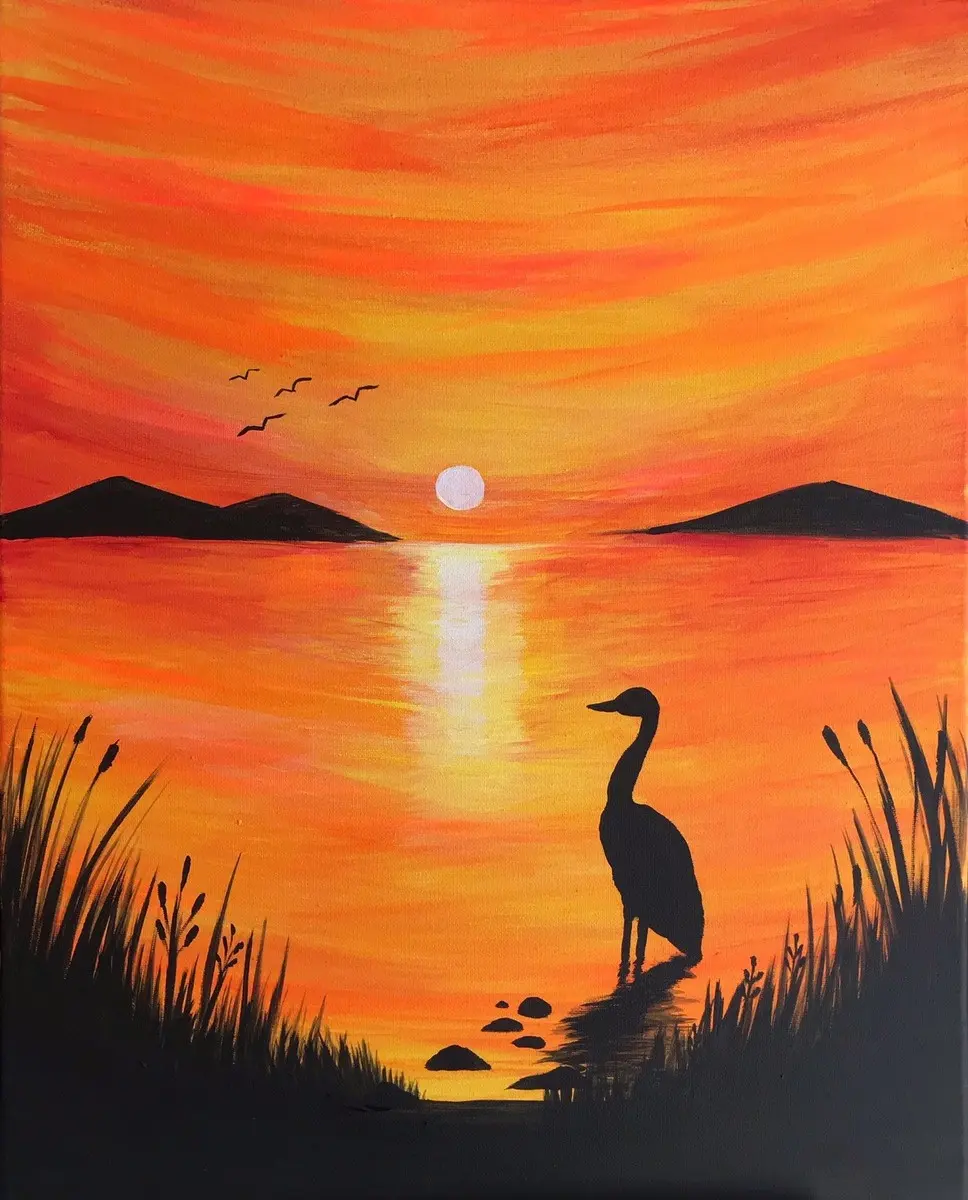
When attempting to create your own silhouette art, the most frequent error is neglecting the quality of the light source. If the light is too diffuse or positioned incorrectly, the edges of the shadow will become blurry, making it impossible to achieve a crisp, clean outline. Always aim for a single, focused light source to ensure the edges are sharp.
- Failing to keep the subject's head perfectly perpendicular to the wall, which distorts the profile.
- Using paper that is too thin, which leads to tearing during the delicate cutting process.
- Rushing the cutting phase; the beauty of a silhouette lies in the precision of the curve.
- Forgetting to account for hair volume or accessories, which are vital for capturing a recognizable likeness.
- Mounting the silhouette on a background that lacks sufficient contrast, causing the image to appear washed out.
Best techniques for silhouette photography
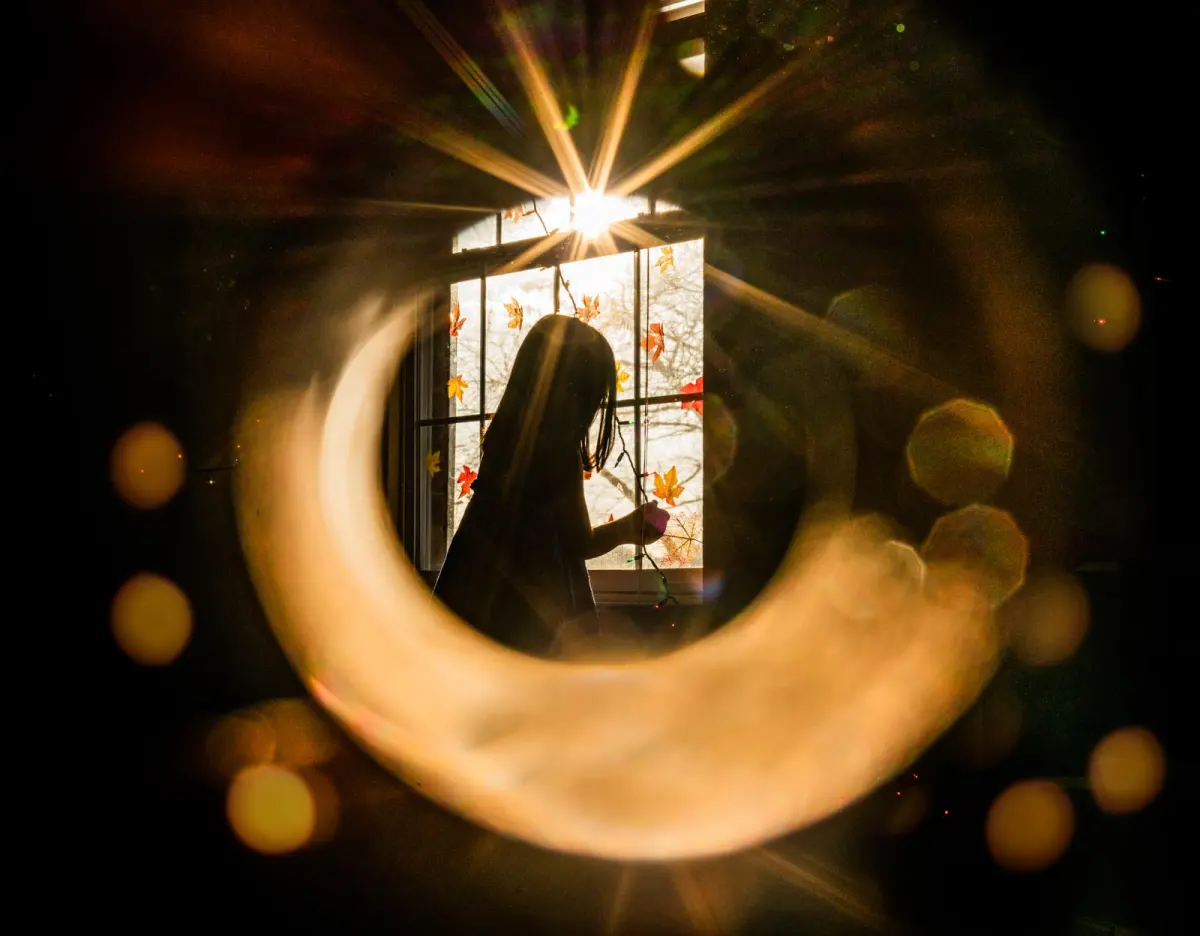
Capturing a silhouette with a camera requires a specific approach to exposure. The fundamental rule is to expose for the brightest part of the scene rather than the subject. When you point your camera at the bright sky or a light source, the camera’s internal meter will darken the foreground, naturally turning your subject into a black shape.
- Set your camera to manual mode to prevent it from automatically brightening the subject.
- Position your subject between the camera and the light source, such as the sun during a sunset.
- Turn off your camera's flash, as it will illuminate the subject and ruin the silhouette effect.
- Focus on the sharp edges of the subject to ensure the outline remains defined.
- Experiment with different angles, such as getting low to the ground to make the subject appear more dramatic against the sky.
If you find that your subject is still too bright, try increasing your shutter speed or lowering your ISO settings to reduce the light intake further. By mastering the balance between light and shadow, you can create striking, high-contrast images that emphasize form and composition over color.
Key facts
- A silhouette is the image of a person, animal, or object represented as a solid shape of a single color, usually black, against a light background.
- The term originates from Étienne de Silhouette, a French finance minister in the 1750s, whose name became synonymous with cheap, cut-paper portraits.
- Silhouettes emphasize the outline of a subject, stripping away internal details like texture, color, and facial features to focus entirely on the contour.
- To create a classic profile silhouette, position your subject between a bright light source and a wall, then trace their shadow onto paper.
- When drawing or cutting, focus on the "negative space" around the subject rather than the subject itself to capture accurate proportions.
- A common mistake is including too much detail; a successful silhouette relies on a clean, distinct edge that remains recognizable without internal shading.
The bottom line
The silhouette is a powerful artistic tool that reduces complex subjects to their fundamental outlines. By removing distracting details, it forces the viewer to focus on the essential shape and gesture of the subject. Whether crafted through traditional paper-cutting or modern digital photography, the silhouette remains a timeless method for creating striking, high-contrast imagery that relies entirely on the elegance of a well-defined contour.
People also ask
How do I make a silhouette without a projector?
Place your subject against a plain, light-colored wall in a darkened room. Position a single lamp behind the subject so it casts a crisp shadow, then tape paper to the wall and trace the outline.
Are silhouettes considered a form of photography?
Yes, silhouette photography is a technique where the subject is backlit, causing the foreground to appear as a dark shape. This is often achieved by exposing for the brightest part of the scene, such as a sunset.
What is the difference between a silhouette and a profile?
A profile is a side-view portrait that may include internal details like eyes or clothing patterns. A silhouette is strictly a solid shape that lacks any internal detail or color variation.
Why were silhouettes popular in the 18th century?
Before the invention of photography, silhouettes were an affordable and rapid way to create personal portraits. They became a fashionable pastime for the middle class across Europe and North America.
Can silhouettes be used in graphic design?
Absolutely, silhouettes are frequently used in logos and icons because they are highly legible at small sizes. Their simplicity allows them to communicate complex ideas quickly without visual clutter.
Should I use a sharp blade or scissors for paper silhouettes?
A precision craft knife is generally better than scissors for intricate details. Using a sharp blade allows you to pivot the paper easily while keeping the knife stationary, resulting in smoother curves.
This answer was created with the help of AI research tools and reference sources. Spotted an error? Let us know — we correct mistakes quickly. See our editorial policy.