What art jobs can you do from home?
Short answer
Remote art careers include freelance graphic design, digital illustration, surface pattern design, and custom portraiture. These roles allow professionals to work from home by leveraging digital tools to create assets for clients globally. Success in these fields requires a strong online portfolio, consistent networking, and the ability to manage self-directed projects effectively.

On this page
How to start a career in digital illustration
Digital illustration is one of the most accessible remote art paths because it requires only a computer, a drawing tablet, and industry-standard software like Adobe Photoshop or Procreate. Beginners should focus on developing a distinct visual style that solves specific problems for clients, such as editorial storytelling, book cover design, or character development for indie games. Building a presence on platforms like Behance or Dribbble allows artists to showcase their process and attract potential commissions from agencies or individual authors.
To transition into this field, follow these structured steps:
- Master the technical fundamentals of digital layering and resolution requirements for print versus web.
- Build a cohesive portfolio featuring at least six high-quality pieces that demonstrate your specific niche.
- Establish a professional social media presence to share your work-in-progress and connect with art directors.
- Set clear pricing structures based on project scope, usage rights, and expected turnaround times to avoid undervaluing your labor.
Best freelance graphic design platforms for beginners
Graphic design remains a cornerstone of the remote economy, encompassing branding, social media assets, and marketing materials. Beginners often start on freelance marketplaces to build a client base, though transitioning to direct client relationships is essential for long-term growth. Successful designers often specialize in a specific vertical, such as typography, packaging design, or web interface layout, which allows them to command higher rates than generalists.
When starting on freelance platforms, focus on these key areas:
- Upwork: Ideal for finding short-term contracts that help build a reputation and gather client testimonials.
- Fiverr: Useful for offering standardized "gig" services, such as logo design or business card creation, at fixed prices.
- 99designs: A platform centered on design contests, which can be a double-edged sword for building a portfolio under pressure.
- LinkedIn: The most effective tool for long-term networking and securing high-value contracts with established companies.
What equipment is needed for remote art jobs
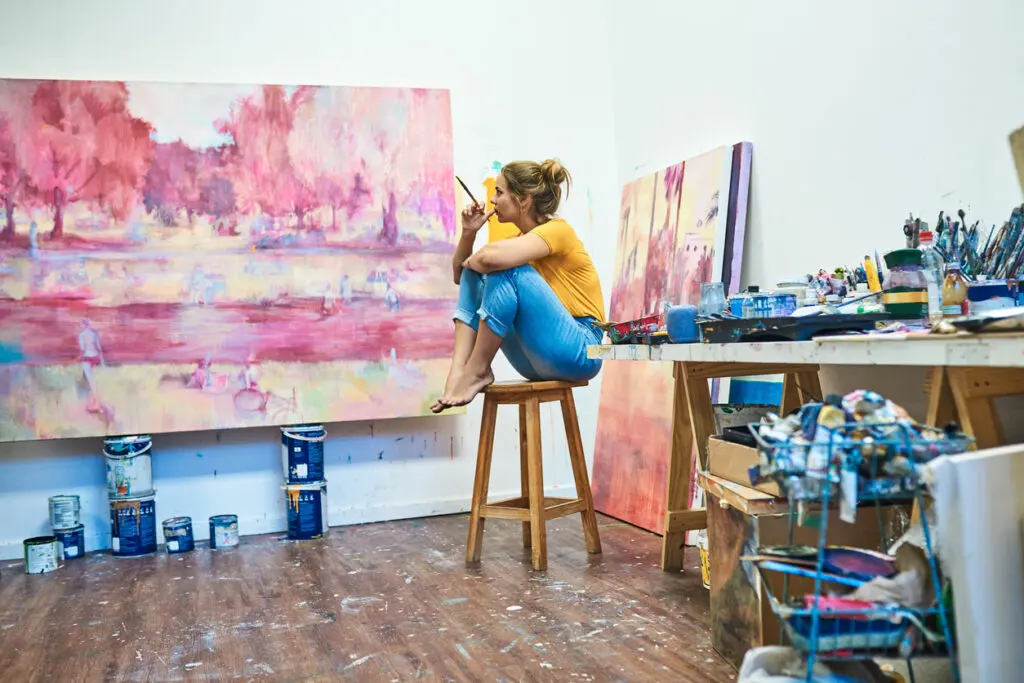
Creating professional-grade art from home requires reliable hardware that can handle complex software without crashing. A high-resolution monitor with accurate color calibration is non-negotiable for designers who need their digital files to match physical print outputs. Additionally, investing in an ergonomic workspace, including a comfortable chair and a drawing tablet with high pressure sensitivity, prevents repetitive strain injuries that often plague full-time digital artists.
Beyond hardware, artists must manage their digital assets with robust cloud storage and backup systems. Losing a client’s project due to a hardware failure is a catastrophic error that can damage your professional reputation permanently. Use external hard drives in tandem with automated cloud backup services to ensure that every version of your work is secure. Maintaining an organized file naming convention is equally vital, as it allows for efficient collaboration and quick revisions when clients request changes to past projects.
Common mistakes when working as a remote artist
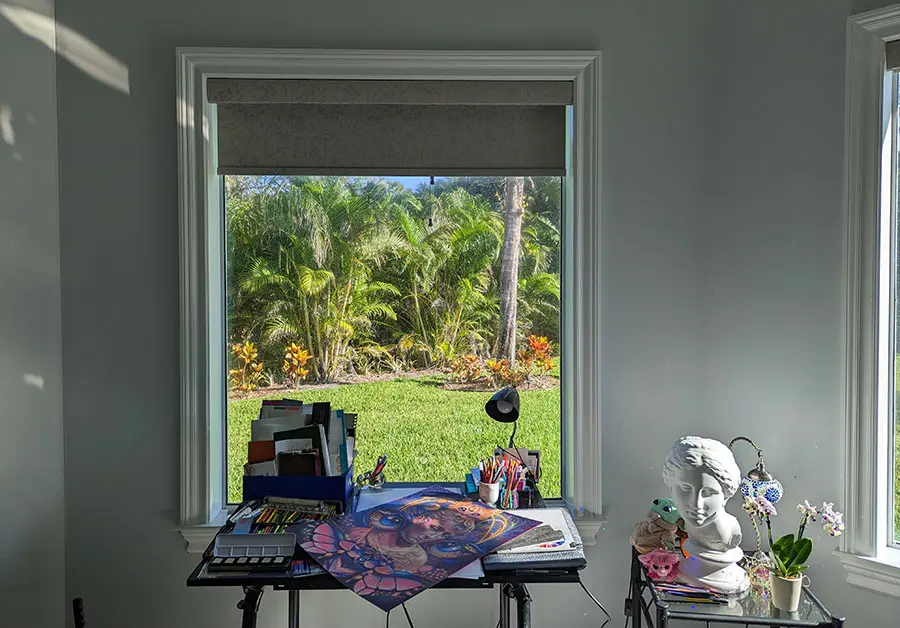
The most frequent mistake remote artists make is failing to establish clear boundaries between their personal life and their professional obligations. When your office is your living room, it is easy to overwork or, conversely, become distracted by household tasks. Successful freelancers treat their art as a business, setting specific "office hours" and maintaining a dedicated workspace that is physically separated from their relaxation areas. This mental separation is essential for preventing burnout and maintaining the creative energy required for high-quality output.
Another common pitfall is the lack of a formal contract for every project, regardless of the client's size. Relying on verbal agreements often leads to scope creep, where a client demands endless revisions without additional compensation. Always provide a written agreement that outlines the number of allowed revisions, payment milestones, and the final deadline. Failing to secure a deposit before beginning work is a dangerous oversight; a standard practice is to request 50 percent of the total fee upfront to ensure commitment and cover initial expenses.
How to set prices for freelance art services
Pricing your services is often the most challenging aspect of a remote art career, as it requires balancing market rates with your own cost of living. Beginners often fall into the trap of charging hourly rates that are too low, which fails to account for the unpaid time spent on marketing, administrative tasks, and software subscriptions. Instead of hourly billing, consider value-based pricing, where you charge based on the benefit the artwork provides to the client’s business, such as increased sales or improved brand recognition.
To refine your pricing strategy, keep these principles in mind:
- Research industry standards through organizations like the Graphic Artists Guild to understand the market value of your specific services.
- Always include a "kill fee" in your contracts, which compensates you for work completed if a client suddenly cancels a project.
- Periodically raise your rates as your portfolio grows and your demand increases, ensuring your income keeps pace with your professional development.
- Treat your art career as a business by tracking all expenses and income, allowing you to make data-driven decisions about your future growth.
Key facts
- Freelance graphic designers often earn between $25 and $150 per hour depending on their portfolio and niche.
- Digital illustration, surface pattern design, and motion graphics are currently the most high-demand remote creative skills.
- Establishing a professional portfolio website is more effective for gaining clients than relying solely on social media profiles.
- Common mistakes include failing to draft a formal contract and neglecting to set clear boundaries regarding revision limits.
- Remote artists should use professional project management tools like Trello or Asana to track deadlines and client communication.
- Diversifying income streams through print-on-demand shops or digital asset marketplaces provides stability beyond client-based work.
The bottom line
Building a successful career as a remote artist requires a blend of creative talent and business acumen. By curating a professional portfolio, mastering industry-standard software, and diversifying your income through both client services and digital products, you can create a sustainable livelihood. Focus on clear communication and formal contracts to maintain professionalism, ensuring your home-based creative business remains both profitable and personally fulfilling in the long term.
People also ask
Do I need a formal degree to work as a remote artist?
No, most clients prioritize a strong portfolio of past work over formal education. Demonstrating your specific style and technical proficiency is the most important factor in securing freelance contracts.
What equipment is essential for a home art studio?
At minimum, you will need a high-resolution monitor, a reliable computer, and a professional-grade drawing tablet. Investing in ergonomic furniture is also critical to prevent long-term physical strain during long work hours.
How do I determine my pricing for freelance art projects?
Start by calculating your desired hourly rate based on your living expenses and taxes, then adjust based on market research. Many professionals choose to charge flat fees for specific deliverables to provide clients with budget certainty.
Where can I find legitimate remote art job listings?
Reputable platforms like Behance, Dribbble, and LinkedIn are standard for networking and finding job postings. Avoid platforms that require you to pay a fee just to view or apply for job opportunities.
How do I protect my artwork from copyright infringement?
Always include a copyright notice on your digital files and use low-resolution previews when sharing work online. Registering your most important works with your national copyright office provides legal recourse if your work is stolen.
Is it possible to make a full-time living as a remote artist?
Yes, many artists sustain full-time careers by balancing client commissions with passive income from digital products. Success typically requires a combination of artistic talent, self-discipline, and consistent marketing efforts.
This answer was created with the help of AI research tools and reference sources. Spotted an error? Let us know — we correct mistakes quickly. See our editorial policy.