Painting & Color
How do eyes see color?
Eyes perceive color through specialized photoreceptor cells called cones located in the retina. These cells contain pigments…
Watercolor, acrylic and oil painting, color theory and mixing.
Eyes perceive color through specialized photoreceptor cells called cones located in the retina. These cells contain pigments…
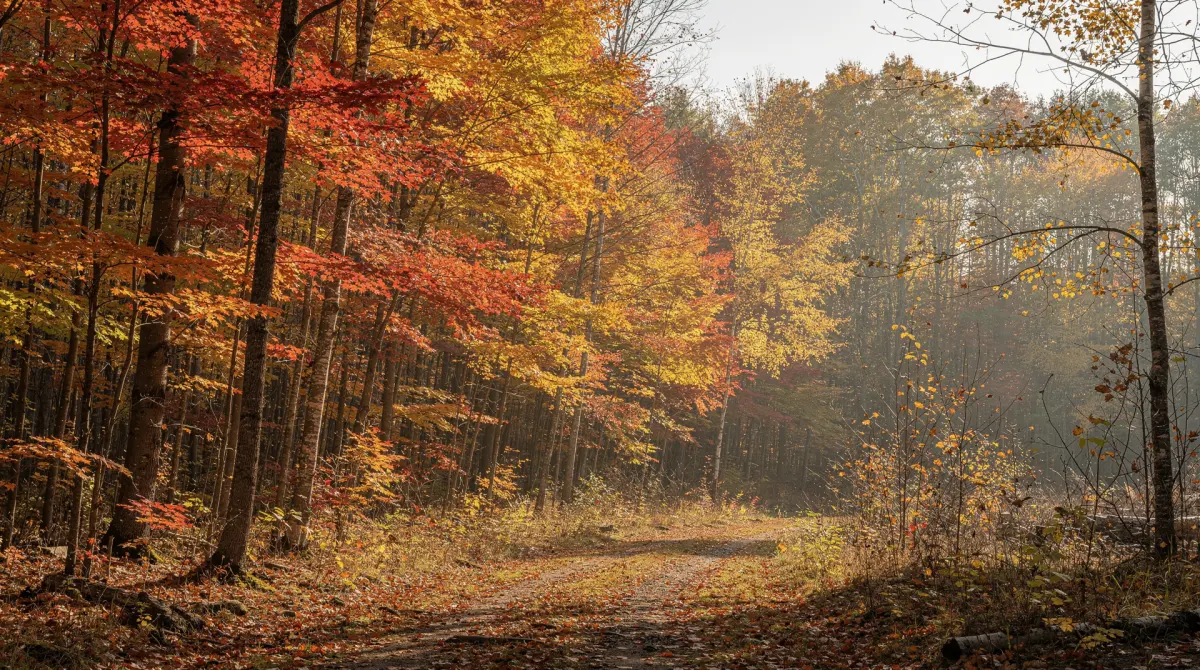
Vancouver offers spectacular fall foliage from early October through mid-November. Prime viewing locations include Stanley Park…
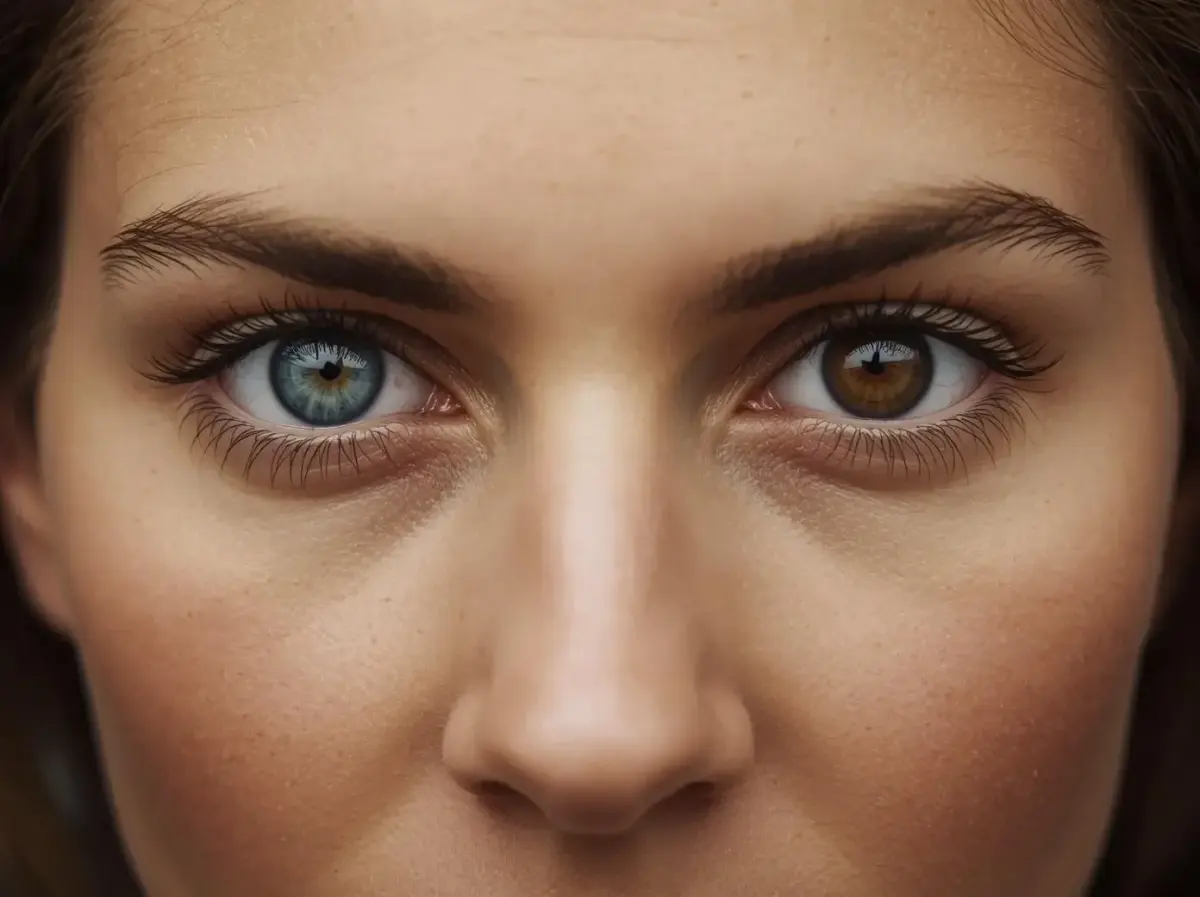
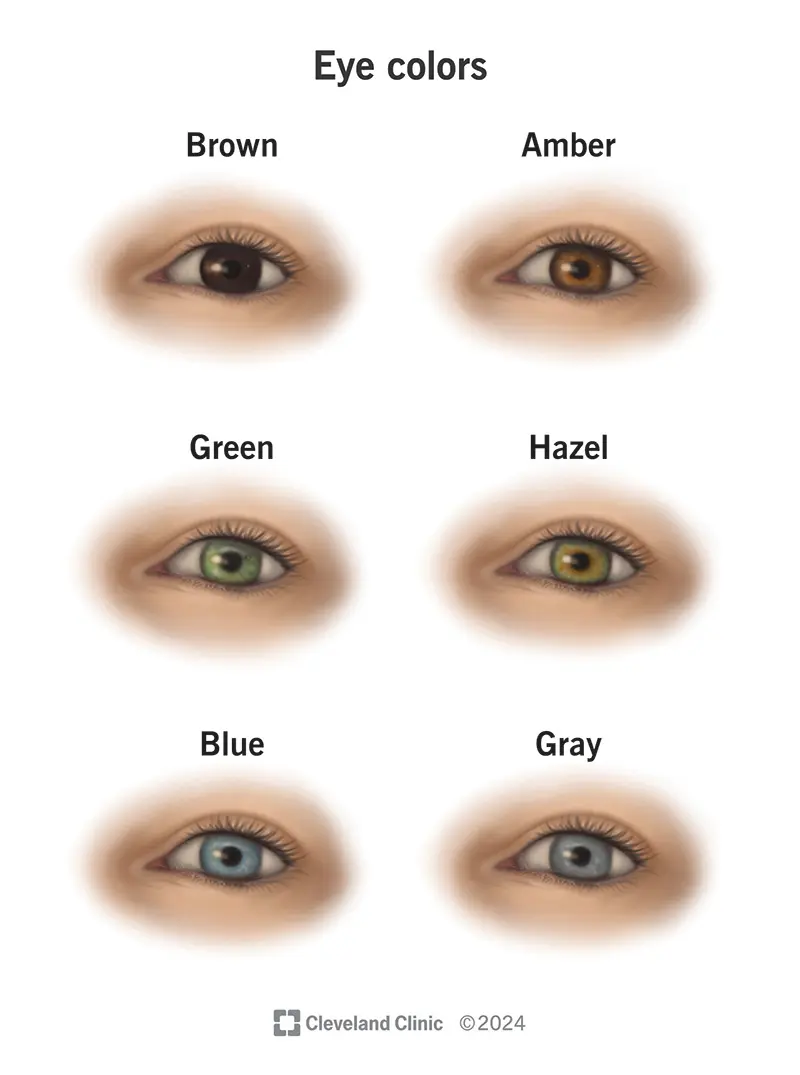
Eye color is determined by the amount and quality of melanin pigment in the iris stroma. Genetic variations inherited from…
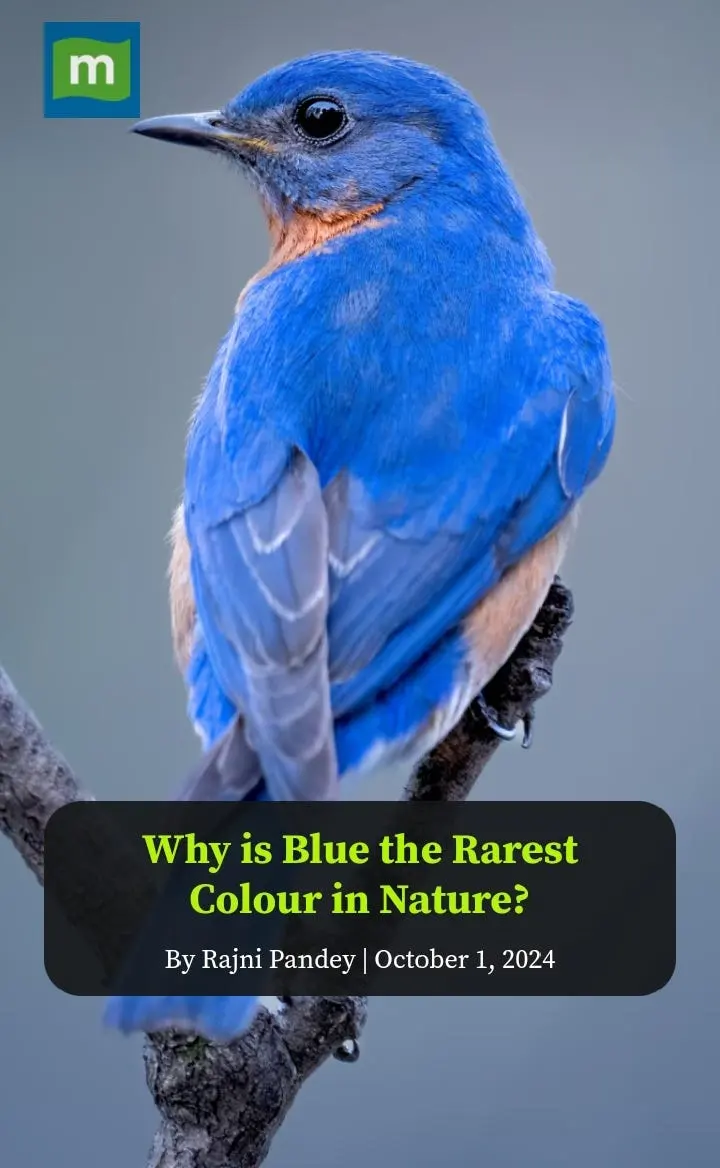
Blue is widely considered the rarest color in nature. While the sky and ocean appear blue, this is due to light scattering…
Blue is widely considered the most popular color in the world. Numerous cross-cultural surveys and psychological studies…
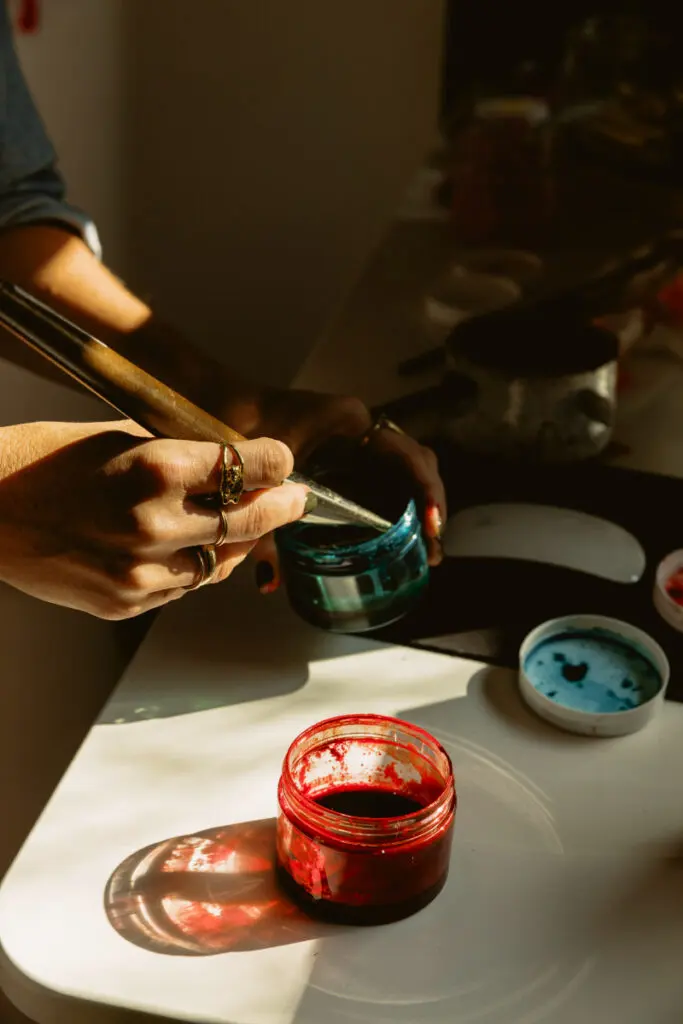
Starting to paint as a hobby involves selecting a medium, gathering essential supplies, and practicing fundamental techniques…

Coloring provides adults with a structured way to reduce stress, improve focus, and practice mindfulness. By engaging in this…
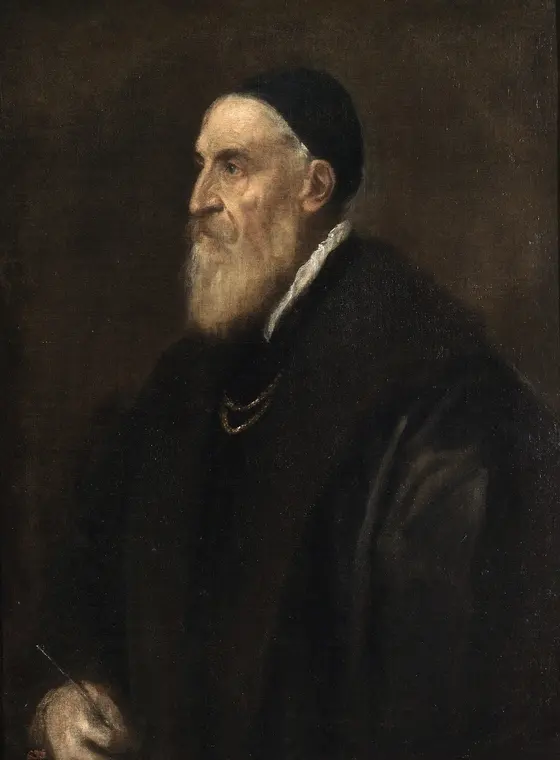
Oil paint was not invented by a single individual, but rather evolved through centuries of experimentation. While early versions…
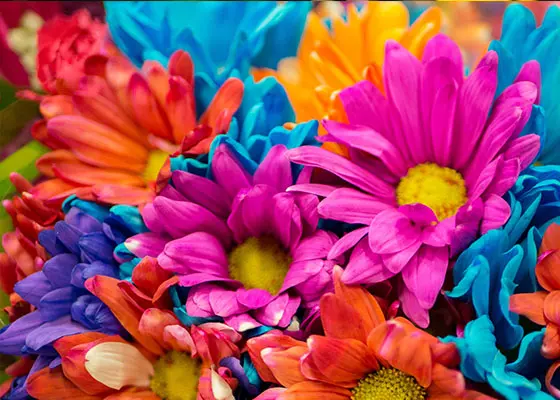
Flowers get their color primarily from specialized pigments stored within their cell vacuoles. The most significant groups are…
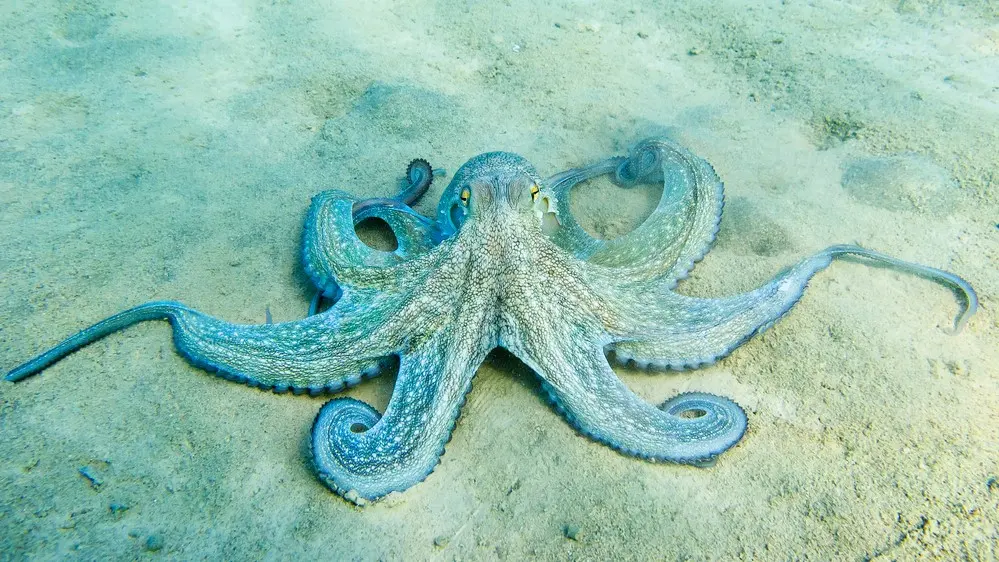
Octopuses change color through a complex interplay of specialized skin cells called chromatophores, iridophores, and…

Pink was historically considered a masculine color in the West, associated with the intensity of red. The modern association…

The Vancouver Mural Festival is an annual summer celebration transforming the city into an open-air gallery. Founded in 2016, it…
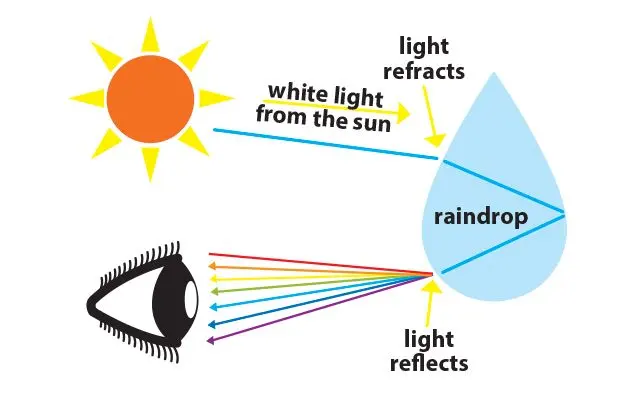
Rainbows form when sunlight enters raindrops, undergoes refraction, reflects off the back of the droplet, and refracts again…
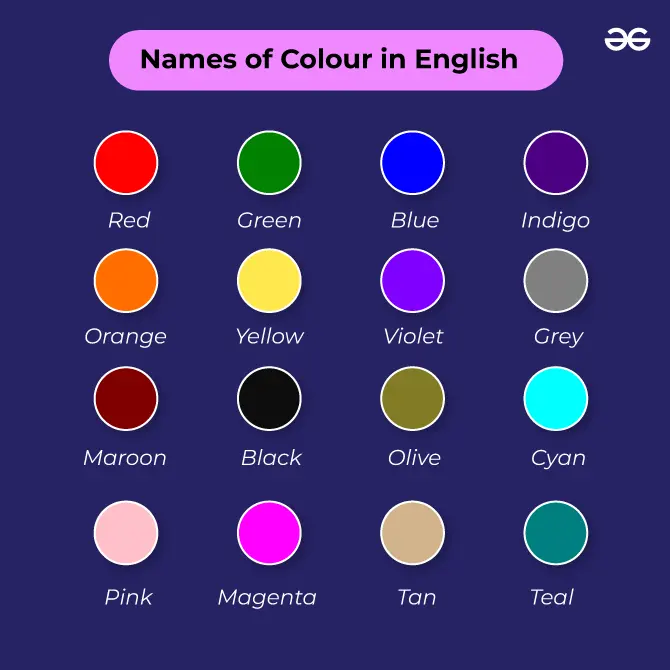
Colors are named through a combination of historical linguistic evolution, scientific categorization, and commercial branding…
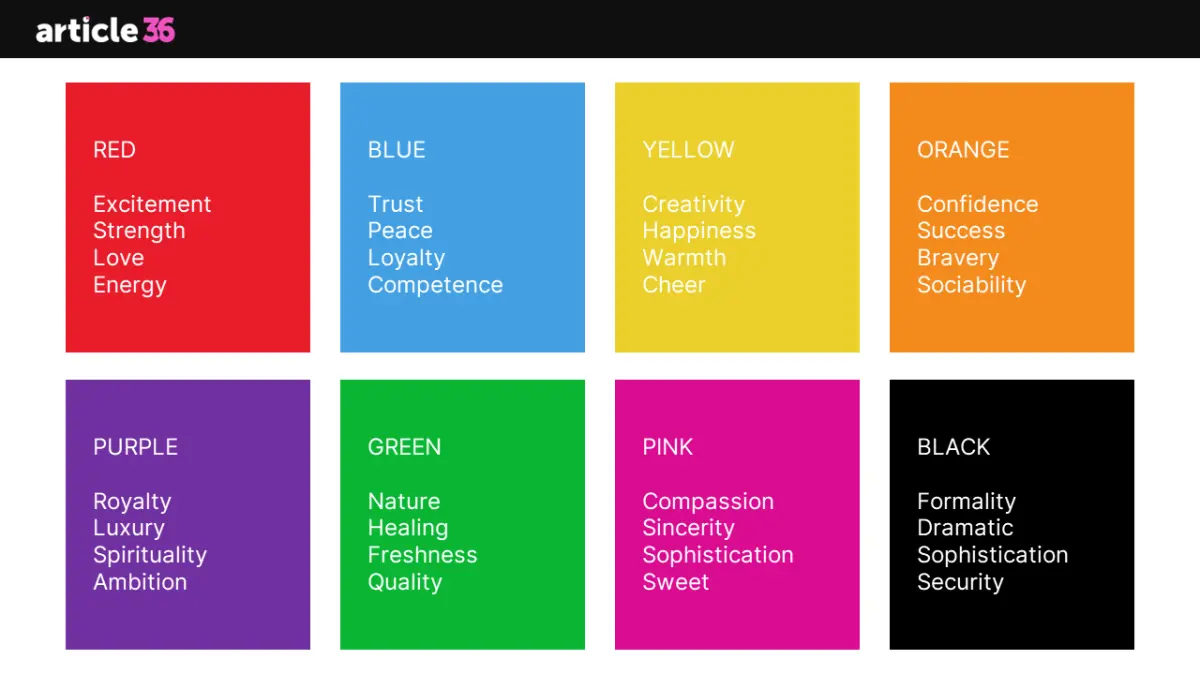
Certain colors promote calmness by triggering physiological responses linked to our evolutionary history. Cool tones like blue…
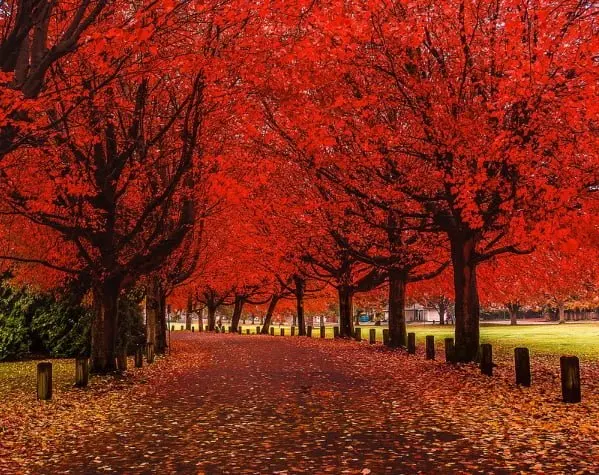
Leaf color change in Vancouver typically begins in late September and reaches its peak between mid-October and early November…
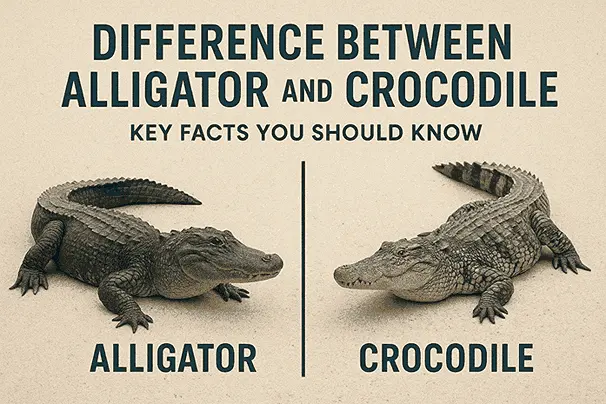
Crocodiles and alligators belong to different biological families and exhibit distinct physical traits. Alligators possess wide…
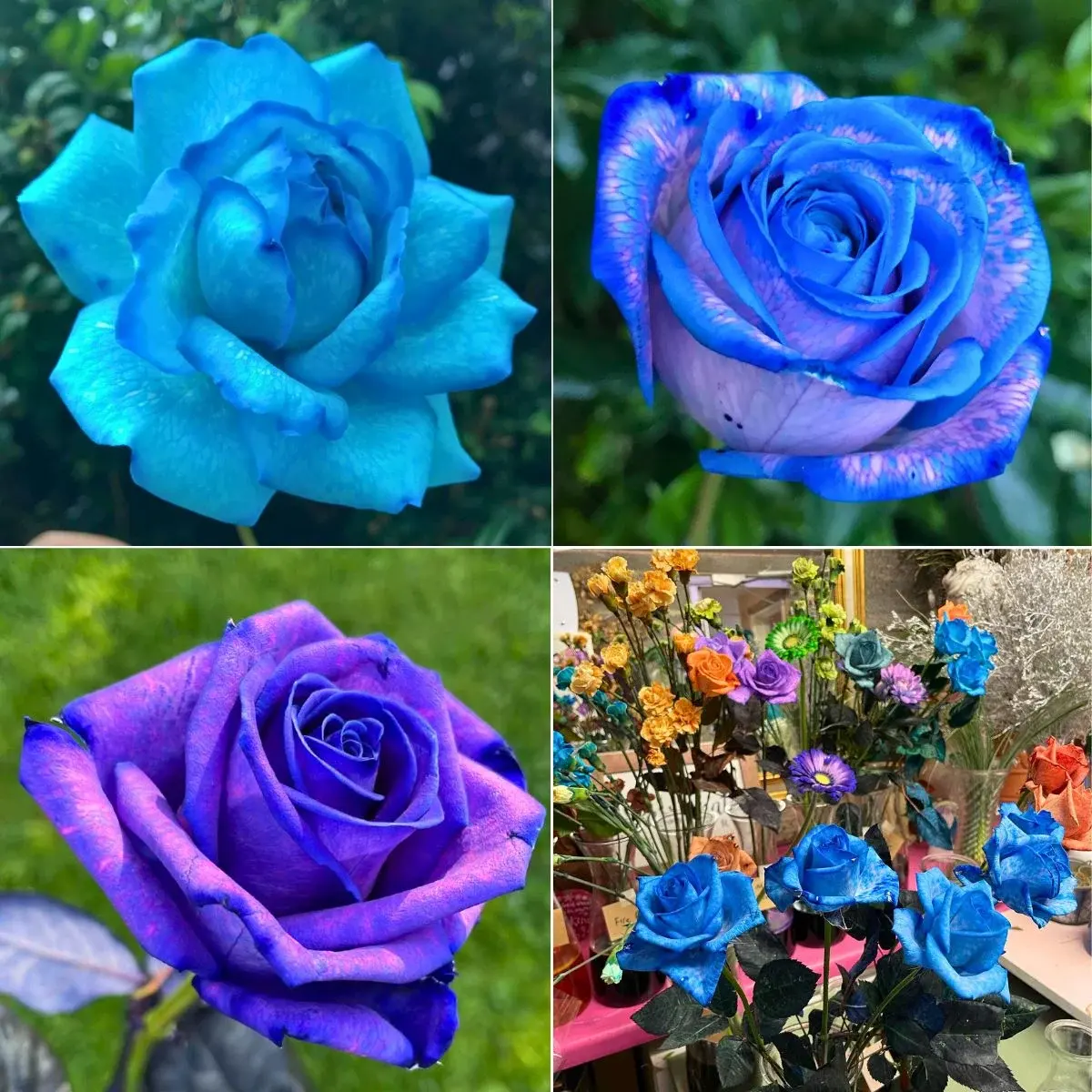
Blue roses do not exist in nature because roses lack the specific gene required to produce the delphinidin pigment needed for a…
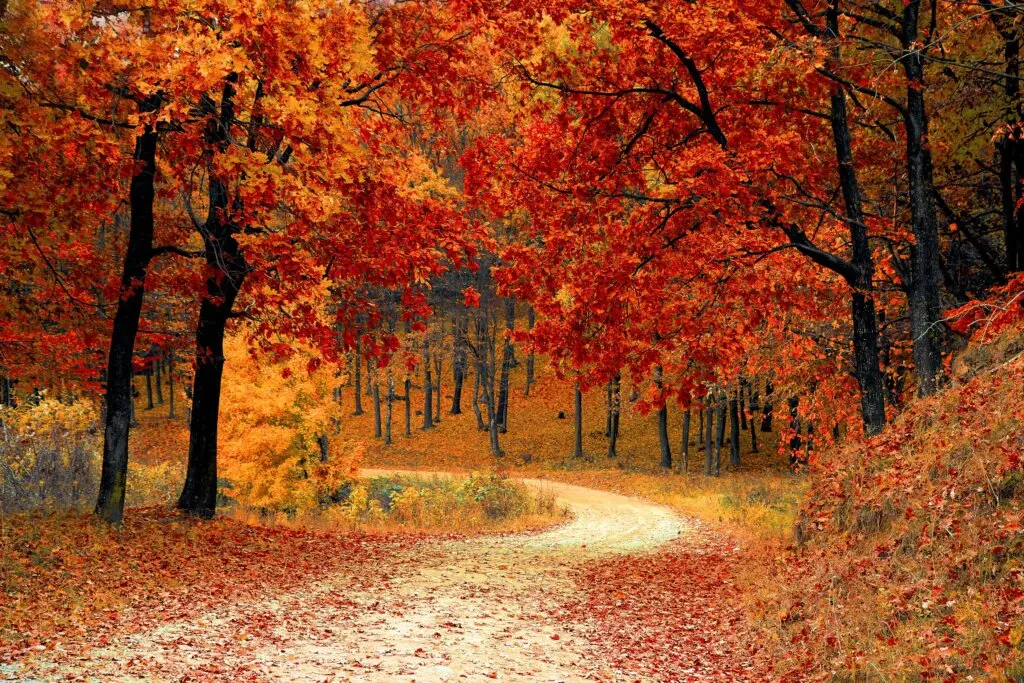
Leaves change color because trees prepare for winter by reducing chlorophyll production as daylight hours shorten and…
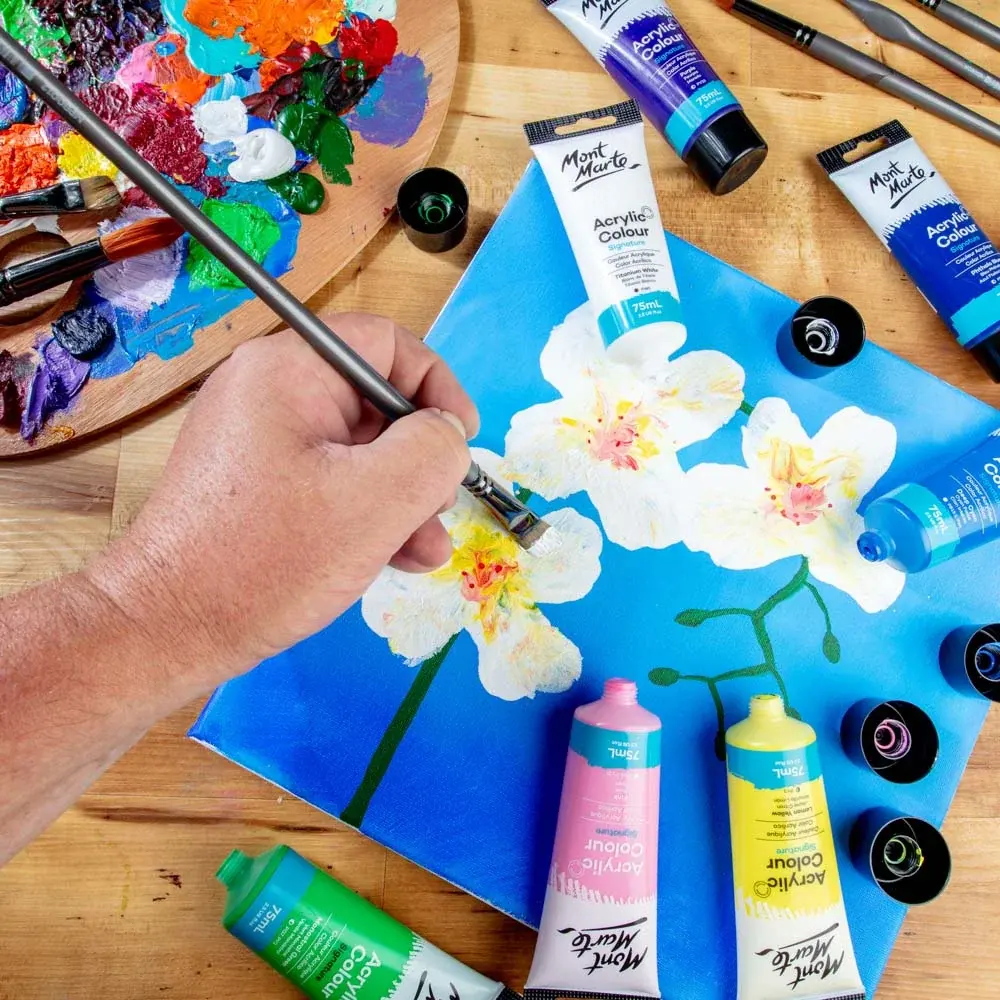
Paint is a mixture of four primary components: pigments for color, binders to hold the mixture together, solvents to control…
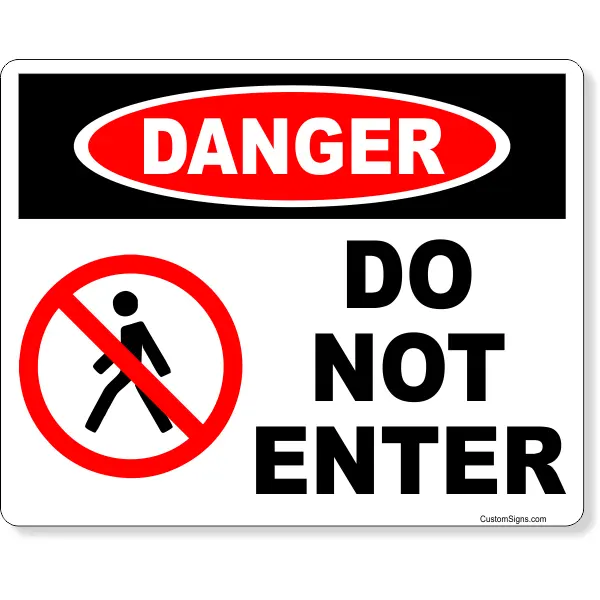
The association of red with danger stems from a combination of biological evolution and cultural conditioning. Humans evolved to…
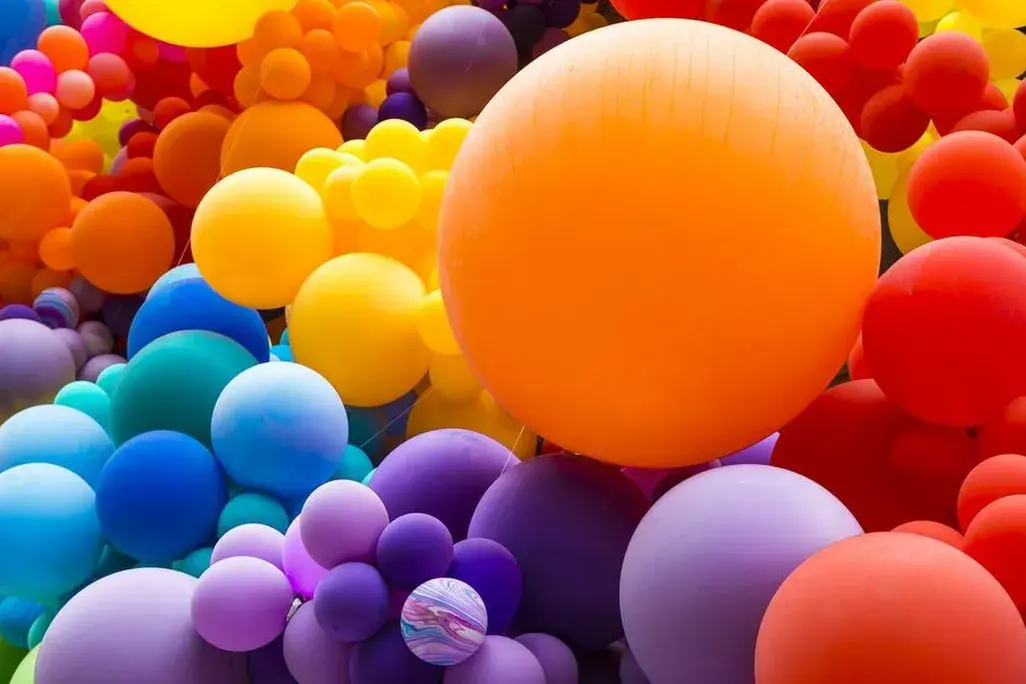
We see colors because the human eye detects specific wavelengths of visible light reflected off objects. Specialized cells in…
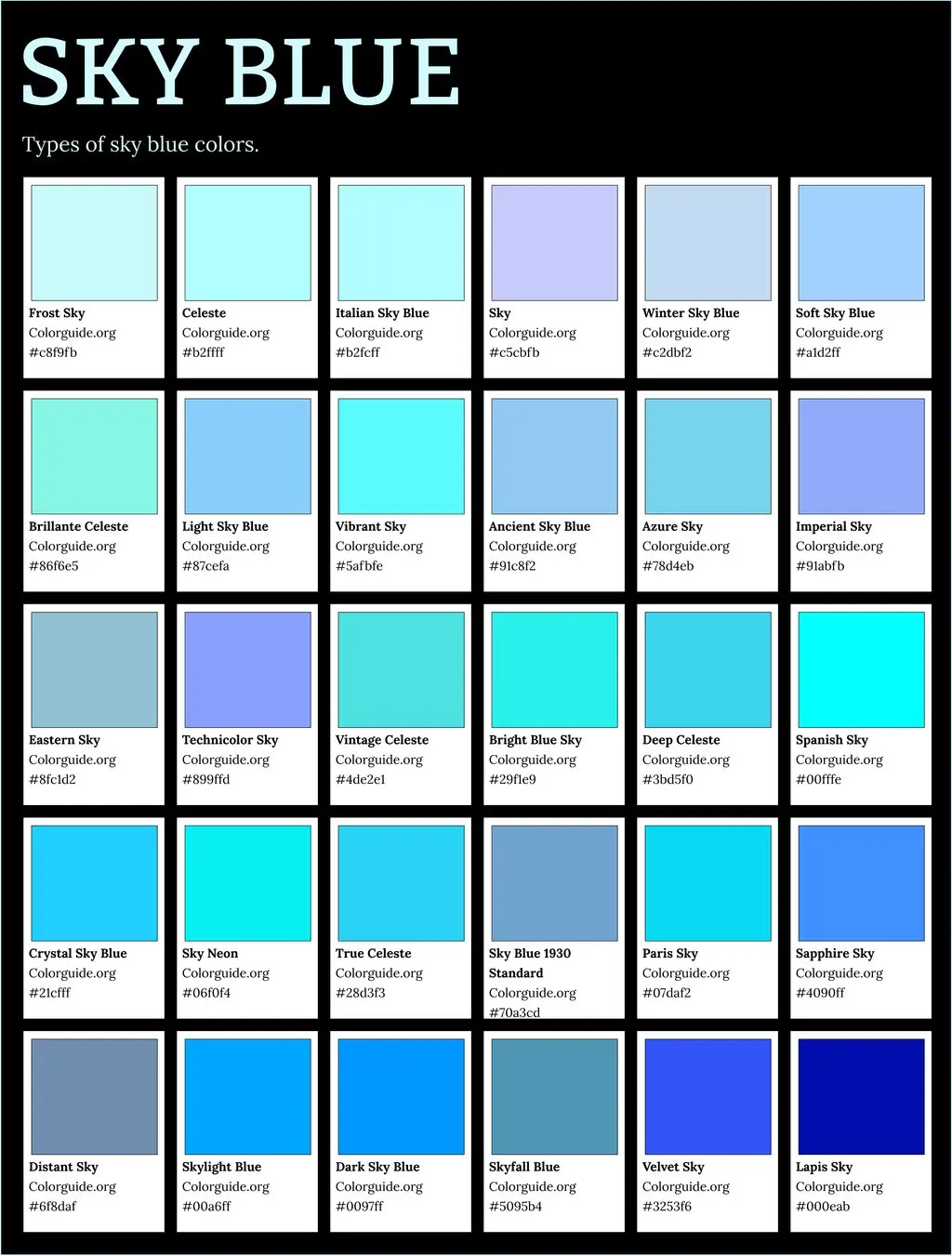
The sky appears blue because of Rayleigh scattering. As sunlight enters Earth’s atmosphere, it collides with gas molecules and…
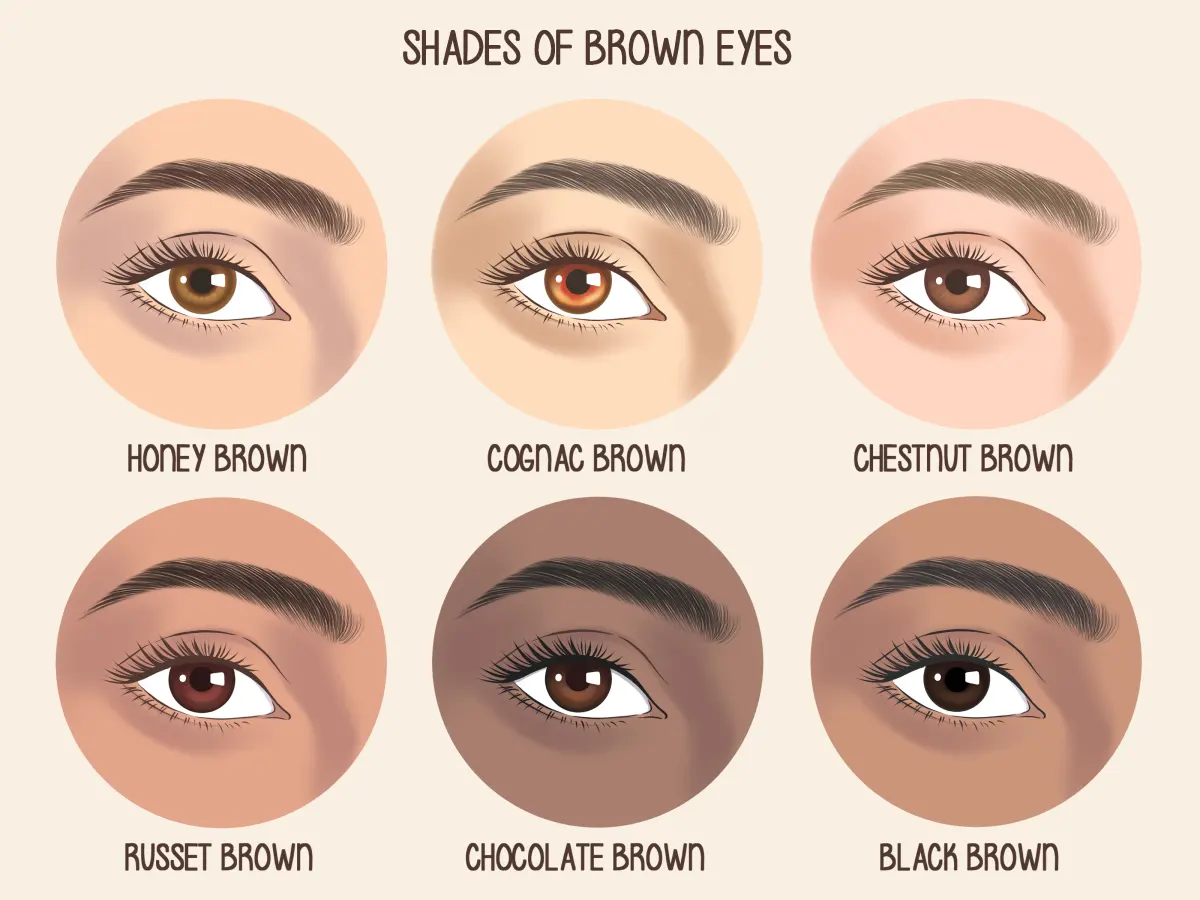
Eye color is determined by the amount and quality of melanin pigment in the iris stroma. Genetic inheritance from parents…