How do you start painting as a hobby?
Short answer
Starting to paint as a hobby involves selecting a medium, gathering essential supplies, and practicing fundamental techniques. Begin with accessible materials like acrylics or watercolors to learn color mixing and brush control. Consistent, low-pressure sessions allow you to develop your artistic voice while enjoying the creative process without the burden of perfection.
On this page
Best painting supplies for beginners
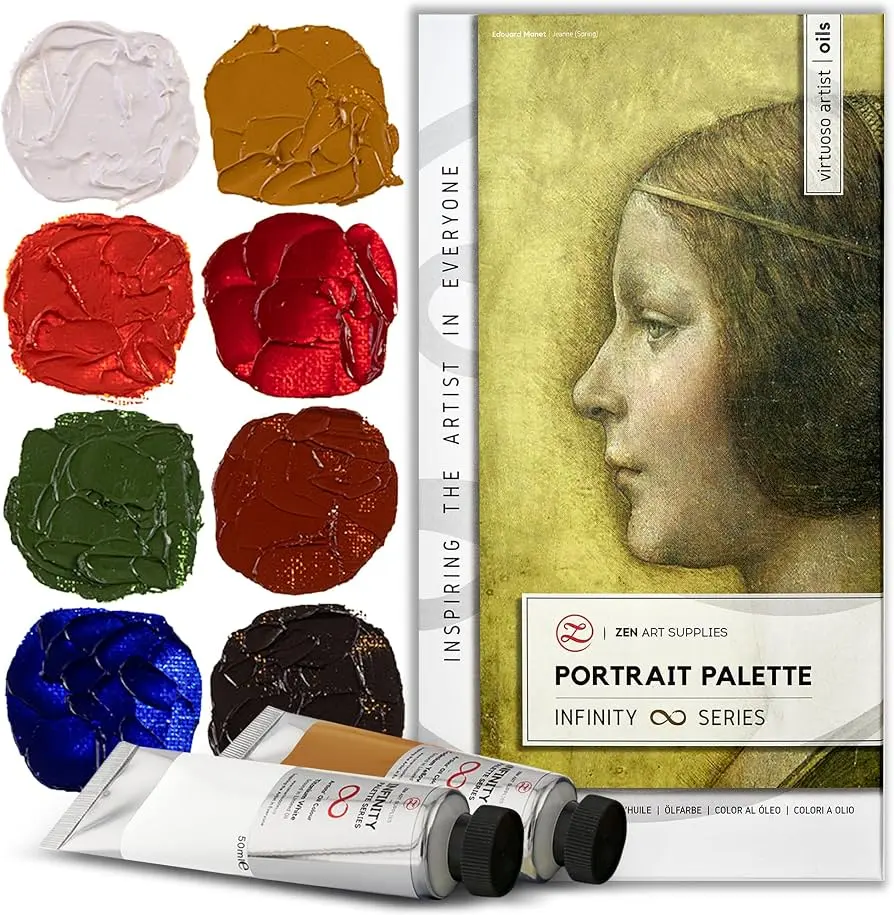
Choosing the right materials is the first step toward a successful painting practice. For those just starting, acrylic paints are highly recommended because they are water-soluble, quick-drying, and easy to clean up with soap and water. If you prefer a more fluid and transparent aesthetic, watercolor sets are excellent, though they require specific paper that can handle moisture without warping. Oil paints are traditional and rich but require solvents like turpentine or mineral spirits for cleaning and thinning, which can be hazardous in poorly ventilated spaces.
To build your initial kit, focus on quality over quantity. You do not need a vast array of colors; a basic palette of primary colors—red, blue, yellow—plus white and black allows you to mix almost any shade imaginable. Invest in a few synthetic brushes of varying shapes, such as a flat brush for backgrounds and a round brush for details. Using high-quality brushes is more important than using expensive paint, as cheap bristles shed and make application frustrating.
- A set of student-grade acrylic or watercolor paints.
- Three brushes: a large flat, a medium filbert, and a small round.
- A palette for mixing colors.
- Heavyweight paper or a pre-primed canvas board.
- A jar for water and a rag for cleaning brushes.
How to learn painting techniques
Learning to paint is a journey of understanding how light, shadow, and color interact on a surface. Start by practicing basic brushstrokes to see how much paint each brush holds and how the texture changes depending on the pressure you apply. Experiment with "thinning" your paint with water to create washes, or using it straight from the tube for thick, sculptural marks known as impasto. These early exercises help you gain confidence before you attempt a complex composition.
Color theory is another essential pillar of painting. Learn how to create secondary colors by mixing your primaries, and explore how adding white creates tints while adding black creates shades. You can also practice "value studies," which involve painting a subject using only shades of gray to understand how light creates form. Once you grasp these concepts, you can apply them to any subject, whether it is a simple bowl of fruit, a landscape, or an abstract pattern.
- Practice color mixing charts to see how different pigments interact.
- Try painting the same subject at different times of day to observe light changes.
- Study the "rule of thirds" to learn how to position your subject for visual balance.
- Keep a sketchbook to jot down color combinations or small thumbnail sketches.
How long does it take to learn to paint
The time it takes to become proficient at painting varies significantly based on your goals and the frequency of your practice. Most beginners can produce a recognizable, satisfying piece within their first few sessions if they follow simple tutorials. However, developing a personal style and mastering complex techniques like blending or glazing often takes months or even years of consistent effort. The key is to view painting as a long-term hobby rather than a race to mastery.
Consistency is far more effective than intensity. Spending thirty minutes painting three times a week will yield better results than a single five-hour marathon once a month. This regular exposure helps your brain and hands develop "muscle memory," making the process of mixing colors and applying paint feel more intuitive over time. As you progress, you will likely find that your speed increases and your ability to correct mistakes becomes second nature.
- Weeks 1–4: Focus on brush control and basic color mixing.
- Months 2–6: Experiment with different subjects and styles to find your preference.
- Year 1+: Begin refining your technique and developing a cohesive body of work.
Common mistakes when starting to paint
One of the most frequent errors beginners make is using poor-quality surfaces, such as thin printer paper that ripples or low-grade canvases that absorb too much paint. Using the right substrate ensures that your paint sits correctly and your work remains durable. Another common pitfall is over-blending, which often results in "muddy" colors. When you mix colors too much on the canvas, they lose their vibrancy and turn a dull, brownish gray.
Another mistake is the fear of making a "bad" painting. Many new artists feel discouraged if their first attempts do not look like professional masterpieces. Remember that every artist, regardless of skill level, produces work that does not meet their own expectations. View these paintings as learning opportunities rather than failures. By analyzing what did not work—perhaps the proportions were off or the colors were too dark—you gain valuable insight that improves your next project.
- Avoid using too much water with acrylics, as this breaks down the binder.
- Do not forget to clean your brushes immediately after each session.
- Avoid comparing your early work to the finished pieces of long-term professionals.
- Do not crowd your canvas; leave some space for the eye to rest.
Why painting is a good hobby
Painting offers significant mental and emotional benefits, serving as a form of active meditation. When you focus on the movement of the brush and the blending of pigments, your mind shifts away from daily stressors and enters a state of "flow." This psychological state is characterized by deep concentration and a sense of timelessness, which can reduce anxiety and improve overall mood. It is a productive way to disconnect from digital screens and engage with the physical world.
Beyond the mental health benefits, painting encourages you to see the world differently. You will start to notice the subtle colors in shadows, the way light reflects off surfaces, and the intricate textures of natural objects. This heightened observation skills carry over into other areas of life, fostering a greater appreciation for detail and beauty. Whether you paint for relaxation or to express complex emotions, it remains one of the most rewarding and accessible creative outlets available today.
Key facts
- Acrylic paint is the best medium for beginners because it is water-soluble, dries quickly, and cleans up with soap and water.
- Start with a limited palette of primary colors—red, blue, yellow—plus white and black to learn color mixing fundamentals.
- Invest in a few high-quality brushes, such as a medium-sized round brush and a flat brush, rather than cheap variety packs.
- Use heavy-weight paper or pre-primed canvas boards to prevent your painting surface from warping or buckling when wet.
- Proper lighting is essential; position your workspace near a window for natural light or use a daylight-balanced LED lamp.
- Clean your brushes immediately after each session to prevent paint from hardening in the bristles, which ruins the tools.
The bottom line
Starting a painting hobby is an accessible pursuit that requires only a few basic supplies and a willingness to experiment. By focusing on primary colors and simple subjects, you can build foundational skills without feeling overwhelmed. Consistency is the most important factor, so aim for short, regular practice sessions. Remember that every artist begins with mistakes, which are essential steps toward finding your unique creative voice.
People also ask
Should I learn to draw before I start painting?
While drawing skills help with composition and perspective, they are not strictly required for painting. Many beginners find it helpful to practice basic sketching to map out shapes before applying color to the canvas.
How much space do I need to paint at home?
You do not need a dedicated studio; a small corner of a table or a portable easel works perfectly. Ensure you have access to a water source and a flat surface that can be covered with a drop cloth.
Is oil painting better for beginners than acrylics?
Oil paints offer longer working times for blending, but they require solvents like turpentine for cleanup and ventilation. Acrylics are generally safer and more convenient for home environments where ventilation may be limited.
How do I choose the right subject for my first painting?
Start with simple, stationary objects like fruit, a single flower, or a basic landscape. Avoid complex portraits or detailed cityscapes until you have mastered basic brush control and color theory.
How long does it take for a painting to dry?
Acrylic paints typically dry to the touch within 15 to 30 minutes. Oil paints can take several days or even weeks to dry completely, depending on the thickness of the application.
Do I need to buy expensive professional-grade supplies?
Student-grade supplies are perfectly adequate for learning the basics of color mixing and technique. As you progress and develop your personal style, you can gradually invest in professional-grade pigments and specialized tools.
This answer was created with the help of AI research tools and reference sources. Spotted an error? Let us know — we correct mistakes quickly. See our editorial policy.