What are the benefits of coloring for adults?
Short answer
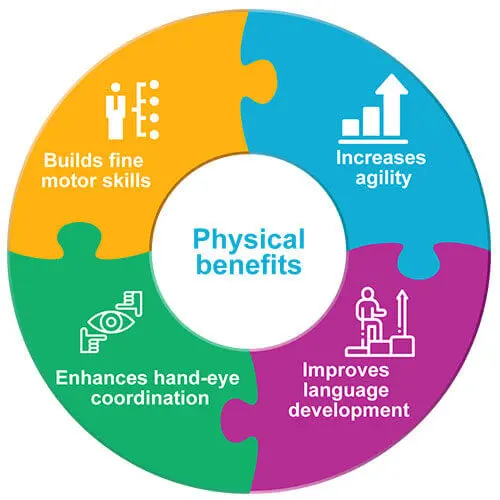
Coloring provides adults with a structured way to reduce stress, improve focus, and practice mindfulness. By engaging in this repetitive, creative task, individuals can lower cortisol levels and enter a meditative state. It serves as a low-pressure hobby that enhances fine motor skills and encourages emotional regulation through artistic self-expression.
On this page
Why do adults color for stress relief?
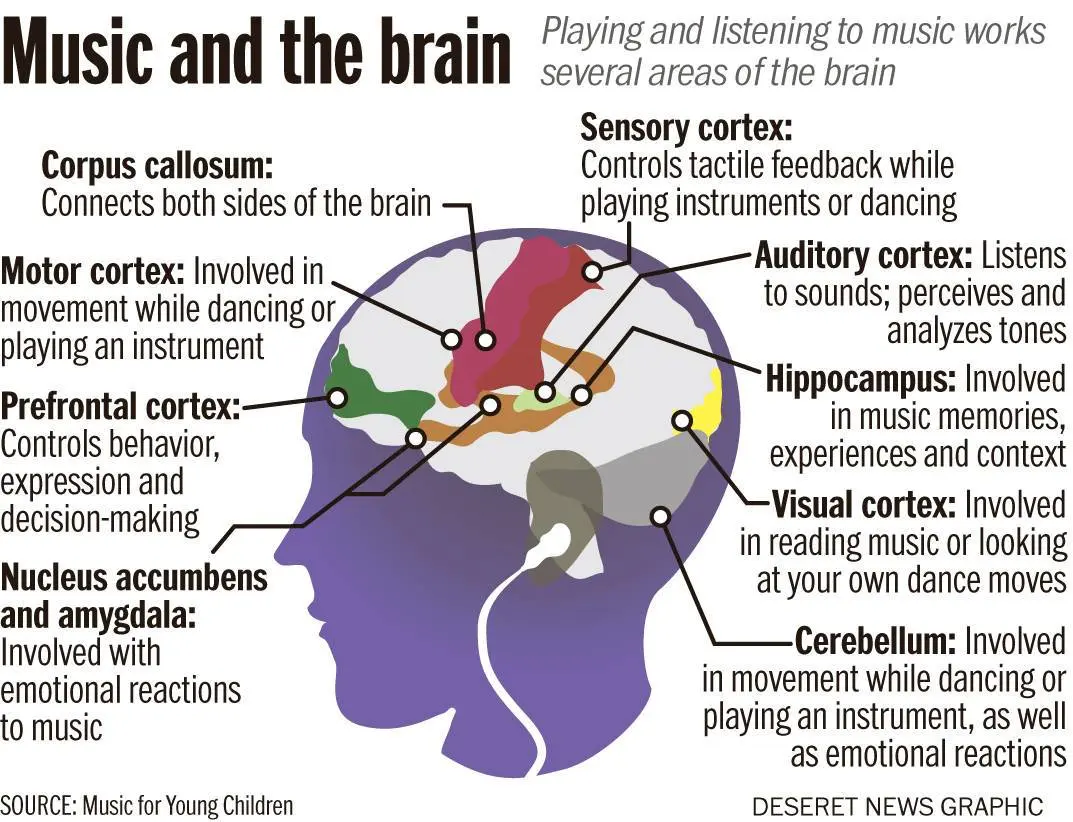
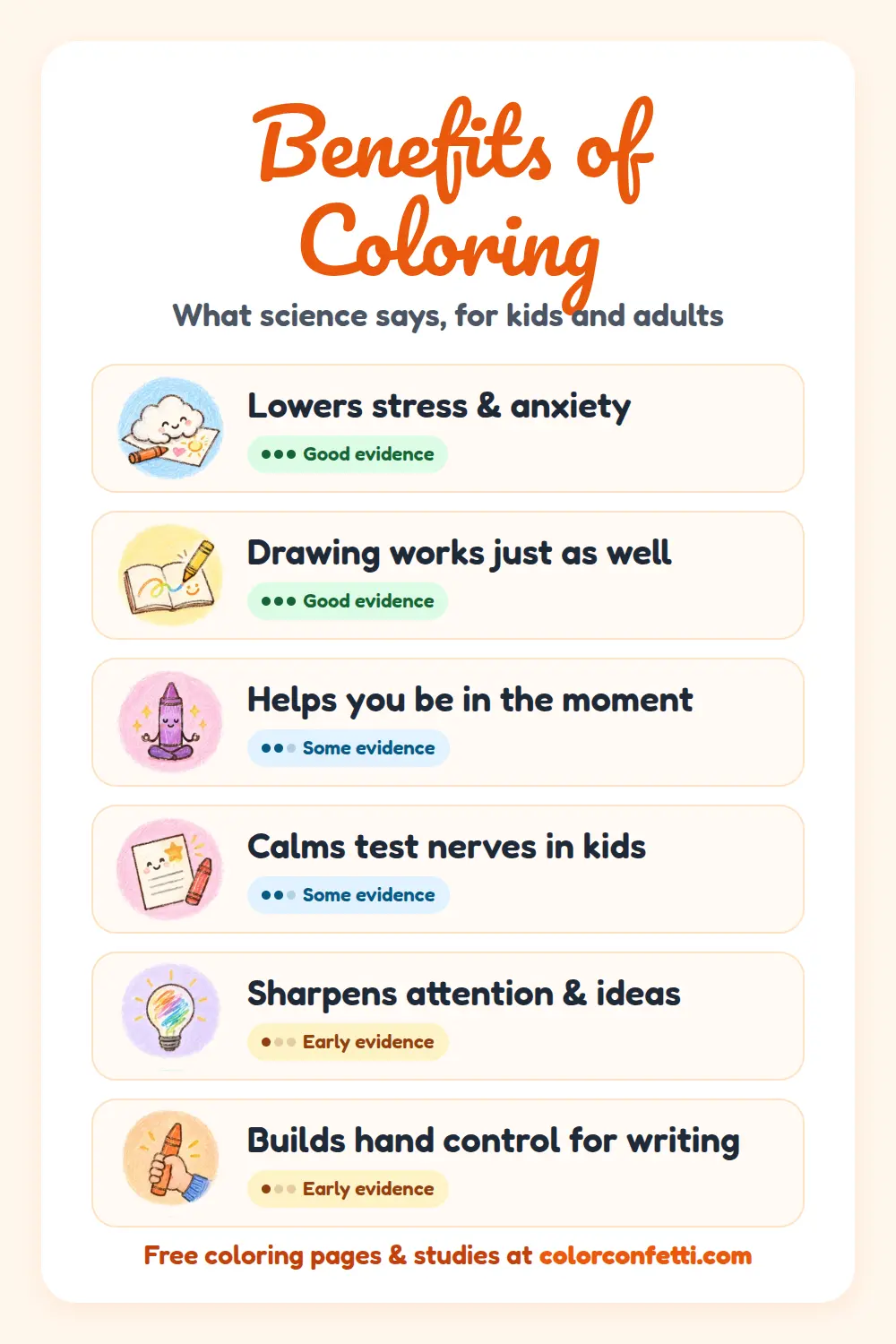
Coloring acts as a form of art therapy that helps regulate the nervous system. When you focus on filling in intricate patterns, your brain shifts away from ruminating on daily stressors and enters a state of "flow." This psychological state is characterized by complete immersion in an activity, which effectively quiets the amygdala—the part of the brain responsible for the fight-or-flight response. Clinical studies have shown that engaging in repetitive, creative tasks can significantly decrease heart rate and blood pressure within as little as 20 minutes.
Beyond physiological changes, coloring provides a sense of control and accomplishment. In a world where many tasks remain unfinished or complex, completing a single page offers a tangible result. This simple act of creation releases dopamine, the brain's "feel-good" neurotransmitter, which reinforces the habit and boosts overall mood. It is not about artistic talent or producing a masterpiece, but rather about the rhythmic motion of the hand and the deliberate choice of color.
How to start coloring as a beginner
Getting started with adult coloring requires minimal investment and preparation. You do not need formal training or expensive equipment to reap the benefits of this practice. To begin, focus on finding a quiet space where you can sit comfortably for at least 15 minutes without interruption. Natural lighting is ideal, as it helps you distinguish between subtle shades and prevents eye strain during longer sessions.
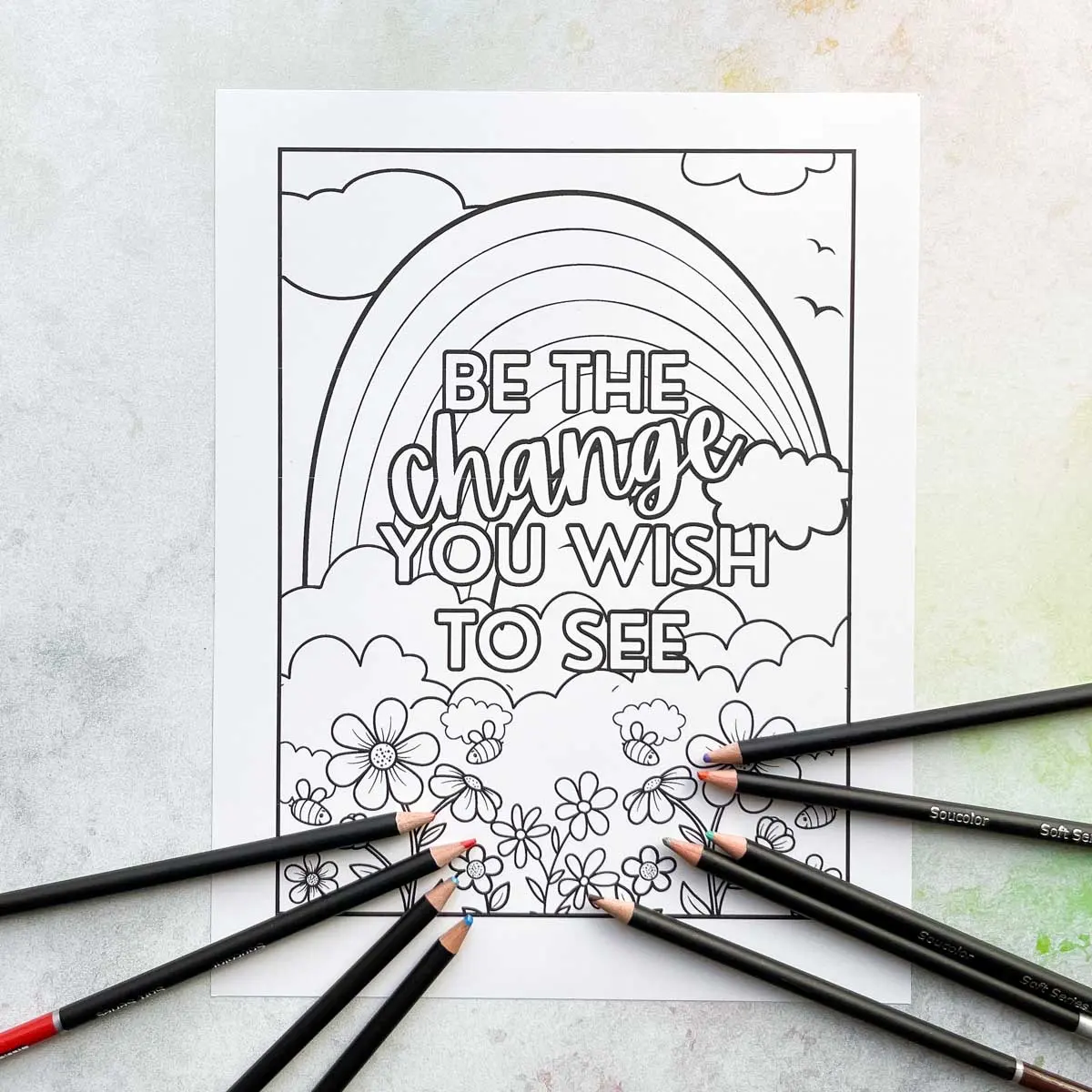
- Purchase a coloring book with patterns that appeal to your personal aesthetic, such as geometric shapes, floral designs, or mandalas.
- Select a set of high-quality colored pencils or fine-tip markers that feel comfortable in your hand.
- Establish a routine by setting aside a specific time each day, such as during your morning coffee or before bed.
- Start with smaller, less intricate pages to build confidence before moving on to complex, multi-page illustrations.
Best tools for adult coloring
Choosing the right materials can significantly enhance your experience and the quality of your finished work. Colored pencils are the most popular choice because they allow for layering, blending, and shading, which adds depth to the image. Wax-based pencils tend to be softer and easier to blend, while oil-based pencils offer more precision and less breakage. If you prefer bold, vibrant colors, water-based markers are an excellent option, though you should ensure your paper is thick enough to prevent bleeding.
- Colored pencils: Best for shading, blending, and fine detail work.
- Gel pens: Ideal for adding metallic accents or filling in very small, tight spaces.
- Alcohol markers: Provide smooth, streak-free coverage but require thick, bleed-resistant paper.
- Pencil sharpeners: A high-quality handheld sharpener is essential for maintaining a precise point.
- Erasers: A kneaded eraser is useful for lifting pigment without damaging the paper surface.
Common mistakes when coloring
Many beginners feel discouraged because they approach coloring with a "perfectionist" mindset. A common mistake is worrying about color theory or whether the final result looks professional. Remember that the primary goal is relaxation, not artistic perfection. If you find yourself becoming frustrated by a color choice or a stray mark, try to reframe that feeling. Viewing the process as an experiment rather than a performance will help you maintain a positive outlook and stay engaged with the practice.
Another frequent error is neglecting physical comfort during long sessions. Slouching over a desk can lead to neck and shoulder tension, which negates the stress-relieving benefits of the activity. Ensure your chair provides adequate lumbar support and keep your coloring surface at an appropriate height. If you notice your grip becoming too tight, take a break to stretch your fingers and wrists. Avoiding physical discomfort ensures that coloring remains a sustainable and enjoyable part of your daily self-care routine.
How long does it take to see benefits?
The mental health benefits of coloring are often felt almost immediately. Even a short session of 10 to 15 minutes can serve as a "brain break," helping to reset your focus and lower your stress levels after a challenging day. Consistency is more important than duration; practicing for a few minutes every day is generally more effective for long-term stress management than a single, multi-hour session once a week. Over time, this daily ritual can help improve your attention span and patience.
As you continue the practice, you may notice that your ability to enter a meditative state improves. What once took 20 minutes to achieve may eventually happen within just a few minutes of picking up a pencil. This efficiency makes coloring a practical tool for managing acute stress in the moment, such as before a difficult meeting or after a high-pressure event. By making coloring a regular habit, you provide your mind with a reliable, accessible sanctuary that promotes emotional balance and cognitive clarity throughout your week.
Key facts
- Coloring reduces cortisol levels, the primary hormone responsible for physiological stress in the human body.
- Engaging in repetitive, rhythmic coloring activates the brain’s amygdala, which helps regulate emotional responses.
- Studies suggest that coloring complex geometric patterns, such as mandalas, induces a meditative state similar to mindfulness.
- Use high-quality colored pencils or fine-tip markers to prevent page bleed-through and ensure a smoother application of color.
- Avoid over-planning your color palette; allow your intuition to guide your choices to maximize the psychological benefits.
- Dedicate at least 15 to 20 minutes per session to allow your mind sufficient time to enter a "flow" state.
The bottom line
Adult coloring serves as a powerful, accessible tool for mental health, effectively lowering stress and enhancing mindfulness through rhythmic, focused activity. By engaging the brain in a non-judgmental creative process, individuals can detach from daily pressures and improve their emotional regulation. Whether you have fifteen minutes or an hour, incorporating this simple practice into your routine offers a practical, low-cost way to cultivate lasting inner calm.
People also ask
Do I need to be an artist to benefit from adult coloring?
No artistic skill is required to experience the therapeutic benefits of coloring. The primary goal is the process of focusing on the present moment rather than creating a masterpiece.
Are there specific types of books that work best for stress relief?
Books featuring mandalas, intricate floral patterns, or repeating geometric designs are often recommended. These structured images provide a clear path for the eye to follow, which helps quiet a restless mind.
How is coloring different from traditional meditation?
Coloring is a form of active meditation that provides a physical focal point for those who struggle with sitting in silence. It keeps the hands busy, which can prevent the mind from wandering during the relaxation process.
Can coloring help improve concentration?
Yes, the act of coloring within defined lines requires sustained attention and fine motor coordination. This practice can sharpen focus and improve cognitive endurance over time.
Is it better to color alone or in a group?
Both methods have merits; coloring alone provides solitude and introspection, while group coloring sessions foster social connection. Choose the environment that best meets your emotional needs at the time.
What are the most common mistakes beginners make?
Beginners often try to finish an entire page in one sitting or worry too much about color theory. Treat the experience as an open-ended activity rather than a task to be completed.
This answer was created with the help of AI research tools and reference sources. Spotted an error? Let us know — we correct mistakes quickly. See our editorial policy.