How many babies do raccoons have?
Short answer
Raccoons typically produce a single litter per year, usually consisting of three to five kits. While litter sizes can occasionally range from one to seven, four is the most common number. These offspring, known as kits, are born in the spring after a gestation period lasting approximately 63 to 65 days.

On this page
How many babies do raccoons have?
Raccoons are seasonal breeders, with the mating season generally occurring between January and March. Following a gestation period of about two months, the female gives birth to her litter in a secluded den, such as a hollow tree, a rock crevice, or occasionally an attic. The average litter size is three to five kits, though environmental factors and the age of the mother can influence these numbers.
A female raccoon, known as a sow, is solely responsible for raising her young. She provides all the care, protection, and nourishment required during the early stages of development. Because the mother invests significant energy into this process, she typically produces only one litter annually. If a litter is lost early in the season, however, some females may enter estrus again and produce a second, smaller litter later in the summer.
How long do kits stay with their mother?
Kits are born blind and helpless, weighing only about two to three ounces. They begin to open their eyes at approximately three weeks of age and start exploring the area around the den shortly thereafter. By the time they are eight to ten weeks old, they are mobile enough to accompany their mother on foraging trips, learning essential survival skills such as identifying food sources and navigating their territory.
Independence for young raccoons is a gradual process that typically concludes in the autumn or winter. Most kits remain with their mother through their first winter, which provides them with the warmth and guidance needed to survive their first cold season. By the following spring, when the mother prepares to breed again, the yearlings are fully capable of establishing their own territories and living independently.
- Birth: Kits are born blind and rely entirely on the mother for warmth and milk.
- Weaning: Around 10 to 12 weeks, kits begin transitioning to solid foods like insects and fruits.
- Exploration: By late summer, kits actively forage alongside the mother to learn hunting techniques.
- Independence: Most young raccoons separate from the mother by the following spring.
Where do raccoons raise their young?
Raccoons are highly adaptable animals that utilize various structures for denning. In natural environments, they prefer hollow trees, abandoned burrows, or rocky ledges that provide protection from predators and the elements. These locations are chosen for their safety and proximity to reliable water sources, which are critical for a nursing mother who needs to maintain her hydration and energy levels.
In urban and suburban settings, raccoons often take advantage of human-made structures. Attics, chimneys, crawl spaces, and under-deck areas are common nesting sites because they are warm and secure from larger predators like coyotes or bobcats. While these spots are convenient for the mother, they often lead to human-wildlife conflicts. Homeowners may notice scratching noises or vocalizations, such as chirping or chattering, indicating that a family of raccoons has taken up residence.
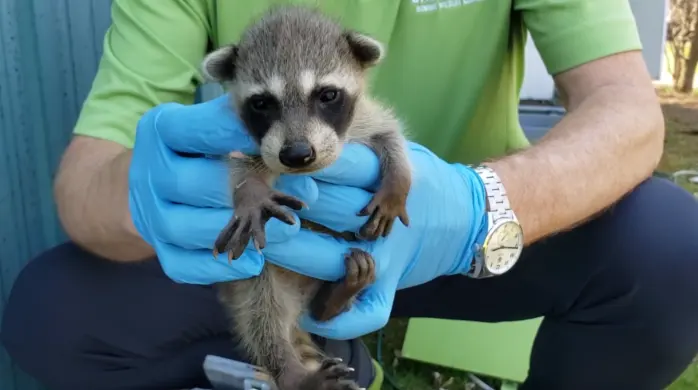
Common mistakes when dealing with raccoon dens
A significant error people make is attempting to trap or relocate a mother raccoon without considering that she likely has dependent kits nearby. If a mother is removed, the kits will be left behind to starve or die of exposure. Furthermore, sealing off an entry point while a mother is out foraging effectively traps the kits inside, creating a sanitary and ethical crisis for the homeowner.
Another mistake is using ineffective deterrents, such as mothballs or ultrasonic devices, which rarely force a mother to move her litter. Raccoons are intelligent and persistent animals that quickly learn to ignore these mild annoyances. Instead of immediate removal, experts recommend waiting until the kits are old enough to leave the den on their own. If intervention is necessary, it is vital to consult a professional wildlife control service that specializes in humane eviction and exclusion techniques.
- Do not use poisons, as they are inhumane and can lead to dead animals in inaccessible areas.
- Avoid sealing entry points during the spring months, as this is the peak time for nursery dens.
- Do not attempt to handle kits personally, as they can carry parasites or transmit diseases like rabies.
- Refrain from feeding raccoons, as this encourages them to remain near human dwellings.
Why do raccoons choose urban areas?
Raccoons are opportunistic omnivores that thrive in environments where food is abundant and easily accessible. Urban landscapes provide a constant supply of calories through unsecured trash cans, pet food left outdoors, and bird feeders. This high-density food availability allows mothers to raise larger, healthier litters compared to those in the wild, where foraging requires significantly more travel and energy expenditure.
The structural complexity of cities also offers a higher density of potential den sites compared to fragmented natural forests. By utilizing chimneys and attics, raccoons minimize the time spent searching for shelter, allowing them to focus more energy on reproduction and kit development. This behavioral plasticity is why raccoon populations remain robust in human-dominated landscapes, as they have successfully integrated their life cycles with the resources provided by human infrastructure.
Key facts
- Raccoons typically produce one litter per year, usually consisting of three to five kits.
- The gestation period for a female raccoon lasts approximately 63 to 65 days.
- Kits are born blind and deaf, relying entirely on their mother for survival during the first few weeks.
- Breeding season generally occurs between January and March, with births peaking in late spring.
- If you find a lone kit, observe it from a distance for 24 hours before assuming it is orphaned.
- Avoid feeding wild raccoons, as this encourages them to lose their natural fear of humans and creates dependency.
The bottom line
Raccoons are seasonal breeders that typically raise a single litter of three to five kits each spring. These young animals are highly dependent on their mothers for several months before venturing out on their own. If you encounter a kit, prioritize safety by keeping your distance. Always consult a professional wildlife rehabilitator before intervening, as most "orphaned" kits are simply waiting for their mother to return.
People also ask
At what age do raccoon kits leave their mother
Kits typically begin foraging with their mother at around 8 to 10 weeks of age. They usually remain with her throughout their first winter and disperse the following spring.
How long do raccoon kits stay in the den?
Young raccoons remain inside the den for the first six to seven weeks of their lives. During this time, the mother provides constant care and protection from predators.
Do male raccoons help raise the young?
No, male raccoons play no role in the rearing of the kits. The female is solely responsible for feeding, protecting, and teaching her offspring how to survive.
What should I do if I find a baby raccoon in my yard?
Keep pets and children away from the area and monitor the kit from a distance. If it is not injured and the mother does not return after 24 hours, contact a licensed wildlife rehabilitator.
When do baby raccoons open their eyes?
Raccoon kits typically open their eyes between 18 and 24 days after birth. Their ears also begin to function and open around this same developmental window.
Can raccoons have more than one litter a year?
While rare, a female may produce a second litter if her first litter is lost early in the season. However, this is uncommon and depends heavily on food availability and local climate.
This answer was created with the help of AI research tools and reference sources. Spotted an error? Let us know — we correct mistakes quickly. See our editorial policy.