What is Poland known for?
Short answer
Poland is a Central European nation defined by its resilient history, medieval architecture, and vibrant cultural heritage. It is globally recognized for its contribution to classical music, hearty culinary traditions, and significant historical sites, including the reconstructed Old Towns of Warsaw and Kraków and the somber memorial at Auschwitz-Birkenau.
On this page
What are the most famous historical sites in Poland?
Poland’s historical landscape is shaped by its complex past, ranging from the grandeur of the Polish-Lithuanian Commonwealth to the devastation of the 20th century. Warsaw, the capital, is renowned for its Old Town, which was meticulously rebuilt after being nearly leveled during World War II. This massive reconstruction effort earned it a place on the UNESCO World Heritage list, serving as a testament to the nation’s determination to preserve its identity.
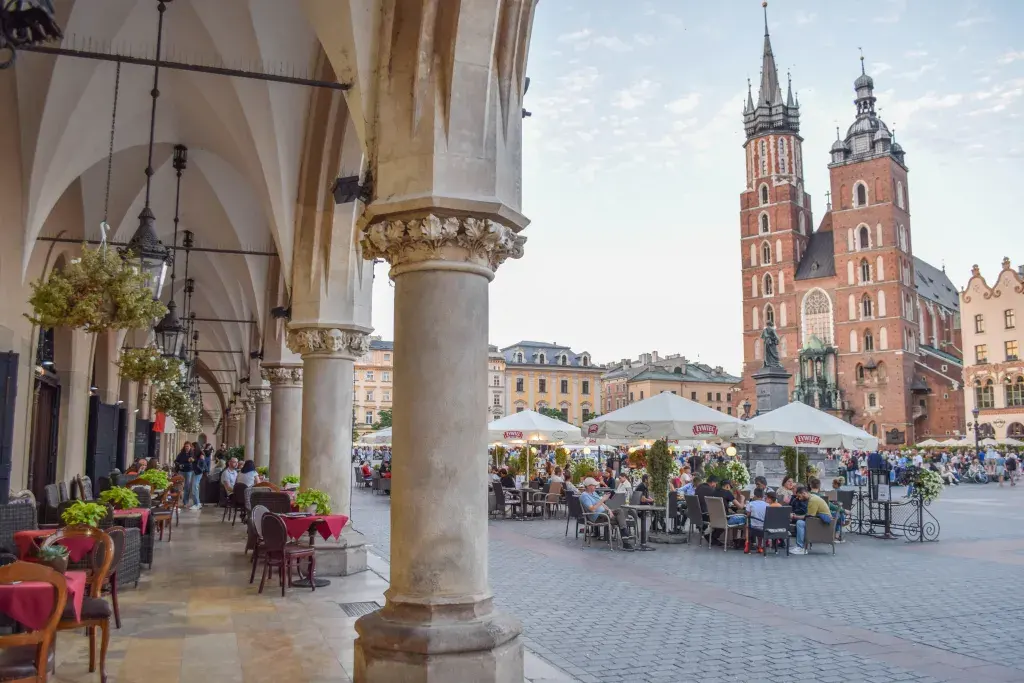
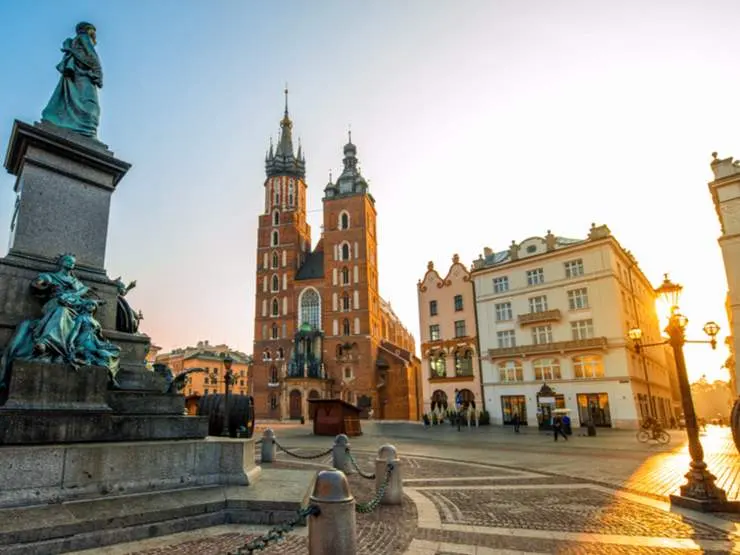
Kraków, the former royal capital, offers a different perspective with its well-preserved medieval core. Wawel Castle and the sprawling Main Market Square are essential stops for any visitor interested in European history. Beyond these cities, the country hosts the Auschwitz-Birkenau Memorial and Museum. This site remains a critical destination for those seeking to understand the Holocaust. When visiting these locations, consider the following:
- Allocate at least two full days for Kraków to cover the city center and the Wieliczka Salt Mine.
- Book tickets for the Auschwitz-Birkenau memorial several weeks in advance, as guided tours fill up rapidly.
- Wear comfortable walking shoes, as most historical districts are paved with uneven cobblestones.
How to experience traditional Polish food?
Polish cuisine is characterized by its comforting, hearty nature, often involving fermented ingredients and rich doughs. Pierogi, or filled dumplings, are the country's most iconic dish. They are typically stuffed with meat, sauerkraut and mushrooms, or a mixture of potato and cheese known as "ruskie." Another staple is bigos, often called hunter’s stew, which combines various meats with sauerkraut and fresh cabbage.
Dining in Poland is an affordable and social experience, particularly in "milk bars" or bar mleczny. These government-subsidized cafeterias originated during the communist era and continue to serve authentic, home-style meals at low prices. To get the most out of your culinary explorations, follow these steps:
- Seek out local markets for fresh oscypek, a smoked sheep milk cheese from the Tatra Mountains.
- Pair your meal with a glass of kompot, a traditional non-alcoholic beverage made from boiled seasonal fruits.
- Try żurek, a sour rye soup served inside a bread bowl, which is especially popular during the Easter season.
What is the best way to travel around Poland?
Poland features a highly efficient public transportation network that connects major urban centers with rural regions. The PKP Intercity train system is the most popular method for traveling between cities like Warsaw, Gdańsk, and Wrocław. High-speed Pendolino trains significantly reduce travel times, making it possible to cross the country in just a few hours.
For local transit, most cities rely on a combination of trams and buses. These are generally reliable and easy to navigate using mobile applications that provide real-time schedules. However, travelers should be aware of common mistakes:
- Do not forget to validate your paper ticket immediately upon boarding a bus or tram, as failing to do so can result in heavy fines.
- Avoid relying solely on taxis in major tourist hubs; use ride-sharing apps to ensure transparent pricing and avoid potential overcharging.
- Be mindful that train tickets are often cheaper when purchased online at least a week before the intended departure date.
Why is Polish culture famous for classical music?
Poland has a profound legacy in classical music, most notably through the life and work of Frédéric Chopin. Born in Żelazowa Wola, Chopin is celebrated as one of the greatest composers of the Romantic era. His piano compositions are deeply ingrained in the Polish national consciousness, and his influence is honored annually through the International Chopin Piano Competition held in Warsaw.
Beyond Chopin, Poland has produced numerous world-class composers and performers, including Henryk Górecki and Krzysztof Penderecki. The country’s commitment to music education is evident in its numerous concert halls and festivals. If you are interested in the classical scene, consider these suggestions:
- Attend a free Chopin concert in Warsaw’s Łazienki Park during the summer months.
- Visit the Fryderyk Chopin Museum in Warsaw to view original manuscripts and personal artifacts.
- Check the schedules of the National Philharmonic, which frequently hosts world-renowned orchestras and soloists throughout the year.
What are the most beautiful natural landscapes in Poland?
While many tourists focus on cities, Poland’s geography is remarkably diverse, stretching from the Baltic Sea in the north to the Carpathian Mountains in the south. The Tatra Mountains, located near the town of Zakopane, offer some of the most dramatic alpine scenery in Europe. These peaks are popular for hiking in the summer and skiing during the winter months.
In the north, the Masurian Lake District provides a tranquil escape for those interested in sailing and kayaking. This region consists of over 2,000 lakes connected by rivers and canals, surrounded by dense forests. When planning a trip to these natural areas, keep these tips in mind:
- Always check weather forecasts before heading into the Tatra Mountains, as conditions can change rapidly even in mid-summer.
- Respect local regulations in national parks, such as staying on marked trails to protect the fragile mountain ecosystem.
- Consider visiting the Słowiński National Park to see the shifting sand dunes, which are a unique geological feature of the Baltic coastline.
Key facts
- Poland is the world's largest producer of amber, with much of the supply sourced from the Baltic Sea coast.
- The Wieliczka Salt Mine, operating since the 13th century, features an underground cathedral carved entirely from salt.
- Nicolaus Copernicus, the astronomer who formulated the heliocentric model of the universe, was born in Toruń in 1473.
- Pierogi, the country’s most famous dish, are dumplings typically filled with meat, sauerkraut, mushrooms, or sweet cheese.
- When visiting, always remove your shoes when entering a Polish home, as it is considered a standard sign of respect.
- Avoid pointing at people or objects with your index finger, as this is widely considered rude and aggressive in Polish culture.
The bottom line
Poland is a nation with a deep, resilient history and a vibrant modern identity. From the medieval charm of Kraków’s Old Town to the scientific legacy of Copernicus, the country offers a rich blend of cultural heritage and natural beauty. Whether you are exploring historic salt mines or enjoying traditional cuisine, Poland provides an accessible, welcoming, and affordable experience for travelers seeking authentic European charm.
People also ask
Is Poland considered an affordable travel destination?
Yes, Poland remains one of the most budget-friendly countries in the European Union. Prices for dining, public transportation, and accommodation are generally lower than in Western European nations.
What is the best way to travel between major Polish cities?
The national rail network, PKP Intercity, is the most efficient way to travel between cities like Warsaw, Kraków, and Gdańsk. Booking tickets online in advance can often secure significant discounts.
What is the primary language spoken in Poland?
The official language is Polish, which is a West Slavic language. While English is widely spoken in tourist areas and by younger generations, learning a few basic phrases like "dziękuję" (thank you) is appreciated.
What are the most important holidays in Poland?
Christmas and Easter are the most significant cultural and religious holidays. Many businesses close during these times, and traditional family meals are central to the celebrations.
Do I need a visa to visit Poland?
Poland is part of the Schengen Area, meaning citizens from many countries, including the United States and Canada, can enter for up to 90 days for tourism without a visa. Always check current entry requirements based on your specific nationality before departure.
What is the weather like in Poland?
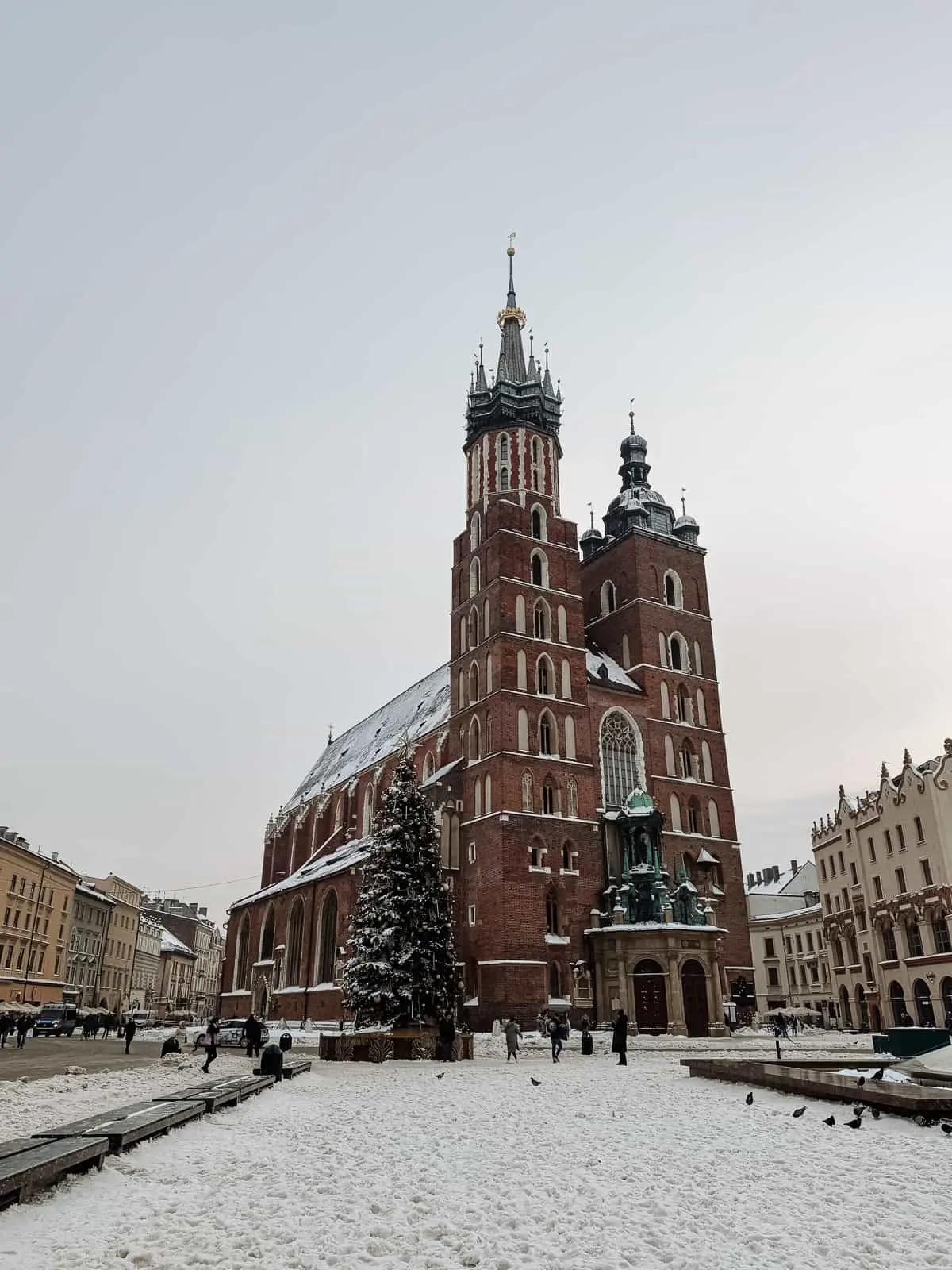
Poland experiences a temperate climate with four distinct seasons. Winters can be cold and snowy, while summers are generally mild and pleasant, making them the most popular time for outdoor sightseeing.
This answer was created with the help of AI research tools and reference sources. Spotted an error? Let us know — we correct mistakes quickly. See our editorial policy.