What is Italy known for?
Short answer
Italy is globally renowned for its profound influence on Western civilization, particularly in art, architecture, and gastronomy. It holds the world record for the most UNESCO World Heritage sites, totaling 60 locations. Beyond its historical legacy, the nation is a powerhouse of luxury fashion, automotive engineering, and Mediterranean lifestyle culture.
On this page
Why is Italy famous for art and history?
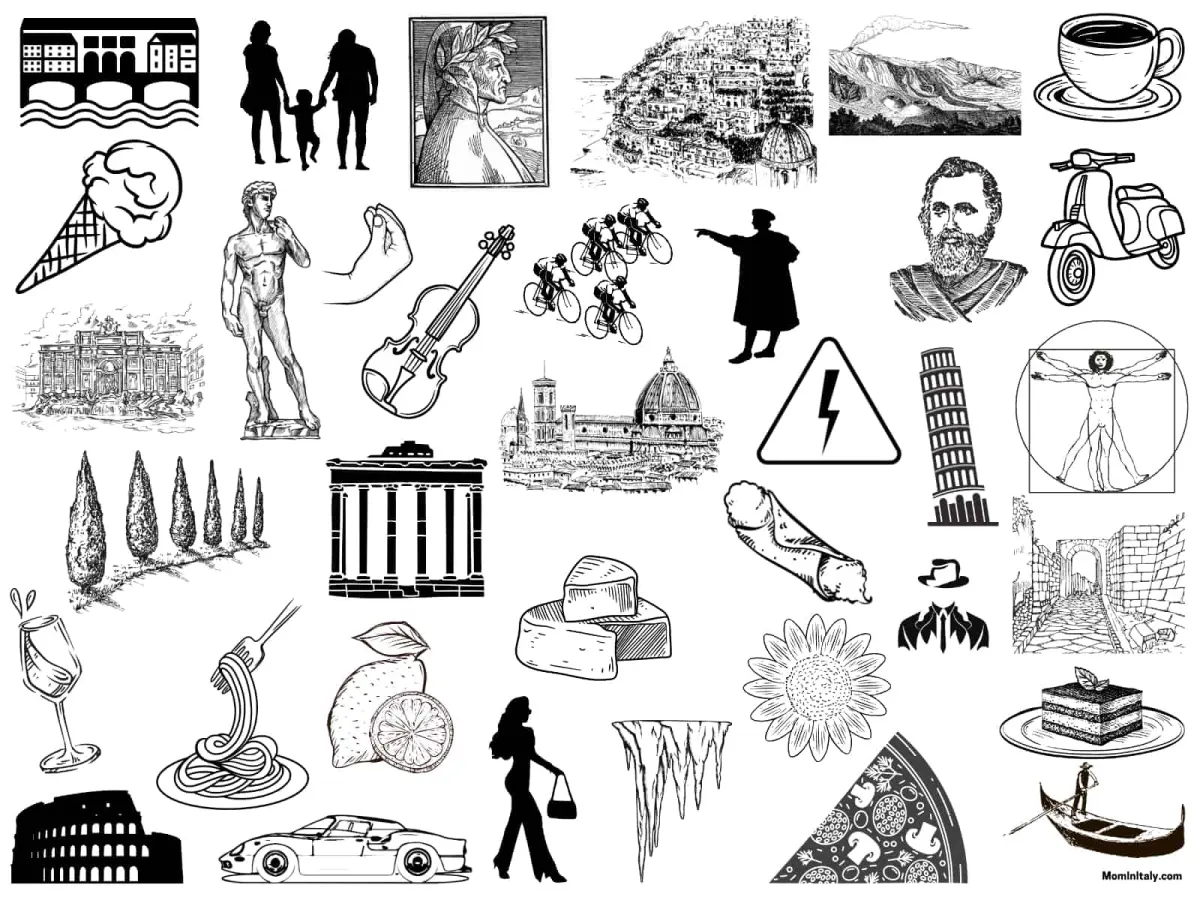
Italy serves as the cradle of the Renaissance, a transformative cultural movement that began in the 14th century. This period saw the rise of legendary figures like Leonardo da Vinci, Michelangelo, and Raphael, whose works define the Western artistic canon. Their masterpieces, including the Sistine Chapel ceiling and the statue of David, remain central to the global understanding of human creativity and technical precision.
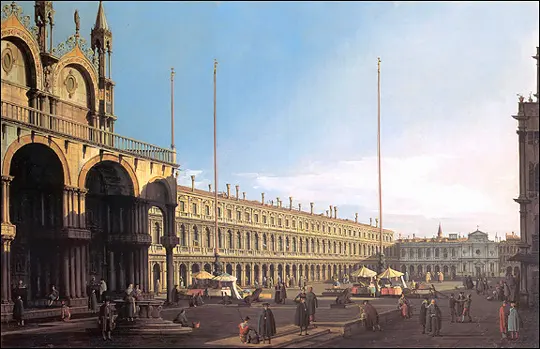
The country’s historical significance extends deep into antiquity, anchored by the Roman Empire. Rome, known as the Eternal City, contains iconic landmarks such as the Colosseum and the Roman Forum, which provide a tangible link to ancient governance and daily life. Beyond Rome, cities like Florence and Venice act as open-air museums, preserving centuries of architectural evolution. Visitors can explore these sites to witness the transition from Gothic styles to the ornate grandeur of the Baroque era.
Best Italian food to try for beginners
Italian cuisine is defined by regional diversity, emphasizing high-quality, seasonal ingredients over complex preparation. While pasta and pizza are the most recognizable exports, the culinary landscape varies significantly between the mountainous north and the sun-drenched south. Northern regions often favor butter, polenta, and risotto, whereas southern cooking relies heavily on olive oil, tomatoes, and fresh seafood.
To experience authentic Italian dining, focus on these regional staples:
- Neapolitan Pizza: Characterized by a soft, thin crust and simple, high-quality toppings like San Marzano tomatoes and buffalo mozzarella.
- Risotto alla Milanese: A creamy, saffron-infused rice dish originating from Milan.
- Carbonara: A classic Roman pasta made with eggs, pecorino romano cheese, guanciale, and black pepper.
- Gelato: A denser, lower-fat alternative to traditional ice cream, available in countless artisanal flavors.
- Espresso: A concentrated coffee shot that serves as the foundation for most Italian coffee culture.
How to travel through Italy like a local
Navigating Italy requires an understanding of its efficient rail network and regional customs. High-speed trains, such as the Frecciarossa, connect major hubs like Milan, Florence, and Rome in just a few hours. For smaller villages or rural areas, renting a car is often necessary, though drivers should be prepared for narrow, winding roads and limited city-center parking.
When planning your itinerary, consider these steps for a smoother experience:
- Validate your regional train ticket at the green or yellow machines before boarding to avoid fines.
- Visit museums and major landmarks during mid-week or early mornings to bypass the largest crowds.
- Learn basic Italian phrases, as locals in smaller towns may not speak fluent English.
- Use the "coperto" system, which is a small cover charge added to your bill, instead of expecting to tip heavily.
- Carry small amounts of cash for local markets and small cafes that may not accept cards.
Common mistakes when visiting Italy
Many tourists inadvertently commit cultural faux pas that can hinder their experience. One common error is ordering a cappuccino after 11:00 AM; Italians generally consider milk-based coffees a morning beverage and prefer plain espresso or a digestif after meals. Additionally, dressing too casually when visiting religious sites, such as the Vatican or local cathedrals, can result in being denied entry. Ensure your shoulders and knees are covered.
Another frequent mistake involves dining near major tourist attractions. Restaurants with picture menus displayed outside are often overpriced and serve lower-quality food. Instead, venture a few blocks away from the main squares to find "trattorias" or "osterias," where locals dine. Finally, avoid the urge to pack too many cities into a single trip. Italy is best enjoyed at a slower pace, allowing time to appreciate the atmosphere of each location rather than rushing between monuments.
Why Italian design and fashion lead the world
Italy is a global leader in high fashion and industrial design, centered largely in Milan. The "Made in Italy" label is synonymous with craftsmanship, luxury, and durability. Iconic fashion houses such as Gucci, Prada, Versace, and Armani have shaped global trends for decades, blending traditional tailoring techniques with modern innovation. This commitment to quality extends beyond clothing into furniture, lighting, and automotive design, where brands like Ferrari and Lamborghini set the standard for performance and aesthetic beauty.
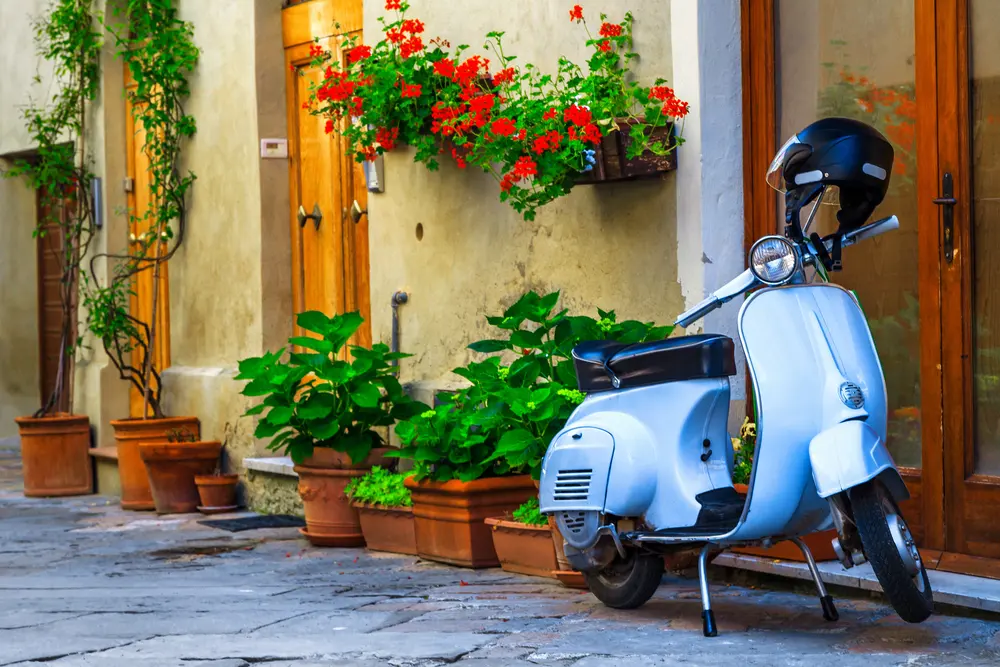
The Italian approach to design is deeply rooted in a philosophy of "la bella figura," or the art of presenting oneself well. This cultural value influences everything from architecture to personal style, emphasizing elegance and attention to detail. Whether it is the sleek lines of a vintage Vespa or the intricate leatherwork of a Florentine artisan, Italian goods are prized for their ability to balance functional utility with artistic expression. This enduring legacy ensures that Italy remains a primary destination for those seeking inspiration in design, technology, and sophisticated living.
Key facts
- Italy is home to 60 UNESCO World Heritage sites, the highest number of any country in the world.
- The Vatican Museums in Rome house the Sistine Chapel, featuring Michelangelo’s famous ceiling frescoes painted between 1508 and 1512.
- Italian cuisine is defined by regionality, with over 300 distinct types of pasta shapes and local specialties like Neapolitan pizza.
- To avoid "tourist trap" restaurants, look for places that do not have picture menus displayed outside or aggressive staff inviting you in.
- The Italian fashion industry, centered in Milan, contributes significantly to the global economy, with major houses like Prada, Armani, and Gucci.
- When visiting churches, always cover your shoulders and knees; failure to do so will often result in being denied entry by staff.
The bottom line
Italy remains a premier global destination due to its unparalleled concentration of art, history, and culinary heritage. From the ancient ruins of Rome to the fashion runways of Milan, the country offers a rich tapestry of experiences for every traveler. By respecting local customs, utilizing the efficient rail network, and seeking authentic regional dining, visitors can fully immerse themselves in the vibrant Italian way of life.
People also ask
When is the best time of year to visit Italy?
The shoulder seasons of April to June and September to October offer the most pleasant weather and fewer crowds. July and August are extremely hot and coincide with the Italian vacation period, leading to many local shops closing.
Is it necessary to tip in Italian restaurants?
Tipping is not expected or mandatory in Italy as service is often included in the bill. If you receive exceptional service, rounding up the total or leaving a few extra euros is appreciated but never required.
How should I get around between major cities?
Italy has an extensive high-speed rail network, such as the Frecciarossa, which connects cities like Rome, Florence, and Milan efficiently. Booking tickets in advance online often results in significant cost savings compared to buying them at the station.
What is the "coperto" charge on my bill?
The coperto is a standard cover charge for the table, bread, and service that is common in many Italian restaurants. It is a legal fee, usually ranging from one to three euros per person, and is not a tip.
Is it safe to drink water from public fountains?
Yes, the water from the small, curved public fountains, known as "nasoni" in Rome, is safe, cold, and free to drink. Carrying a reusable bottle is a practical way to stay hydrated while exploring historic city centers.
Do I need to validate my train ticket?
If you have a paper ticket for a regional train, you must validate it in the green or yellow machines before boarding. Failure to do so can result in a significant fine from the conductor.
This answer was created with the help of AI research tools and reference sources. Spotted an error? Let us know — we correct mistakes quickly. See our editorial policy.