What is China known for?
Short answer
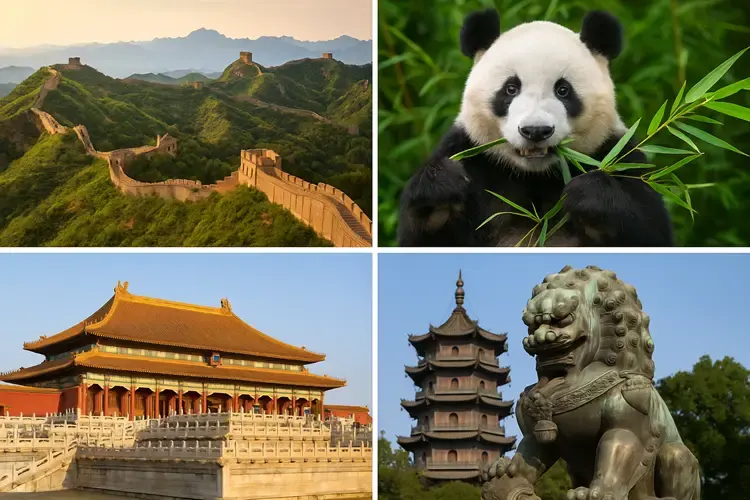
China is globally renowned for its profound historical legacy, rapid economic modernization, and diverse cultural contributions. It is the world’s most populous nation and second-largest economy, famous for iconic landmarks like the Great Wall, advanced manufacturing capabilities, a unique culinary heritage, and significant breakthroughs in philosophy, governance, and technological innovation throughout history.
On this page
What are the most famous historical landmarks in China?
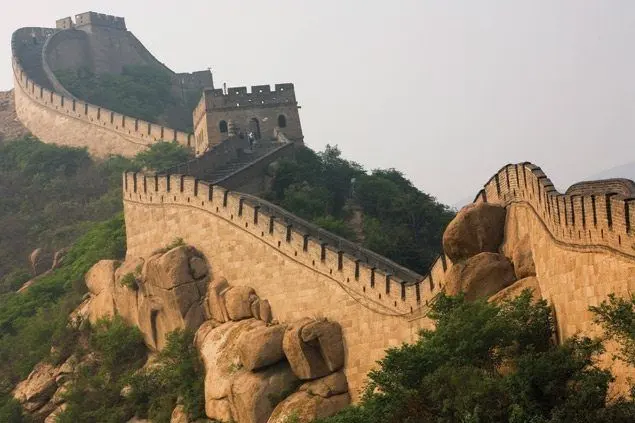
China possesses one of the world's oldest continuous civilizations, leaving behind architectural marvels that define its national identity. The Great Wall, a series of fortifications spanning over 13,000 miles, remains the most recognizable symbol of Chinese engineering and defense. Construction began as early as the 7th century BCE, with the most well-preserved sections dating to the Ming Dynasty (1368–1644). Visitors often flock to the Badaling or Mutianyu sections near Beijing to witness the scale of these stone battlements winding through rugged mountain ridges.
Beyond the wall, the Forbidden City in Beijing stands as the pinnacle of imperial architecture. Completed in 1420, this vast palace complex served as the home of 24 emperors over 500 years. Other historically significant sites include:
- The Terracotta Army in Xi’an, featuring thousands of life-sized clay soldiers buried with China’s first emperor, Qin Shi Huang.
- The Potala Palace in Lhasa, a monumental structure that served as the winter residence of the Dalai Lamas.
- The Mogao Caves in Dunhuang, which house an extensive collection of Buddhist art spanning a millennium.
How does Chinese cuisine vary by region?
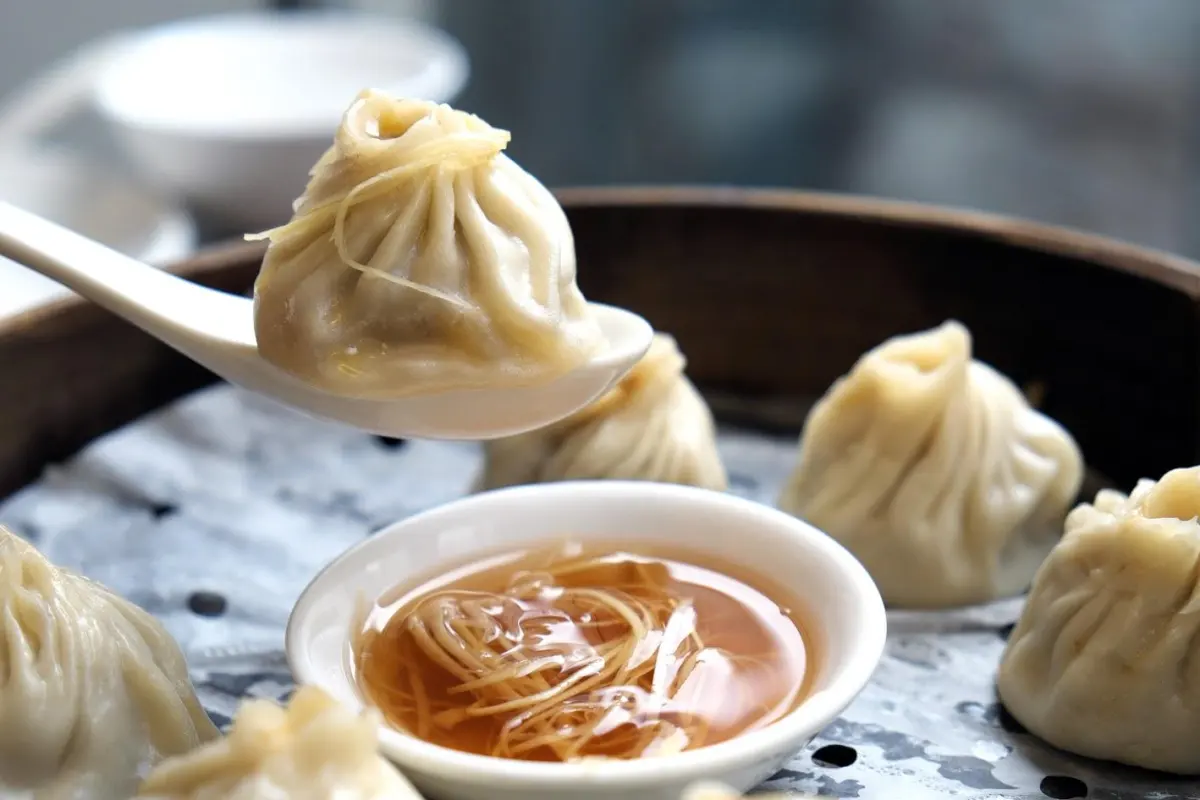
Chinese food is defined by immense regional diversity, often categorized into the "Eight Culinary Traditions." While many international diners are familiar with Cantonese dim sum or Sichuan spicy dishes, the reality is far more complex. Northern cuisine relies heavily on wheat-based staples like noodles, dumplings, and steamed buns due to the colder climate. In contrast, Southern regions prioritize rice as a primary carbohydrate, often incorporating fresh vegetables, seafood, and lighter, steamed preparations that emphasize the natural flavor of ingredients.
When exploring authentic Chinese dining, consider these regional specialties:
- Sichuan (Chuan): Famous for the "mala" flavor profile, which combines spicy chili peppers with numbing Sichuan peppercorns.
- Cantonese (Yue): Known for delicate stir-fries, dim sum, and high-quality seafood, often featuring subtle seasoning.
- Shandong (Lu): Considered one of the oldest styles, focusing on seafood, salt-based seasonings, and sophisticated broth techniques.
- Huaiyang (Su): Celebrated for precise knife work and elegant presentation, often associated with the refined cooking styles of eastern China.
Why is China a global leader in manufacturing and trade?
Since initiating economic reforms in 1978, China has transformed into the "world’s factory." The country leverages a massive, skilled labor force, sophisticated supply chain networks, and extensive infrastructure to produce everything from consumer electronics to heavy machinery. Major industrial hubs like Shenzhen have evolved from small fishing villages into global tech centers, hosting headquarters for giants like Huawei and Tencent. This manufacturing dominance is supported by the world’s largest high-speed rail network, which spans over 27,000 miles, facilitating the rapid movement of goods and people across provinces.
To engage with China’s manufacturing sector effectively, businesses must understand the importance of local partnerships and quality control. Common mistakes when sourcing products include:
- Failing to conduct on-site factory audits, which can lead to quality discrepancies.
- Ignoring the necessity of clear, written contracts that specify technical standards and intellectual property protections.
- Underestimating the time required for logistics and customs clearance during peak production seasons.
- Assuming that low-cost manufacturing automatically equates to low quality, as many Chinese factories now operate at world-class technical standards.
What are the key cultural traditions and festivals?
Cultural life in China is deeply rooted in the lunar calendar, which dictates the timing of major holidays. The Spring Festival, or Lunar New Year, is the most significant event, marked by family reunions, the exchange of red envelopes, and elaborate firework displays to ward off bad luck. This period triggers the largest annual human migration on Earth, as hundreds of millions travel home to celebrate. Other important cultural markers include the Mid-Autumn Festival, characterized by the consumption of mooncakes, and the Dragon Boat Festival, which commemorates the poet Qu Yuan.
Beyond festivals, traditional arts continue to thrive through:
- Calligraphy and ink wash painting, which emphasize the harmony between movement and breath.
- Peking Opera, a complex performance art combining music, vocal performance, mime, and acrobatics.
- Tea culture, where the preparation and consumption of varieties like Pu-erh or Oolong serve as a meditative social practice.
- Traditional Chinese Medicine (TCM), which utilizes herbal remedies, acupuncture, and dietary therapy to balance the body's vital energy.
What should travelers know before visiting China?
Visiting China requires preparation to navigate its vast geography and unique digital landscape. Most travelers arrive in major gateways like Shanghai or Beijing, where modern skyscrapers sit alongside ancient temples. It is essential to download essential mobile applications before arrival, as many Western social media platforms and search engines are restricted. Digital payment systems like Alipay and WeChat Pay are ubiquitous; most vendors do not carry cash, so setting up a digital wallet linked to an international credit card is a practical necessity for daily spending.
When planning a trip, keep these tips in mind to ensure a smoother experience:
- Apply for a visa well in advance, as processing times can vary based on your citizenship and current entry requirements.
- Learn a few basic Mandarin phrases, as English proficiency is high in luxury hotels but limited in smaller cities or rural areas.
- Respect local customs, such as removing shoes when entering homes and presenting business cards with both hands.
- Avoid visiting during "Golden Week" holidays in early October or late January, as domestic tourism surges and transportation becomes extremely crowded.
Key facts
- China is the world's most populous nation after India, with over 1.4 billion residents living across 9.6 million square kilometers.
- The Great Wall of China, a series of fortifications built over centuries, stretches more than 21,000 kilometers in total length.
- Mandarin Chinese is the most spoken first language globally, characterized by its unique system of tonal inflections and thousands of logographic characters.
- When visiting, always carry a digital payment app like Alipay or WeChat Pay, as many small vendors no longer accept physical cash.
- Avoid tipping in restaurants or taxis, as it is not a standard cultural practice and may be perceived as confusing or unnecessary.
- The country is the world's largest exporter of manufactured goods, playing a central role in global supply chains for electronics and textiles.
The bottom line
China is a global powerhouse defined by a profound historical legacy and rapid modern development. From its ancient architectural wonders to its dominant role in international trade, the nation offers a complex landscape for travelers and businesses alike. Understanding local customs, such as digital payment etiquette and seasonal travel patterns, ensures a smooth experience while navigating one of the world's most dynamic and influential civilizations.
People also ask
What is the best time of year to visit China?
The best times are spring (April to May) and autumn (September to October) when temperatures are mild. Avoid traveling during the Lunar New Year or the first week of October, as domestic tourism surges and transportation becomes extremely crowded.
Do I need a visa to enter China?
Most foreign nationals require a visa to enter mainland China, though some countries qualify for short-term visa-free transit policies. Always check the latest entry requirements with your local Chinese embassy or consulate at least two months before your planned departure.
Is it safe to drink tap water in China?
You should not drink tap water directly, even in major cities like Beijing or Shanghai. It is standard practice to boil water first or purchase bottled water, which is widely available and inexpensive.
What are the most famous Chinese dishes to try?
Beyond common takeout options, authentic regional cuisine is diverse, including Peking duck from Beijing, spicy Sichuan hot pot, and Cantonese dim sum. Each province offers distinct flavor profiles, ranging from the vinegar-heavy dishes of Shanxi to the sweet, delicate flavors of the coastal regions.
How do I navigate transportation in large cities?
Major cities feature extensive, modern subway systems with signage in both Chinese and English. Use mobile map applications to plan routes, as public transit is generally more efficient and reliable than navigating heavy city traffic by car.
What is the significance of the Forbidden City?
Located in the heart of Beijing, the Forbidden City served as the imperial palace for the Ming and Qing dynasties for nearly 500 years. Today, it stands as a massive museum complex and a UNESCO World Heritage site, showcasing traditional Chinese palatial architecture.
This answer was created with the help of AI research tools and reference sources. Spotted an error? Let us know — we correct mistakes quickly. See our editorial policy.