What is France known for?
Short answer
France is globally renowned for its profound influence on art, gastronomy, fashion, and philosophy. As the world’s most visited country, it attracts millions annually to iconic landmarks like the Eiffel Tower and the Louvre. Its cultural legacy, defined by the Enlightenment and luxury craftsmanship, continues to shape international standards in excellence.
On this page
Why is French cuisine world-famous?
French gastronomy is defined by an emphasis on high-quality ingredients, regional traditions, and technical precision. In 2010, UNESCO recognized the "gastronomic meal of the French" as Intangible Cultural Heritage, highlighting its role in social cohesion. From the buttery layers of a croissant to the complex sauces of haute cuisine, the country maintains an uncompromising standard for culinary preparation.
Regional diversity plays a central role in this reputation. You will find distinct specialties across the country, such as bouillabaisse in Marseille, choucroute in Alsace, and boeuf bourguignon in Burgundy. The French approach to dining is also a cultural ritual, prioritizing long, multi-course meals that emphasize conversation and the appreciation of seasonal produce.
- Baguette: A staple bread protected by specific government regulations regarding its ingredients.
- Wine: France produces approximately 4 to 5 billion liters of wine annually, with regions like Bordeaux and Champagne setting global benchmarks.
- Cheese: There are over 1,200 varieties of French cheese, ranging from soft Brie to pungent Roquefort.
How to visit the Louvre Museum like a pro
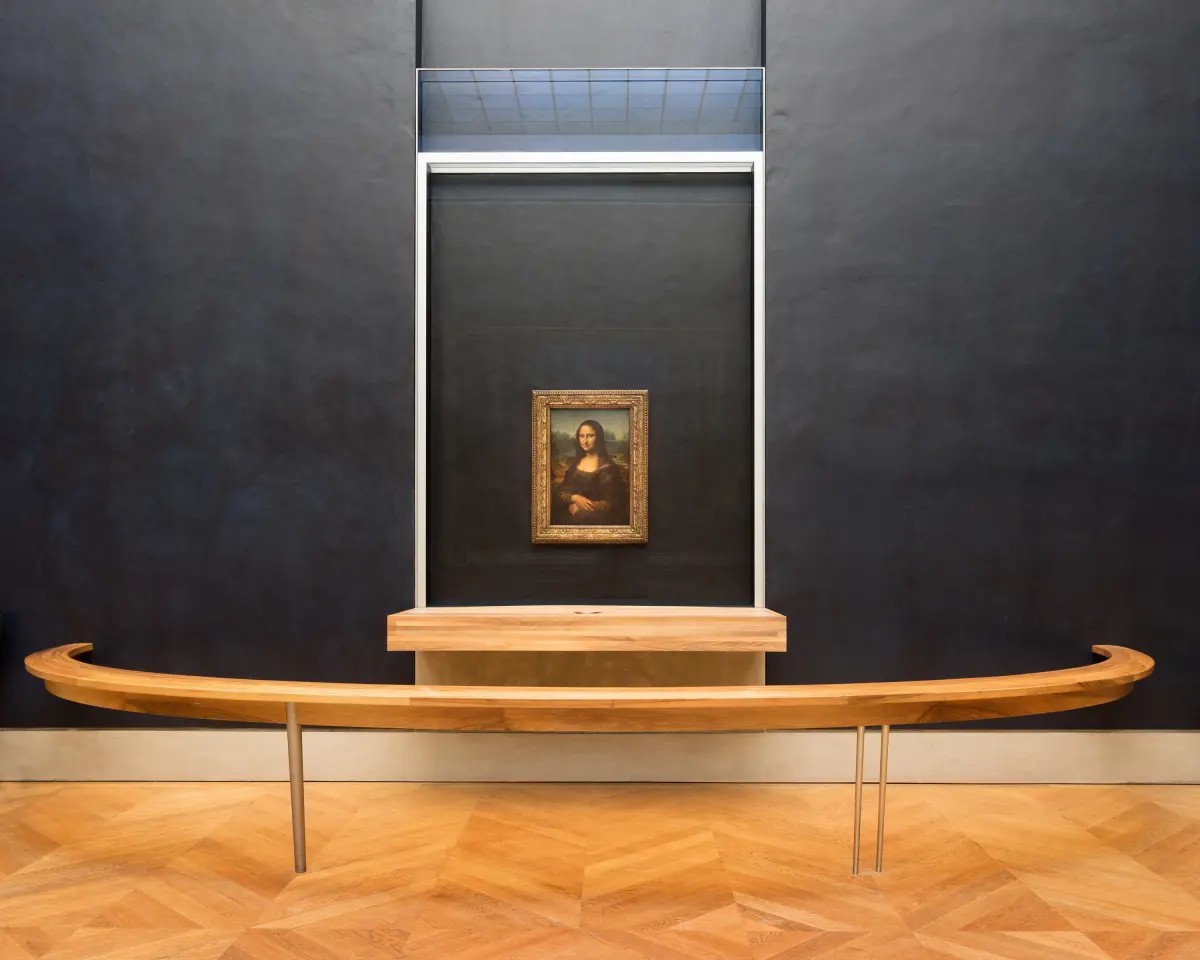
The Louvre in Paris is the world's largest art museum, housing over 35,000 works of art, including the Mona Lisa and the Venus de Milo. Navigating its massive footprint—which spans over 780,000 square feet—requires a strategic plan to avoid exhaustion and frustration. Because the museum is so vast, attempting to see everything in one day is impossible.
To make the most of your visit, follow these professional tips:
- Book your time-slot ticket online weeks in advance to bypass the longest queues.
- Enter through the Carrousel du Louvre shopping center rather than the main glass pyramid to save time.
- Download the museum’s official app or pick up a map to focus on one of the three wings at a time.
- Visit during evening hours on Fridays, when the museum is often less crowded and the galleries are beautifully illuminated.
Common mistakes when visiting Paris
Many travelers fall into traps that detract from the authentic Parisian experience. A frequent error is attempting to see too many landmarks in a single day, which leads to burnout and a superficial understanding of the city. Instead, focus on one or two neighborhoods, such as Le Marais or Saint-Germain-des-Prés, to truly absorb the local atmosphere and rhythm.
Another common mistake is failing to learn basic French etiquette. While many Parisians speak English, initiating a conversation with a simple "Bonjour" (good day) or "Pardon" is considered essential politeness. Ignoring these social cues can often result in a colder reception from service staff. Additionally, avoid eating at restaurants located directly next to major tourist sites, as these are often overpriced and offer lower-quality food compared to bistros found just a few streets away.
Why is France a leader in fashion?
France has been the global epicenter of fashion since the reign of Louis XIV, who used luxury manufacturing to boost the national economy. Today, Paris remains the headquarters for legendary houses such as Chanel, Dior, and Hermès. The industry is supported by the "Haute Couture" designation, a legally protected term that requires ateliers to meet rigorous standards of craftsmanship, hand-sewing, and custom fitting.
The influence of French fashion extends beyond the runway into everyday life, characterized by the concept of "effortless chic." This style focuses on quality over quantity, favoring timeless staples like tailored blazers, silk scarves, and well-fitted trousers. The biannual Paris Fashion Week remains the most significant event on the global style calendar, dictating trends that influence retail markets worldwide for the following season.
- Haute Couture: Requires a permanent atelier in Paris and strict adherence to traditional techniques.
- Luxury Groups: Companies like LVMH and Kering are headquartered in France, managing dozens of the world's most valuable brands.
- Street Style: Parisian fashion is noted for its minimalist palette, often relying on navy, black, and neutral tones.
Best regions for history lovers
France is home to 52 UNESCO World Heritage sites, reflecting its dense and layered history. For those interested in medieval architecture, the Mont Saint-Michel in Normandy offers a breathtaking example of a fortified abbey on a tidal island. Alternatively, the Loire Valley is famous for its Renaissance chateaux, such as Chambord and Chenonceau, which served as the playgrounds for French royalty during the 16th century.
The southern region of Provence provides a different historical perspective, featuring remarkably preserved Roman ruins. The Pont du Gard, an ancient Roman aqueduct bridge, and the Arena of Nîmes demonstrate the extent of Roman influence in Gaul. Whether you are exploring the prehistoric cave paintings in the Dordogne or the somber D-Day landing beaches of Normandy, the country functions as an open-air museum that spans thousands of years of human civilization.
Key facts
- France is the world's most visited country, welcoming nearly 100 million international tourists annually.
- The country produces over 1,600 distinct types of cheese, with Camembert and Roquefort being among the most iconic.
- Paris, the capital, is home to the Louvre, the world's largest art museum, which houses the Mona Lisa.
- French cuisine is recognized by UNESCO as an Intangible Cultural Heritage, emphasizing the importance of high-quality ingredients and communal dining.
- When dining, always greet the shopkeeper or waiter with "Bonjour" upon entering; failing to do so is considered impolite in French culture.
- Tipping is not mandatory in France, as service charges are included in the bill, though leaving a few extra euros for exceptional service is appreciated.
The bottom line
France offers a sophisticated blend of historical depth, world-class gastronomy, and artistic achievement that defines its global reputation. Whether you are exploring the medieval architecture of the Loire Valley, enjoying a café au lait in a Parisian square, or traversing the rugged Alpine peaks, the country provides a rich cultural experience. By respecting local customs and embracing the pace of French life, visitors gain a truly authentic perspective.
People also ask
Is it necessary to speak French to travel in France?
While many people in major cities speak English, learning basic phrases like "s'il vous plaît" (please) and "merci" (thank you) is highly respected. Locals are generally more helpful and welcoming if you make a sincere effort to use their language.
What is the best time of year to visit France?
Spring (April to June) and autumn (September to October) offer the most pleasant weather and fewer crowds than the peak summer months. Winter is ideal for skiing in the Alps or visiting Christmas markets in Alsace.
How does the French public transportation system work?
France features an extensive network of high-speed TGV trains connecting major cities efficiently. For city travel, metro systems and buses are reliable, though you must validate your paper ticket before boarding in many regions.
What are the typical dining hours in France?
Lunch is usually served between 12:00 PM and 2:00 PM, while dinner typically begins after 7:30 PM. Many smaller restaurants close between these meal times, so plan your schedule accordingly.
Is France a safe country for tourists?
France is generally very safe, though visitors should remain vigilant against pickpockets in crowded tourist areas like the Eiffel Tower or metro stations. Keep your belongings secure and avoid displaying expensive jewelry in public.
What is the significance of the French Republic’s motto?
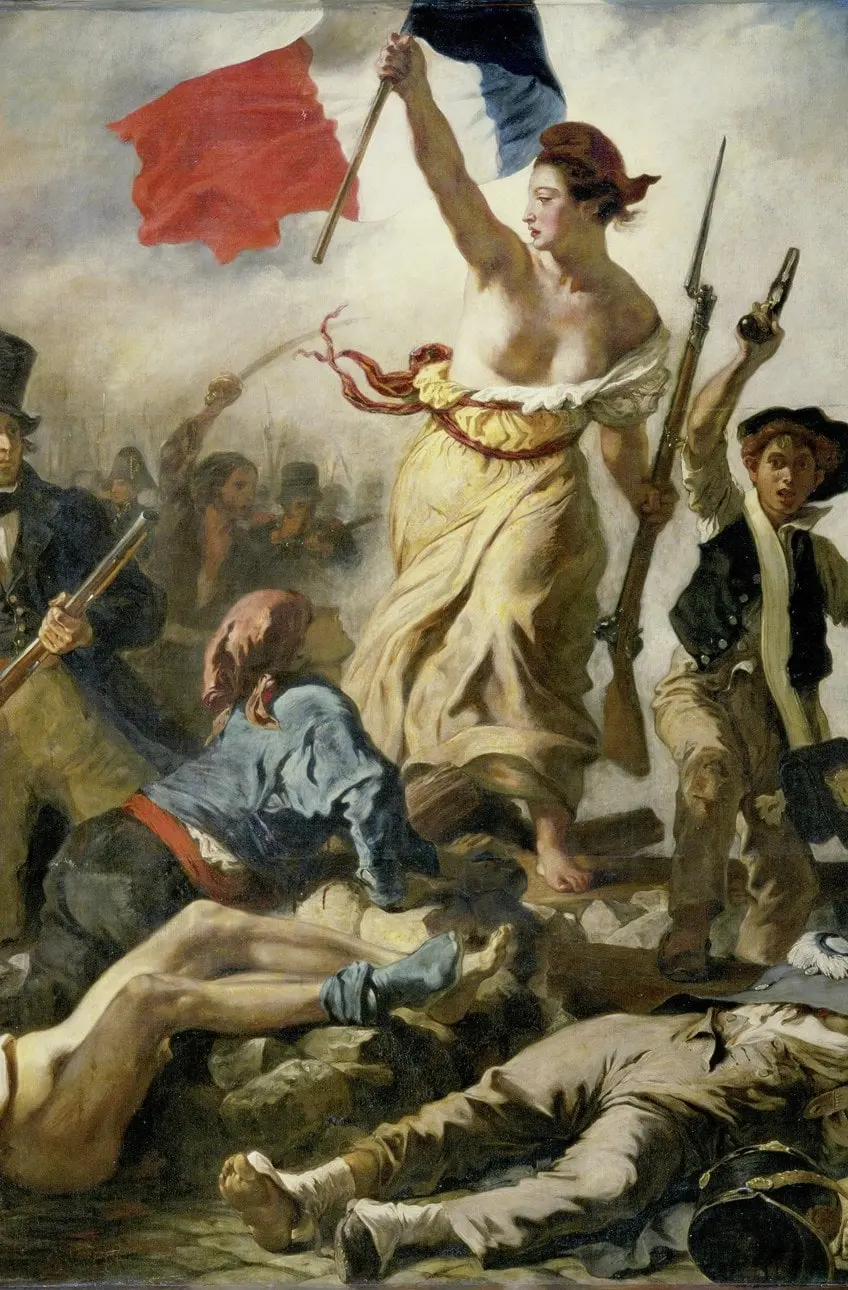
The motto "Liberté, Égalité, Fraternité" (Liberty, Equality, Fraternity) originated during the French Revolution of 1789. It remains the core national value, reflecting the country's commitment to democratic ideals and social unity.
This answer was created with the help of AI research tools and reference sources. Spotted an error? Let us know — we correct mistakes quickly. See our editorial policy.