What is the most famous painting in the world?
Short answer
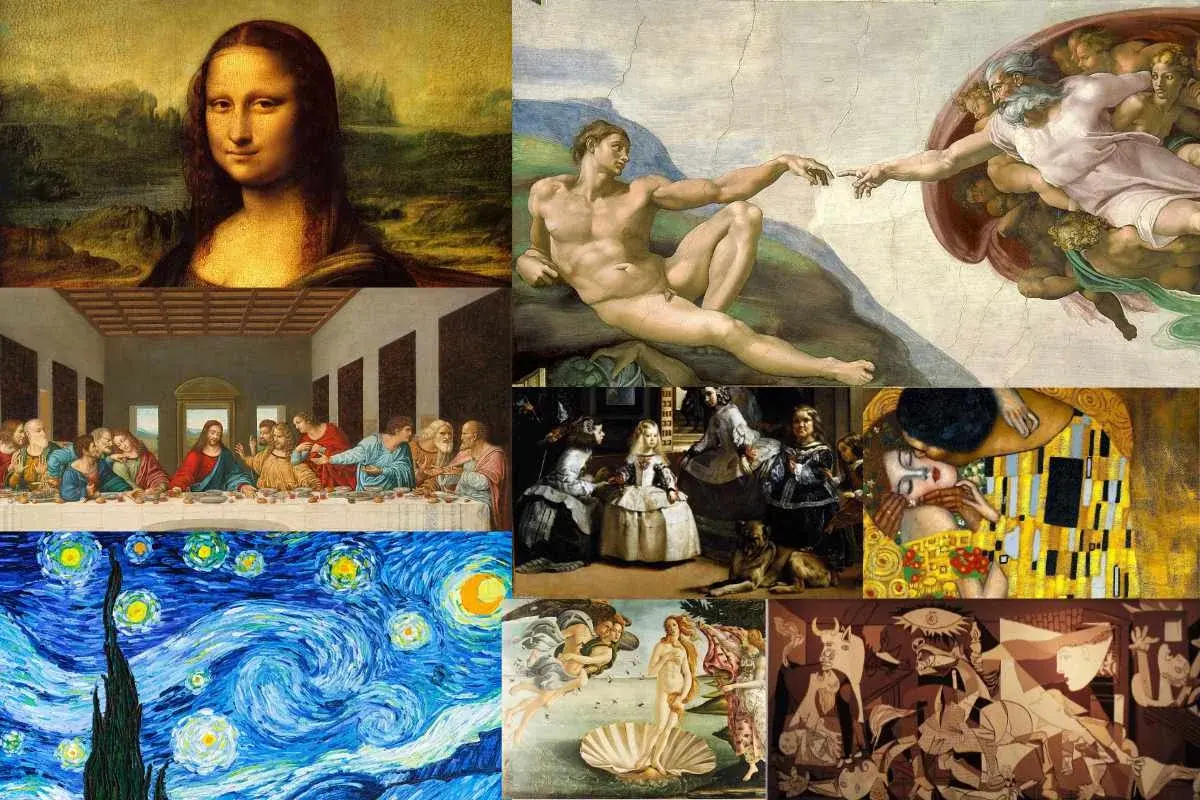
The Mona Lisa, painted by Leonardo da Vinci between 1503 and 1506, is universally recognized as the world’s most famous painting. Currently housed in the Louvre Museum in Paris, this small oil-on-poplar panel portrait attracts millions of visitors annually, celebrated for its enigmatic expression, masterful sfumato technique, and rich historical mystery.
On this page
Why is the Mona Lisa so famous?
The fame of the Mona Lisa is not solely due to its artistic brilliance, though Leonardo da Vinci’s technical execution is undeniably masterful. The painting gained global notoriety largely because of its dramatic theft from the Louvre in 1911. When the Italian handyman Vincenzo Peruggia stole the portrait, it remained missing for two years, generating international headlines and turning the work into a household name. Before the theft, it was respected by critics, but the media frenzy transformed it into a cultural icon.
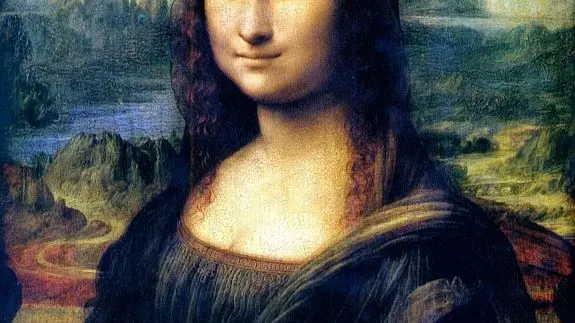
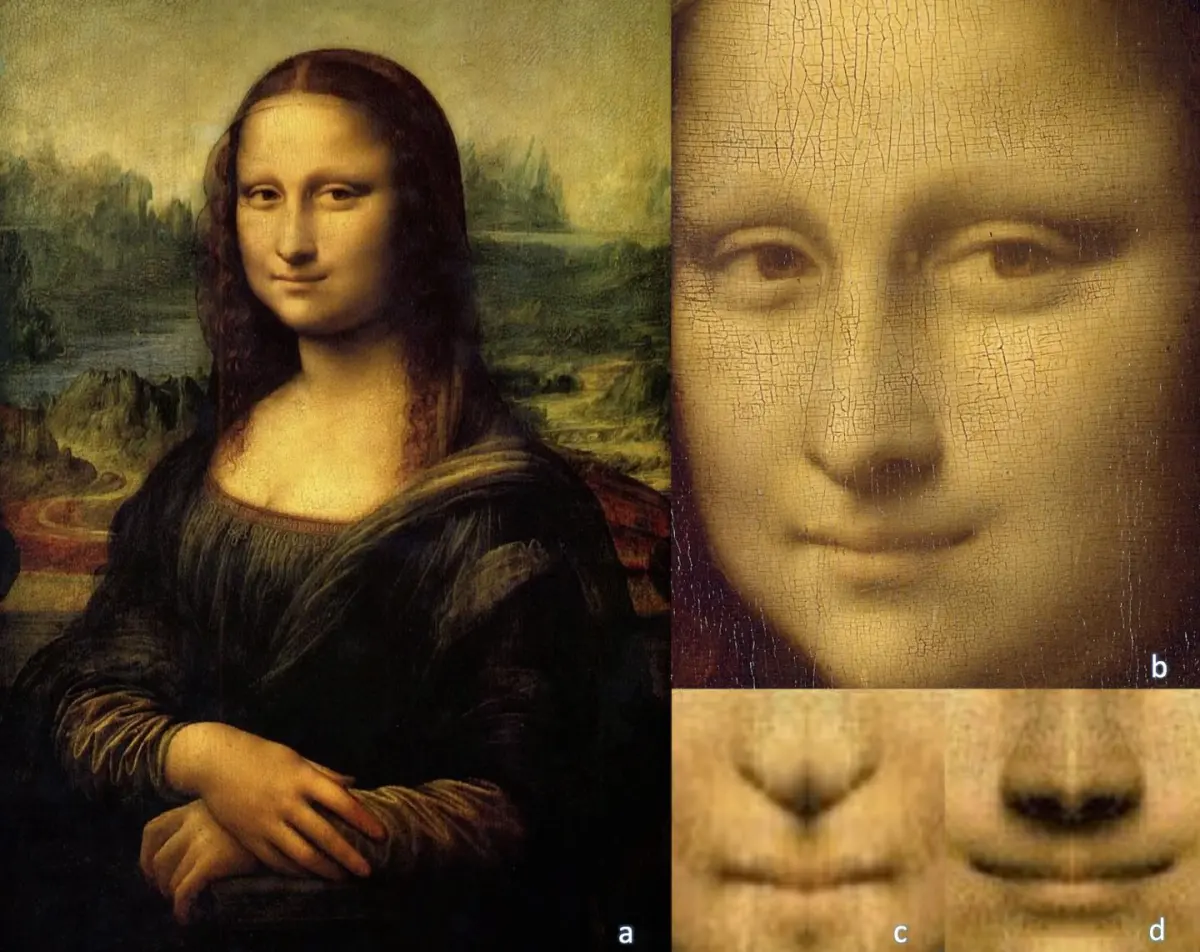
Beyond the theft, the painting’s allure stems from the subject’s elusive expression. Leonardo utilized a technique called sfumato, which involves the subtle blending of colors and tones to eliminate harsh outlines. This creates a lifelike, hazy quality that makes the subject’s smile appear to change depending on the viewer's focus. This psychological ambiguity, combined with the mystery surrounding the identity of the sitter—widely believed to be Lisa Gherardini—continues to captivate scholars and the public alike.
How to visit the Mona Lisa in Paris
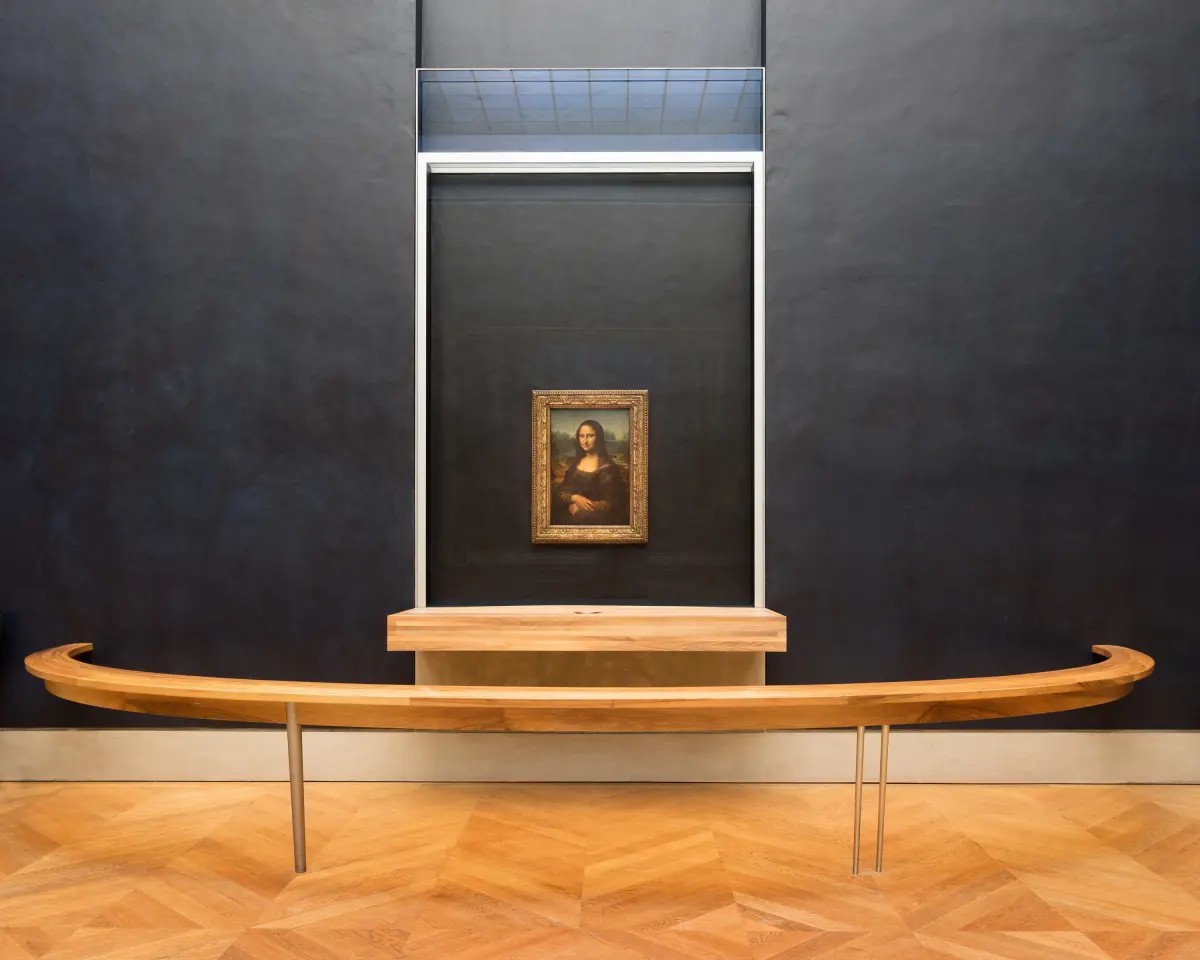
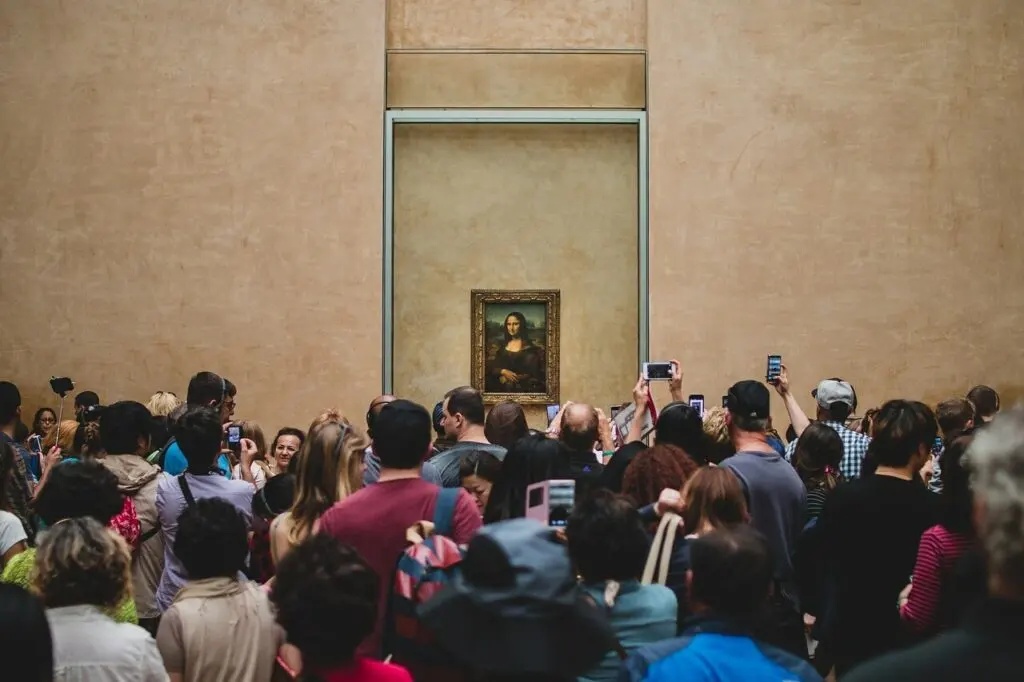
Visiting the Louvre to see the painting requires careful planning, as it is the museum’s most crowded attraction. You must book a timed-entry ticket online well in advance to guarantee access. Upon arrival, follow the clear signage directing visitors toward the Salle des États, where the painting is displayed behind bulletproof glass. Expect a significant queue even with a reservation, as thousands of people gather daily to catch a glimpse of the portrait.
To make the most of your visit, consider these practical steps:
- Arrive at the museum at least 30 minutes before your scheduled entry time.
- Enter through the Porte des Lions or the Carrousel du Louvre to potentially save time.
- Head directly to the Denon Wing, where the painting is located, bypassing other galleries initially.
- Visit during late-night openings on Fridays, when the museum is often less congested.
- Bring binoculars if you wish to see the fine detail, as you cannot stand directly in front of the glass.
Common mistakes when viewing the Mona Lisa
Many visitors travel across the world only to feel disappointed by the experience because they arrive with unrealistic expectations. One common mistake is expecting a massive, imposing canvas; in reality, the painting is quite small, measuring only 30 by 21 inches (77 by 53 centimeters). Because it is displayed behind thick, reflective glass and kept at a distance from the crowd, it can be difficult to appreciate the delicate brushwork without prior knowledge of its size.
Another frequent error is spending the entire time trying to take a photograph rather than actually observing the work. The crowd is often dense, and the lighting reflections on the glass make it nearly impossible to capture a high-quality image with a smartphone. Instead of fighting for a photo, try to spend a few minutes observing the composition and the landscape background. Understanding that the painting is a Renaissance masterpiece of portraiture rather than a spectacle of scale will significantly improve your overall experience.
![Ranking The World's Most Famous Paintings [2025 Edition]](/img/bf/what-is-the-most-famous-painting-in-the-world-3.webp)
What makes the technique so special?
Leonardo da Vinci’s approach to the Mona Lisa represented a revolutionary shift in portraiture during the early 16th century. Unlike his contemporaries who often painted subjects in profile, Leonardo utilized a three-quarter pose, which creates a more intimate and engaging connection between the subject and the viewer. His use of atmospheric perspective in the background—a technique where distant landscapes appear bluer and less defined—adds a sense of depth and realism that was years ahead of his time.
Key technical elements that define the painting include:
- Sfumato: The seamless graduation of light and shade that removes visible brushstrokes.
- Composition: The pyramidal structure that provides a sense of balance and stability to the figure.
- Glazing: The application of thin, translucent layers of oil paint to create a luminous, glowing skin tone.
- Landscape: The inclusion of an imaginary, rugged background that contrasts with the softness of the sitter.
How to learn more about the painting
If you are interested in deepening your understanding of the Mona Lisa, you do not need to be an art historian. Start by exploring high-resolution digital archives provided by the Louvre, which allow you to zoom in on details like the sitter’s eyes and the intricate landscape that are invisible to the naked eye in the museum. Reading biographies of Leonardo da Vinci will also provide essential context regarding his scientific interests, which heavily influenced his artistic process.
You can further your knowledge by following these suggestions:
- Watch documentaries focused on the history of the Louvre and the painting's 1911 theft.
- Research the history of Renaissance portraiture to compare the Mona Lisa with works by Raphael or Titian.
- Read scholarly articles regarding the restoration history of the painting to understand how it has been preserved over five centuries.
- Visit temporary exhibitions that feature works from the Italian High Renaissance, which often provide comparative analysis of Leonardo’s techniques.
Key facts
- The Mona Lisa, painted by Leonardo da Vinci between 1503 and 1506, is widely considered the most famous painting in the world.
- It is housed in the Louvre Museum in Paris, France, where it is displayed behind bulletproof glass in a climate-controlled enclosure.
- The painting measures approximately 30 inches by 21 inches, which is smaller than many visitors expect.
- The subject is believed to be Lisa Gherardini, the wife of a Florentine silk merchant named Francesco del Giocondo.
- The work is famous for its "sfumato" technique, which creates soft, smoky transitions between colors and tones.
- To avoid disappointment, arrive at the Louvre early in the morning or during evening hours to minimize wait times in the crowded Salle des États.
The bottom line
The Mona Lisa remains the world’s most iconic painting due to its technical brilliance and a dramatic history of theft. While its small size often surprises first-time viewers, its cultural impact is unmatched. By understanding the history behind the sfumato technique and the painting’s security, visitors can better appreciate why this Renaissance portrait continues to captivate millions of people at the Louvre every year.
People also ask
Why is the Mona Lisa so famous?
While it is a masterpiece of Renaissance art, its global fame surged after it was stolen from the Louvre in 1911. The two-year international manhunt turned the painting into a household name.
Can visitors take photographs of the painting?
Yes, photography is permitted in the gallery. However, do not use flash, as it can damage the artwork and disturb other visitors trying to view the piece.
Is the Mona Lisa the most expensive painting ever sold?
No, it is not for sale and is considered priceless as part of the French national collection. Other works, such as Leonardo’s Salvator Mundi, have fetched higher prices at private auctions.
What is the "sfumato" technique used in the painting?
Sfumato is an Italian term meaning "to evaporate like smoke." It involves layering thin glazes of oil paint to eliminate harsh outlines, resulting in the lifelike, hazy appearance of the subject's face.
Why is the painting kept behind glass?
The glass serves as a protective measure against vandalism, humidity, and temperature fluctuations. It was installed after several unsuccessful attacks on the painting in the mid-20th century.
Does the subject’s gaze follow the viewer?
This is a common optical illusion known as the "Mona Lisa effect." Because of the way Leonardo painted the eyes and shadows, the subject appears to look at the viewer from multiple angles.
This answer was created with the help of AI research tools and reference sources. Spotted an error? Let us know — we correct mistakes quickly. See our editorial policy.