How big is the Mona Lisa?
Short answer
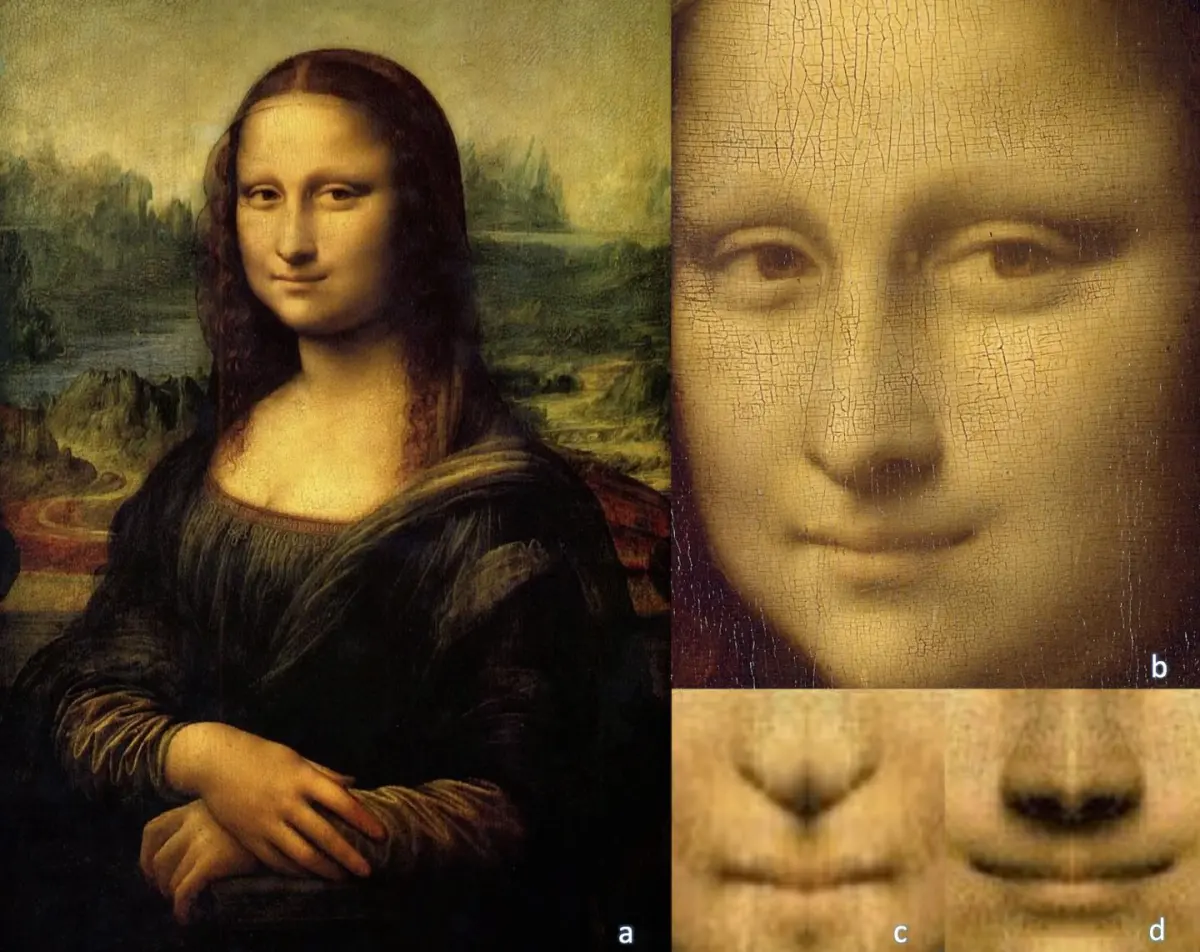
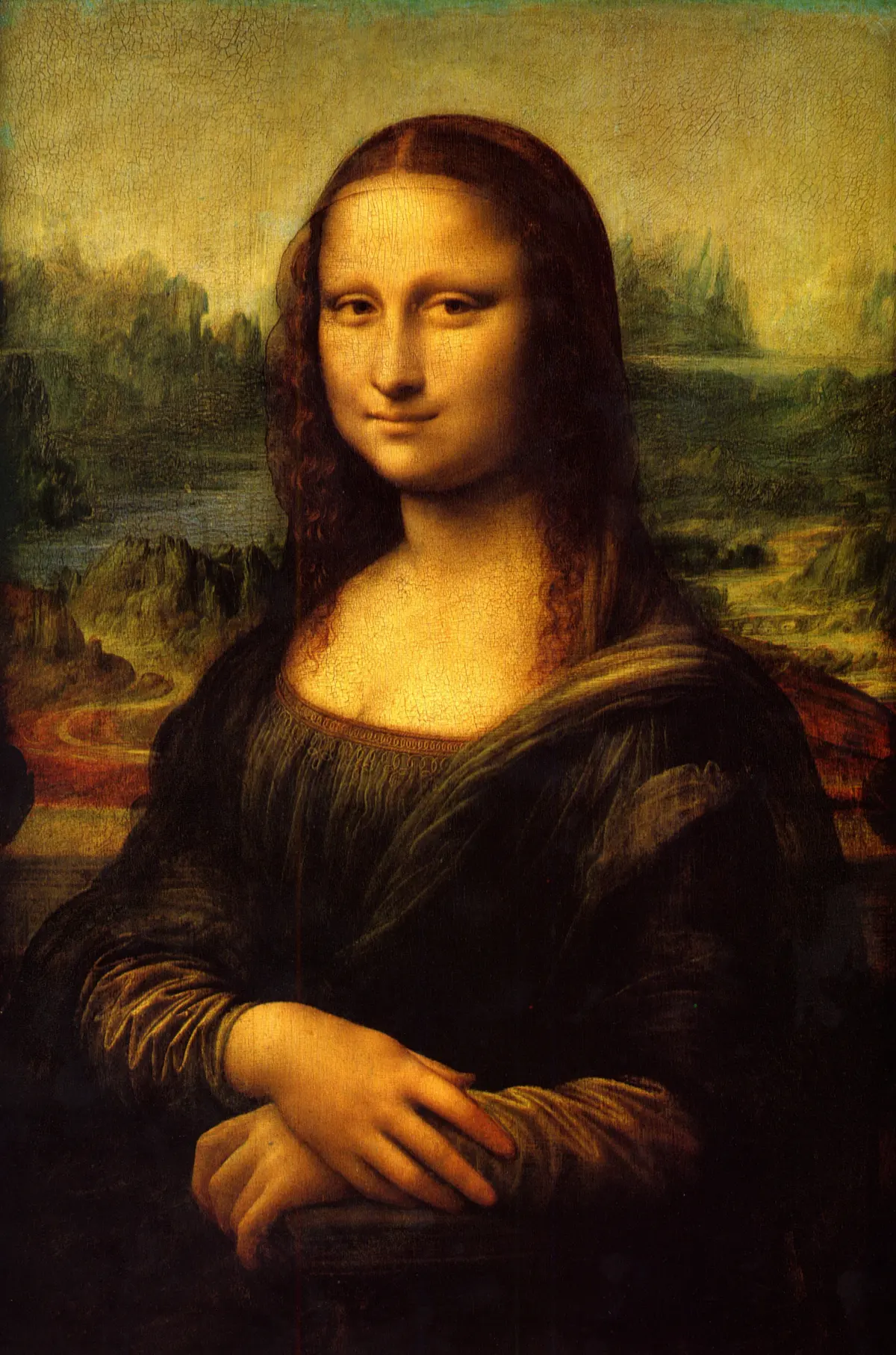
The Mona Lisa measures 77 centimeters by 53 centimeters (30 inches by 21 inches). Painted by Leonardo da Vinci on a poplar wood panel, its modest size often surprises visitors at the Louvre Museum. Despite its global fame and immense cultural significance, the portrait remains relatively small compared to other Renaissance masterpieces.
On this page
How big is the Mona Lisa exactly
The dimensions of the Mona Lisa are precisely 77 centimeters in height and 53 centimeters in width. These measurements correspond to approximately 30.3 inches by 20.9 inches. Leonardo da Vinci executed the work on a rectangular panel made of Lombardy poplar, a wood commonly used by artists in the Italian Renaissance. The panel itself is quite thin, measuring only about 13 millimeters in thickness, and it has developed a slight warp over the centuries due to fluctuations in humidity.
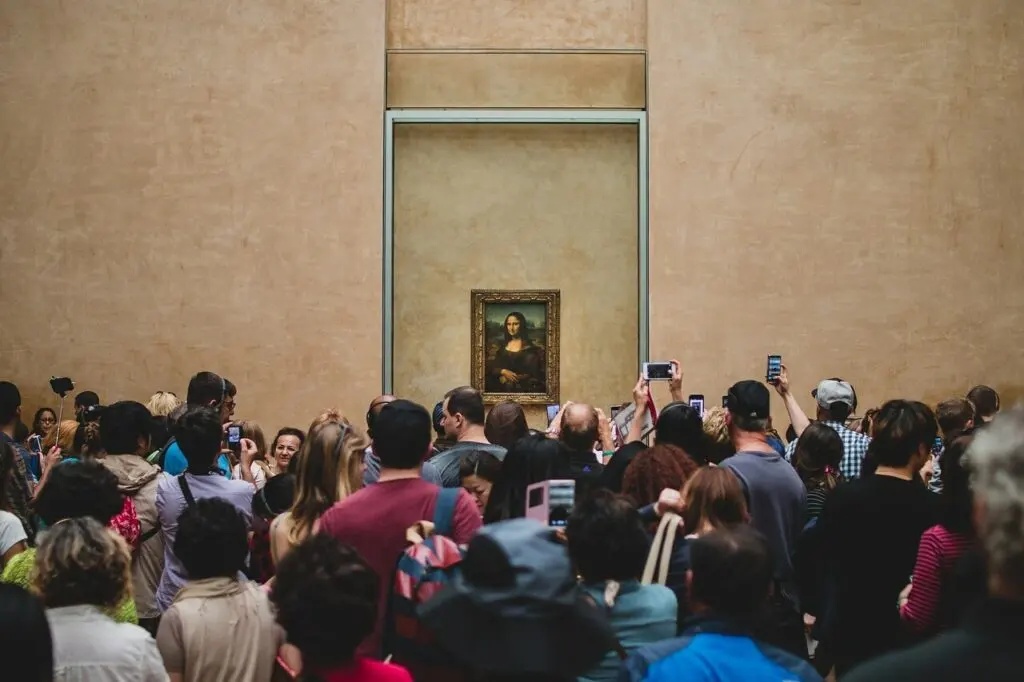
Because of its compact size, the painting is often smaller than what many first-time viewers expect. It is displayed behind bulletproof glass within a climate-controlled enclosure in the Salle des États at the Louvre. The protective casing and the distance maintained by security barriers further contribute to the perception that the painting is smaller than it actually is. Understanding these dimensions helps visitors manage their expectations before viewing the work in person.
Why is the Mona Lisa so famous
The fame of the Mona Lisa stems from a combination of artistic mastery and historical intrigue. Leonardo utilized the sfumato technique, which involves the subtle blending of colors and tones to create soft transitions between light and shadow. This gives the subject’s expression its elusive, lifelike quality. Beyond the technical brilliance, the painting’s status grew significantly after it was stolen from the Louvre in 1911. The international media coverage of the theft and the subsequent two-year search turned the portrait into a household name.
Several factors have contributed to its enduring status as the world’s most recognizable painting:
- The enigmatic smile that appears to change depending on the viewer's focus.
- The revolutionary use of atmospheric perspective in the distant, dreamlike landscape background.
- The psychological depth and direct gaze of the sitter, Lisa Gherardini.
- Its status as a pinnacle of High Renaissance portraiture.
How to see the Mona Lisa at the Louvre
Visiting the Mona Lisa requires careful planning due to the immense popularity of the Louvre Museum. The painting is located in the Denon Wing, which is typically the most crowded area of the museum. To ensure a smooth experience, it is highly recommended to book a timed-entry ticket online several weeks in advance. Arriving early in the morning or scheduling a visit during evening hours can help avoid the peak congestion that occurs in the afternoon.
Follow these steps to optimize your viewing experience:
- Purchase your museum tickets online to bypass the primary ticket office queue.
- Enter through the Porte des Lions or the Carrousel entrance to potentially save time.
- Follow the clearly marked signs for "Mona Lisa" immediately upon entering the Denon Wing.
- Approach the painting from the side rather than the center to find a gap in the crowd.
- Spend a few moments observing the details of the landscape once you reach the front.
Common mistakes when viewing the Mona Lisa
One of the most frequent mistakes visitors make is focusing exclusively on the painting while ignoring the surrounding gallery. The Salle des États houses several other massive, magnificent works, including Paolo Veronese’s The Wedding Feast at Cana, which is the largest painting in the museum. By rushing directly to the Mona Lisa, visitors often miss the opportunity to appreciate the broader context of the Renaissance collection. Another common error is attempting to take a photograph while pushing through the crowd.
Avoid these common pitfalls to improve your visit:
- Do not expect a quiet, contemplative environment; the room is almost always loud and crowded.
- Avoid spending your entire visit standing in the queue for the Mona Lisa.
- Do not rely solely on your camera screen; take time to look at the brushwork with your own eyes.
- Do not ignore the museum staff, as they provide essential guidance on traffic flow and safety.
What is the history of the Mona Lisa
Leonardo da Vinci began painting the portrait around 1503 in Florence. He is believed to have worked on it intermittently for several years, potentially continuing refinements until 1517. The subject is widely identified as Lisa Gherardini, the wife of a wealthy Florentine silk merchant named Francesco del Giocondo. Leonardo never delivered the painting to the patron, instead keeping it with him as he traveled to France at the invitation of King Francis I. After Leonardo's death, the painting entered the French royal collection.
Throughout the centuries, the painting has undergone various treatments and restorations. It has been moved multiple times, including a period of safekeeping during the French Revolution and the Franco-Prussian War. During World War II, the painting was relocated to several different chateaus in the French countryside to protect it from potential damage. Today, it remains the property of the French Republic and is permanently housed in the Louvre, where it serves as a central pillar of Western art history and a subject of ongoing scientific study.
Key facts
- The Mona Lisa measures 77 centimeters by 53 centimeters (30 inches by 21 inches).
- Leonardo da Vinci painted the portrait on a poplar wood panel rather than canvas.
- Due to its modest size, many visitors are surprised by how small the painting appears in person.
- The artwork is displayed behind bulletproof glass in the Salle des États at the Louvre Museum.
- The painting is relatively thin, measuring only about 13 millimeters (0.5 inches) in depth.
- When viewing the painting, stand at the designated barrier to avoid triggering security alarms.
The bottom line
While the Mona Lisa is arguably the world’s most famous painting, its physical dimensions are surprisingly modest at just 77 by 53 centimeters. Painted on a thin poplar wood panel, it serves as a testament to the power of artistic composition over scale. Visitors often expect a monumental work, but the portrait’s true impact lies in its subtle details, sfumato technique, and enduring historical mystery.
People also ask
Why is the Mona Lisa so small?
Leonardo da Vinci painted the work as a private portrait for a Florentine merchant, not as a massive public commission. At the time, such panel paintings were typically intended for display in intimate domestic settings rather than large galleries.
Is the Mona Lisa the largest painting in the Louvre?
No, it is significantly smaller than many other works in the museum. The largest painting in the Louvre is "The Wedding Feast at Cana" by Paolo Veronese, which measures approximately 6.77 by 9.94 meters.
Can you touch the Mona Lisa?
You cannot touch the painting, as it is protected by a climate-controlled, bulletproof glass enclosure. This barrier prevents physical damage, vandalism, and the degradation caused by human touch or environmental fluctuations.
Has the painting always been this size?
The dimensions of the poplar panel have remained consistent, though the painting was likely trimmed slightly on the sides centuries ago. Historical evidence suggests the original composition may have included side columns that were removed.
How do I get the best view of the painting?
Arrive at the Louvre immediately when it opens to avoid the densest crowds. Position yourself toward the center of the crowd, as the painting is small and visibility decreases significantly from the sides.
Why is the Mona Lisa kept behind glass?
The glass protects the fragile wood panel from theft, physical attacks, and environmental damage. Since a 1956 acid attack and subsequent vandalism attempts, the Louvre has prioritized these stringent security measures.
This answer was created with the help of AI research tools and reference sources. Spotted an error? Let us know — we correct mistakes quickly. See our editorial policy.