Where is the Mona Lisa displayed?
Short answer
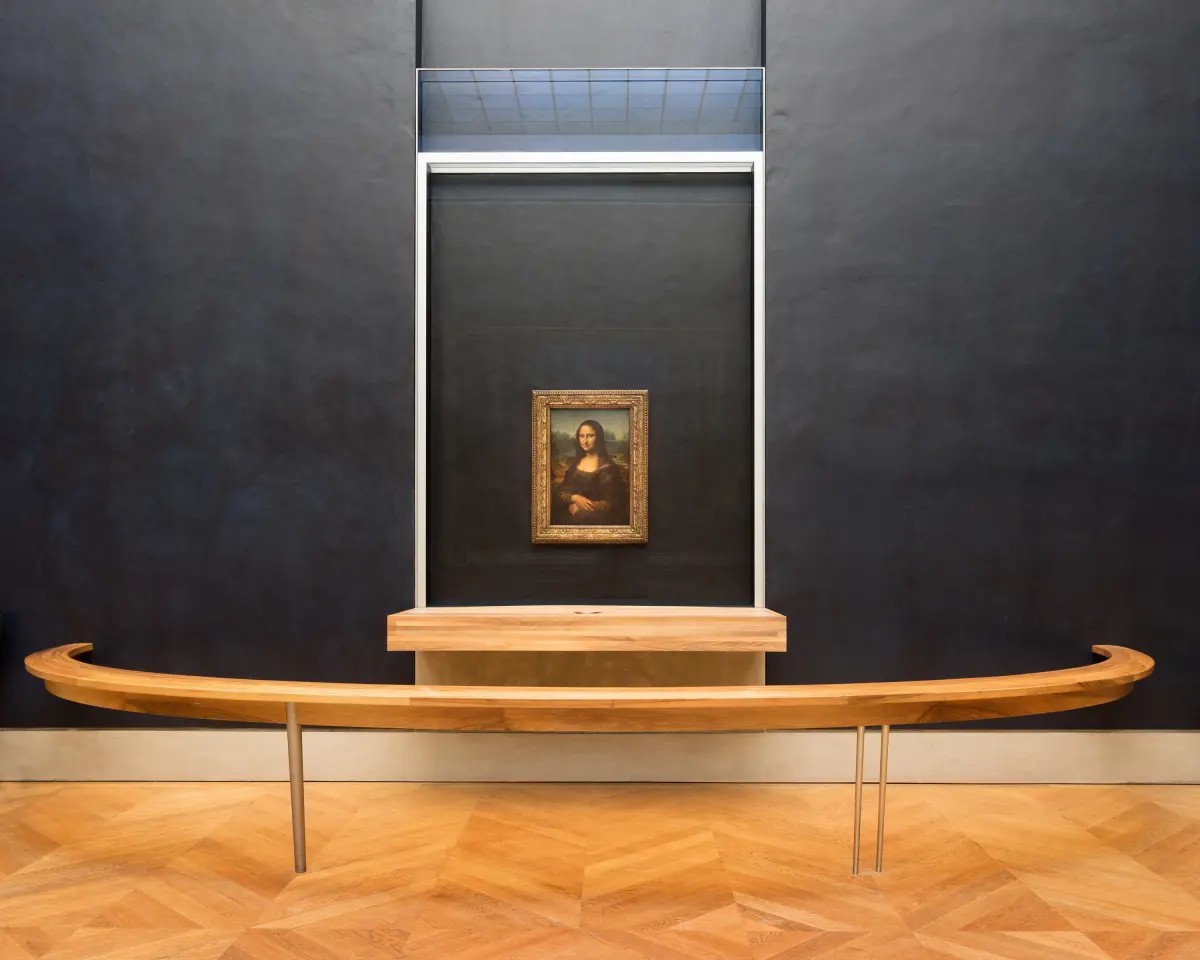
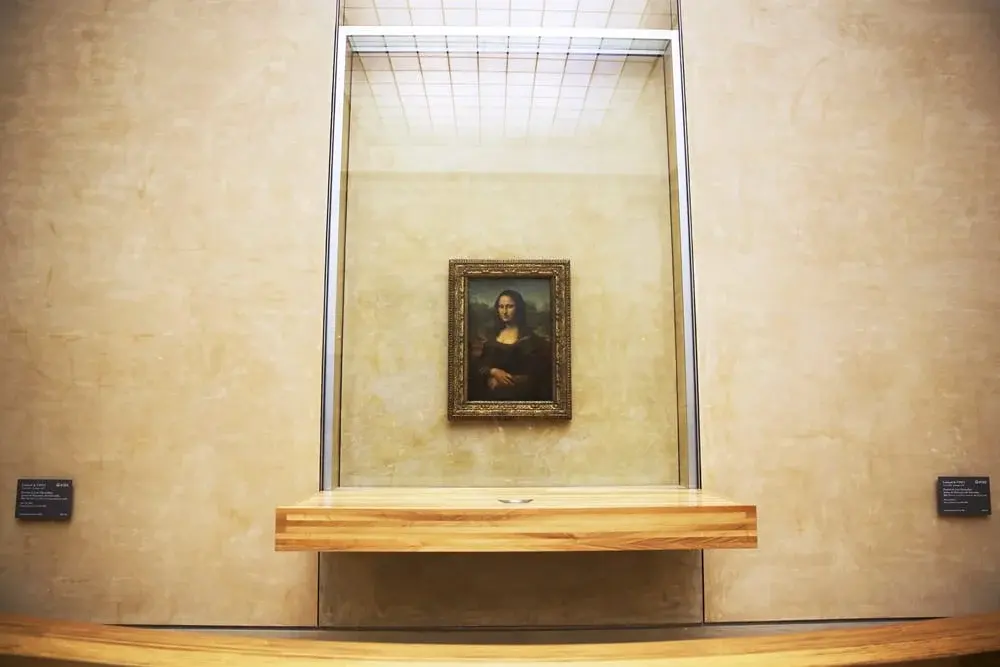
The Mona Lisa is permanently displayed in the Louvre Museum in Paris, France. It resides within the Salle des États, the museum's largest room, located in the Denon Wing. The painting is housed behind climate-controlled, bulletproof glass to protect it from environmental damage and potential security threats from the millions of annual visitors.
On this page
Where is the Mona Lisa located in the museum?
The Mona Lisa is situated in Room 711, known as the Salle des États, on the first floor of the Denon Wing. This gallery is the most visited space in the Louvre, specifically designed to accommodate the massive crowds that gather to see Leonardo da Vinci’s masterpiece. Visitors must navigate through the museum's complex layout, often following clearly marked signs that lead directly to the painting’s dedicated wall.
Because the Louvre is the world's largest art museum, finding the painting can be physically demanding. To reach it efficiently, follow these directions:
- Enter through the main Pyramid entrance and proceed to the Denon Wing.
- Follow the yellow "Mona Lisa" directional signage located on the walls and floor.
- Take the Denon escalator to the first floor and head toward the Grande Galerie.
- Continue past the large-scale Italian paintings until you reach the Salle des États.
How to plan your visit to see the Mona Lisa?
Planning your visit requires advance preparation, as the museum frequently reaches capacity. You must book a timed-entry ticket online through the official Louvre website weeks in advance to guarantee admission. Arriving at the museum without a reservation often results in being turned away, especially during peak travel seasons like summer or school holidays.
When planning your trip, consider these practical steps to ensure a smooth experience:
- Purchase your tickets online at least one month before your arrival date.
- Select an early morning or late evening time slot to avoid the largest crowds.
- Check the museum's official calendar for closures, as the Louvre is typically closed on Tuesdays.
- Download the digital museum map to your smartphone to navigate the wings easily.
What is the best time to see the Mona Lisa?
The best time to view the painting is immediately upon the museum's opening or during the late-night sessions. When the Louvre opens at 9:00 AM, visitors who head directly to the Denon Wing can often secure a spot near the barrier before the galleries become congested. Alternatively, the museum offers extended evening hours on Fridays, which generally see slightly lower foot traffic than weekend afternoons.
Avoid visiting during the middle of the day, specifically between 11:00 AM and 3:00 PM, when tour groups and school parties are at their peak. Being flexible with your schedule allows you to spend more time observing the portrait rather than waiting in a dense crowd. Remember that the museum begins clearing the galleries 30 minutes before the official closing time, so plan your route to ensure you arrive at the painting well before the final bell.
Common mistakes when visiting the Mona Lisa?
Many visitors make the mistake of rushing through the entire Louvre to reach the portrait, missing thousands of other significant works. The museum spans over 780,000 square feet, and focusing solely on one painting can lead to exhaustion and frustration. Another common error is failing to check the museum's bag policy; large backpacks and suitcases are strictly prohibited and must be stored in lockers, which can cause significant delays at the start of your visit.
To avoid a negative experience, keep these common pitfalls in mind:
- Do not bring large bags, as they will prevent you from entering the galleries.
- Avoid trying to see the entire museum in one day, which is physically impossible.
- Do not expect a private viewing; the painting is always surrounded by a large crowd of tourists.
- Avoid using flash photography, as it is prohibited and disruptive to other visitors.
Why is the Mona Lisa kept behind glass?
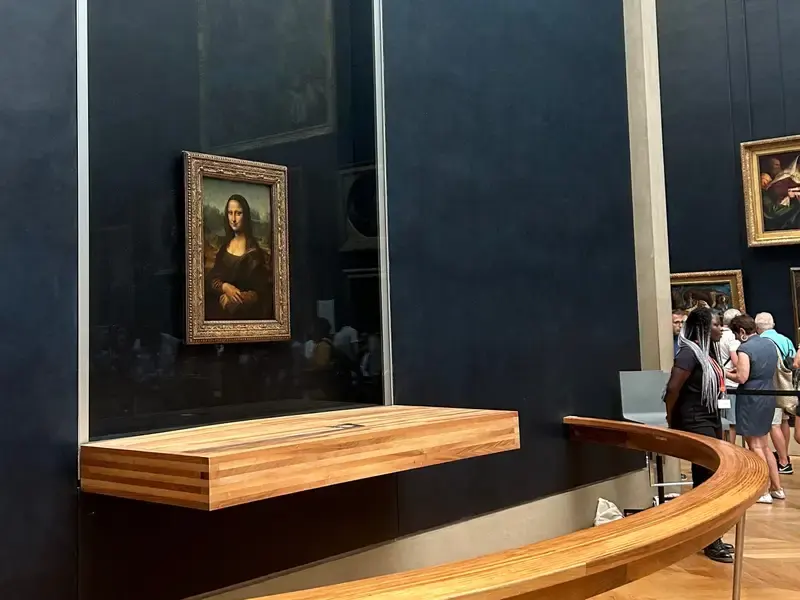
The painting is housed behind bulletproof, non-reflective glass to ensure its long-term preservation. Since a 1956 vandalism incident involving acid and a rock, the Louvre has implemented stringent security measures to protect the poplar wood panel from environmental fluctuations and physical harm. The glass is climate-controlled to maintain a constant temperature and humidity level, preventing the wood from warping or the paint from cracking over time.
While the glass creates reflections that can make viewing difficult, it is a necessary compromise for the survival of the artwork. The painting is also kept at a distance from the public by a wooden barrier, which prevents visitors from getting too close to the surface. By understanding these protective measures, you can better appreciate the efforts required to maintain one of history's most famous cultural treasures for future generations to study and enjoy.
Key facts
- The Mona Lisa is permanently displayed in the Louvre Museum in Paris, France.
- It hangs in the Salle des États, the largest room in the museum, located in the Denon Wing.
- The painting is housed behind bulletproof, climate-controlled glass to protect it from environmental damage and vandalism.
- Visitors must purchase a timed-entry ticket online in advance to guarantee access to the museum.
- The portrait is surprisingly small, measuring only 30 inches by 21 inches (77 cm by 53 cm).
- Avoid visiting on Tuesdays, as the Louvre is closed to the public on that day.
The bottom line
The Mona Lisa is the crown jewel of the Louvre Museum in Paris, located in the Denon Wing’s Salle des États. To ensure a successful visit, book your timed-entry ticket online well in advance and arrive early to avoid the largest crowds. Remember that the painting is smaller than many expect, so prepare for a brief but iconic encounter behind protective, climate-controlled glass.
People also ask
How long does it take to see the Mona Lisa?
While the walk to the Salle des États takes about 10 to 15 minutes from the main entrance, lines can be long. You should budget at least one hour to navigate the crowds and reach the front of the viewing barrier.
Can I take photos of the painting?
Yes, photography is permitted in the gallery. However, you must refrain from using flash, as the intense light can damage the centuries-old pigments of the oil painting.
Is there a specific time of day that is less crowded?
Early mornings immediately after the museum opens or during late-night openings on Fridays are typically less congested. Midday and weekends are consistently the busiest times for viewing the masterpiece.
Why is the Mona Lisa behind glass?
The painting has been protected by glass since the 1950s following a series of vandalism attempts. The current enclosure is a high-tech, climate-controlled case designed to maintain specific humidity and temperature levels.
Do I need a guided tour to find the painting?
No, you do not need a guide. The museum provides clear signage and maps that lead visitors directly to the Denon Wing and the Salle des États.
What happens if I lose my ticket?
If you have a digital ticket, you can simply pull it up on your mobile device at the entrance. If you purchased a physical ticket, you must visit the information desk for assistance, though entry is not guaranteed without proof of purchase.
This answer was created with the help of AI research tools and reference sources. Spotted an error? Let us know — we correct mistakes quickly. See our editorial policy.