How can I draw a bowl of ramen easily?
Short answer
Drawing a bowl of ramen is best achieved by starting with a simple U-shaped base and building layers of ingredients from the bottom up. By focusing on the circular perspective of the bowl and adding distinct textures for noodles, broth, and toppings, you can create a recognizable illustration using basic geometric shapes.
On this page
How to draw a ramen bowl for beginners
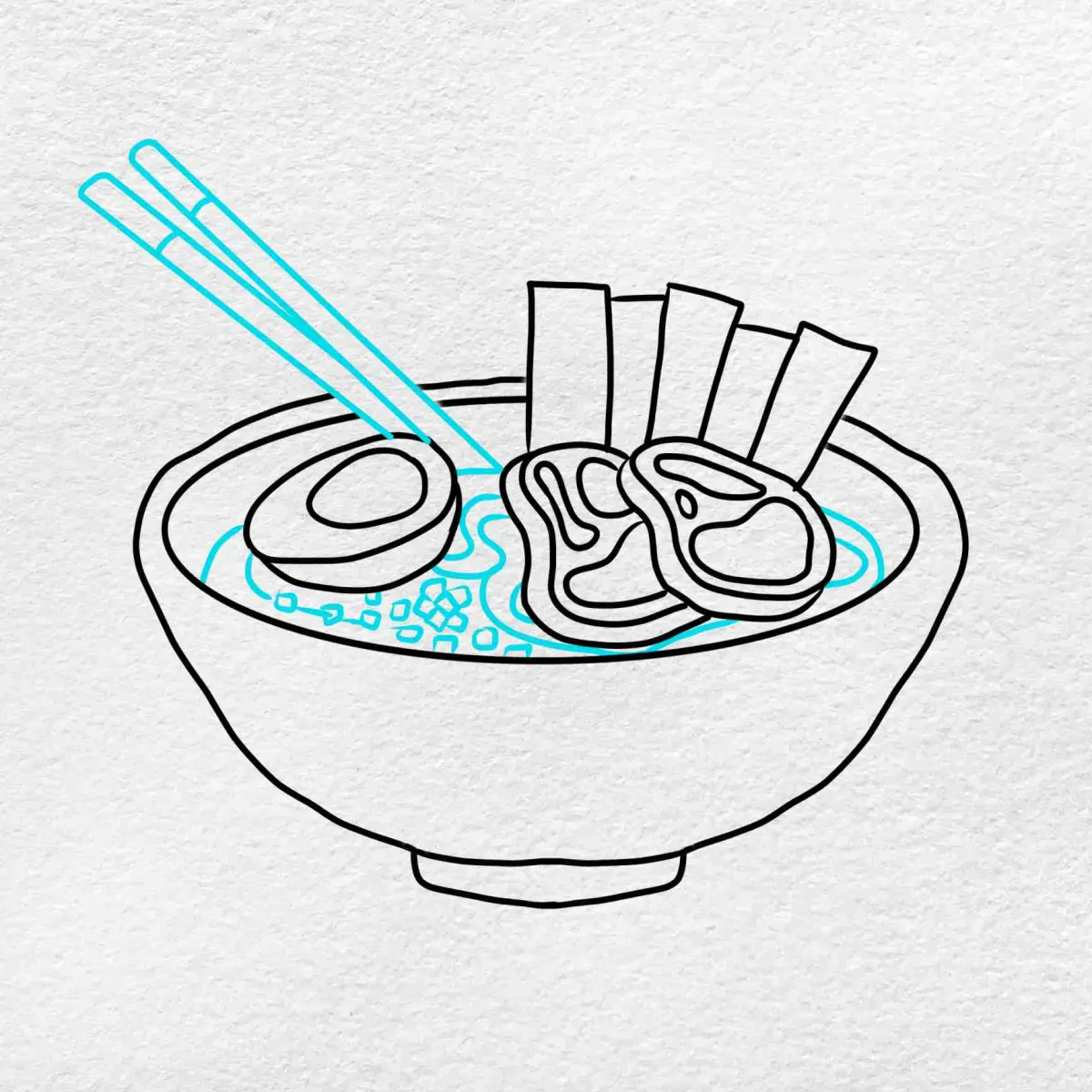
The foundation of a convincing ramen drawing lies in establishing the correct perspective of the bowl. Begin by sketching a wide, shallow oval to represent the opening of the bowl, then draw a curved U-shape connected to the bottom of the oval to form the body. This structure creates the illusion of depth. Once the container is set, draw a smaller, thinner oval inside the rim to indicate the surface level of the broth. Keeping these initial lines light allows you to erase or adjust the proportions before committing to darker ink or final shading.
To ensure your drawing looks balanced, follow these fundamental steps:
- Sketch the main bowl shape using a light pencil.
- Define the broth line slightly below the rim.
- Add a few wavy, tangled lines inside the broth to represent submerged noodles.
- Draw larger, distinct shapes on top for toppings like eggs or seaweed.
- Add a pair of chopsticks resting across the top of the bowl.
How to add toppings and texture
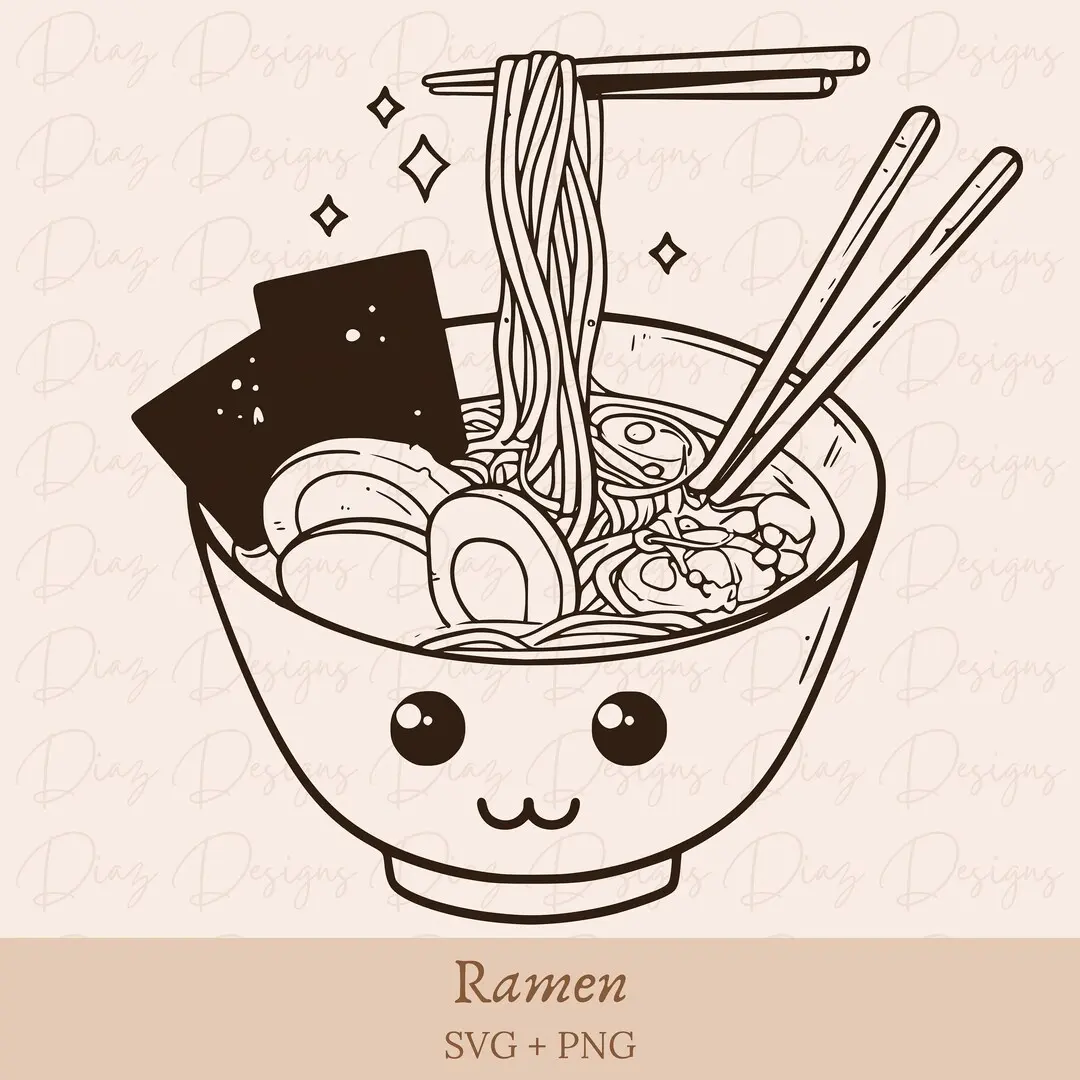
Ramen is defined by its variety of textures, which you can represent through specific drawing techniques. For the soft-boiled egg, draw a small oval and divide it with a single line to show the yolk. For the nori (seaweed), draw a dark, thin rectangle standing vertically against the side of the bowl. Adding green onions is as simple as drawing tiny, scattered circles or short, thin dashes across the surface. These small details provide visual interest and help the viewer immediately identify the dish as ramen rather than a generic soup.
When drawing the noodles, avoid making them perfectly straight or uniform. Ramen noodles are naturally tangled and messy. Use long, continuous, overlapping squiggles that vary in thickness. By varying the density of these lines, you can create the appearance of a crowded, hearty bowl. Remember to leave some negative space between the toppings so the composition does not look overly cluttered or confusing to the eye.
What tools are best for drawing food
For beginners, a standard HB graphite pencil is the best tool for initial sketching because it is easy to erase. Once the structure is defined, a fine-liner pen with a 0.5mm tip works well to create crisp, clean outlines for the bowl and ingredients. If you want to add color, alcohol-based markers are excellent for food illustrations because they blend smoothly, allowing you to mimic the translucent, oily sheen of ramen broth. Watercolor pencils also provide a soft, artistic finish that works particularly well for the steam rising from a hot bowl.
If you are working with markers, consider these tips for a professional look:
- Use light beige or tan for the broth to mimic a shoyu or miso base.
- Apply a darker shade of the same color near the edges of the bowl to suggest depth.
- Leave small white gaps on the surface of the broth to represent light reflections.
- Use a bright yellow for the egg yolk to create a focal point.
Why ramen drawings look flat
A common issue when drawing food is a lack of three-dimensional depth, which often happens when the artist ignores the curvature of the bowl. If you draw the noodles or toppings as if they are sitting on a flat surface, the drawing will lack realism. Always ensure that your toppings follow the curve of the broth's surface. By drawing the ingredients as if they are partially submerged, you reinforce the idea that they are floating in liquid. Adding a subtle shadow cast by the chopsticks onto the bowl rim also helps ground the objects in space.
Another reason for a flat appearance is the lack of contrast. Ramen broth is rarely a single flat color; it contains oil, spices, and reflections. By adding darker tones where the broth meets the noodles and lighter highlights on the surface, you create a sense of volume. Do not be afraid to use a dark grey or black to define the deepest parts of the bowl, as this contrast makes the brighter ingredients pop.
Common mistakes when drawing ramen
One frequent mistake is making the bowl too narrow or perfectly cylindrical, which makes it look like a tall cup rather than a traditional ramen bowl. Ramen bowls are typically wide and flared at the top, which allows for easier consumption and better presentation of toppings. Another error is drawing the noodles with sharp, jagged lines. Noodles are soft and flexible, so they should be drawn with smooth, flowing curves. If the lines are too stiff, the food will look like wire rather than cooked dough.
Finally, avoid overcrowding the bowl with too many toppings. While real ramen can be packed with ingredients, a drawing needs breathing room to be visually appealing. Focus on three or four key items—such as noodles, egg, pork, and green onions—to keep the composition clean. If you try to include every possible ingredient, the viewer will struggle to distinguish the individual elements, leading to a messy and unrefined final illustration. Stick to these core principles to ensure your artwork remains clear and appetizing.
Key facts
- Start by drawing a wide, shallow oval for the bowl's rim to establish perspective.
- Use simple, wavy lines to represent noodles, ensuring they overlap to create depth.
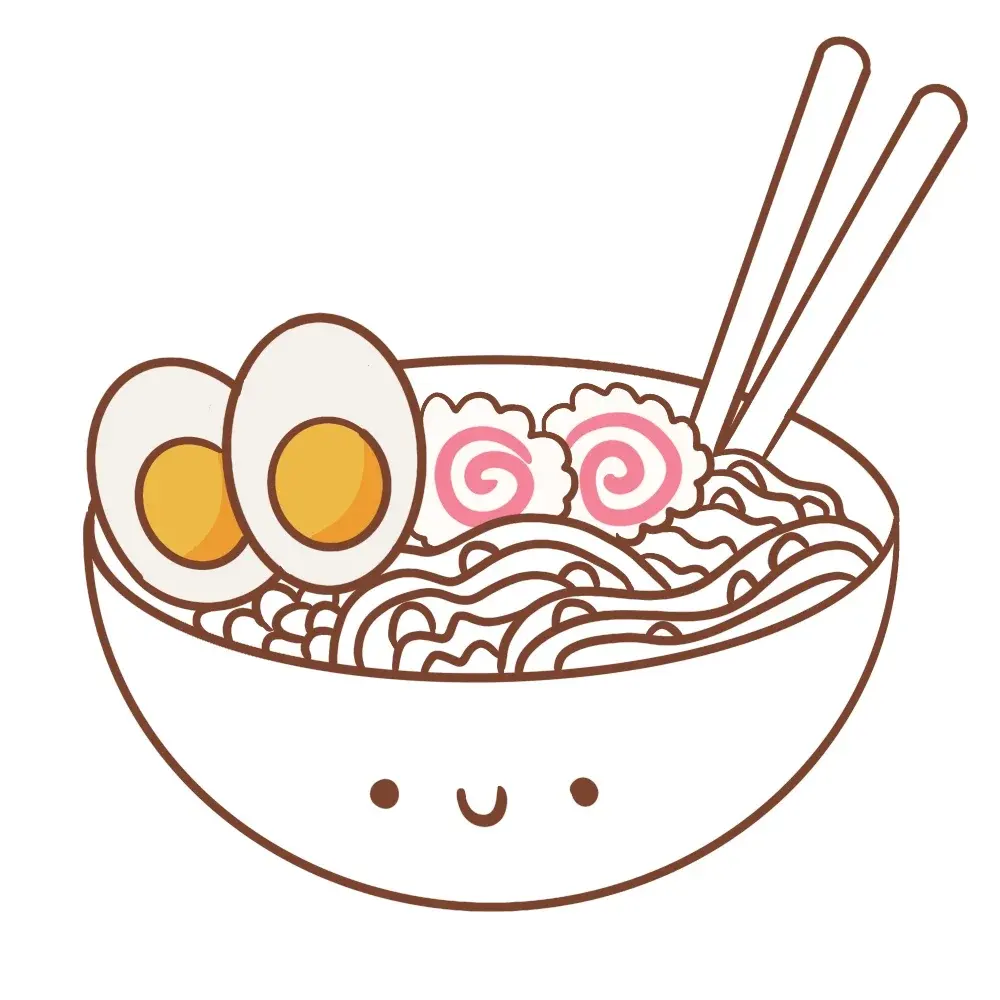
- Add circular slices of narutomaki (fish cake) with a small pink swirl for iconic detail.
- Place toppings like a soft-boiled egg, halved vertically, near the center of the bowl.
- Use varying line weights to make the bowl look sturdy and the ingredients appear delicate.
- Incorporate steam lines rising from the bowl to suggest heat and freshness.
The bottom line
Drawing a bowl of ramen is an exercise in layering simple geometric shapes to create a complex, appetizing scene. By focusing on the perspective of the bowl and the chaotic, overlapping nature of the noodles, you can easily capture the essence of the dish. Remember to prioritize distinct toppings like eggs and fish cakes, as these recognizable elements provide the visual cues necessary for a successful illustration.
People also ask
What is the best medium for a beginner to draw ramen?
Graphite pencils are ideal because they allow you to sketch light guidelines before committing to permanent ink. Once the structure is set, fine-tip felt markers or colored pencils help add the necessary vibrancy to the broth and toppings.
How do I make the broth look realistic?
Use light, warm tones like beige or light orange to fill the negative space between noodles. Adding subtle, darker streaks near the bottom of the bowl creates the illusion of depth and liquid density.
Should I draw the chopsticks inside or outside the bowl?
Drawing them resting across the rim is a classic composition choice that adds movement. Ensure the chopsticks are drawn at a slight angle to break up the symmetry of the circular bowl.
How can I make the noodles look more natural?
Avoid drawing perfectly parallel lines, as real noodles are tangled and messy. Overlap your wavy lines and leave small gaps to show where they dip into the broth.
What are the most important toppings to include for recognition?
A soft-boiled egg, green onion slices, and nori (seaweed) sheets are essential. These distinct shapes help the viewer immediately identify the dish as ramen rather than generic soup.
What is a common mistake when drawing the bowl?
Many beginners draw the bowl as a flat circle, which makes it look like a plate. Always draw an oval to represent the top opening to give the bowl a three-dimensional, volumetric appearance.
This answer was created with the help of AI research tools and reference sources. Spotted an error? Let us know — we correct mistakes quickly. See our editorial policy.