How can I draw a fireplace easily?
Short answer
Drawing a fireplace is best achieved by starting with a simple rectangular frame and adding depth through perspective. By establishing a central hearth and a mantel, you create a balanced structure. Use basic geometric shapes to build the firebox, then add details like bricks, logs, or decorative molding to finish the sketch.
On this page
How to draw a basic fireplace structure
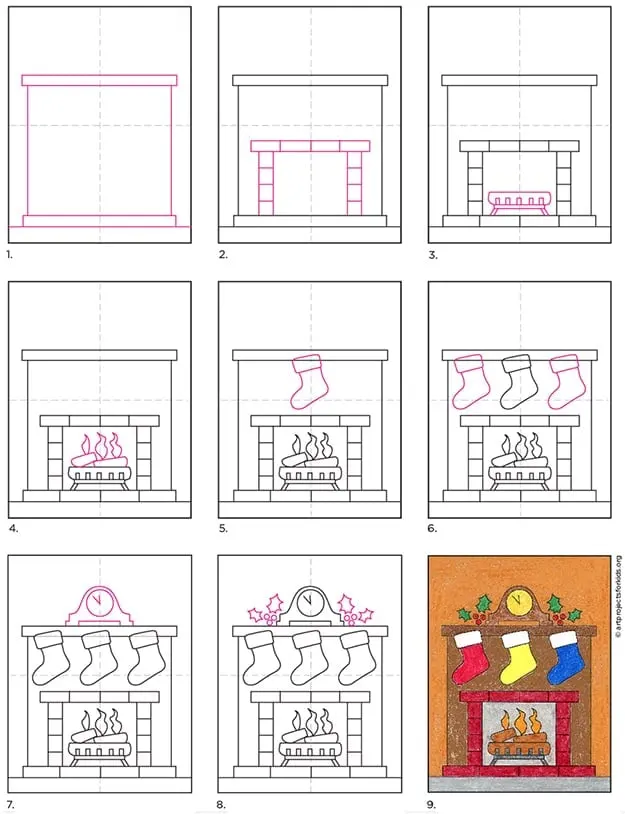
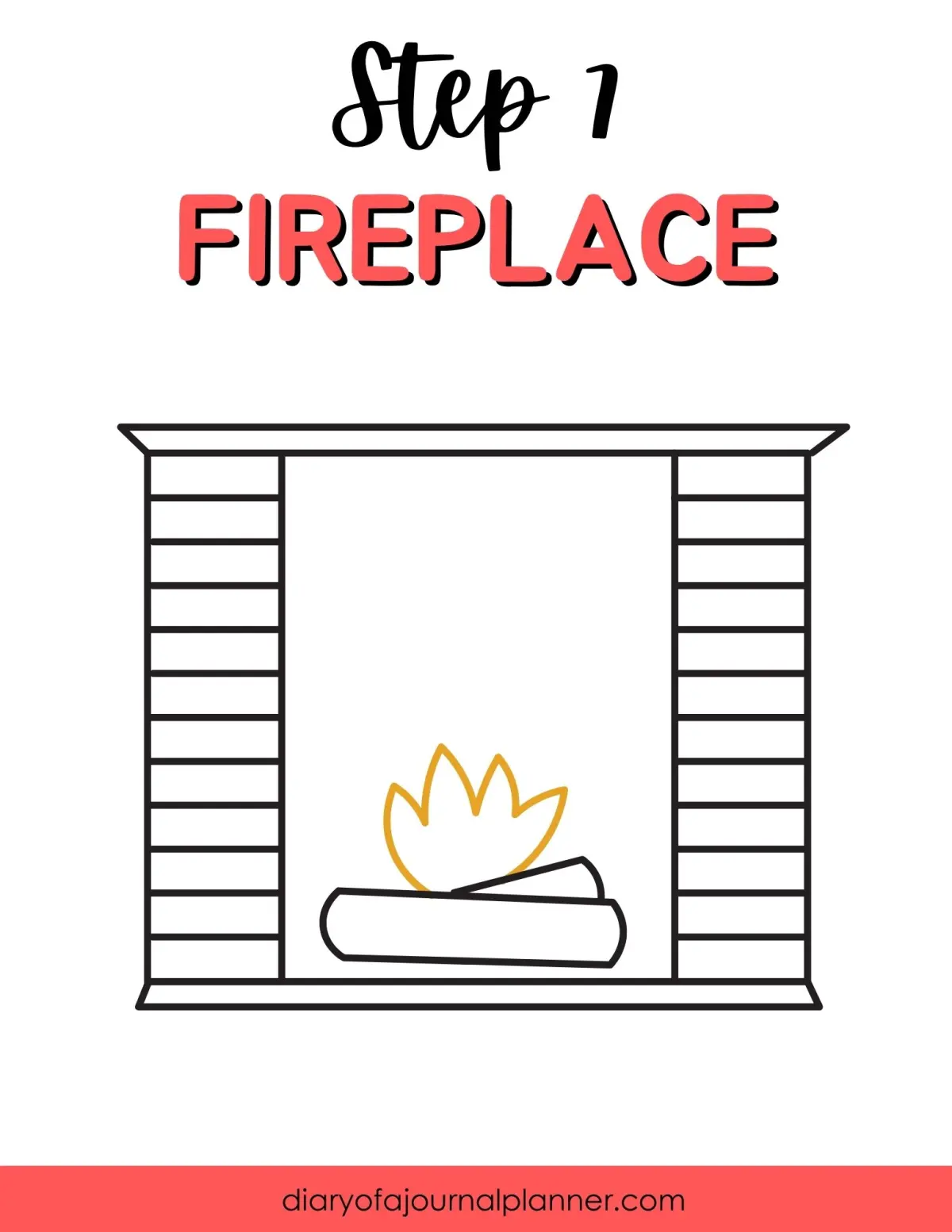
To begin your drawing, start by sketching a large rectangle on your paper to represent the overall footprint of the fireplace. Inside this rectangle, draw a smaller, centered square or rectangle to serve as the firebox where the flames will sit. Using a light pencil stroke allows you to adjust the proportions before committing to permanent lines. Ensure the firebox is centered horizontally to maintain visual balance, which is a hallmark of traditional fireplace design.
Once the primary shapes are in place, add a horizontal line above the firebox to represent the mantelpiece. You can give this mantel depth by drawing a thin, elongated rectangular prism extending slightly from the wall. This simple geometric approach provides a sturdy foundation for any style of fireplace, whether you prefer a minimalist modern look or a classic stone design. Always keep your lines straight by using a ruler if necessary, as symmetry is essential for a professional appearance.
How to add depth and perspective
Creating a realistic fireplace requires an understanding of depth, which is achieved by adding thickness to the firebox walls. Draw a series of short, diagonal lines from the corners of the inner firebox toward the back wall of the hearth. This technique, known as one-point perspective, makes the fireplace appear as if it is recessed into the wall rather than simply sitting flat on the surface. Adding these interior side walls creates a sense of space that invites the viewer to look inside.
To further enhance the three-dimensional effect, consider these steps:
- Draw a slightly curved line at the base of the firebox to represent the floor of the hearth.
- Add a thin border around the firebox opening to simulate a metal frame or stone surround.
- Use light shading on the interior side walls to suggest that the back of the firebox is deeper and darker.
- Place a small, dark shape at the very back to represent the chimney flue opening.
Best materials for beginners to use
When starting out, a standard HB graphite pencil is the most versatile tool for sketching the initial layout. Graphite allows for easy erasing, which is vital when you are refining the proportions of the mantel or the firebox opening. For those who want to add texture, a softer 2B or 4B pencil is excellent for creating the dark shadows inside the hearth. These softer leads provide a deep, rich black tone that makes the firebox appear truly hollow.
For the finishing touches, consider using a fine-liner pen to trace your finalized pencil lines. This adds a clean, professional look to your work and prevents the graphite from smudging over time. If you choose to add color, colored pencils or light watercolor washes are ideal for beginners because they are easy to control. Focus on using earthy tones like burnt sienna, ochre, or slate gray to mimic the look of brick, stone, or cast iron materials commonly found in fireplace construction.
Common mistakes when drawing fireplaces
One of the most frequent errors is failing to maintain consistent perspective, which results in a fireplace that looks tilted or lopsided. This often happens when the lines of the mantel are not perfectly parallel to the top of the firebox. To avoid this, always use a straight edge to check your horizontal lines against the bottom edge of your paper. Another common mistake is making the firebox too small in relation to the mantel, which ruins the scale of the entire structure.
To ensure your drawing remains accurate, watch out for these pitfalls:
- Over-detailing the bricks before the basic structure is correct.
- Ignoring the shadow cast by the mantelpiece onto the wall below.
- Making the hearth floor perfectly flat, which ignores the slight slope or texture of stone.
- Forgetting to leave white space for highlights, which makes the fireplace look flat and lifeless.
- Using uneven line weights that distract from the main focal point of the firebox.
How to add realistic details and textures
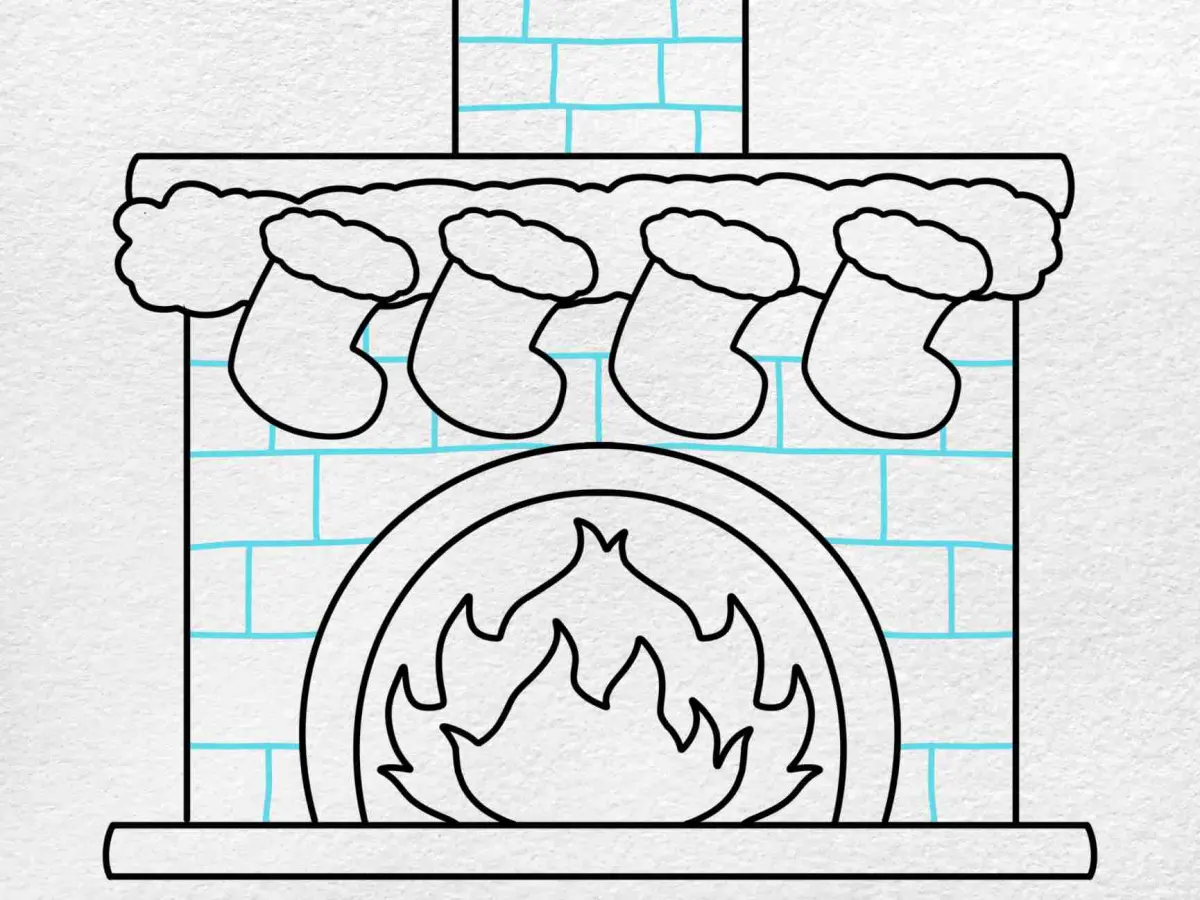
Once the structure is sound, you can bring the fireplace to life by adding textures that suggest specific materials. If you want a brick fireplace, draw a grid of slightly irregular rectangles, ensuring that the vertical lines of the bricks are staggered in each row. For a stone fireplace, use varied, organic shapes with rounded edges and fill the gaps with small, dark dots to represent mortar. These details add character and make the drawing feel authentic rather than like a static diagram.
Finally, consider adding accessories to make the scene feel lived-in and cozy. You might draw a pair of fireplace tools, such as a poker or a shovel, leaning against the side of the hearth. Adding a few logs inside the firebox, represented by simple cylinders with circular ends, adds a sense of warmth and purpose to the drawing. By combining these textures with simple, well-proportioned geometric shapes, you can create a fireplace that looks both structurally sound and invitingly realistic on your page.
Key facts
- Start by drawing a simple rectangle to serve as the outer frame of your fireplace.
- Use a smaller inner rectangle to define the firebox where the logs rest.
- Add a horizontal line across the top of the frame to represent the mantelpiece.
- Draw vertical lines extending from the mantel to the floor to create the hearth's side pillars.
- Incorporate diagonal lines inside the firebox to simulate the depth of the hearth.
- Use a ruler to ensure your vertical and horizontal lines remain parallel for a professional look.
The bottom line
Drawing a fireplace is an exercise in basic geometry and perspective. By starting with a simple rectangular frame and adding depth through shading and structural details like a mantel, you can create a convincing hearth. Focus on maintaining straight lines with a ruler and using light, preliminary sketches to ensure proper alignment. With these foundational steps, you can easily customize your fireplace with bricks, flames, or accessories.
People also ask
What is the best way to draw realistic flames inside the fireplace?
Draw teardrop shapes with rounded bottoms and pointed tops to mimic flickering fire. Layer them by overlapping smaller flames in front of larger ones to create a sense of movement.
How do I make the fireplace look three-dimensional?
Apply shading to the inner walls of the firebox using a darker pencil lead. This contrast between the bright outer frame and the dark interior creates the illusion of depth.
Should I draw the bricks individually?
You can draw a simple grid pattern over the fireplace frame to suggest brickwork. Keep the lines light and slightly irregular to avoid a rigid, unnatural appearance.
How can I draw a chimney above the fireplace?
Extend two vertical lines upward from the top of the mantel area to form the chimney breast. Connect them with a horizontal line at the ceiling level to ground the structure.
What are common mistakes when drawing a fireplace?
A frequent error is making the firebox too small or off-center. Always use a light sketch first to ensure the proportions align before committing to dark, permanent lines.
Can I add accessories like fireplace tools?
Yes, draw simple vertical lines with small hooks on the sides to represent a poker or shovel. Placing these next to the hearth adds scale and a lived-in aesthetic to your drawing.
This answer was created with the help of AI research tools and reference sources. Spotted an error? Let us know — we correct mistakes quickly. See our editorial policy.