How do you draw a cathedral for beginners?
Short answer
Drawing a cathedral for beginners involves breaking down its complex Gothic architecture into simple geometric shapes. Start by sketching a large rectangle for the main body, adding triangles for the roof and towers. Focus on verticality, symmetry, and repeating patterns like pointed arches and windows to capture the structure’s iconic, majestic silhouette.
On this page
How to draw a cathedral step by step
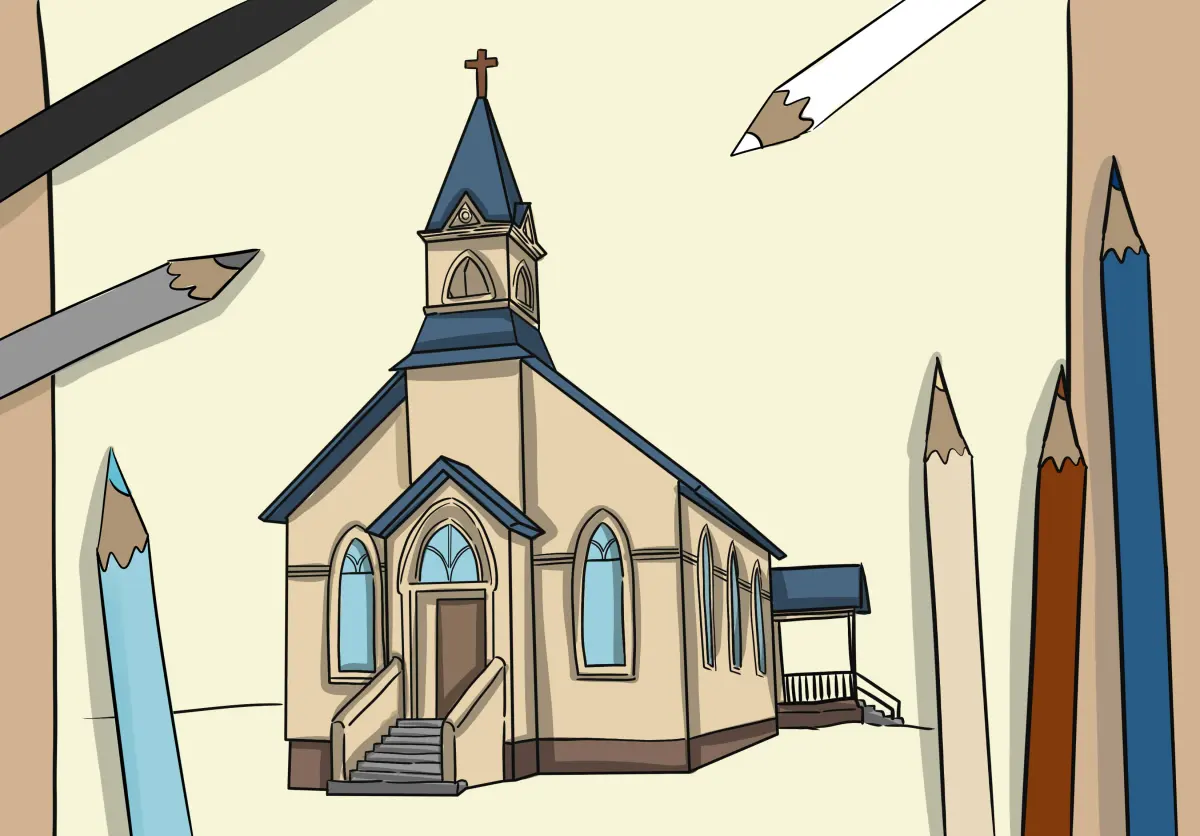
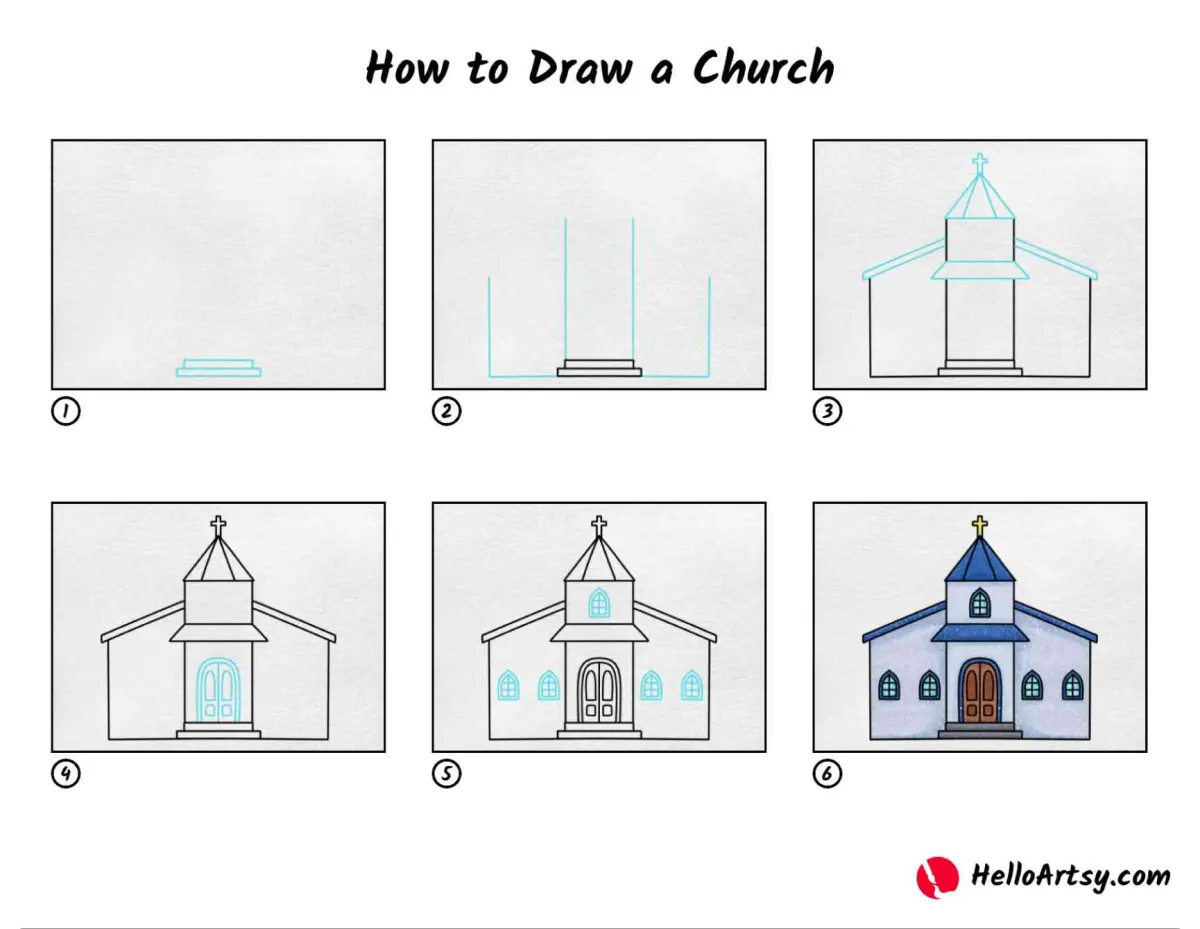
To begin your drawing, establish a strong vertical foundation. Cathedrals are defined by their height, so use a vertical orientation for your paper. Start by drawing a central rectangle for the nave and two smaller, narrower rectangles on either side for the aisles. Use a ruler to ensure your lines are perfectly straight, as architectural drawing relies heavily on precision and structural integrity.
Once the base is set, add the rooflines using triangles. Gothic cathedrals, such as Notre-Dame de Paris, typically feature steep, pointed gables. Place tall, thin rectangles on the front corners to serve as the base for the twin towers. You can add depth by drawing these towers slightly overlapping the main body of the building. Keep your initial lines light so you can easily erase or adjust them later.
- Draw the primary rectangular body of the cathedral.
- Outline the steep triangular roofs atop the nave and aisles.
- Place two tall rectangles at the front for the towers.
- Add small vertical lines to create the illusion of buttresses along the sides.
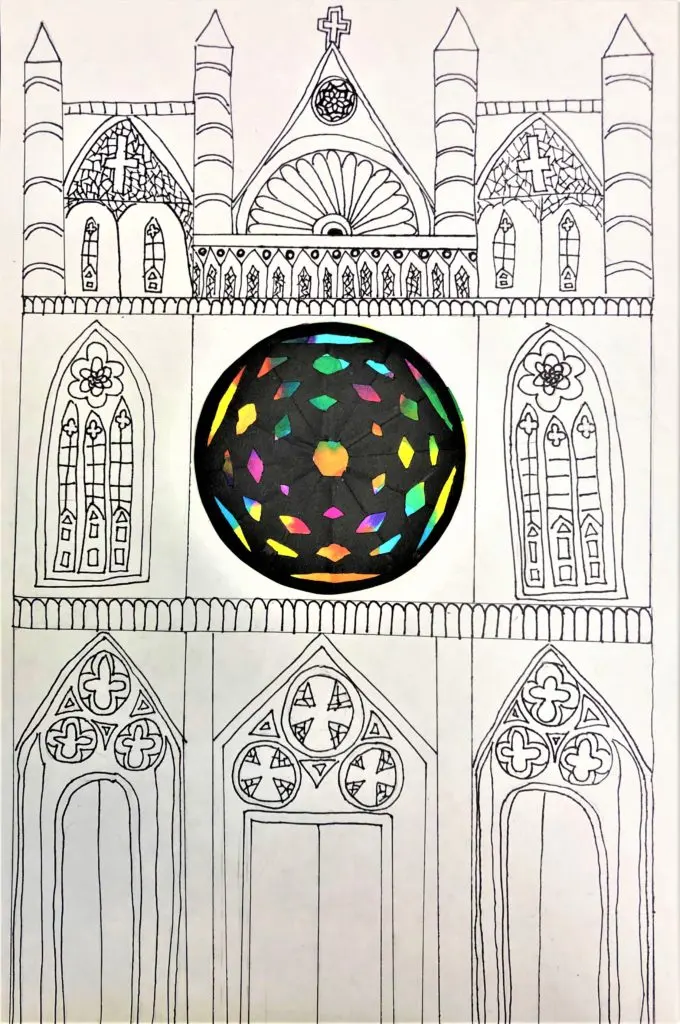
- Sketch the pointed arches for the main entrance and windows.
Best tools for cathedral drawing
Choosing the right equipment makes the process significantly more manageable for beginners. A mechanical pencil with 0.5mm or 0.7mm lead is ideal for creating the sharp, crisp lines required for stone masonry and window tracery. Unlike wooden pencils, mechanical versions maintain a consistent tip width, which is essential when drawing the intricate, repetitive details common in cathedral architecture.
In addition to a pencil, you should use a high-quality metal ruler and a kneadable eraser. The ruler ensures your vertical lines remain true, while the eraser allows you to lift graphite without damaging the paper surface. For the final stages, consider using a fine-liner pen with waterproof ink. This allows you to go over your pencil lines, giving the drawing a professional, architectural look that mimics the precision of historical blueprints.
- Mechanical pencil (0.5mm) for structural outlines.
- Metal ruler for perfectly straight edges.
- Kneadable eraser for precision cleaning.
- Fine-liner pens (0.1mm to 0.3mm) for final detailing.
- Smooth-surface sketchbook paper to prevent ink bleeding.
Why cathedral proportions matter
Proportion is the most critical element in architectural drawing. Gothic cathedrals were designed using mathematical ratios intended to draw the eye upward toward the heavens. If your towers are too short or the nave is too wide, the building will lose its sense of grandeur. Aim for a height-to-width ratio of at least three-to-one to capture the soaring, vertical aesthetic characteristic of the medieval period.
Symmetry is equally important for beginners. Most cathedrals follow a balanced floor plan where the left side mirrors the right. Use your center line as a guide to measure distances for windows and buttresses on both sides. If you find your drawing looks lopsided, check your measurements against the center axis. Consistency in the size of your arches and the spacing of your buttresses will make the drawing feel authentic and structurally sound.
Common mistakes when drawing cathedrals
A frequent error for beginners is attempting to draw every single stone or decorative carving. This often leads to a cluttered, messy image that loses the overall shape of the building. Instead, focus on the "rhythm" of the architecture. Use simple, repeating vertical lines to suggest the texture of stone or the presence of stained-glass windows rather than trying to illustrate every individual pane of glass.
Another mistake is ignoring the perspective of the towers. Beginners often draw towers as flat rectangles, which makes the building look like a cardboard cutout. To fix this, add a tiny sliver of a side panel to the towers to show depth. This three-dimensional approach provides a sense of volume. Avoid using thick, heavy lines for everything; reserve your darkest, boldest lines for the foreground and keep background elements lighter to create a sense of atmospheric space.
How to add detail to cathedral drawings
Once the basic structure is secure, you can enhance the drawing with Gothic details. Start with the pointed arch, which is the hallmark of the style. Draw these arches over your doors and windows to immediately signal the cathedral’s historical period. You can also add flying buttresses—the arched supports that extend from the walls—by drawing thin, curved lines connecting the main body to the outer edges.
Finally, consider the lighting. Cathedrals are massive, imposing structures, so they should have clear highlights and shadows. Choose a light source—perhaps the upper left corner—and shade the opposite side of your towers and buttresses. This simple shading technique creates a three-dimensional effect that makes the stone appear solid and heavy. By focusing on these specific architectural elements, you transform a simple outline into a convincing representation of a historic cathedral, completing your artistic study with confidence and stylistic accuracy.
Key facts
- Start by drawing a large rectangle for the main body and a triangle on top for the roof.
- Use a vertical line down the center to ensure your structure remains symmetrical.
- Gothic cathedrals are defined by pointed arches rather than the rounded ones found in Romanesque architecture.
- Add flying buttresses, which are the arched supports extending from the exterior walls, to give the drawing structural realism.
- Draw thin, tall rectangles for stained-glass windows to mimic the vertical emphasis of the Gothic style.
- Use a vanishing point on the horizon line to create accurate perspective and depth in your drawing.
The bottom line
Drawing a cathedral is an exercise in geometric precision and vertical scale. By mastering basic shapes like rectangles and triangles before adding characteristic Gothic elements such as pointed arches and flying buttresses, you can create a compelling architectural sketch. Focus on symmetry and perspective to ensure your building looks grounded. With patience and attention to structural detail, you will successfully capture the grandeur of these historic monuments.
People also ask
What is the difference between a cathedral and a church?
A cathedral is the seat of a bishop and serves as the principal church of a diocese. While all cathedrals are churches, not every church holds the administrative status of a cathedral.
Why do cathedrals have such high ceilings?
Architects designed high ceilings to draw the eyes of worshippers upward toward the heavens. This verticality was intended to create a sense of awe and spiritual transcendence.
How do I draw a rose window?
Start by drawing a large circle and dividing it into segments like a pizza. Add smaller circles and petal-like shapes inside each segment to create the intricate geometric pattern.
What are gargoyles used for in cathedral design?
Gargoyles were primarily functional water spouts designed to direct rainwater away from the masonry walls. They were often carved into grotesque shapes to ward off evil spirits.
Should I use a ruler for my drawing?
Using a ruler is helpful for establishing the initial structural lines and perspective. However, freehand sketching adds character and organic texture to the stone details.
How do I make the stone look realistic?
Use light cross-hatching to represent the texture of weathered stone. Vary your line pressure to show shadows where the buttresses meet the main walls.
This answer was created with the help of AI research tools and reference sources. Spotted an error? Let us know — we correct mistakes quickly. See our editorial policy.