What is Joshua Reynolds known for?
Short answer
Sir Joshua Reynolds was the preeminent 18th-century English portrait painter and the first president of the Royal Academy of Arts. He is celebrated for his "Grand Manner" style, which elevated portraiture by incorporating classical poses and mythological themes, and for his influential Discourses on Art, which defined British academic painting standards.
On this page
Why is Joshua Reynolds considered important?
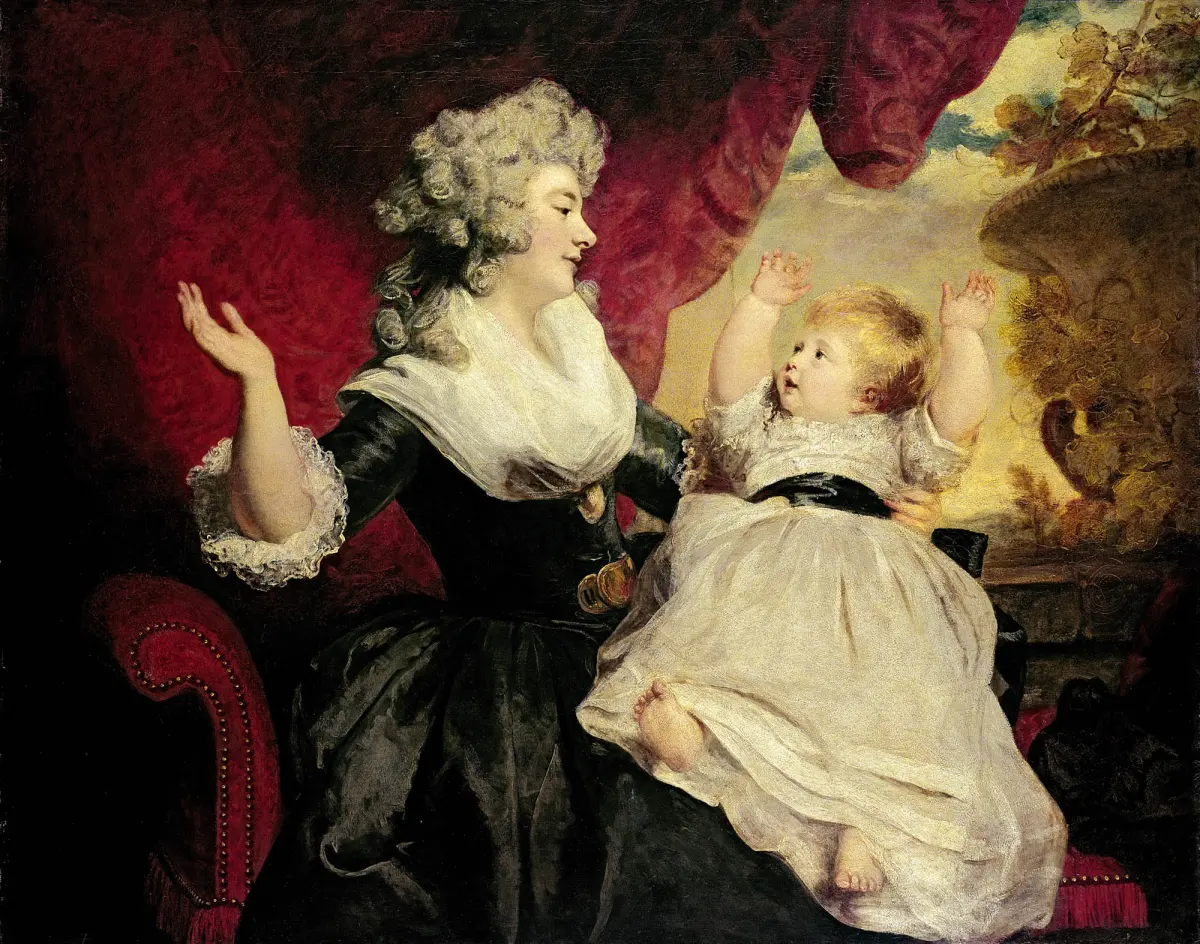
Joshua Reynolds dominated the British art scene during the mid-to-late 18th century, serving as the leading portraitist for the aristocracy and the intellectual elite. His significance lies in his effort to elevate the status of the British artist from a mere craftsman to a respected intellectual. By founding the Royal Academy of Arts in 1768, he established a formal structure for artistic education and exhibition that defined the British art world for generations.
His influence extended beyond his own canvases through his series of fifteen Discourses on Art. These lectures, delivered to students at the Royal Academy, argued that painting should be based on classical principles rather than mere imitation of nature. He championed the "Grand Manner," a style that borrowed elements from Italian Renaissance masters like Raphael and Michelangelo to give contemporary subjects a sense of timeless dignity. This intellectual approach transformed how British society perceived the role of the artist and the purpose of portraiture.
What is the Grand Manner style?
The Grand Manner was Reynolds’s signature approach to portraiture, designed to imbue his sitters with historical weight and moral character. Rather than simply recording a person's physical features, he utilized classical iconography, dramatic lighting, and idealized poses to suggest that the subject possessed heroic virtues. This technique allowed him to bridge the gap between contemporary fashion and the timeless themes of history painting, which was considered the highest form of art at the time.
To achieve this effect, Reynolds employed several specific artistic strategies:
- Borrowing poses from classical statues or Renaissance frescoes to ground the sitter in historical tradition.
- Using rich, atmospheric backgrounds that often included ruins, landscapes, or classical columns.
- Emphasizing the psychological depth of the sitter through subtle expressions and carefully arranged drapery.
- Utilizing a muted color palette to focus attention on the dignity of the figure rather than decorative details.
By applying these methods, Reynolds successfully elevated the social standing of his wealthy patrons, presenting them as heirs to the classical tradition.
How to identify a Joshua Reynolds portrait?
Identifying a work by Reynolds requires looking for his specific blend of realism and classical artifice. His portraits often feature a distinct "sfumato" effect, where edges are softened to create a sense of atmosphere, and a masterful use of light and shadow, or chiaroscuro. While his faces are often highly individualized and realistic, the bodies are frequently posed in ways that evoke historical figures, making the subjects appear both modern and eternal.
When examining his works, consider these key characteristics:
- Look for the "Grand Manner" influence, such as a sitter posed like a Roman senator or a mythological figure.
- Observe the background, which is rarely a simple wall but often a dramatic, dark, or romanticized landscape.
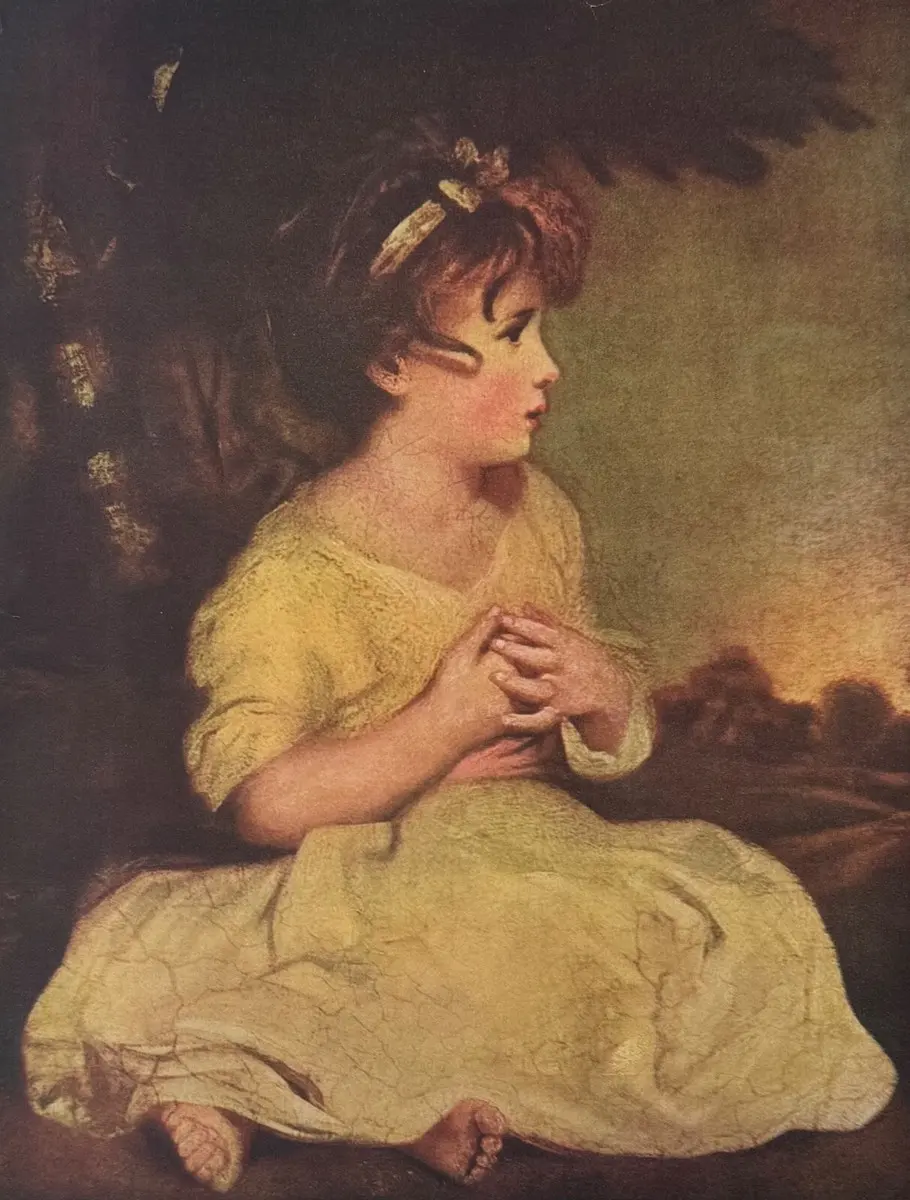
- Check the handling of paint, as Reynolds famously experimented with pigments and binders, sometimes leading to the cracking or fading seen in his later works.
- Notice the psychological engagement; Reynolds was known for capturing a sense of intelligence and alertness in his subjects' eyes.
What are his most famous works?
Reynolds produced thousands of portraits during his prolific career, but a few stand out for their technical brilliance and historical impact. His portrait of Sarah Siddons as the Tragic Muse (1784) is a quintessential example of his ability to blend portraiture with allegory. In this work, he depicts the famous actress as a figure from classical mythology, surrounded by symbols of tragedy, effectively elevating her status to that of a goddess.
Other essential works include:
- Colonel Acland and Lord Sydney: The Archers (1769): A vibrant display of his ability to paint active, outdoor scenes.
- The Age of Innocence (c. 1788): A charming, sentimental portrait of a young girl that became one of the most popular images in British art history.
- Self-Portrait as a Deaf Man (1780): A rare, intimate look at the artist that highlights the personal challenges he faced while maintaining his professional stature.
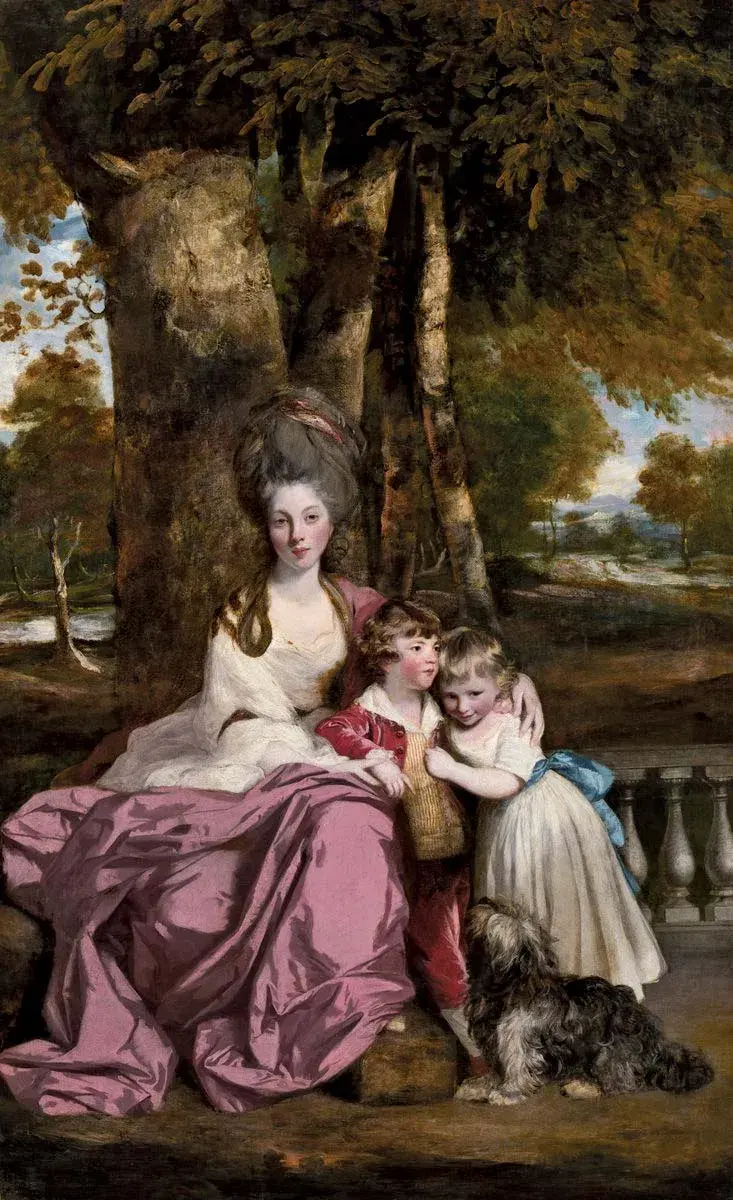
- Lady Elizabeth Delmé and Her Children (1777): A masterpiece of group composition that balances maternal affection with aristocratic grandeur.
Common mistakes when studying Reynolds
A frequent error when studying Reynolds is assuming that his experimental techniques were intentional stylistic choices. In his quest for the perfect color and texture, he often mixed unconventional materials like wax, bitumen, and egg yolk into his oils. While these mixtures initially created beautiful, luminous effects, they were chemically unstable. Consequently, many of his paintings have suffered from severe cracking, fading, or darkening over the centuries, which can sometimes lead viewers to misjudge his original color palette.
Another common mistake is viewing his work solely as propaganda for the ruling class. While it is true that he painted the wealthy, his Discourses reveal a deeply thoughtful man who was genuinely concerned with the development of a national school of art. He believed that by studying the masters of the past, British artists could create a legacy that rivaled the great traditions of Italy, France, and the Netherlands. Ignoring this intellectual framework makes it difficult to understand why he was so revered by his contemporaries and why his legacy remains central to the history of Western art.
Key facts
- Sir Joshua Reynolds (1723–1792) was the most influential English portrait painter of the 18th century.
- He served as the first president of the Royal Academy of Arts, founded in London in 1768.
- He championed the "Grand Style," which idealized subjects by incorporating elements from classical art and Italian Renaissance masters.
- Reynolds frequently experimented with unstable pigments like bitumen, which caused many of his paintings to crack or fade over time.
- He authored the Discourses on Art, a series of fifteen influential lectures delivered to Royal Academy students between 1769 and 1790.
- To improve your own portraiture, study his use of "chiaroscuro"—the dramatic contrast between light and dark—to add depth and psychological weight to a subject.
The bottom line
Sir Joshua Reynolds transformed British art by elevating portraiture to a high intellectual discipline. Through his leadership at the Royal Academy and his scholarly writings, he defined the aesthetic standards of his era. Despite the technical flaws in his experimental painting methods, his ability to capture the psychological presence of his sitters ensures his enduring legacy as a foundational figure in the history of Western art.
People also ask
What was the "Grand Style" in Reynolds's work?
The Grand Style was an artistic approach that elevated portraiture by referencing historical, mythological, or literary themes. Reynolds believed that painters should study the Old Masters to lend their subjects a sense of dignity and timelessness.
Why are many of Reynolds's paintings in poor condition today?
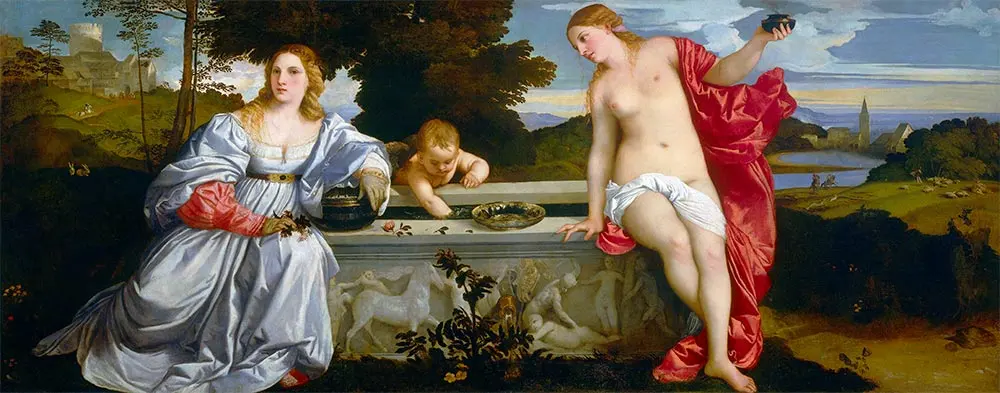
Reynolds was obsessed with achieving the rich, glowing effects of Venetian painters like Titian. He often mixed experimental materials, such as wax and bitumen, into his oil paints, which never fully dried and caused the surface to crack or darken.
Did Reynolds paint anyone other than the aristocracy?
While he primarily served the wealthy elite, he also painted notable actors, writers, and intellectuals of his day. His portrait of the actress Sarah Siddons as the "Tragic Muse" is one of his most famous non-aristocratic works.
What was Reynolds's role in the Royal Academy?
As the first president, he established the institution's curriculum and prestige. He used his position to advocate for the professional status of artists, arguing that painting was an intellectual pursuit rather than just a manual craft.
How did Reynolds approach the composition of his portraits?
He often placed his subjects in elaborate, theatrical poses inspired by classical sculpture. He paid careful attention to the background, using landscapes or architectural elements to suggest the social standing and personality of the sitter.
Was Reynolds a rival of Thomas Gainsborough?
Yes, the two men had a famous professional rivalry that defined the London art scene. While Reynolds favored intellectual, formal compositions, Gainsborough preferred a more fluid, intuitive, and naturalistic style of painting.
This answer was created with the help of AI research tools and reference sources. Spotted an error? Let us know — we correct mistakes quickly. See our editorial policy.