How do you draw a bulldog for beginners?
Short answer
Drawing a bulldog requires focusing on its iconic, stocky silhouette and distinct facial features. Begin by sketching simple geometric shapes to establish the heavy, muscular frame. Then, add the characteristic wrinkled skin, undershot jaw, and small, folded ears. By layering these specific anatomical details, you can capture the breed's unique, sturdy personality.
On this page
How to sketch the basic bulldog shape
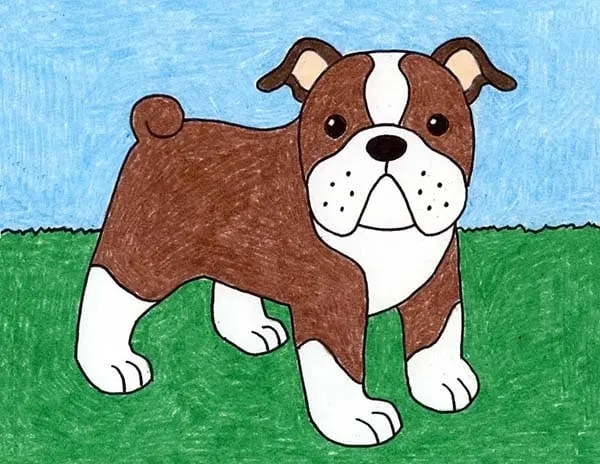
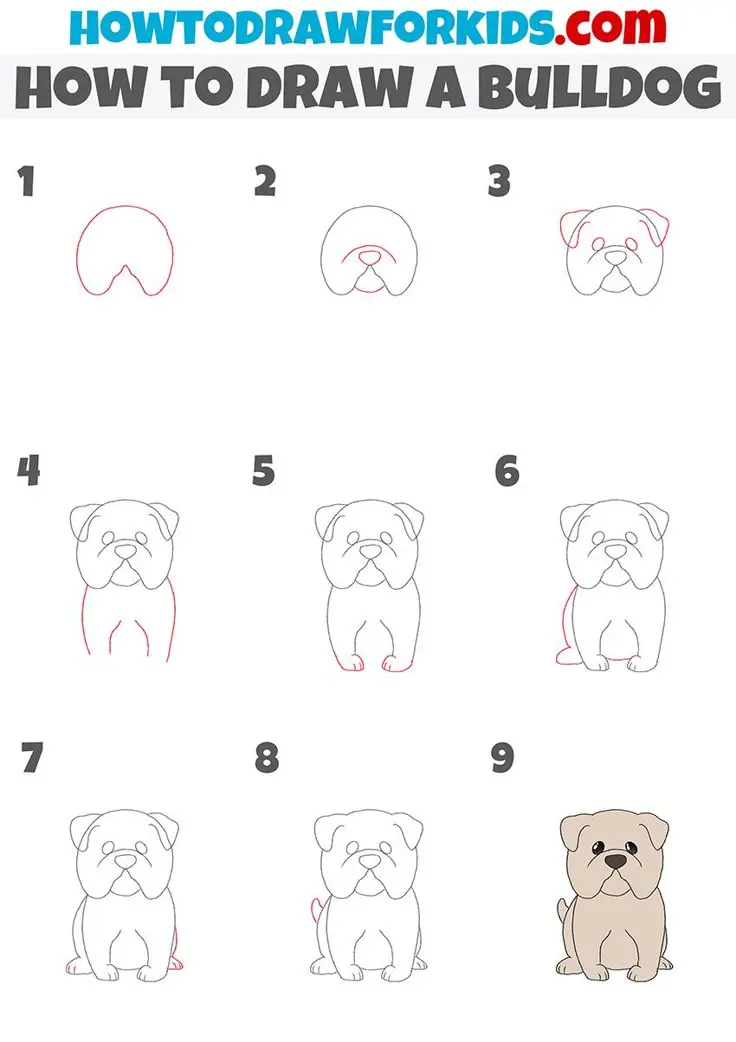
The key to drawing a bulldog is capturing its heavy, low-slung build. Start by visualizing the dog as a collection of three primary shapes: a large circular head, a wide chest, and a smaller, slightly tapered rear section. Because bulldogs are famously compact and muscular, ensure these shapes overlap significantly rather than spacing them out like a leaner dog breed. Use a light graphite pencil to sketch these forms, as you will need to refine the outlines later.
- Draw a large, slightly flattened circle for the skull.
- Add a horizontal oval beneath it for the chest and shoulders.
- Attach a smaller, rounded shape for the hindquarters, keeping the overall frame very close to the ground.
- Connect these shapes with thick, curved lines to suggest the powerful neck and back.
Focus on maintaining a "squat" appearance throughout the process. If the body looks too long or the legs appear slender, the drawing will lose the essential bulldog aesthetic. Keep your initial lines loose and fluid, allowing yourself room to adjust the proportions before committing to darker, permanent ink or shading.
How to draw a bulldog face and wrinkles
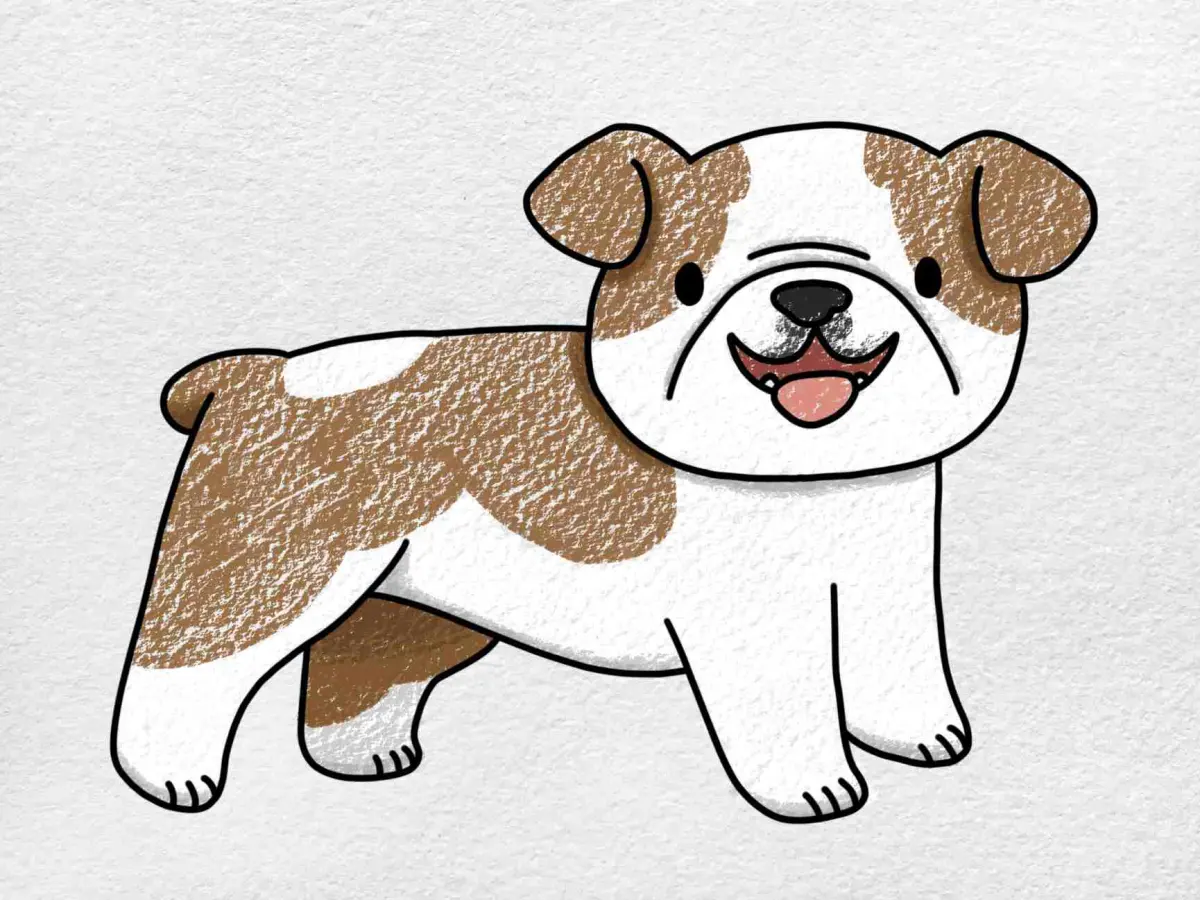
The bulldog’s face is its most recognizable feature, defined by loose skin and a pushed-in muzzle. Start by drawing a horizontal line across the center of the head circle to place the eyes, which should be set wide apart. The muzzle itself should be broad and square, extending forward from the face with a distinct "stop" or indentation between the eyes. To capture the wrinkles, draw soft, wavy lines that cascade from the forehead down toward the cheeks and nose.
- Use a "T" shape to guide the placement of the nose and mouth.
- Keep the nose broad, flat, and dark, positioned slightly upward.
- Add the lower jaw, which should protrude further than the upper jaw, creating the classic undershot look.
- Use irregular, overlapping lines for the skin folds, as these are never perfectly symmetrical or straight.
Avoid drawing the eyes too large or round, as bulldogs typically have a squinty, alert expression. The wrinkles should look like soft, sagging fabric rather than rigid geometric patterns. Focus on the depth of the folds by adding subtle shading within the crevices to give the face a three-dimensional, realistic appearance.
Best tools for drawing animals
Choosing the right materials can significantly improve your drawing experience, especially when working on detailed textures like fur and skin. A set of graphite pencils ranging from 2H (hard) to 6B (soft) is ideal for beginners. The harder pencils allow for light, preliminary sketching, while the softer pencils are perfect for adding deep, dark values to the nose, eyes, and the shadows within the skin folds. Use a high-quality kneaded eraser, which can be molded into precise shapes to lift highlights from the fur or skin.
For paper, choose a medium-weight drawing pad with a slight tooth or texture. This texture helps the graphite grip the page, allowing for better blending and shading. If you prefer working with ink, a fine-liner pen with a 0.5mm tip works well for defining the edges of the wrinkles after the initial sketch is complete. Always keep a sharpener or a sandpaper block nearby to maintain a fine point, as blunt pencils will make it difficult to capture the fine details of the bulldog's face.
Common mistakes when drawing bulldogs
One of the most frequent errors is making the dog look too athletic or thin. Beginners often try to draw a "standard" dog body, forgetting that the bulldog is uniquely dense and heavy. Another common mistake is neglecting the proportions of the head; the head should be quite large in relation to the body, almost appearing oversized. If the head looks too small, the drawing will lack the breed's signature "tough but cute" look.
- Over-simplifying the muzzle: Ensure the jaw is wide and square, not pointed.
- Ignoring the stance: Remember that the front legs are usually wider apart than the back legs.
- Drawing symmetrical wrinkles: Nature is rarely perfectly balanced, so vary the size and length of your skin folds.
- Using too much pressure: Heavy lines early on make it impossible to correct mistakes or add subtle shading later.
Take frequent breaks to look at your drawing from a distance or in a mirror. This helps you spot proportion issues that are not apparent when looking closely at the page. If the dog looks like a different breed, check the width of the chest and the placement of the ears.
How to add shading and texture
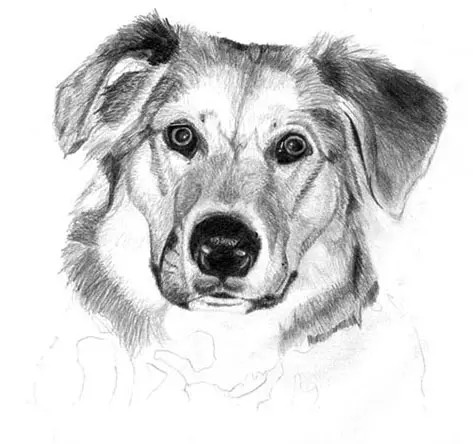
Shading is what brings your bulldog to life, transforming a flat sketch into a realistic portrait. Start by identifying the light source, then apply shadows to the opposite side of the folds and the underside of the belly. Use a blending stump or a soft tissue to smooth out the graphite, creating a realistic transition between the highlights and the shadows. For the fur, use short, quick pencil strokes that follow the direction of the coat, rather than long, continuous lines.
Focus on the texture of the nose and the moistness of the eyes. The nose should be the darkest part of the drawing, with a small, bright white highlight left unshaded to suggest a wet surface. The skin folds should have a gradient of tone, with the deepest shadows tucked deep inside the creases. By carefully building up these layers of light and dark, you create a sense of volume and weight that defines the bulldog’s sturdy, lovable nature. Finish by darkening the pupils and the deepest shadows to provide contrast, ensuring the final image pops off the page with clarity and character.
Key facts
- Start by sketching two overlapping circles: a large one for the chest and a smaller, slightly flattened one for the head.
- Bulldogs are defined by their "brachycephalic" features, meaning you should emphasize a very short, pushed-in muzzle.
- Draw the ears as small, folded triangles positioned high on the sides of the head to capture the breed's iconic look.
- Use thick, curved lines to represent the loose skin folds around the neck and shoulders, which are characteristic of the breed.
- Keep the legs short and stout, ensuring the front legs are wider apart than the back legs to mimic their low center of gravity.
- Avoid drawing a long, pointed tail; bulldogs have naturally short, often kinked or straight "screw" tails.
The bottom line
Drawing a bulldog requires focusing on its unique, compact anatomy rather than fine detail. By prioritizing a wide barrel chest, a short muzzle with an underbite, and thick, sturdy legs, you can capture the essence of the breed. Remember to use rounded, heavy lines to emphasize their loose skin and stocky build. With practice, these simple geometric foundations will help you create a recognizable, charming bulldog illustration.
People also ask
What is the most common mistake when drawing a bulldog?
Beginners often make the legs too long or slender. Bulldogs are muscular and compact, so keep the limbs thick and relatively short to maintain the correct proportions.
Should I use sharp angles or soft curves for a bulldog?
You should prioritize soft, rounded curves. Bulldogs have a stocky, heavy-set build, so avoid rigid, pointy shapes that would make the dog look athletic or thin.
How do I make the face look grumpy but cute?
Draw the lower jaw slightly protruding beyond the upper jaw to create an underbite. Adding small, droopy folds of skin under the eyes helps achieve that classic, soulful expression.
How much detail should I add to the skin folds?
Focus on placing a few prominent wrinkles on the forehead and around the muzzle. Too many lines can make the drawing look cluttered, so use them sparingly to define the shape.
What is the best way to draw the bulldog's chest?
Draw the chest as a wide, barrel-like shape. This width is a hallmark of the breed's anatomy and is essential for making the drawing look authentic.
Can I draw a bulldog in a standing position easily?
Yes, but ensure the weight is distributed evenly. Because they are heavy, their feet should be planted firmly and slightly turned outward to reflect their natural stance.
This answer was created with the help of AI research tools and reference sources. Spotted an error? Let us know — we correct mistakes quickly. See our editorial policy.