How do you draw a cute monkey?
Short answer
Drawing a cute monkey involves focusing on exaggerated, rounded features. Start by sketching a large circular head and a smaller, heart-shaped face patch. Use big, wide-set eyes to enhance the expressive, youthful appearance. Keep limbs soft and curved, avoiding sharp angles to maintain a friendly, approachable aesthetic that defines the character.
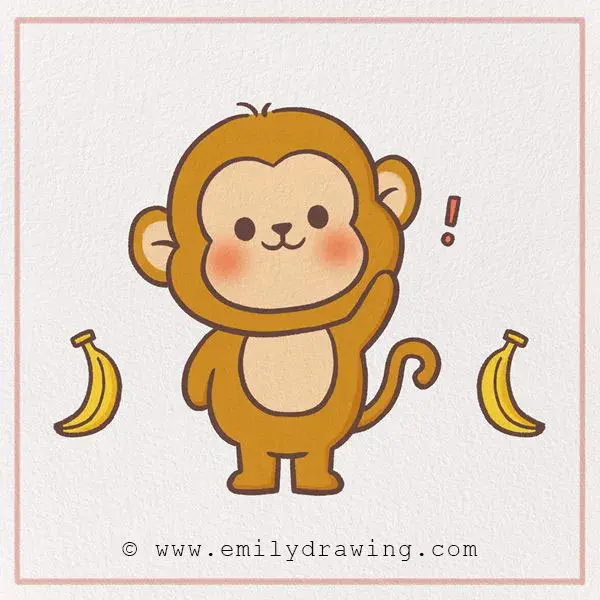
On this page
How to sketch the basic monkey head shape
The foundation of a cute monkey character relies on the "chibi" art style, which emphasizes oversized heads and simplified features. Begin by drawing a perfect circle for the skull. Below the horizontal midline, sketch a smaller, inverted heart shape or a rounded "M" shape to define the facial mask. This area will house the mouth and nose, providing a distinct contrast to the rest of the head.
To ensure the monkey looks friendly, place the eyes low on the face, right at the intersection of the horizontal and vertical guidelines. Large, circular pupils with a small white highlight add a sense of wonder and innocence. Avoid drawing the eyes too far apart, as this can make the character look vacant. Instead, keep them close to the center to focus the viewer's attention on the monkey’s expressive gaze.
What tools are best for beginners
For those new to drawing, starting with traditional graphite pencils is highly recommended. A 2B pencil offers the perfect balance of darkness and erasability, allowing you to sketch light construction lines that can be cleaned up later. Use a kneaded eraser to lift away graphite gently without damaging the paper fibers. This process helps maintain a clean workspace as you refine your character's proportions.
If you prefer digital tools, a basic tablet with pressure sensitivity is ideal. Digital software provides the advantage of layers, which allows you to separate your rough sketch from your final line art. Regardless of your medium, keep these items ready:
- A set of pencils ranging from HB to 4B for varied line weights.
- Smooth, acid-free drawing paper to prevent smudging.
- A fine-liner pen for adding bold, permanent outlines.
- A blending stump to create soft shadows around the cheeks and ears.
How to draw expressive monkey ears and limbs
Monkeys are easily identified by their prominent, rounded ears. Position these on the sides of the head, aligned roughly with the center of the eyes. Make them large and circular to emphasize the "cute" factor, as smaller, pointed ears can make the animal appear aggressive or wild. Ensure the ears are symmetrical to maintain a balanced, pleasing composition.
When drawing the body, keep the limbs short and plump rather than long and spindly. A pear-shaped torso works best for a seated monkey. Follow these steps to construct the limbs:
- Draw two small ovals for the shoulders, connecting them to the torso with soft, curved lines.
- Sketch the arms as simple, rounded tubes, keeping them slightly bent to suggest a relaxed posture.
- Add small, mitten-like hands with three or four fingers to maintain a cartoonish, simplified look.
- Draw the legs tucked underneath the body to create a compact, cozy silhouette.
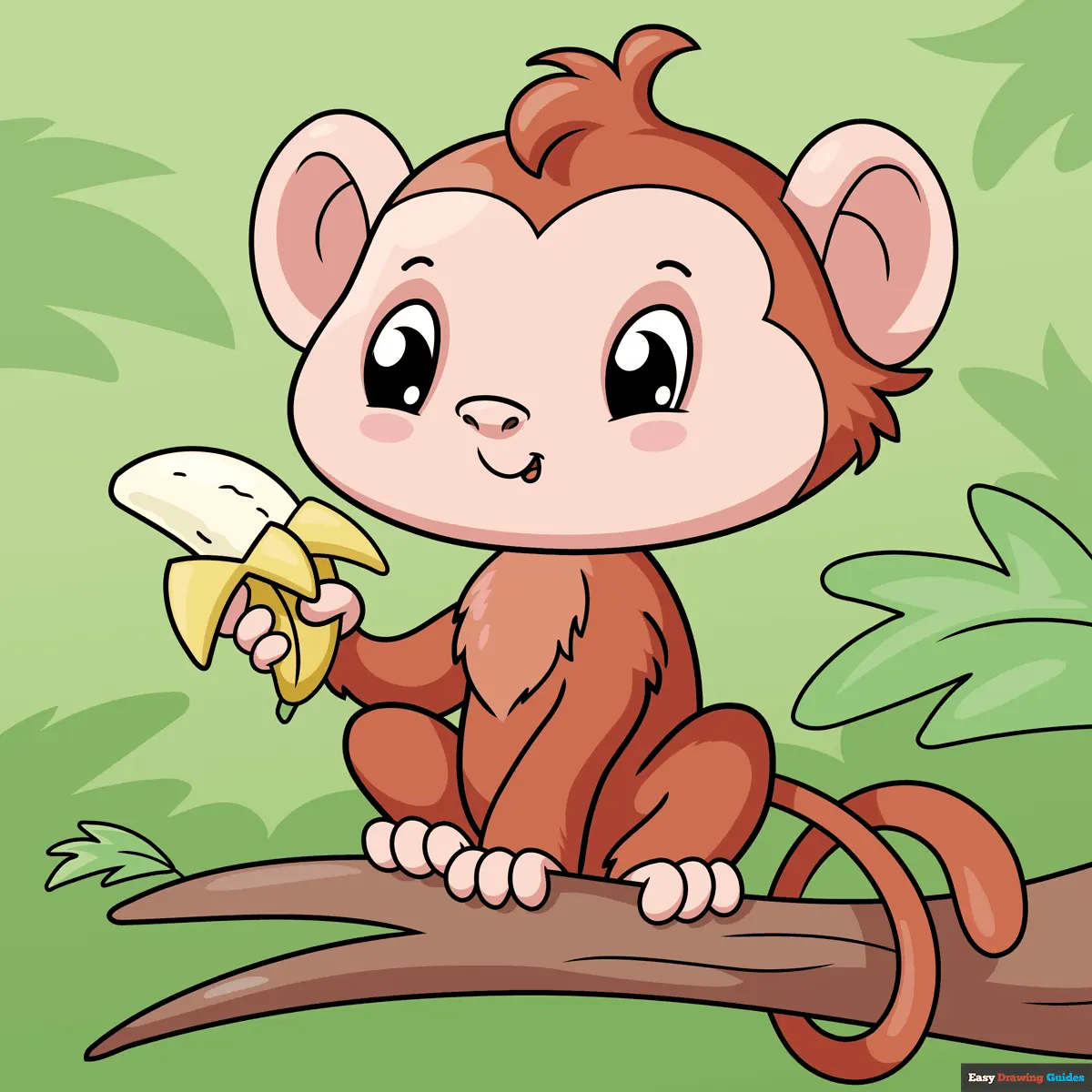
Common mistakes when drawing monkeys
One frequent error is drawing the snout too long or jagged. A monkey’s muzzle should be soft and rounded to fit the cute aesthetic. If the snout protrudes too far, the character begins to look like a realistic primate rather than a whimsical cartoon. Keep the nose small and simple, often just a tiny triangle or two dots, to avoid cluttering the face.
Another common mistake is neglecting the tail. A monkey’s tail should be long, flexible, and expressive. Avoid drawing it as a stiff, straight line. Instead, use a series of overlapping curves to show movement and personality. You can even have the tail curl around the monkey’s body or hold a small prop, such as a banana or a flower, to add narrative interest to your drawing.
How to add personality with finishing touches
Once the structure is complete, adding small details can bring your monkey to life. Consider adding a tuft of hair on the top of the head or a slight blush on the cheeks using a soft pink pencil or digital airbrush. These subtle additions make the character feel more "alive" and endearing. Focus on the eyes again, as adding a second, smaller highlight can make them appear more luminous and deep.
Finally, consider the monkey’s pose to convey a specific mood. A monkey leaning forward with wide eyes suggests curiosity, while a monkey with a gentle, closed-eye smile suggests contentment. Experiment with these variations to develop your own unique style. By focusing on rounded shapes, large eyes, and soft, flowing lines, you can create a charming character that resonates with viewers. Consistency in your line weight will ultimately tie the entire illustration together into a professional, polished piece of art.
Key facts
- Start by drawing a large oval for the head and a smaller, overlapping circle for the muzzle to establish the monkey's proportions.
- Use a heart-shaped outline for the face area to give the character a distinct, youthful, and "cute" appearance.
- Keep the eyes large and placed low on the face to emphasize a childlike, endearing expression.
- Draw the ears as simple semi-circles on the sides of the head, positioned roughly halfway between the top and bottom of the skull.
- Use curved lines for the limbs, as straight lines often make a cartoon character look stiff or unnatural.
- Add a long, curling tail to provide balance to the composition and add a playful sense of movement.
The bottom line
Drawing a cute monkey relies on exaggerating youthful features like large eyes, a small muzzle, and rounded proportions. By focusing on simple geometric shapes and expressive facial curves, you can create a character that feels lively and friendly. Remember to keep your initial sketches light, refine your outlines with careful ink strokes, and avoid over-complicating the fur to maintain a clean, appealing, and professional cartoon style.
People also ask
What is the best pencil grade to use for sketching a cartoon monkey?
An HB or 2B pencil is ideal because these grades provide enough darkness for clear lines while remaining easy to erase. Harder leads like 4H can leave indentations on the paper that are difficult to remove during the cleanup phase.
How do I make the monkey look happy?
To convey happiness, draw the mouth as a gentle upward curve or an open "U" shape. Adding small, upward-curving lines beneath the eyes suggests the cheeks are pushing up, which is a key visual cue for a genuine smile.
Why does my monkey look more like a bear?
This usually happens because the ears are placed too high or the muzzle is too short. Ensure the ears are attached to the side of the head rather than the top, and give the muzzle a slightly elongated, elliptical shape.
What is the secret to drawing expressive hands?
Keep the hands simple by drawing a rounded palm with three fingers and a thumb. Avoid over-detailing the knuckles; instead, focus on the overall gesture of the hand to convey the monkey's mood.
Should I use ink or color first?
Always finalize your line work with ink before applying color. Using a waterproof fineliner ensures your outlines remain crisp and do not smudge when you add markers, watercolors, or colored pencils.
How can I make the fur look realistic but cute?
Instead of drawing every individual hair, use short, soft "flicking" motions with your pencil along the edges of the body. This creates a textured, fluffy appearance without cluttering the drawing with too much detail.
This answer was created with the help of AI research tools and reference sources. Spotted an error? Let us know — we correct mistakes quickly. See our editorial policy.